
Blog

Why Do I Have Foot Cramps?

Most people experience muscle cramps from time to time. These can occur just about anywhere in the body, but some of the most common cramped muscles are those in the feet and lower legs. All muscles work in pairs. When one muscle in the pair contracts, the other relaxes to allow for smooth movements. Cramps occur when the muscle that is supposed to relax doesn’t. Cramps can also happen if a muscle contracts suddenly and is then unable to relax. Though they are often associated with exercise, cramps can also be caused by dehydration, nutritional problems, nerve damage, underlying health conditions, poor circulation, certain medications, fatigue, injury, wearing ill-fitting shoes, and pregnancy, among many other potential causes. If you frequently experience muscle cramps in your lower limbs, please seek the care of a podiatrist. 

Everyday foot care is very important to prevent infection and other foot ailments. If you need your feet checked, contact Dr. Yeon A. Shim from Roselle Podiatry Group. Our doctor can provide the care you need to keep you pain-free and on your feet.

Everyday Foot Care

Often, people take care of their bodies, face and hair more so than they do for their feet. But the feet are a very important aspect of our bodies, and one that we should pay more attention to. Without our feet, we would not be able to perform most daily tasks.

It is best to check your feet regularly to make sure there are no new bruises or cuts that you may not have noticed before. For dry feet, moisturizer can easily be a remedy and can be applied as often as necessary to the affected areas. Wearing shoes that fit well can also help you maintain good foot health, as well as making it easier to walk and do daily activities without the stress or pain of ill-fitting shoes, high heels, or even flip flops. Wearing clean socks with closed shoes is important to ensure that sweat and bacteria do not accumulate within the shoe. Clean socks help to prevent Athlete’s foot, fungi problems, bad odors, and can absorb sweat.

If you have any questions, please feel free to contact our office located in Roselle, NJ . We offer the newest diagnostic and treatment technologies for all your foot care needs.
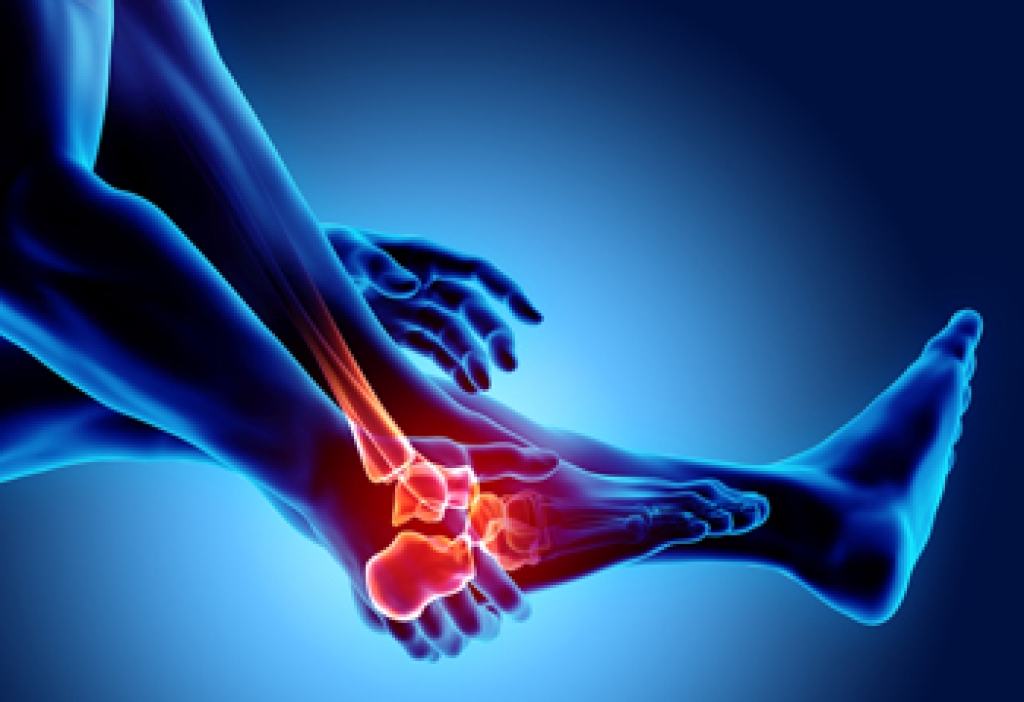
Read more about Every Day Foot Care

Rheumatoid Arthritis Statistics

Rheumatoid arthritis (RA) is an autoimmune disease in which the body’s immune system attacks its own, otherwise healthy cells. The cells that are frequently attacked are those of the synovium, the soft tissue that lines the joints. The small joints of the feet and ankles are often affected, leading to symptoms such as foot and ankle pain, joint swelling, stiffness, and reduced mobility. RA affects millions of adults annually. In 2020, approximately 53 of every 100,000 women and 29 of every 100,000 men had RA. Women are more likely than men to develop RA at an early age. If you have RA and are experiencing foot and ankle pain, a podiatrist can help you relieve symptoms and maintain your foot health and mobility.  

Because RA affects more than just your joints, including the joints in your feet and ankles, it is important to seek early diagnosis from your podiatrist if you feel like the pain in your feet might be caused by RA. For more information, contact Dr. Yeon A. Shim of Roselle Podiatry Group. Our doctor will assist you with all of your podiatric concerns.

What Is Rheumatoid Arthritis?

Rheumatoid Arthritis (RA) is an autoimmune disorder in which the body’s own immune system attacks the membranes surrounding the joints. Inflammation of the lining and eventually the destruction of the joint’s cartilage and bone occur, causing severe pain and immobility.

Rheumatoid Arthritis of the Feet

Although RA usually attacks multiple bones and joints throughout the entire body, almost 90 percent of cases result in pain in the foot or ankle area.

Symptoms

  • Swelling and pain in the feet
  • Stiffness in the feet
  • Pain on the ball or sole of feet
  • Joint shift and deformation

Diagnosis

Quick diagnosis of RA in the feet is important so that the podiatrist can treat the area effectively. Your doctor will ask you about your medical history, occupation, and lifestyle to determine the origin of the condition. Rheumatoid Factor tests help to determine if someone is affected by the disease.

If you have any questions, please feel free to contact our office located in Roselle, NJ . We offer the newest diagnostic and treatment technologies for all your foot care needs.
Read more about Rheumatoid Arthritis in the Feet

Heel Pain Can Be Treated!

Do you suffer from heel pain when you get up in the morning? If so, you should seek professional help and have a proper diagnosis performed. Heel pain can be caused by several different foot-related conditions.

When Nerve Damage Disrupts Messages Between the Brain and Feet

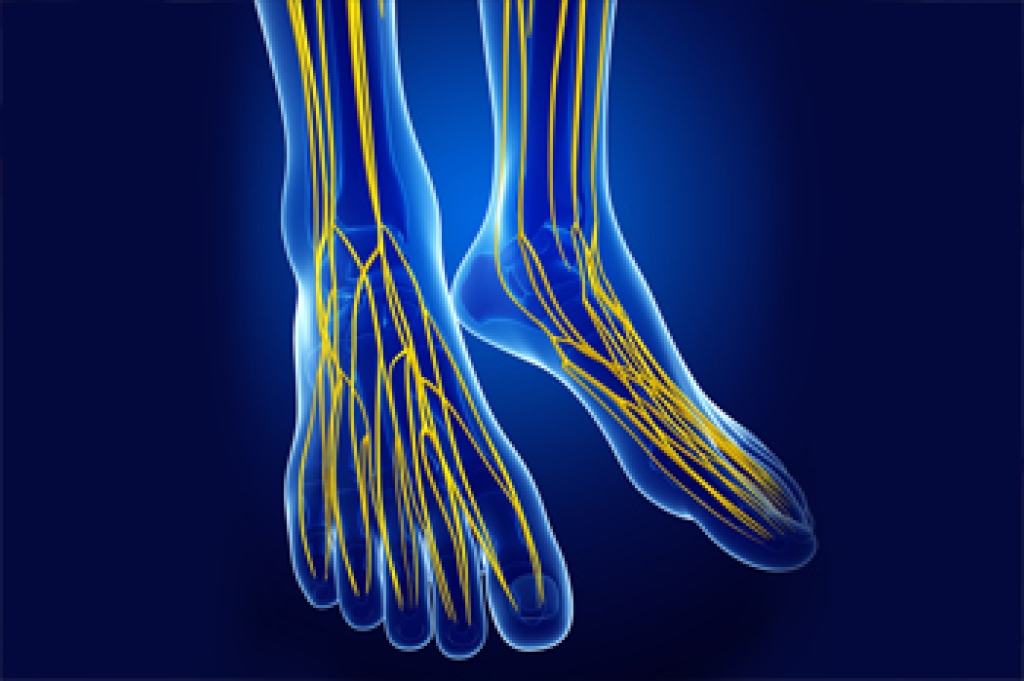
The peripheral nervous system transmits signals between the central nervous system (brain and spinal cord) and organs and limbs. For example, peripheral nerves would send a signal to the central nervous system regarding pain in the foot and the brain would direct the body to respond accordingly—that is, when this messaging system works correctly. In peripheral neuropathy there is damage to the peripheral nerves, which impedes this messaging system. Peripheral neuropathy is commonly caused by diabetes, but may also be present due to heredity, side effects of chemotherapy, drug or alcohol abuse, and other illnesses. Peripheral neuropathy can trigger symptoms in the feet such as numbness or an inability to perceive pain or temperature, cramping, muscle weakness, or tingling. Diabetic neuropathy can be particularly problematic as even minor cuts or abrasions can go undetected and turn into wounds or ulcers. If you are experiencing any of the symptoms listed, contact a podiatrist for a full examination and evaluation to determine if you may have peripheral neuropathy.

Peripheral artery disease can pose a serious risk to your health. It can increase the risk of stroke and heart attack. If you have symptoms of peripheral artery disease, consult with Dr. Yeon A. Shim from Roselle Podiatry Group. Our doctor will assess your condition and provide you with quality foot and ankle treatment.

Peripheral artery disease (PAD) is when arteries are constricted due to plaque (fatty deposits) build-up. This results in less blood flow to the legs and other extremities. The main cause of PAD is atherosclerosis, in which plaque builds up in the arteries.

Symptoms

Symptoms of PAD include:

  • Claudication (leg pain from walking)
  • Numbness in legs
  • Decrease in growth of leg hair and toenails
  • Paleness of the skin
  • Erectile dysfunction
  • Sores and wounds on legs and feet that won’t heal
  • Coldness in one leg

It is important to note that a majority of individuals never show any symptoms of PAD.

Diagnosis

While PAD occurs in the legs and arteries, Podiatrists can diagnose PAD. Podiatrists utilize a test called an ankle-brachial index (ABI). An ABI test compares blood pressure in your arm to you ankle to see if any abnormality occurs. Ultrasound and imaging devices may also be used.

Treatment

Fortunately, lifestyle changes such as maintaining a healthy diet, exercising, managing cholesterol and blood sugar levels, and quitting smoking, can all treat PAD. Medications that prevent clots from occurring can be prescribed. Finally, in some cases, surgery may be recommended.

If you have any questions, please feel free to contact our office located in Roselle, NJ . We offer the newest diagnostic and treatment technologies for all your foot care needs.
Read more about Peripheral Artery Disease

Why Does Gout Affect the Big Toe?

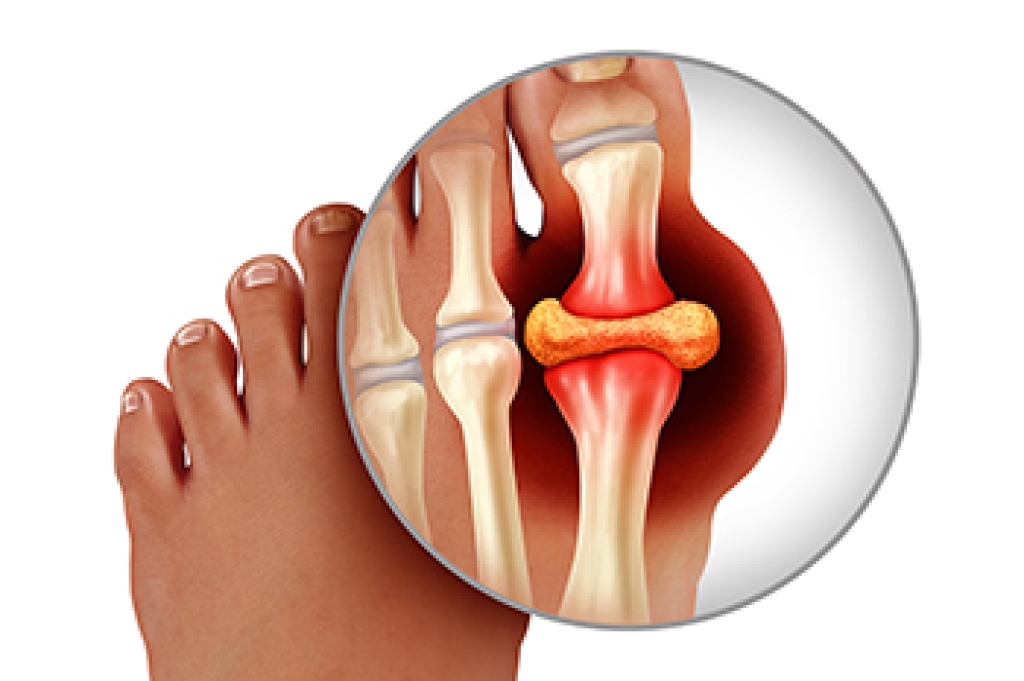
Gout is a type of arthritis caused by a buildup of uric acid in the bloodstream. This uric acid can crystallize in the joints, leading to symptoms such as sudden and severe pain, swelling, stiffness, redness, and warmth in the affected joint. While a gout flare up can hit any joint in the body, it is most frequently found at the base of the big toe joint. Because uric acid is sensitive to temperature changes, it crystallizes when temperatures are cooler.  Because the big toe is the furthest part of the body from the heart, it is also the coolest part of the body. This creates the perfect environment for uric acid to crystallize and for a gout attack to occur. If you experience painful gout flare ups in your feet, it is suggested that you consult with a podiatrist. 

Gout is a painful condition that can be treated. If you are seeking treatment, contact Dr. Yeon A. Shim from Roselle Podiatry Group. Our doctor will treat your foot and ankle needs.

What Is Gout?

Gout is a form of arthritis that is characterized by sudden, severe attacks of pain, redness, and tenderness in the joints. The condition usually affects the joint at the base of the big toe. A gout attack can occur at any random time, such as the middle of the night while you are asleep.

Symptoms

  • Intense Joint Pain - Usually around the large joint of your big toe, and it most severe within the first four to twelve hours
  • Lingering Discomfort - Joint discomfort may last from a few days to a few weeks
  • Inflammation and Redness -Affected joints may become swollen, tender, warm and red
  • Limited Range of Motion - May experience a decrease in joint mobility

Risk Factors

  • Genetics - If family members have gout, you’re more likely to have it
  • Medications - Diuretic medications can raise uric acid levels
  • Gender/Age - Gout is more common in men until the age of 60. It is believed that estrogen protects women until that point
  • Diet - Eating red meat and shellfish increases your risk
  • Alcohol - Having more than two alcoholic drinks per day increases your risk
  • Obesity - Obese people are at a higher risk for gout

Prior to visiting your podiatrist to receive treatment for gout, there are a few things you should do beforehand. If you have gout you should write down your symptoms--including when they started and how often you experience them, important medical information you may have, and any questions you may have. Writing down these three things will help your podiatrist in assessing your specific situation so that he or she may provide the best route of treatment for you.

If you have any questions, please feel free to contact our office located in Roselle, NJ . We offer the newest diagnostic and treatment technologies for all your foot care needs.

Read more about Gout
scroll to top