Blog

The Importance of Resting a Sprained Ankle

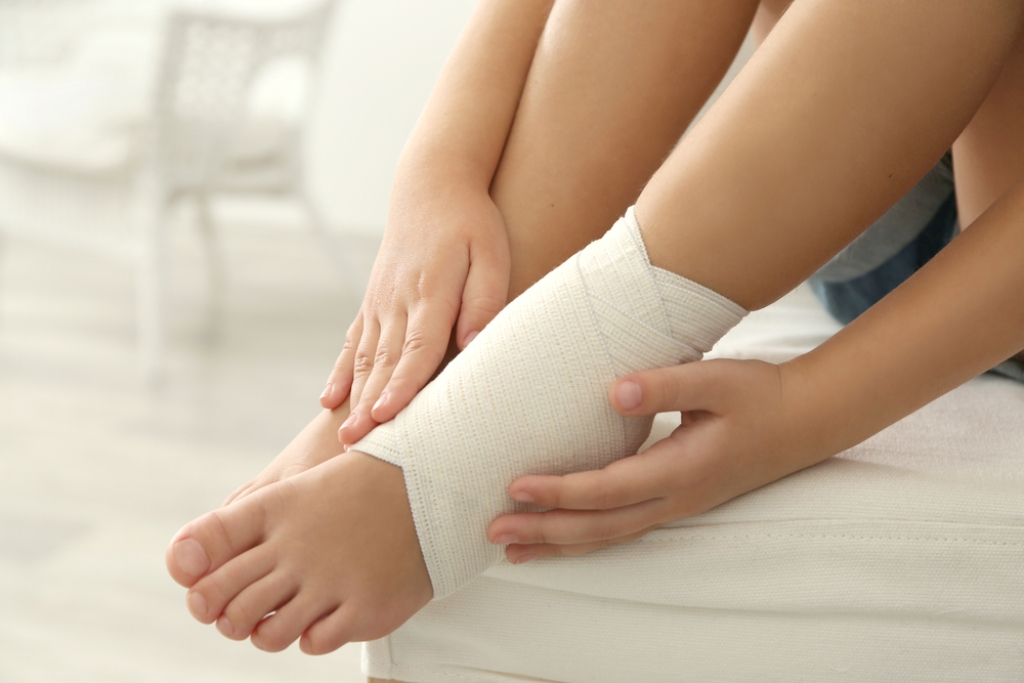
If you have fallen or twisted your foot, you may have sprained your ankle. If you are aware of the importance of treating this condition early, the recovery process may be accelerated. Resting the ankle can be accomplished by not walking on it. Using crutches may be beneficial in eliminating the pressure from the affected joints. Additionally, elevating the foot may reduce any swelling that may be present. A diagnosis may be necessary in determining the severity of the sprain, and if there has been damage done to the tendons and ligaments. For severe sprains, a rehabilitation program may be needed which may be helpful in regaining total mobility of the ankle. If you have sprained your ankle, please consult with a podiatrist as quickly as possible, so the correct treatment can begin.

Although ankle sprains are common, they aren’t always minor injuries. If you need your ankle injury looked at, contact Dr. Yeon A. Shim from Roselle Podiatry Group. Our doctor can provide the care you need to keep you pain-free and on your feet.

How Does an Ankle Sprain Occur?

Ankle sprains are the result of a tear in the ligaments within the ankle. These injuries may happen when you make a rapid shifting movement while your foot is planted. A less common way to sprain your ankle is when your ankle rolls inward while your foot turns outward.

What Are the Symptoms?

  • Pain at the sight of the tear
  • Bruising/Swelling
  • Ankle area is tender to touch
  • In severe cases, may hear/feel something tear
  • Skin discoloration

Preventing a Sprain

  • Wearing appropriate shoes for the occasion
  • Stretching before exercises and sports
  • Knowing your limits

Treatment of a Sprain

In many cases, the RICE method (Rest, Ice, Compression, and Elevate) is used to treat ankle sprains. However, you should see a podiatrist to see which treatment option would work best with your injury. In severe cases, surgery may be required.

It is important to ask your doctor about rehab options after you receive treatment for your injury. Stretching, strength training, and balance exercises may help the ankle heal while also preventing further injury.

If you have any questions, please feel free to contact our office located in Roselle, NJ . We offer the newest diagnostic and treatment technologies for all your foot care needs.
Read more about Ankle Sprains

How To Spot a Broken Foot

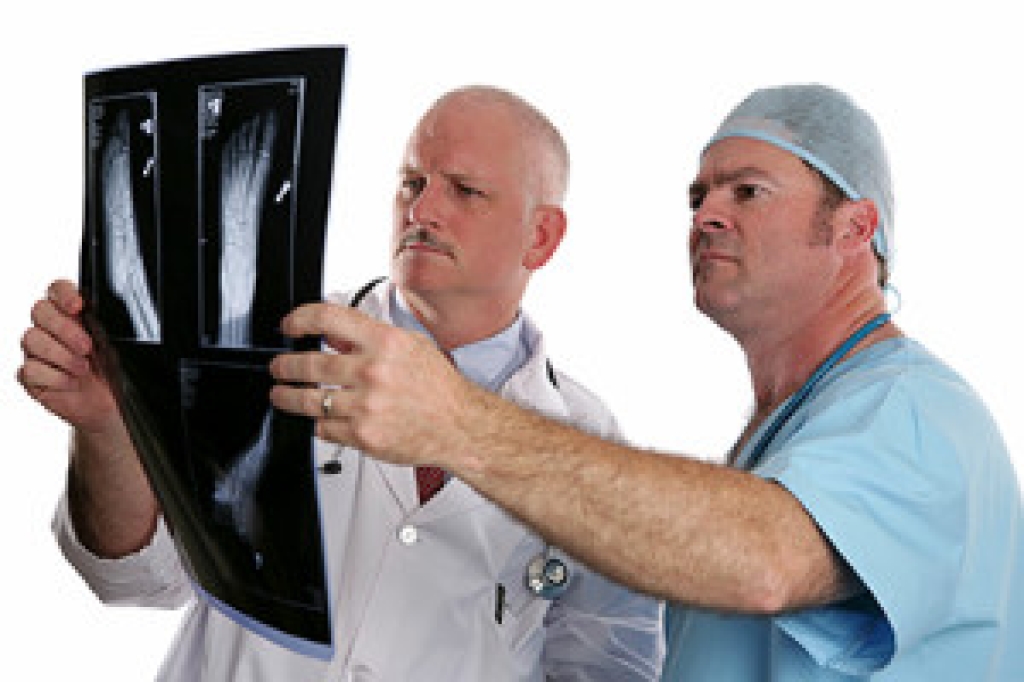
The foot is a complicated part of the body, because it is comprised of many bones. All of these bones are at risk of breaking, which would result in a broken foot. Pain and swelling will occur if there are any broken bones in the foot. Depending on which bone is broken, you may or may not be able to put weight on your foot and walk. Broken toes are usually much more functional and don’t restrict the injured person from walking entirely. Even if it is possible to walk on the broken foot it is best not to, because putting weight on the foot can easily cause more damage. There is usually bruising or redness visible on a broken foot and any deformities that look like a dislocation are a sign of a fracture. If you think you may have broken your foot, then it is strongly recommended that you speak with a podiatrist to ensure that it heals properly.

A broken foot requires immediate medical attention and treatment. If you need your feet checked, contact Dr. Yeon A. Shim from Roselle Podiatry Group. Our doctor can provide the care you need to keep you pain-free and on your feet.

Broken Foot Causes, Symptoms, and Treatment

A broken foot is caused by one of the bones in the foot typically breaking when bended, crushed, or stretched beyond its natural capabilities. Usually the location of the fracture indicates how the break occurred, whether it was through an object, fall, or any other type of injury. 

Common Symptoms of Broken Feet:

  • Bruising
  • Pain
  • Redness
  • Swelling
  • Blue in color
  • Numbness
  • Cold
  • Misshapen
  • Cuts
  • Deformities

Those that suspect they have a broken foot shoot seek urgent medical attention where a medical professional could diagnose the severity.

Treatment for broken bones varies depending on the cause, severity and location. Some will require the use of splints, casts or crutches while others could even involve surgery to repair the broken bones. Personal care includes the use of ice and keeping the foot stabilized and elevated.

If you have any questions, please feel free to contact our office located in Roselle, NJ . We offer the newest diagnostic and treatment technologies for all your foot care needs.
Read more about Causes, Symptoms, and Treatment for a Broken Foot

Causes of Neuropathy

If you are experiencing a tingling sensation or a loss of feeling in your feet, you may have a condition that is known as neuropathy. It may be indicative of general health issues in the body that may cause the peripheral nerves to become damaged. Typical symptoms may include muscle weakness, or burning sensations. Possible causes of neuropathy may originate from diabetes and autoimmune disorders, in addition to certain types of chemotherapy. Patients who are older or are chronically ill may find they have symptoms of neuropathy, or it may have developed as a result of an injury. Research has shown treatments may vary based on the source of this condition, and steps can be implemented that may achieve a moderate level of relief. If the neuropathy is caused by diabetes, it is suggested to lower the insulin levels in the blood. Additionally, taking the correct supplements may heal a vitamin deficiency, which may be a cause of this condition. If you have any of these symptoms, it is advised to speak to a podiatrist who can guide you toward proper treatment.

Neuropathy

Neuropathy can be a potentially serious condition, especially if it is left undiagnosed. If you have any concerns that you may be experiencing nerve loss in your feet, consult with Dr. Yeon A. Shim from Roselle Podiatry Group. Our doctor will assess your condition and provide you with quality foot and ankle treatment for neuropathy.

What Is Neuropathy?

Neuropathy is a condition that leads to damage to the nerves in the body. Peripheral neuropathy, or neuropathy that affects your peripheral nervous system, usually occurs in the feet. Neuropathy can be triggered by a number of different causes. Such causes include diabetes, infections, cancers, disorders, and toxic substances.

Symptoms of Neuropathy Include:

  • Numbness
  • Sensation loss
  • Prickling and tingling sensations
  • Throbbing, freezing, burning pains
  • Muscle weakness

Those with diabetes are at serious risk due to being unable to feel an ulcer on their feet. Diabetics usually also suffer from poor blood circulation. This can lead to the wound not healing, infections occurring, and the limb may have to be amputated.

Treatment

To treat neuropathy in the foot, podiatrists will first diagnose the cause of the neuropathy. Figuring out the underlying cause of the neuropathy will allow the podiatrist to prescribe the best treatment, whether it be caused by diabetes, toxic substance exposure, infection, etc. If the nerve has not died, then it’s possible that sensation may be able to return to the foot.

Pain medication may be issued for pain. Electrical nerve stimulation can be used to stimulate nerves. If the neuropathy is caused from pressure on the nerves, then surgery may be necessary.

If you have any questions, please feel free to contact our office located in Roselle, NJ . We offer the newest diagnostic and treatment technologies for all your foot care needs.

Read more about Neuropathy

Causes of Hammertoes

Hammertoes are a common condition that occur when one of the toe muscles becomes weak, therefore putting pressure on the toe’s tendons and joints. This pressure can cause the toe to change shape and become deformed. Usually, corns or calluses grow on the affected toe, which can cause pain when it rubs against footwear. Some hammertoes are hereditary, the foot type given to you by your parents could easily affect the growth of a hammertoe. Both flat flexible feet and high arched feet are susceptible to hammertoes. Narrow high-heeled shoes also put you at a higher risk for getting a hammertoe, because the toes are under extreme pressure with little support. Other medical complications may also contribute to the growth of a hammertoe. For example, people with diabetes have a higher chance of developing hammertoes, because they have poor blood flow in their feet. If you have a hammertoe that is causing you discomfort, it is recommended you speak with a podiatrist in order to receive the proper treatment.

Hammertoes can be a painful condition to live with. For more information, contact Dr. Yeon A. Shim of Roselle Podiatry Group. Our doctor will answer any of your foot- and ankle-related questions.

Hammertoe

Hammertoe is a foot deformity that occurs due to an imbalance in the muscles, tendons, or ligaments that normally hold the toe straight. It can be caused by the type of shoes you wear, your foot structure, trauma, and certain disease processes.

Symptoms

  • Painful and/or difficult toe movement
  • Swelling
  • Joint stiffness
  • Calluses/Corns
  • Physical deformity

Risk Factors

  • Age – The risk of hammertoe increases with age
  • Sex – Women are more likely to have hammertoe compared to men
  • Toe Length – You are more likely to develop hammertoe if your second toe is longer than your big toe
  • Certain Diseases – Arthritis and diabetes may make you more likely to develop hammertoe

Treatment

If you have hammertoe, you should change into a more comfortable shoe that provides enough room for your toes. Exercises such as picking up marbles may strengthen and stretch your toe muscles. Nevertheless, it is important to seek assistance from a podiatrist in order to determine the severity of your hammertoe and see which treatment option will work best for you.

If you have any questions, please feel free to contact our office located in Roselle, NJ . We offer the newest diagnostic and treatment technologies for all your foot care needs.

Read more about Hammertoe
scroll to top