Blog

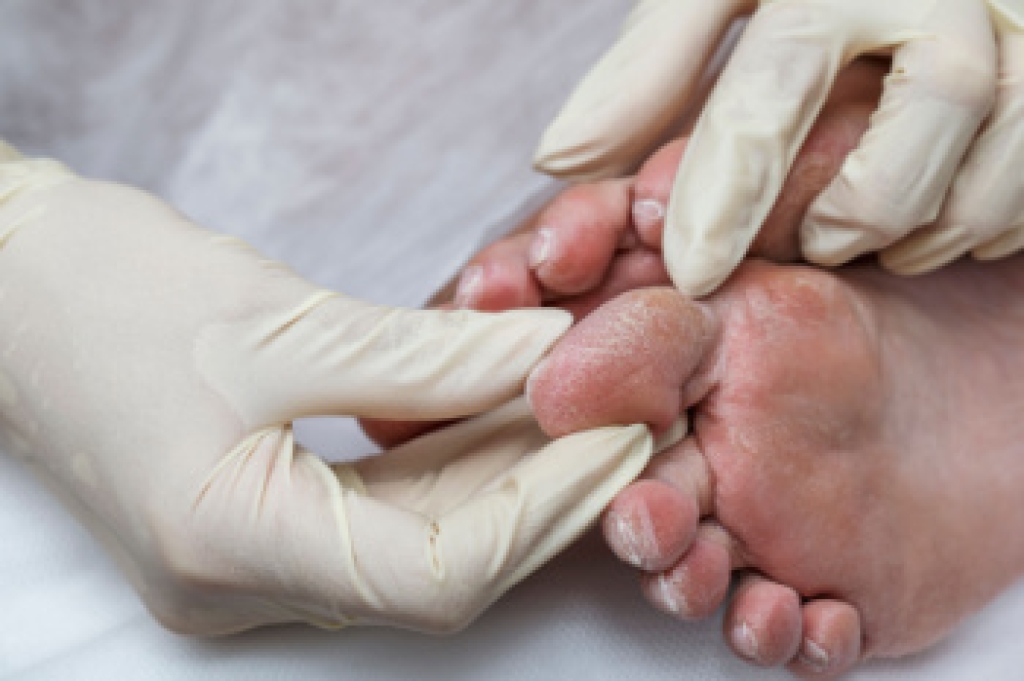
Diabetic Foot Care

Caring for diabetic feet is essential to avoid complications like infections or ulcers. Begin by inspecting your feet daily for cuts, blisters, or changes in color, especially if you have reduced sensation due to neuropathy. Wash your feet with warm water and mild soap, ensuring thorough drying, particularly between toes. Moisturize to prevent cracking, but avoid applying lotion between the toes to minimize infection risk. Wear well-fitting, protective shoes and socks designed for diabetic patients to reduce pressure and prevent injuries. Trim toenails straight across to avoid ingrown nails. Control blood sugar levels to enhance circulation and promote healing. Avoid walking barefoot, even at home, to prevent unnoticed injuries. If you have diabetes and foot issues arise or are in need of  preventive guidance, it is suggested that you schedule regular check-ups with a podiatrist. This foot specialist can assess your foot health, offer personalized advice, and help you maintain optimal care.

Diabetic foot care is important in preventing foot ailments such as ulcers. If you are suffering from diabetes or have any other concerns about your feet, contact Dr. Yeon A. Shim from Roselle Podiatry Group. Our doctor can provide the care you need to keep you pain-free and on your feet.

Diabetic Foot Care

Diabetes affects millions of people every year. The condition can damage blood vessels in many parts of the body, especially the feet. Because of this, taking care of your feet is essential if you have diabetes, and having a podiatrist help monitor your foot health is highly recommended.

The Importance of Caring for Your Feet

  • Routinely inspect your feet for bruises or sores.
  • Wear socks that fit your feet comfortably.
  • Wear comfortable shoes that provide adequate support.

Patients with diabetes should have their doctor monitor their blood levels, as blood sugar levels play such a huge role in diabetic care. Monitoring these levels on a regular basis is highly advised.

It is always best to inform your healthcare professional of any concerns you may have regarding your feet, especially for diabetic patients. Early treatment and routine foot examinations are keys to maintaining proper health, especially because severe complications can arise if proper treatment is not applied.

If you have any questions, please feel free to contact our office located in Roselle, NJ . We offer the newest diagnostic and treatment technologies for all your foot care needs.

Read more about Diabetic Foot Care

Wounds That Don't Heal Need to Be Checked

Your feet are covered most of the day. If you're diabetic, periodic screening is important for good health. Numbness is often a sign of diabetic foot and can mask a sore or wound.

Foot and Ankle Pain Can Be Warnings

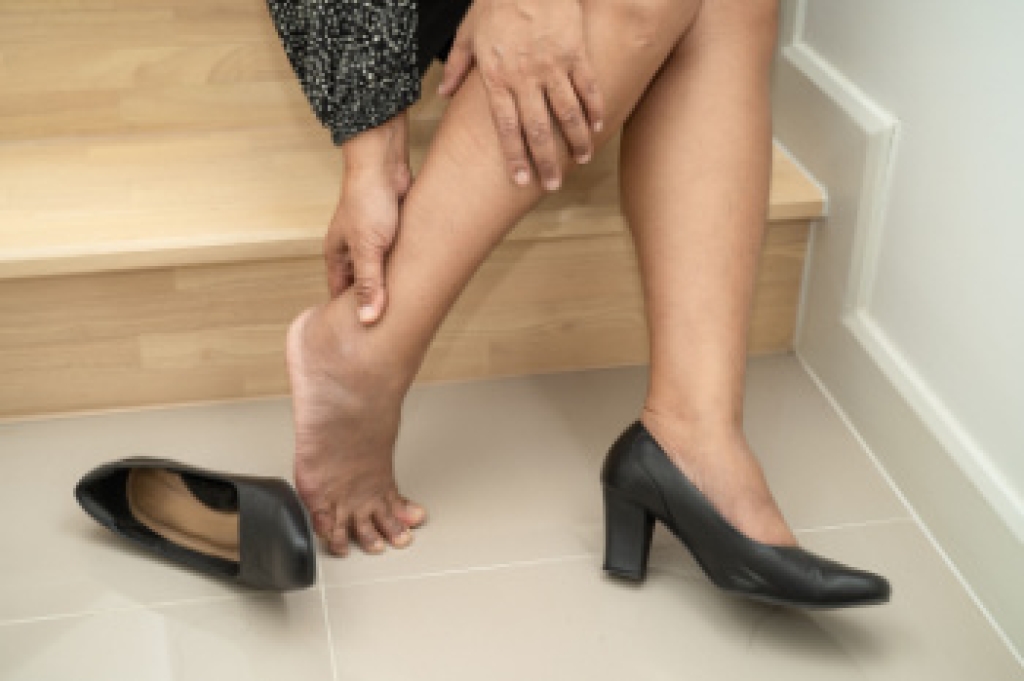
Foot and ankle pain can range from mild discomfort to a serious issue that disrupts daily life. Persistent or worsening foot pain should not be ignored, as it may indicate conditions like arthritis, tendon injuries, or even nerve damage. For example, arthritis in the foot or ankle often causes stiffness and swelling, which limits mobility and affects daily activities. Tendon injuries or conditions like acquired flatfoot can result in pain on the inside of the foot or ankle, often becoming worse with activity. Another common concern is heel pain, stemming from a heel spur, which is a calcium deposit that can irritate nearby tissues. Pain in the big toe can severely affect the way you walk, leading to harmful gait and posture changes. A podiatrist is skilled in diagnosing and managing foot, toe, and ankle-related conditions. Treatment solutions may include custom orthotics, injections, or, when necessary, surgery. If you have foot, toe, or ankle pain, it is suggested that you schedule an appointment with a podiatrist for an exam and diagnosis.

Foot Pain

Foot pain can be extremely painful and debilitating. If you have a foot pain, consult with Dr. Yeon A. Shim from Roselle Podiatry Group. Our doctor will assess your condition and provide you with quality foot and ankle treatment.

Causes

Foot pain is a very broad condition that could be caused by one or more ailments. The most common include:

  • Bunions
  • Hammertoes
  • Plantar Fasciitis
  • Bone Spurs
  • Corns
  • Tarsal Tunnel Syndrome
  • Ingrown Toenails
  • Arthritis (such as Gout, Rheumatoid, and Osteoarthritis)
  • Flat Feet
  • Injury (from stress fractures, broken toe, foot, ankle, Achilles tendon ruptures, and sprains)
  • And more

Diagnosis

To figure out the cause of foot pain, podiatrists utilize several different methods. This can range from simple visual inspections and sensation tests to X-rays and MRI scans. Prior medical history, family medical history, and any recent physical traumatic events will all be taken into consideration for a proper diagnosis.

Treatment

Treatment depends upon the cause of the foot pain. Whether it is resting, staying off the foot, or having surgery; podiatrists have a number of treatment options available for foot pain.

If you have any questions, please feel free to contact our office located in Roselle, NJ . We offer the newest diagnostic and treatment technologies for all your foot care needs.
Read more about Foot Pain

Facts About Foot Stress Fractures

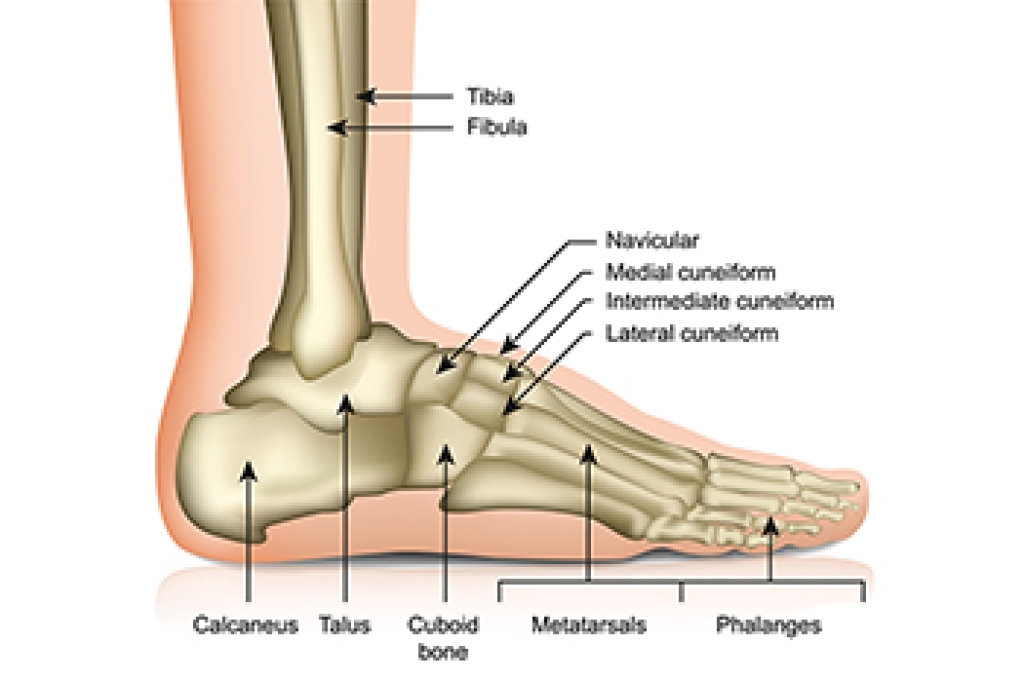
Stress fractures are hairline cracks in bones caused by repetitive stress rather than a sudden injury. Stress fractures, which are common among runners and athletes like basketball players, frequently affect the metatarsals, heel bone, and other weight-bearing bones in the foot and ankle. Symptoms of stress fractures usually start as mild pain during activity and gradually worsen, potentially leading to discomfort, even at rest. Contributing factors include sudden increases in activity levels, wearing improper footwear, or poor bone health. A podiatrist can diagnose stress fractures through imaging tests like MRI scans, as they are difficult to detect with X-rays. Treatment often involves using a walking boot or cast to immobilize the area and allow the bone to heal. In some cases, crutches may be necessary to reduce weight-bearing. A podiatrist can provide guidance on preventing future fractures by addressing footwear, activity modification, and proper nutrition for bone health. If you have foot pain caused by stress fractures, it is suggested that you schedule an appointment with a podiatrist for an exam and treatment.

Stress fractures occur when there is a tiny crack within a bone. To learn more, contact Dr. Yeon A. Shim from Roselle Podiatry Group. Our doctor can provide the care you need to keep you pain free and on your feet.

How Are They Caused?

Stress fractures are the result of repetitive force being placed on the bone. Since the lower leg and feet often carry most of the body’s weight, stress fractures are likely to occur in these areas. If you rush into a new exercise, you are more likely to develop a stress fracture since you are starting too much, too soon.  Pain resulting from stress fractures may go unnoticed at first, however it may start to worsen over time.

Risk Factors

  • Gender – They are more commonly found in women compared to men.
  • Foot Problems – People with unusual arches in their feet are more likely to develop stress fractures.
  • Certain Sports – Dancers, gymnasts, tennis players, runners, and basketball players are more likely to develop stress fractures.
  • Lack of Nutrients – A lack of vitamin D and calcium may weaken the bones and make you more prone to stress fractures
  • Weak Bones – Osteoporosis can weaken the bones therefore resulting in stress fractures

Stress fractures do not always heal properly, so it is important that you seek help from a podiatrist if you suspect you may have one. Ignoring your stress fracture may cause it to worsen, and you may develop chronic pain as well as additional fractures.

If you have any questions please contact our office located in Roselle, NJ . We offer the newest diagnostic and treatment technologies for all your foot and ankle needs.

Read more about Stress Fractures of the Foot and Ankle

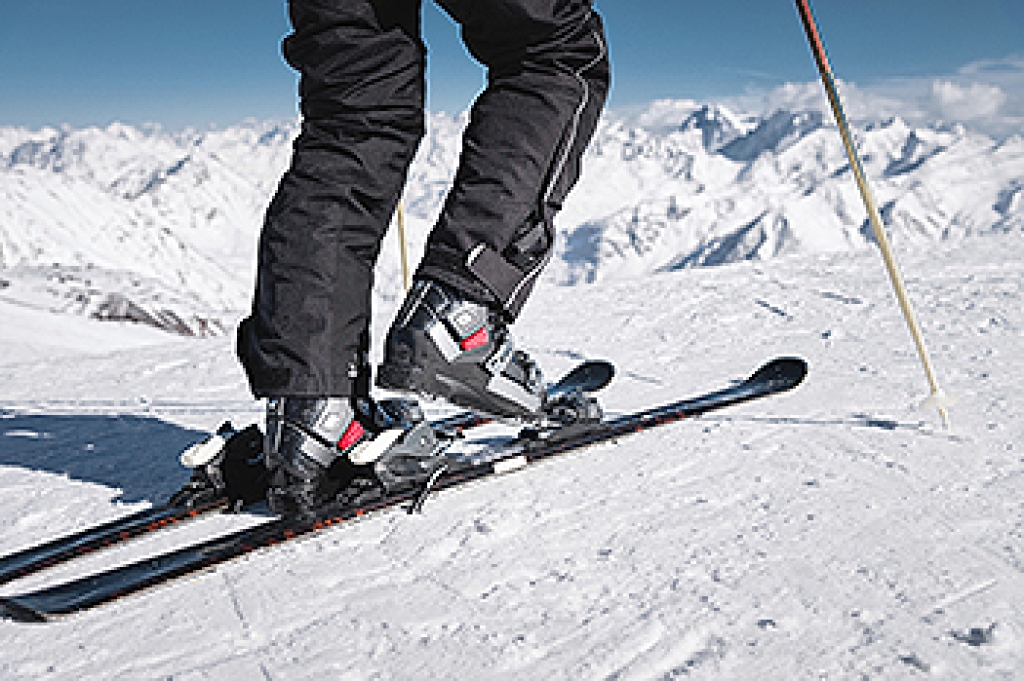
Causes of Foot Pain While Skiing

Foot pain while skiing can be caused by several factors, including improper ski boot fit, lack of foot support, and extended periods of pressure on the feet. Wearing ill-fitting boots that are too tight or too loose can lead to blisters, bruising, or pinching, while poorly aligned boots can strain the feet and ankles. Additionally, skiing for long durations without proper foot care can result in soreness and fatigue. To prevent foot pain, it is vital to ensure that ski boots fit properly and provide adequate support. Custom insoles can help improve comfort and alignment. Taking regular breaks to stretch and relax the feet also helps reduce fatigue. Foot care includes wearing moisture-wicking socks, keeping feet warm and dry, and using foot exercises to maintain flexibility. If you enjoy skiing and have developed foot pain, it is suggested that you consult a podiatrist who can offer effective treatment solutions, and guide you on tips on wearing the right ski boots.

Sports related foot and ankle injuries require proper treatment before players can go back to their regular routines. For more information, contact Dr. Yeon A. Shim of Roselle Podiatry Group. Our doctor can provide the care you need to keep you pain-free and on your feet.

Sports Related Foot and Ankle Injuries

Foot and ankle injuries are a common occurrence when it comes to athletes of any sport. While many athletes dismiss the initial aches and pains, the truth is that ignoring potential foot and ankle injuries can lead to serious problems. As athletes continue to place pressure and strain the area further, a mild injury can turn into something as serious as a rupture and may lead to a permanent disability. There are many factors that contribute to sports related foot and ankle injuries, which include failure to warm up properly, not providing support or wearing bad footwear. Common injuries and conditions athletes face, including:

  • Plantar Fasciitis
  • Achilles Tendinitis
  • Achilles Tendon Rupture
  • Ankle Sprains

Sports related injuries are commonly treated using the RICE method. This includes rest, applying ice to the injured area, compression and elevating the ankle. More serious sprains and injuries may require surgery, which could include arthroscopic and reconstructive surgery. Rehabilitation and therapy may also be required in order to get any recovering athlete to become fully functional again. Any unusual aches and pains an athlete sustains must be evaluated by a licensed, reputable medical professional.

If you have any questions please contact our office located in Roselle, NJ . We offer the newest diagnostic and treatment technologies for all your foot and ankle needs.

Read more about Sports Related Foot and Ankle Injuries
scroll to top