Blog

Anxiety and Depression May Contribute to Hyperhidrosis

Hyperhidrosis is identified as a medical condition which leads to overactive sweat glands, also associated with higher rates of anxiety and even depression in those who are affected. According to a study by the American Academy of Dermatology (AAD), “21 percent of people with hyperhidrosis had anxiety, and 27 percent of people with this ailment had depression.” Hyperhidrosis can occur regardless of factors such as temperature, and can occur in any region of our body. However, in most cases it typically affects the feet, hands, and underarms. Nearly 3 percent of the population is afflicted by this condition.

If you are suffering from hyperhidrosis contact Dr. Yeon A. Shim of Roselle Podiatry Group. Our doctor can provide the care you need to attend to all of your foot and ankle needs.

Hyperhidrosis of the Feet

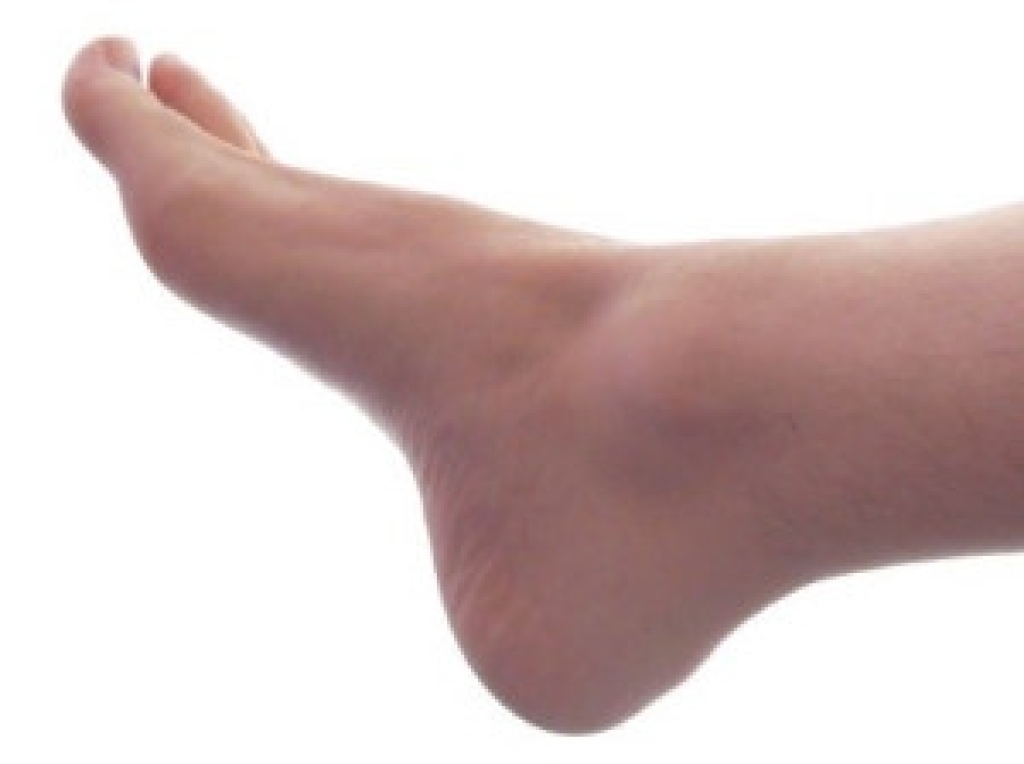
Hyperhidrosis is a rare disorder that can cause people to have excessive sweating of their feet. This can usually occur all on its own without rigorous activity involved. People who suffer from hyperhidrosis may also experience sweaty palms.

Although it is said that sweating is a healthy process meant to cool down the body temperature and to maintain a proper internal temperature, hyperhidrosis may prove to be a huge hindrance on a person’s everyday life.

Plantar hyperhidrosis is considered to be the main form of hyperhidrosis. Secondary hyperhidrosis can refer to sweating that occurs in areas other than the feet or hands and armpits. Often this may be a sign of it being related to another medical condition such as menopause, hyperthyroidism and even Parkinson’s disease.

In order to alleviate this condition, it is important to see your doctor so that they may prescribe the necessary medications so that you can begin to live a normal life again. If this is left untreated, it is said that it will persist throughout an individual’s life.

A last resort approach would be surgery, but it is best to speak with your doctor to find out what may be the best treatment for you.

If you have any questions, please feel free to contact our office located in Roselle, NJ . We offer the newest diagnostic and treatment technologies for all your foot care needs.
Read more about Hyperhidrosis of the Feet

Relieving Cracked Heels

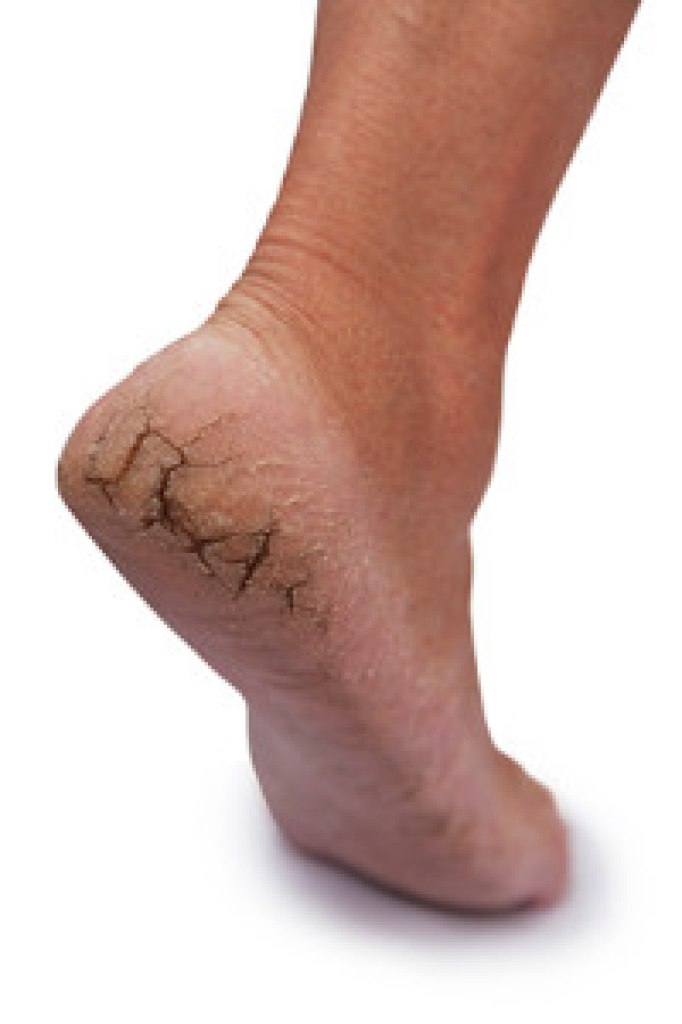
If you have dried, cracked heels, you may also suffer from pain, especially when wearing tight footwear that puts stress on the heels. The following are some home remedies that can be used to treat cracked heels. Cocoa butter and shea butter can both be applied and left on overnight to help nourish dry skin. Additionally, castor oil, another natural moisturizer, contains omega fatty acids that help provide extra hydration. Coconut oil is another remedy that is ideal for any type of dry skin. Vitamin E oil and petroleum jelly are also great for hydrating cracked skin.

Cracked heels are unsightly and can cause further damage to your shoes and feet. If you have any concerns, contact Dr. Yeon A. Shim from Roselle Podiatry Group. Our doctor can provide the care you need to keep you pain-free and on your feet.

Cracked Heels

Cracked heels appear unappealing and can make it harder for you walk around in sandals. Aside from looking unpleasant, cracked heels can also tear stockings, socks, and wear out your shoes. There are several methods to help restore a cracked heel and prevent further damage.

How Do You Get Them?

Dry skin is the number one culprit in creating cracked heels. Many athletes, walkers, joggers, and even swimmers suffer from cracked heels. Age and skin oil production play a role to getting cracked heels as well.

Promote Healing

Over the counter medicines can help, especially for those that need instant relief or who suffer from chronic dry feet.

Wear Socks – Wearing socks with medicated creams helps lock in moisture.

Moisturizers – Applying both day and night will help alleviate dryness which causes cracking.

Pumice Stones – These exfoliate and remove dead skin, which allows for smoother moisturizer application and better absorption into the skin. 

Change in Diet

Eating healthy with a well-balanced diet will give the skin a fresh and radiant look. Your body responds to the kinds of food you ingest. Omega-3 fatty acids and zinc supplements can also revitalize skin tissue.

Most importantly, seek professional help if unsure how to proceed in treating cracked heels. A podiatrist will help you with any questions or information needed. 

If you have any questions, please feel free to contact our office located in Roselle, NJ . We offer the newest diagnostic and treatment technologies for all your foot care needs.

Read more about Solutions for Cracked Heels
scroll to top