
Suffering from this type of pain? You may have the foot condition known as Morton's neuroma. Morton's neuroma may develop as a result of ill-fitting footwear and existing foot deformities. We can help.
Suffering from this type of pain? You may have the foot condition known as Morton's neuroma. Morton's neuroma may develop as a result of ill-fitting footwear and existing foot deformities. We can help.

Research has indicated that it may be beneficial to purchase running shoes that are a half size larger than shoes that are worn for daily activities. When shoes have ample room for the toes and heels to feel comfortable, overall foot fatigue and blisters may be prevented. Additionally, the larger size shoe may accommodate for existing swelling, and can allow for the foot to point and flex while running. It is beneficial to obtain a foot measurement later in the day while the feet are at their largest, as this may be helpful in determining the correct size running shoe to purchase. If you would like more information about how to buy running shoes that fit your feet perfectly, please consult with a podiatrist who can help you to purchase the correct shoes.
You should always make sure your running shoes fit properly in order to avoid injury. For more information, contact Dr. Yeon A. Shim from Roselle Podiatry Group. Our doctor can provide the care you need to keep you pain-free and on your feet.
Choosing the Right Running Shoe for Your Foot Type
Improper shoe sizing can cause a myriad of problems for your feet. Shoes that don’t fit you properly can lead to muscular imbalances in your body, which can result in foot, knee, and hip injuries.
Tips for Finding the Right Running Shoe
If you have any questions, please feel free to contact our office located in Roselle, NJ . We offer the newest diagnostic and treatment technologies for all your foot care needs.
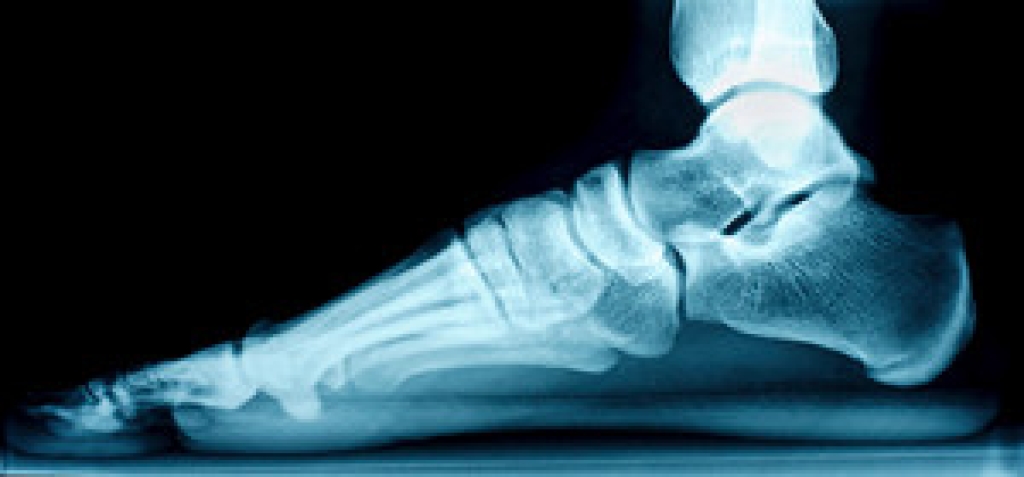 Research has indicated there is a simple process to determine if you have flat feet. This is done by standing on a hard surface, and observing if your entire foot lies flat on the ground. When the inside of the foot is slightly elevated, it typically indicates that arches are present. There are common symptoms that are often associated with flat feet. These can include general foot pain and fatigue, increased risk of ankle injuries, and it may be difficult to balance and walk. It may be beneficial to wear orthotics which can help to support your feet and help to diminish aches and pains. If you have been born with flat feet, or have incurred this condition from an injury, it is strongly suggested that you are under the care of a podiatrist.
Flatfoot is a condition many people suffer from. If you have flat feet, contact Dr. Yeon A. Shim from Roselle Podiatry Group. Our doctor will treat your foot and ankle needs.
What Are Flat Feet?
Flatfoot is a condition in which the arch of the foot is depressed and the sole of the foot is almost completely in contact with the ground. About 20-30% of the population generally has flat feet because their arches never formed during growth.
Conditions & Problems:
Having flat feet makes it difficult to run or walk because of the stress placed on the ankles.
Alignment – The general alignment of your legs can be disrupted, because the ankles move inward which can cause major discomfort.
Knees – If you have complications with your knees, flat feet can be a contributor to arthritis in that area.
Symptoms
Treatment
If you are experiencing pain and stress on the foot you may weaken the posterior tibial tendon, which runs around the inside of the ankle.
If you have any questions, please feel free to contact our office located in Roselle, NJ . We offer the newest diagnostic and treatment technologies for all your foot care needs.
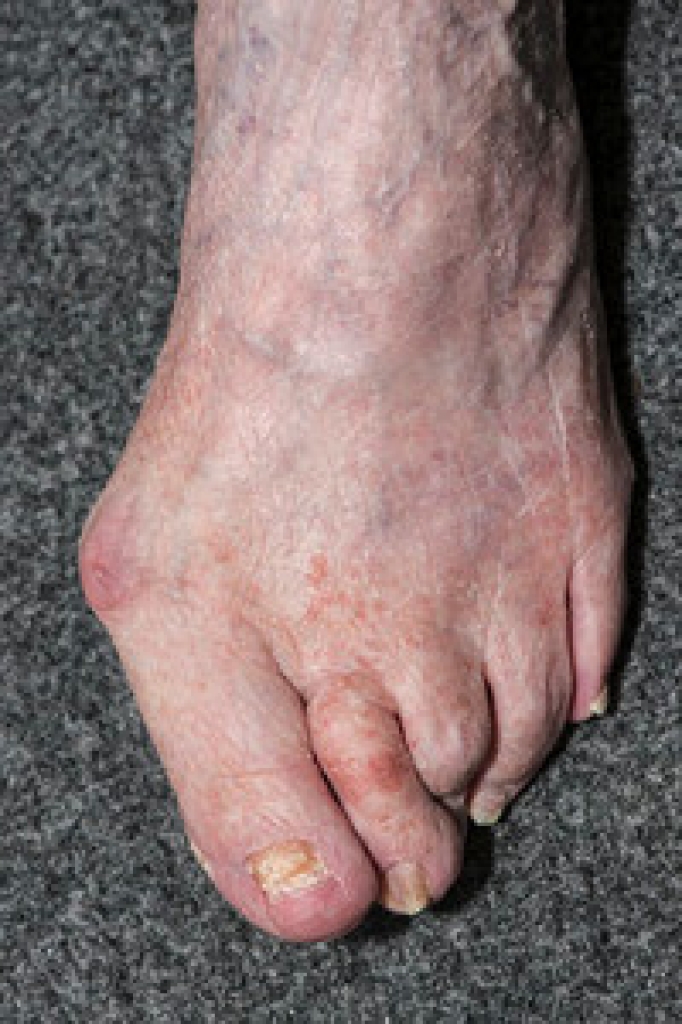 Patients who have bunions are generally aware of the pain and discomfort they may cause while wearing shoes. It is defined as a small bony growth that gradually forms on the side of the big toe, and can come from wearing shoes that do not have adequate room for the toes to move freely in. Additionally, genetic factors may play a significant role in the development of a bunion. There are noticeable symptoms that are often associated with bunions. These can include calluses that can develop on top of the bunion, and the big toe may point toward the other toes. Relief may be found when larger shoes are worn that can accommodate the protruding bone, in addition to wearing a pad over the affected area. In severe cases, surgery may be an option to consider for permanent removal. If you have developed a bunion, please consult with a podiatrist who can properly diagnose this condition and determine what the best treatment is for you.
If you are suffering from bunion pain, contact Dr. Yeon A. Shim of Roselle Podiatry Group. Our doctor can provide the care you need to keep you pain-free and on your feet.
What Is a Bunion?
Bunions are painful bony bumps that usually develop on the inside of the foot at the joint of the big toe. As the deformity increases over time, it may become painful to walk and wear shoes. Women are more likely to exacerbate existing bunions since they often wear tight, narrow shoes that shift their toes together. Bunion pain can be relieved by wearing wider shoes with enough room for the toes.
Causes
Symptoms
In order to diagnose your bunion, your podiatrist may ask about your medical history, symptoms, and general health. Your doctor might also order an x-ray to take a closer look at your feet. Nonsurgical treatment options include orthotics, padding, icing, changes in footwear, and medication. If nonsurgical treatments don’t alleviate your bunion pain, surgery may be necessary.
If you have any questions, please feel free to contact our office located in Roselle, NJ . We offer the newest diagnostic and treatment technologies for all your foot care needs.

Plantar warts are small growths that develop on parts of the feet that bear weight. They're typically found on the bottom of the foot. Don't live with plantar warts, and call us today!

