Blog

Treating Foot Pain From Arthritis

Arthritis can cause significant pain and stiffness in the feet, toes, and ankles, affecting mobility and balance. Over time, inflammation can damage joints, ligaments, and tendons, leading to deformities such as bunions, claw toes, or a collapsed arch. Foot pain from arthritis often feels worse during movement or while standing for long periods of time, and the joints may appear swollen or warm. A podiatrist can evaluate the affected areas and determine whether the discomfort is due to mechanical strain, inflammation, or joint damage. Custom orthotics are often used to reduce pressure points and improve alignment, while supportive shoes with firm soles or rocker bottoms can ease pain during walking. In severe cases, surgery may be recommended to correct deformities, stabilize joints, or relieve pressure on affected structures. If you have foot pain related to arthritis, it is suggested that you schedule an appointment with a podiatrist for a diagnosis and suggested treatment.

Arthritis can be a difficult condition to live with. If you are seeking treatment, contact Dr. Yeon A. Shim from Roselle Podiatry Group. Our doctor can provide the care you need to keep you pain-free and on your feet.

Arthritic Foot Care  

Arthritis is a term that is commonly used to describe joint pain.  The condition itself can occur to anyone of any age, race, or gender, and there are over 100 types of it.  Nevertheless, arthritis is more commonly found in women compared to men, and it is also more prevalent in those who are overweight. The causes of arthritis vary depending on which type of arthritis you have. Osteoarthritis for example, is often caused by injury, while rheumatoid arthritis is caused by a misdirected immune system.

Symptoms

  • Swelling
  • Pain
  • Stiffness
  • Decreased Range of Motion

Arthritic symptoms range in severity, and they may come and go. Some symptoms stay the same for several years but could potentially get worse with time. Severe cases of arthritis can prevent its sufferers from performing daily activities and make walking difficult.

Risk Factors

  • Occupation – Occupations requiring repetitive knee movements have been linked to osteoarthritis
  • Obesity – Excess weight can contribute to osteoarthritis development
  • Infection – Microbial agents can infect the joints and trigger arthritis
  • Joint Injuries – Damage to joints may lead to osteoarthritis
  • Age – Risk increases with age
  • Gender –Most types are more common in women
  • Genetics – Arthritis can be hereditary

If you suspect your arthritis is affecting your feet, it is crucial that you see a podiatrist immediately. Your doctor will be able to address your specific case and help you decide which treatment method is best for you.

If you have any questions please feel free to contact our office located in Roselle, NJ . We offer the newest diagnostic tools and technology to treat your foot and ankle needs.

Read more about How to Care for Your Arthritic Foot

Various Parts of the Foot

The biomechanics of the foot describe how the foot moves and absorbs force with each step. When the foot lands, it must support the body’s weight, adapt to the ground, and push off smoothly for the next step. This process relies on many small bones working together with muscles, ligaments, and tendons to create balance and stability. If any part of this system is not functioning properly, it can lead to pain, poor alignment, or strain in the ankles, knees, hips, or lower back. A podiatrist can evaluate your gait, identify imbalances, and recommend treatments or custom orthotics that improve how your foot moves. If you have foot pain or are noticing changes in the way you walk, it is suggested that you consult a podiatrist who can treat various foot conditions.

If you have any concerns about your feet, contact Dr. Yeon A. Shim from Roselle Podiatry Group. Our doctor can provide the care you need to keep you pain-free and on your feet.

Biomechanics in Podiatry

Podiatric biomechanics is a particular sector of specialty podiatry with licensed practitioners who are trained to diagnose and treat conditions affecting the foot, ankle and lower leg. Biomechanics deals with the forces that act against the body, causing an interference with the biological structures. It focuses on the movement of the ankle, the foot and the forces that interact with them.

A History of Biomechanics

  • Biomechanics dates back to the BC era in Egypt where evidence of professional foot care has been recorded.
  • In 1974, biomechanics gained a higher profile from the studies of Merton Root, who claimed that by changing or controlling the forces between the ankle and the foot, corrections or conditions could be implemented to gain strength and coordination in the area.

Modern technological improvements are based on past theories and therapeutic processes that provide a better understanding of podiatric concepts for biomechanics. Computers can provide accurate information about the forces and patterns of the feet and lower legs.

Understanding biomechanics of the feet can help improve and eliminate pain, stopping further stress to the foot.

If you have any questions please feel free to contact our office located in Roselle, NJ . We offer the newest diagnostic and treatment technologies for all your foot and ankle needs.

Read more about Biomechanics in Podiatry

Plantar Warts Can Be Treated!

Plantar warts are small growths that develop on parts of the feet that bear weight. They're typically found on the bottom of the foot. Don't live with plantar warts, and call us today!

Understanding Flat Feet and Fallen Arches

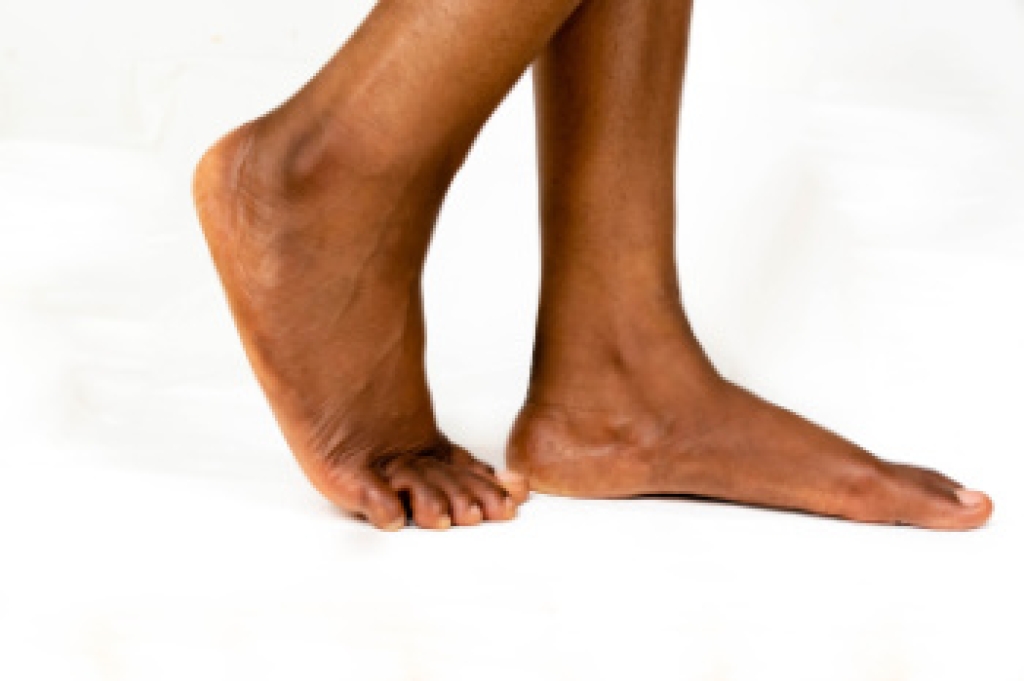
Flat feet and fallen arches can affect balance, comfort, and the way pressure moves across the feet with each step. Some people are born with low arches while others develop them over time, due to aging, injury, excess weight, or weakened tendons. When the arch flattens, the feet may feel tired, achy, or unstable, especially after long periods of standing or walking. Swelling along the inner side of the foot or ankle can appear, and shoes may wear down unevenly. Some individuals notice discomfort in the knees, hips, or lower back because the body begins to compensate for the altered foot structure. Paying attention to these changes supports long-term mobility and reduces strain on joints. If you have persistent foot fatigue, pain, or difficulty with stability, it is suggested that you see a podiatrist for effective management tips.

Flatfoot is a condition many people suffer from. If you have flat feet, contact Dr. Yeon A. Shim from Roselle Podiatry Group. Our doctor will treat your foot and ankle needs.

What Are Flat Feet?

Flatfoot is a condition in which the arch of the foot is depressed and the sole of the foot is almost completely in contact with the ground. About 20-30% of the population generally has flat feet because their arches never formed during growth.

Conditions & Problems:

Having flat feet makes it difficult to run or walk because of the stress placed on the ankles.

Alignment – The general alignment of your legs can be disrupted, because the ankles move inward which can cause major discomfort.

Knees – If you have complications with your knees, flat feet can be a contributor to arthritis in that area.  

Symptoms

  • Pain around the heel or arch area
  • Trouble standing on the tip toe
  • Swelling around the inside of the ankle
  • Flat look to one or both feet
  • Having your shoes feel uneven when worn

Treatment

If you are experiencing pain and stress on the foot you may weaken the posterior tibial tendon, which runs around the inside of the ankle. 

If you have any questions, please feel free to contact our office located in Roselle, NJ . We offer the newest diagnostic and treatment technologies for all your foot care needs.

Read more about Flat Feet

Common Foot Troubles Runners Need to Watch For

Runners push their feet through repetitive impact, quick transitions, and changing terrains, which makes certain running injuries more likely to develop. Sore arches, tight calves, and aching heels are common early signs that the tissues are working harder than they should. Over time, this strain can lead to plantar fasciitis, stress reactions in the bones, tendon irritation, or painful blisters that make every step feel more demanding. Some runners also notice numbness, burning, or tingling when shoes are too tight or if the foot structure needs more support. These issues often start small, but can quickly disrupt training if ignored. Paying attention to shoe fit, gradually increasing mileage, and allowing proper recovery between runs can make a significant difference. Listening to early symptoms helps prevent long-term injury and keeps running enjoyable. If discomfort persists, interferes with your stride, or continues after rest, it is suggested that you see a podiatrist for evaluation and appropriate care.

Exercising your feet regularly with the proper foot wear is a great way to prevent injuries. If you have any concerns about your feet, contact Dr. Yeon A. Shim of Roselle Podiatry Group. Our doctor will treat your foot and ankle needs.

How to Prevent Running Injuries

Many common running injuries are caused by overuse and overtraining. When the back of the kneecap starts wearing out and starts causing pain in your knee, this is commonly referred to as runner’s knee. Runner’s knee is a decrease in strength in your quadriceps and can occur if you’re not wearing properly fitted or supporting shoes. To prevent runner’s knee, focusing on hip strengthening is a good idea, as well as strengthening your quads to keep the kneecaps aligned.

What Are Some Causes of Running Injuries? 
- One cause of a common running injury is called iliotibial band syndrome.
- Plantar fasciitis is also another common injury.
- Stress fractures can occur from overtraining, lack of calcium, or even your running style.

Best Ways to Prevent Running Injuries
- Wear footwear that fits properly and suits your running needs.
- Running shoes are the only protective gear that runners have to safeguard them from injury.
- Make a training schedule. Adding strengthening exercises as well as regular stretching can help keep you strong and limber and can lessen the possibility of injuries.
- Stretching keeps muscles limber; this will help you gain better flexibility.

If you have any questions, please feel free to contact our office located in Roselle, NJ . We offer the newest diagnostic and treatment technologies for all your foot care needs.

Read more about How to Prevent Running Injuries
scroll to top