Blog

Common Causes of Blisters

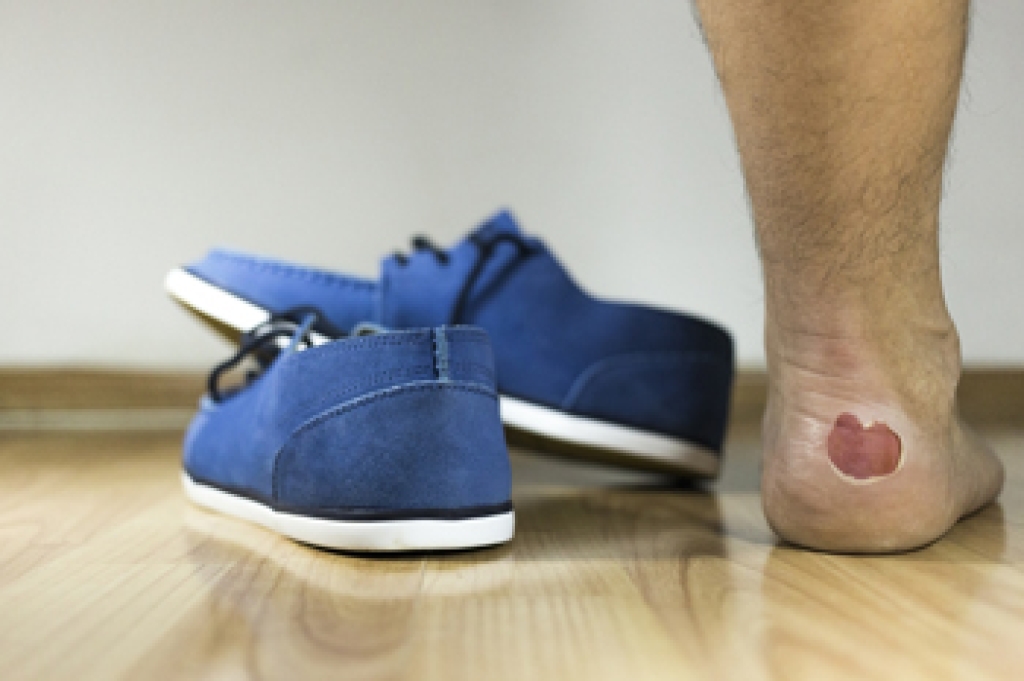
Blisters on the feet are most commonly caused by excess friction. This friction may come from wearing shoes and socks that are too tight, which may rub on different parts of the foot. When this occurs, the top layer of the skin becomes damaged, and a small pocket of fluid develops over it. This is the body’s natural form of protection as the healing process begins. The blister will gradually drain once new skin has formed. It may be beneficial to wear socks that can absorb moisture and sweat from your feet, in addition to choosing shoes that fit correctly. There are several ways to treat blisters on your feet. To help determine the best option for you, it is suggested that you consult with a podiatrist.

Blisters are prone to making everyday activities extremely uncomfortable. If your feet are hurting, contact Dr. Yeon A. Shim of Roselle Podiatry Group. Our doctor can provide the care you need to keep you pain-free and on your feet.

Foot Blisters

Foot blisters develop as a result of constantly wearing tight or ill-fitting footwear. This happens due to the constant rubbing from the shoe, which can often lead to pain.

What Are Foot Blisters?

A foot blister is a small fluid-filled pocket that forms on the upper-most layer of the skin. Blisters are filled with clear fluid and can lead to blood drainage or pus if the area becomes infected.

How Do Blisters Form?

Blisters on the feet are often the result of constant friction of skin and material, usually by shoe rubbing. Walking in sandals, boots, or shoes that don’t fit properly for long periods of time can result in a blister. Having consistent foot moisture and humidity can easily lead to blister formation.

Prevention & Treatment

It is important to properly care for the affected area in order to prevent infection and ease the pain. Do not lance the blister and use a Band-Aid to provide pain relief. Also, be sure to keep your feet dry and wear proper fitting shoes. If you see blood or pus in a blister, seek assistance from a podiatrist.

If you have any questions, please feel free to contact our office located in Roselle, NJ . We offer the newest diagnostic and treatment technologies for all your foot care needs.
Read more about Blisters

Possible Causes of an Ingrown Toenail

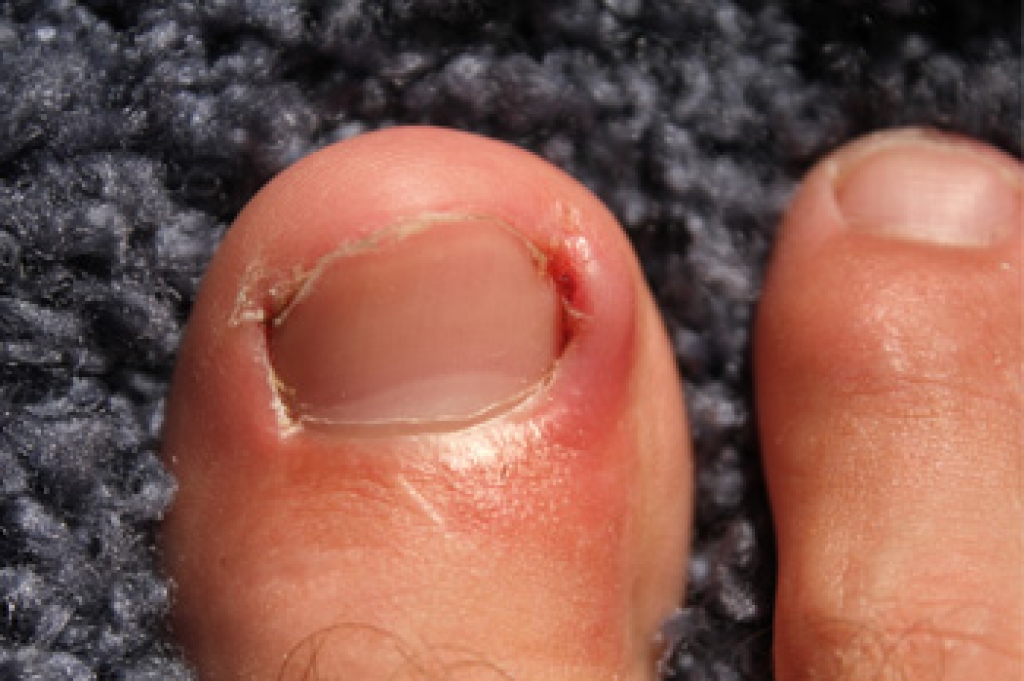
Patients who have experienced an ingrown toenail are often aware of the pain and discomfort that typically accompanies this condition. It happens when the nail grows into the outer edges of the surrounding skin, generally affecting the big toe. There are several reasons why this may occur. These can consist of trimming the toenails incorrectly, and wearing shoes that do not have adequate room for the toes to move freely in. Additionally, this ailment may occur if there has been a toe injury. Moderate relief may be found when the foot is soaked in warm water, as this may help to soften the affected area. If the toenail becomes infected, it is suggested that you seek the counsel of a podiatrist as soon as possible, so they can properly diagnose this condition and begin the correct treatment.

Ingrown toenails may initially present themselves as a minor discomfort, but they may progress into an infection in the skin without proper treatment. For more information about ingrown toenails, contact Dr. Yeon A. Shim of Roselle Podiatry Group. Our doctor can provide the care you need to keep you pain-free and on your feet.

Ingrown Toenails

Ingrown toenails are caused when the corner or side of a toenail grows into the soft flesh surrounding it. They often result in redness, swelling, pain, and in some cases, infection. This condition typically affects the big toe and may recur if it is not treated properly.

Causes

  • Improper toenail trimming
  • Genetics
  • Improper shoe fitting
  • Injury from pedicures or nail picking
  • Abnormal gait
  • Poor hygiene

You are more likely to develop an ingrown toenail if you are obese, have diabetes, arthritis, or have any fungal infection in your nails. Additionally, people who have foot or toe deformities are at a higher risk of developing an ingrown toenail.

Symptoms

Some symptoms of ingrown toenails are redness, swelling, and pain. In rare cases, there may be a yellowish drainage coming from the nail.

Treatment

Ignoring an ingrown toenail can have serious complications. Infections of the nail border can progress to a deeper soft-tissue infection, which can then turn into a bone infection. You should always speak with your podiatrist if you suspect you have an ingrown toenail, especially if you have diabetes or poor circulation.

If you have any questions, please feel free to contact our office located in Roselle, NJ . We offer the newest diagnostic and treatment technologies for all your foot care needs.
Read more about Ingrown Toenails

Signs You May Have Developed Sesamoiditis

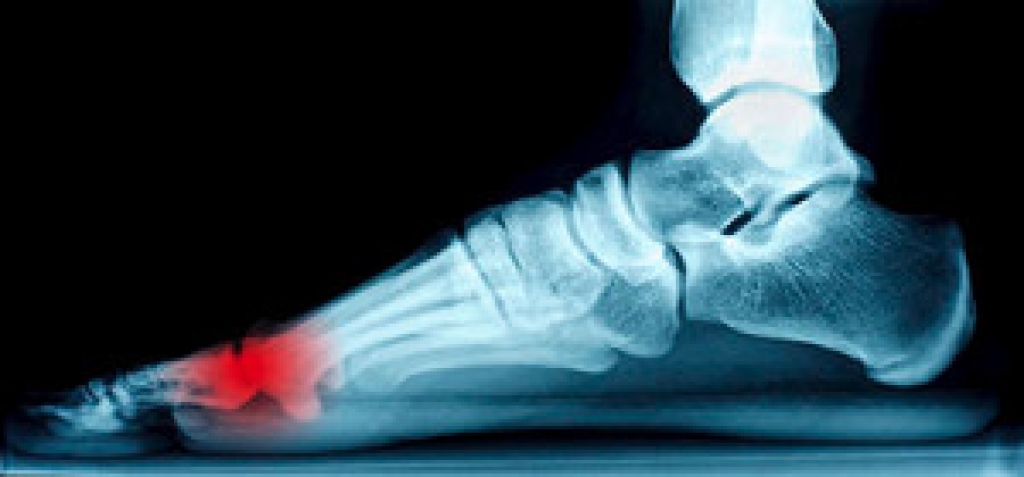
Sesamoiditis may occur when the sesamoid bones in the feet become inflamed. This condition can be incredibly uncomfortable and can cause pain that is typically felt in the ball of the foot. This condition is common among dancers, joggers, those who frequently wear high heels, as well as those who have high-arched feet. Along with feeling pain towards the forefront of the affected foot, you may also notice swelling and redness around the affected area. Custom orthotics can be worn as a means to alleviate pain and reduce pressure. For a proper diagnosis and treatment options, it is suggested that you contact a podiatrist if you feel that you are afflicted with sesamoiditis.

Sesamoiditis is an unpleasant foot condition characterized by pain in the balls of the feet. If you think you’re struggling with sesamoiditis, contact Dr. Yeon A. Shim of Roselle Podiatry Group. Our doctor will treat your condition thoroughly and effectively.

Sesamoiditis

Sesamoiditis is a condition of the foot that affects the ball of the foot. It is more common in younger people than it is in older people. It can also occur with people who have begun a new exercise program, since their bodies are adjusting to the new physical regimen. Pain may also be caused by the inflammation of tendons surrounding the bones. It is important to seek treatment in its early stages because if you ignore the pain, this condition can lead to more serious problems such as severe irritation and bone fractures.

Causes of Sesamoiditis

  • Sudden increase in activity
  • Increase in physically strenuous movement without a proper warm up or build up
  • Foot structure: those who have smaller, bonier feet or those with a high arch may be more susceptible

Treatment for sesamoiditis is non-invasive and simple. Doctors may recommend a strict rest period where the patient forgoes most physical activity. This will help give the patient time to heal their feet through limited activity. For serious cases, it is best to speak with your doctor to determine a treatment option that will help your specific needs.

If you have any questions, please feel free to contact our office located in Roselle, NJ . We offer the newest diagnostic and treatment technologies for all your foot care needs.

Read more about Sesamoiditis

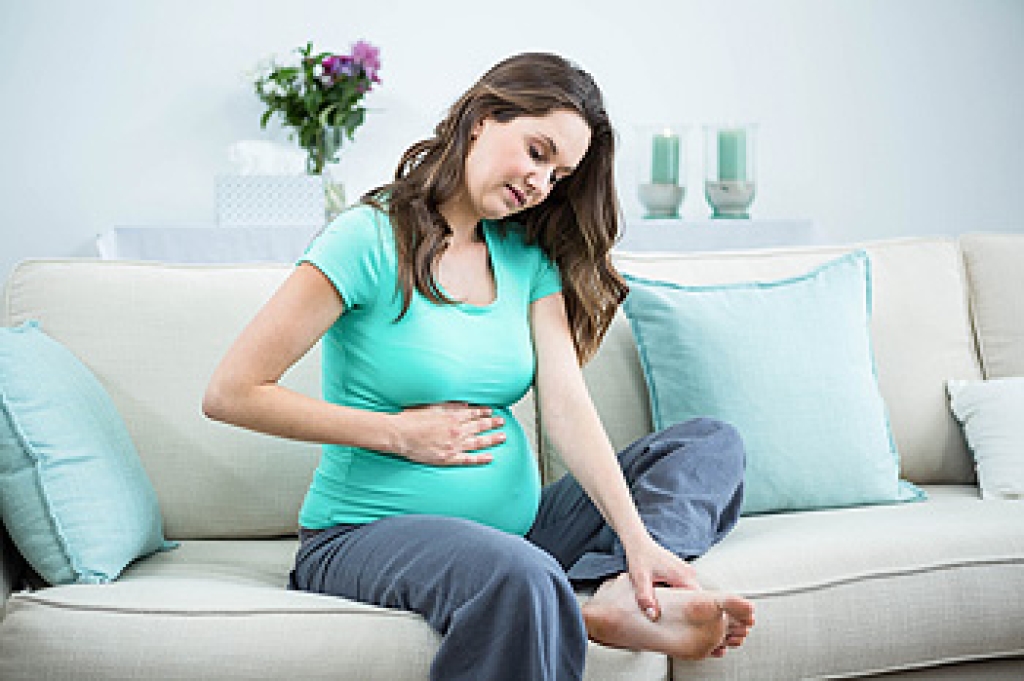
What Changes to the Feet Does Pregnancy Bring?

Women notice their bodies go through several changes during pregnancy. The feet are often affected, which may be a result of the additional weight the feet must support. A common foot condition that pregnancy often leads to is called flat feet. This ailment can cause general pain and discomfort, and may be diminished when the correct shoes are worn. Additionally, many pregnant women notice their feet become swollen, and it may help to elevate them as frequently as possible during the day. The painful skin condition that is known as cracked heels can be controlled by wearing shoes that have a closed back, and to refrain from standing for the majority of the day. If you would like additional information about how pregnancy affects the feet, please consult with a podiatrist.

Pregnant women with swollen feet can be treated with a variety of different methods that are readily available. For more information about other cures for swollen feet during pregnancy, consult with Dr. Yeon A. Shim from Roselle Podiatry Group. Our doctor will attend to all of your foot and ankle needs.

What Foot Problems Can Arise During Pregnancy?

One problem that can occur is overpronation, which occurs when the arch of the foot flattens and tends to roll inward.  This can cause pain and discomfort in your heels while you’re walking or even just standing up, trying to support your baby.  

Another problem is edema, or swelling in the extremities. This often affects the feet during pregnancy but tends to occur in the later stages. 

How Can I Keep My Feet Healthy During Pregnancy?

  • Wearing orthotics can provide extra support for the feet and help distribute weight evenly
  • Minimize the amount of time spent walking barefoot
  • Wear shoes with good arch support
  • Wear shoes that allow for good circulation to the feet
  • Elevate feet if you experience swelling
  • Massage your feet
  • Get regular, light exercise, such as walking, to promote blood circulation to the feet

If you have any questions, please feel free to contact our office located in Roselle, NJ . We offer the newest diagnostic and treatment technologies for all your foot care needs.

Read more about Pregnancy and Foot Health
scroll to top