Blog

What Can I Do About Tarsal Tunnel Syndrome?

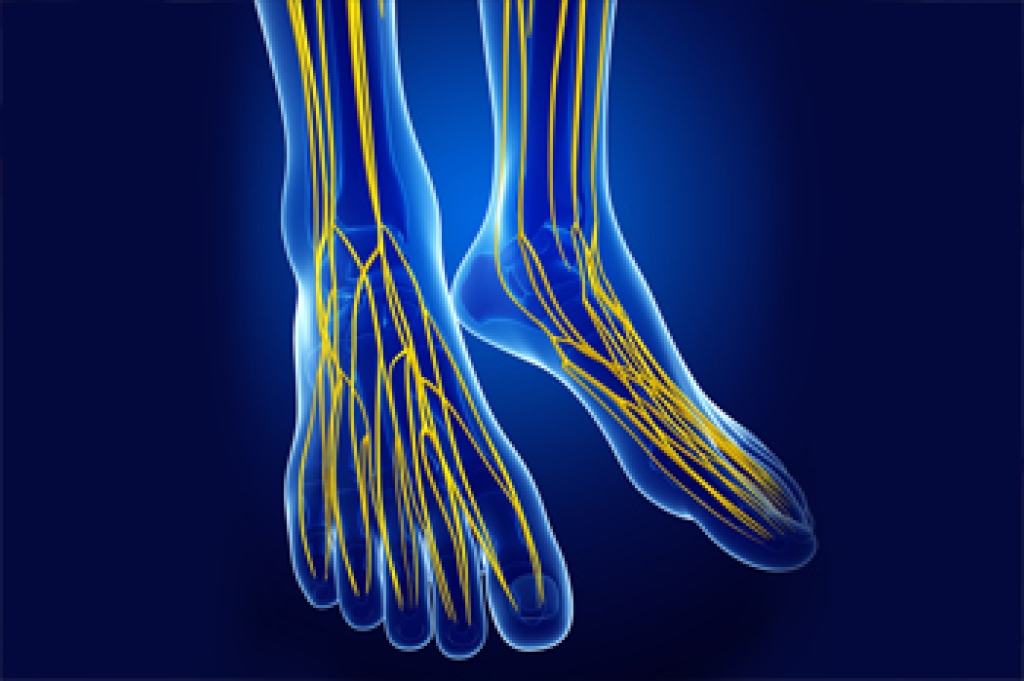
Tarsal tunnel syndrome is a nerve disorder in which the posterior tibial nerve, located near the heel of the foot, is compressed. This is usually caused by participating in repetitive activities, such as running or jumping, that put stress on the nerve and surrounding areas.  However, it can also be the result of a trauma, having flat feet, or being overweight. Tarsal tunnel syndrome causes foot and ankle pain, burning, tingling, and numbness. The pain usually worsens while walking and can improve with rest. There are several treatments for tarsal tunnel syndrome, including resting and icing the affected leg, taking oral pain medications, injecting steroids into the area, immobilizing the leg, wearing an orthotic, or physical therapy. In more severe cases, surgery may be needed to decompress the posterior tibial nerve. If you are experiencing the symptoms of tarsal tunnel syndrome, please seek the care of a podiatrist.

Tarsal tunnel syndrome can be very uncomfortable to live with. If you are experiencing tarsal tunnel syndrome, contact Dr. Yeon A. Shim of Roselle Podiatry Group. Our doctor can provide the care you need to keep you pain-free and on your feet.

Tarsal Tunnel Syndrome

Tarsal tunnel syndrome, which can also be called tibial nerve dysfunction, is an uncommon condition of misfiring peripheral nerves in the foot. The tibial nerve is the peripheral nerve in the leg responsible for sensation and movement of the foot and calf muscles. In tarsal tunnel syndrome, the tibial nerve is damaged, causing problems with movement and feeling in the foot of the affected leg.

Common Cause of Tarsal Tunnel Syndrome

  • Involves pressure or an injury, direct pressure on the tibial nerve for an extended period of time, sometimes caused by other body structures close by or near the knee.
  • Diseases that damage nerves, including diabetes, may cause tarsal tunnel syndrome.
  • At times, tarsal tunnel syndrome can appear without an obvious cause in some cases.

The Effects of Tarsal Tunnel Syndrome

  • Different sensations, an afflicted person may experience pain, tingling, burning or other unusual sensations in the foot of the affected leg.
  • The foot muscles, toes and ankle become weaker, and curling your toes or flexing your foot can become difficult.
  • If condition worsens, infections and ulcers may develop on the foot that is experiencing the syndrome.

A physical exam of the leg can help identify the presence of tarsal tunnel syndrome. Medical tests, such as a nerve biopsy, are also used to diagnose the condition. Patients may receive physical therapy and prescriptive medication. In extreme cases, some may require surgery.

If you have any questions please contact our office located in Roselle, NJ . We offer the newest diagnostic and treatment technologies for all your foot and ankle needs.

Read more about Tarsal Tunnel Syndrome

Football and Ankle Sprains

Did you know that up to 39% of college football players endure ankle sprains? The statistics are not much better for high school football players - they account for 24% of all ankle sprains seen among high school athletes. An ankle sprain occurs when one or more ligaments in the ankle are overstretched or torn. This causes symptoms such as bruising, pain, swelling, tenderness, inflammation, and an inability to bear weight on the affected foot. If not allotted the proper time to rest and recover, the ankle sprain may become recurrent and lead to chronic ankle instability. Football players can take extra precautions to prevent ankle sprains by warming up prior to practicing or playing, wearing proper footwear that supports the ankles, and by resting when feeling fatigued. For more information about preventing ankle sprains, please consult with a podiatrist.

Sports related foot and ankle injuries require proper treatment before players can go back to their regular routines. For more information, contact Dr. Yeon A. Shim of Roselle Podiatry Group. Our doctor can provide the care you need to keep you pain-free and on your feet.

Sports Related Foot and Ankle Injuries

Foot and ankle injuries are a common occurrence when it comes to athletes of any sport. While many athletes dismiss the initial aches and pains, the truth is that ignoring potential foot and ankle injuries can lead to serious problems. As athletes continue to place pressure and strain the area further, a mild injury can turn into something as serious as a rupture and may lead to a permanent disability. There are many factors that contribute to sports related foot and ankle injuries, which include failure to warm up properly, not providing support or wearing bad footwear. Common injuries and conditions athletes face, including:

  • Plantar Fasciitis
  • Achilles Tendinitis
  • Achilles Tendon Rupture
  • Ankle Sprains

Sports related injuries are commonly treated using the RICE method. This includes rest, applying ice to the injured area, compression and elevating the ankle. More serious sprains and injuries may require surgery, which could include arthroscopic and reconstructive surgery. Rehabilitation and therapy may also be required in order to get any recovering athlete to become fully functional again. Any unusual aches and pains an athlete sustains must be evaluated by a licensed, reputable medical professional.

If you have any questions please contact our office located in Roselle, NJ . We offer the newest diagnostic and treatment technologies for all your foot and ankle needs.
Read more about Sports Related Foot and Ankle Injuries

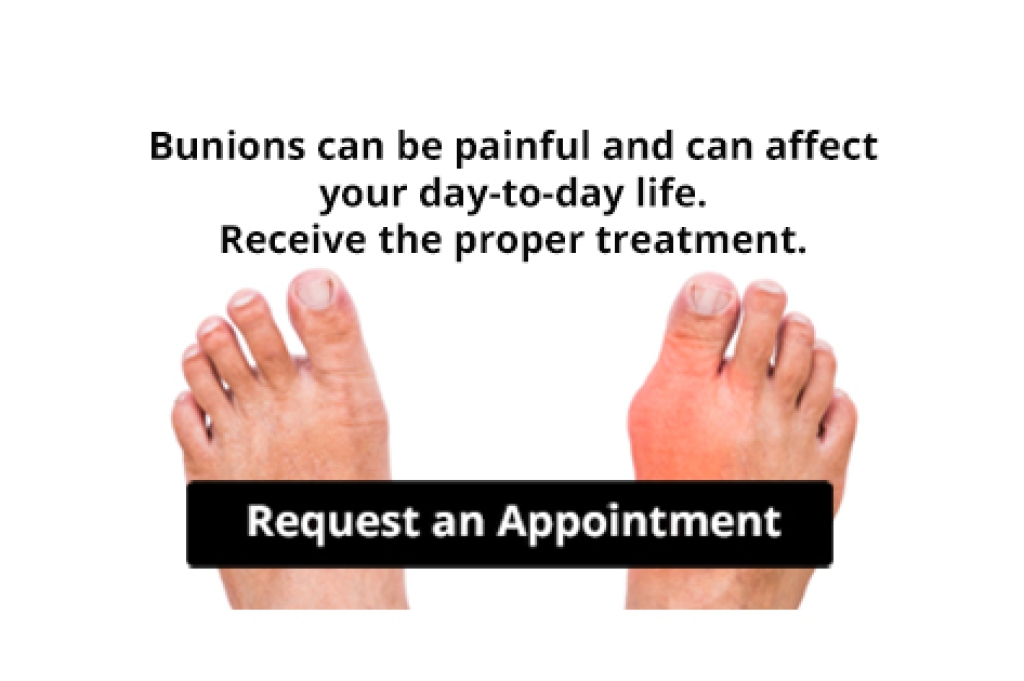
Are Bunions Affecting Your Everyday Life?

Have you noticed a bony protrusion on the side of your big toe? If so, you may have developed the foot condition known as a bunion. Don't let bunions interfere with your daily activities.

How You Walk as an Older Adult Matters

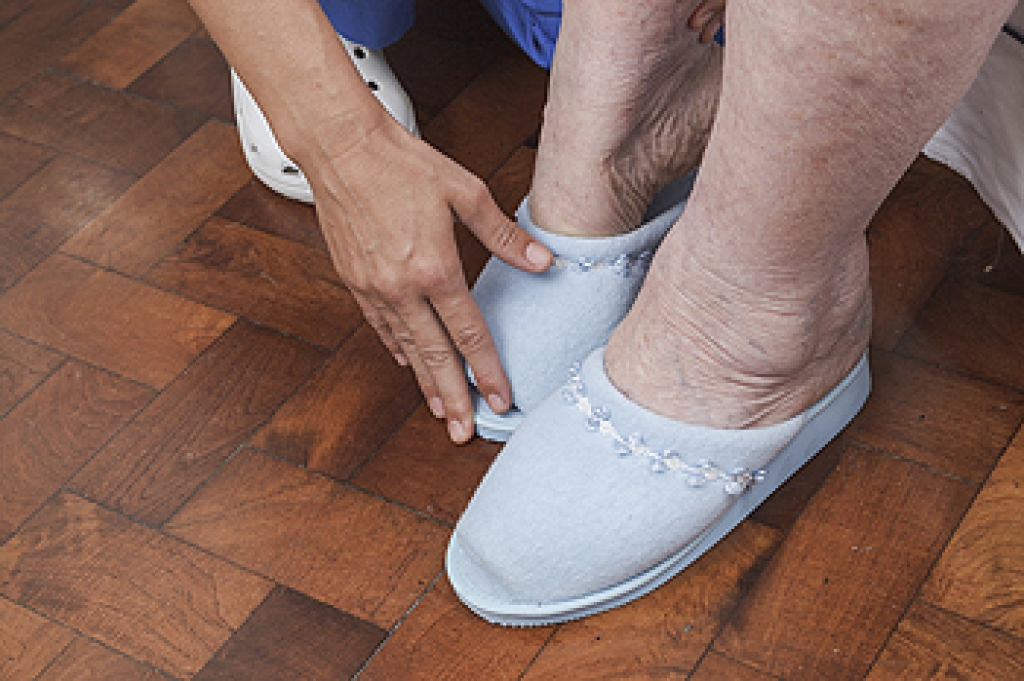
Keeping your body as strong as possible as you age goes a long way in helping you to maintain proper balance and reducing the risk of falling or adding undue stress on certain parts of your body. A podiatrist can do a physical examination of you and also conduct a gait analysis—which assesses the mechanics of how you walk and detects any irregularities which may negatively affect your balance and stride. Certain exercises, or specific treatments and therapies to correct gait abnormalities may be part of your wellness plan. With the help of a podiatrist, you can take the right steps in improving balance and strengthening muscles in the feet and legs to help you stay independent and mobile for as long as possible.

If you need your feet checked, contact Dr. Yeon A. Shim of Roselle Podiatry Group. Our doctor will attend to all of your foot and ankle needs and provide you with quality treatment.

Geriatrics and Podiatry
When people age, some common issues that may occur are bone density loss, dry skin, poor circulation, and rough brittle nails. These issues may also affect your foot health if the necessary steps are not taken to alleviate the problems.

It is important to take care of your feet because feet that are injured or diseased can affect your overall health. Having painful feet hinders your ability to do daily activities or may decrease your willingness to do the things that you need to do.

Visiting Your Geriatrician
As we age, health problems become more likely, so it is essential to visit your doctor for check-ups to ensure that you are doing the best you can to take care of your health. It is recommended to check your feet frequently for any possible cuts, bruises, swelling, corns or any other irregularities. 

Taking Care of Elderly Feet
Cracked or dry feet can be treated by applying moisturizer often. It is also important not to wear old socks because the older the sock is, the higher the possibility there will be that there is bacteria there. Wear fresh socks and make sure they fit properly.

Proper foot health means that you can have a more active lifestyle and you will not be bogged down by pain. Foot health also leads to good circulation, which is paramount for overall health.

If you have any questions, please feel free to contact our office located in Roselle, NJ . We offer the newest diagnostic and treatment technologies for all your foot care needs.

Read more about Geriatrics and Podiatry

What to Do When Foot Wounds Won’t Heal

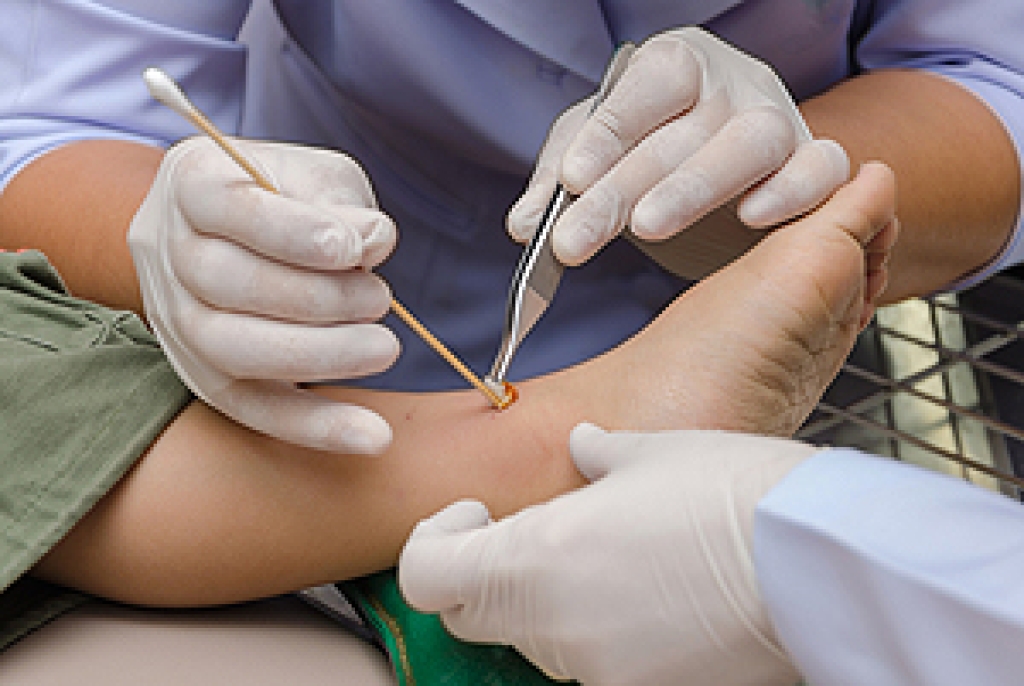
Foot wounds, or ulcers, occur when the outer layers of the skin are damaged, thus exposing the deeper tissues of the feet. Ulcers can form due to wearing shoes that don’t fit correctly or from an injury that breaks the skin. Ulcers are most common in patients who have diabetes, neuropathy or vascular disease, and these open wounds can become infected if left untreated. While the wounds may not be painful, common signs include redness, inflammation, an odor, or thickened tissue. Patients who are at a higher risk for foot wounds, or have wounds that don’t heal, should consult with a podiatrist. Usually, a podiatrist will remove the unhealthy skin to assist with healing. Then, depending on the situation, special shoe padding, antibiotics, or surgery may be recommended for treating the wound.

Wound care is an important part in dealing with diabetes. If you have diabetes and a foot wound or would like more information about wound care for diabetics, consult with Dr. Yeon A. Shim from Roselle Podiatry Group. Our doctor will assess your condition and provide you with quality foot and ankle treatment.

What Is Wound Care?

Wound care is the practice of taking proper care of a wound. This can range from the smallest to the largest of wounds. While everyone can benefit from proper wound care, it is much more important for diabetics. Diabetics often suffer from poor blood circulation which causes wounds to heal much slower than they would in a non-diabetic. 

What Is the Importance of Wound Care?

While it may not seem apparent with small ulcers on the foot, for diabetics, any size ulcer can become infected. Diabetics often also suffer from neuropathy, or nerve loss. This means they might not even feel when they have an ulcer on their foot. If the wound becomes severely infected, amputation may be necessary. Therefore, it is of the upmost importance to properly care for any and all foot wounds.

How to Care for Wounds

The best way to care for foot wounds is to prevent them. For diabetics, this means daily inspections of the feet for any signs of abnormalities or ulcers. It is also recommended to see a podiatrist several times a year for a foot inspection. If you do have an ulcer, run the wound under water to clear dirt from the wound; then apply antibiotic ointment to the wound and cover with a bandage. Bandages should be changed daily and keeping pressure off the wound is smart. It is advised to see a podiatrist, who can keep an eye on it.

If you have any questions please contact our office located in Roselle, NJ . We offer the newest diagnostic and treatment technologies for all your foot and ankle needs.
Read more about Wound Care
scroll to top