Blog

Understanding Foot Ulcers

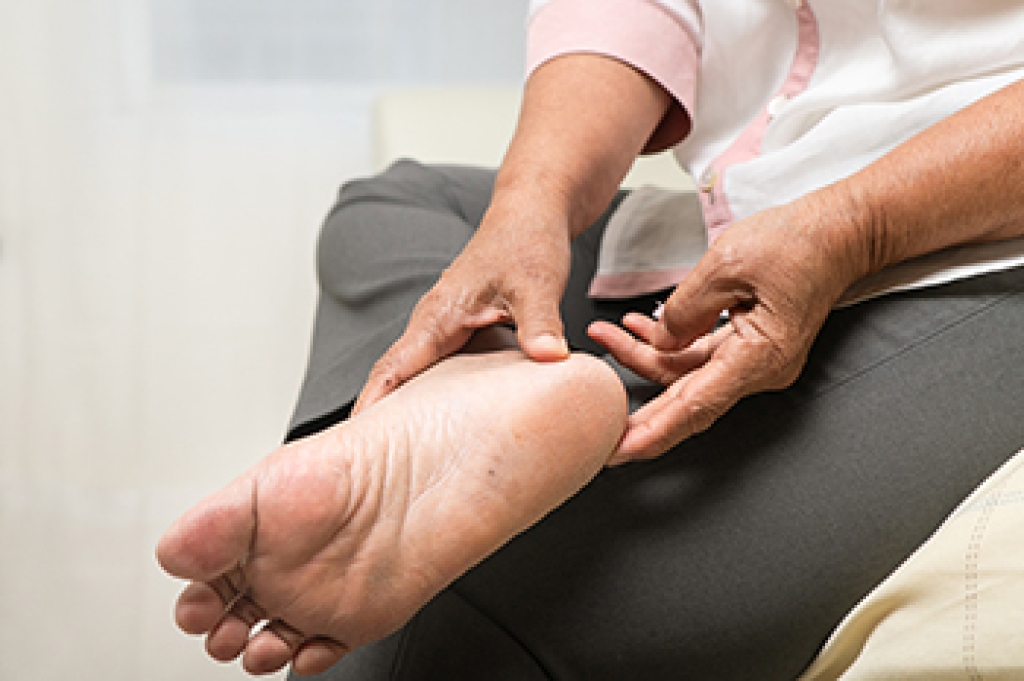
Foot ulcers are open wounds on the feet resulting from skin breakdown. They may be deep, discolored sores that discharge pus, affecting deeper layers of the skin, and potentially spreading to muscles, tendons, or bones. Often caused by injury, friction, or pressure, ulcers are more likely to develop in people who have diabetes and peripheral neuropathy, which reduces foot sensation and can impede skin healing, raising ulcer risks. These ulcers can be painful. Untreated foot ulcers can lead to infections and complications and require serious medical intervention. To prevent ulcers, wear well-fitting shoes and regularly check your feet. If you have foot wounds, it is suggested that you seek prompt examination and treatment from a podiatrist.

Wound care is an important part in dealing with diabetes. If you have diabetes and a foot wound or would like more information about wound care for diabetics, consult with Dr. Yeon A. Shim from Roselle Podiatry Group. Our doctor will assess your condition and provide you with quality foot and ankle treatment.

What Is Wound Care?

Wound care is the practice of taking proper care of a wound. This can range from the smallest to the largest of wounds. While everyone can benefit from proper wound care, it is much more important for diabetics. Diabetics often suffer from poor blood circulation which causes wounds to heal much slower than they would in a non-diabetic. 

What Is the Importance of Wound Care?

While it may not seem apparent with small ulcers on the foot, for diabetics, any size ulcer can become infected. Diabetics often also suffer from neuropathy, or nerve loss. This means they might not even feel when they have an ulcer on their foot. If the wound becomes severely infected, amputation may be necessary. Therefore, it is of the upmost importance to properly care for any and all foot wounds.

How to Care for Wounds

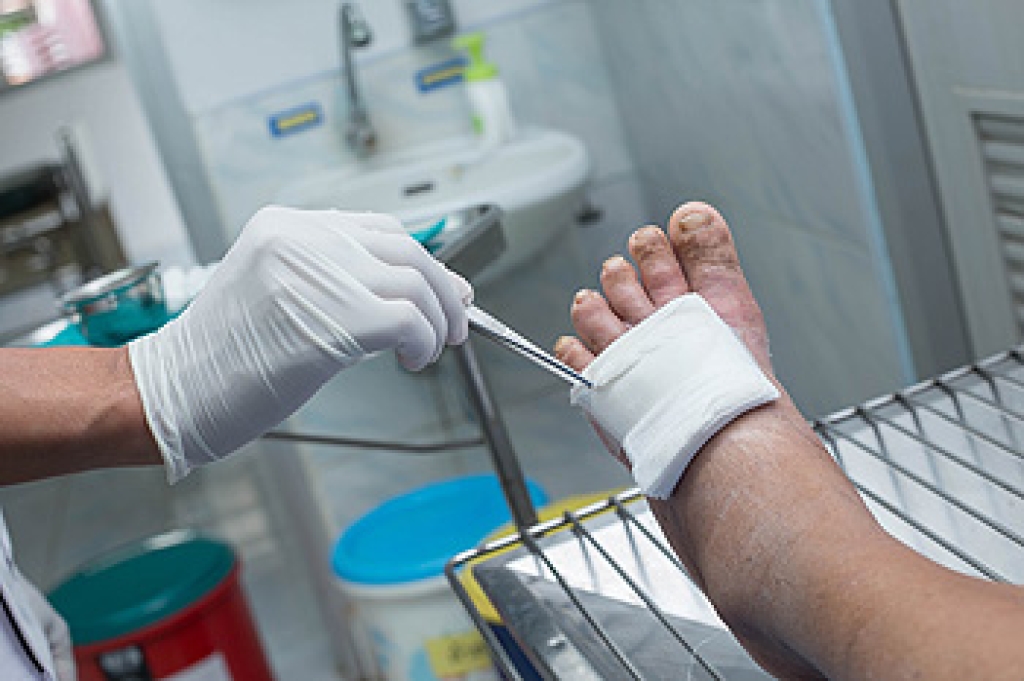
The best way to care for foot wounds is to prevent them. For diabetics, this means daily inspections of the feet for any signs of abnormalities or ulcers. It is also recommended to see a podiatrist several times a year for a foot inspection. If you do have an ulcer, run the wound under water to clear dirt from the wound; then apply antibiotic ointment to the wound and cover with a bandage. Bandages should be changed daily and keeping pressure off the wound is smart. It is advised to see a podiatrist, who can keep an eye on it.

If you have any questions please contact our office located in Roselle, NJ . We offer the newest diagnostic and treatment technologies for all your foot and ankle needs.

Read more about Wound Care

Reminder: When Was the Last Time...?

Custom orthotics, or shoe inserts, should be periodically replaced. Orthotics must fit properly to give you the best results. Protect your feet and ankles!

Causes of Pain in the Ball of the Foot

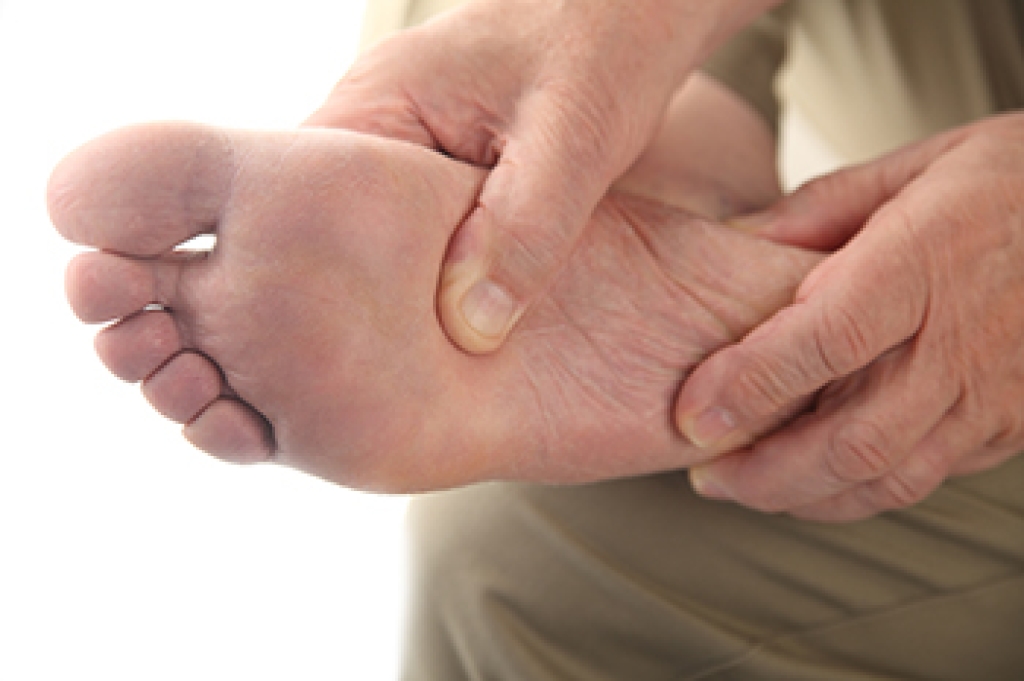
Pain in the ball of the foot, which is the area between the toes and the arch, is termed metatarsalgia. Anything that adds pressure to the ball of the foot, such as dancing, running, yoga, or wearing high heels, can contribute to metatarsalgia. In addition, having high arches, existing foot conditions, excess weight, and aging can also affect the ball of the foot. In some cases, resting the feet and taking pain medication can reduce the effects. But if pain continues, then other factors may need to be considered. For instance, nerve damage, tendonitis, and arthritis may be contributing to this painful condition. Structural factors, such as bunions and hammertoes, may be throwing off the alignment and affecting the ball of the foot. Irritation of the nerves beneath the third and fourth toes may cause Morton’s neuroma, which is sometimes described as having a small pebble in the shoe. This development is more common among women who have been wearing high heels for a prolonged period. If you have increased pain in the ball of the foot, it is suggested that you make an appointment with a podiatrist for an examination and possible treatment options.

Foot Pain

Foot pain can be extremely painful and debilitating. If you have a foot pain, consult with Dr. Yeon A. Shim from Roselle Podiatry Group. Our doctor will assess your condition and provide you with quality foot and ankle treatment.

Causes

Foot pain is a very broad condition that could be caused by one or more ailments. The most common include:

  • Bunions
  • Hammertoes
  • Plantar Fasciitis
  • Bone Spurs
  • Corns
  • Tarsal Tunnel Syndrome
  • Ingrown Toenails
  • Arthritis (such as Gout, Rheumatoid, and Osteoarthritis)
  • Flat Feet
  • Injury (from stress fractures, broken toe, foot, ankle, Achilles tendon ruptures, and sprains)
  • And more

Diagnosis

To figure out the cause of foot pain, podiatrists utilize several different methods. This can range from simple visual inspections and sensation tests to X-rays and MRI scans. Prior medical history, family medical history, and any recent physical traumatic events will all be taken into consideration for a proper diagnosis.

Treatment

Treatment depends upon the cause of the foot pain. Whether it is resting, staying off the foot, or having surgery; podiatrists have a number of treatment options available for foot pain.

If you have any questions, please feel free to contact our office located in Roselle, NJ . We offer the newest diagnostic and treatment technologies for all your foot care needs.

Read more about Foot Pain

Aging Affects the Feet

As one ages, their feet also age. A common sign of aging feet is the inability to absorb impact, also termed a loss of springiness. This is the result of loosening of the tendons that hold the arch in place. Additionally, the joints can become less flexible as one ages, especially if osteoarthritis sets in, further reducing the flexibility of the feet. Rheumatoid arthritis, gout, and obesity are other factors that may affect the foot’s suppleness. Another effect of aging is decreased muscle strength. Add to that a natural thinning of the bones, which can become worse by smoking and not intaking adequate vitamin D amounts. This increases the chance of getting stress fractures. Another way that aging affects the feet is a loss of resilience in the skin, which reduces its cushioning. Furthermore, the fat pads, particularly under the ball of the foot and the heel begin to thin out, increasing the chances of having foot pain. Wearing proper footwear is generally the easiest way to lessen the effects of aging on the feet. Shoes with ample cushioning and arch support are essential. For help with foot problems caused by aging, it is suggested that you make an appointment with a podiatrist.

Proper foot care is something many older adults forget to consider. If you have any concerns about your feet and ankles, contact Dr. Yeon A. Shim from Roselle Podiatry Group. Our doctor can provide the care you need to keep you pain-free and on your feet.

The Elderly and Their Feet

As we age we start to notice many changes in our body, but the elder population may not notice them right away. Medical conditions may prevent the elderly to take notice of their foot health right away. Poor vision is a lead contributor to not taking action for the elderly.

Common Conditions 

  • Neuropathy – can reduce feeling in the feet and can hide many life-threatening medical conditions.
  • Reduced flexibility – prevents the ability of proper toenail trimming, and foot cleaning. If left untreated, it may lead to further medical issues.
  • Foot sores – amongst the older population can be serious before they are discovered. Some of the problematic conditions they may face are:
  • Gouging toenails affecting nearby toe
  • Shoes that don’t fit properly
  • Pressure sores
  • Loss of circulation in legs & feet
  • Edema & swelling of feet and ankles

Susceptible Infections

Diabetes and poor circulation can cause general loss of sensitivity over the years, turning a simple cut into a serious issue.

If you have any questions, please feel free to contact our office located in Roselle, NJ . We offer the newest diagnostic and treatment technologies for all your foot care needs.

Read more about Elderly Foot Care

Caring for Your Feet When You Have Diabetes

Diabetes is a condition that results in erratic blood sugar levels in the body. It is not an easy disease to navigate. It can have widespread effects on the body, including feeling and blood flow to the feet. Beyond managing blood sugar levels, it is important to examine your feet regularly looking for any cuts, sores, calluses, or changes to your skin or nails. A diabetic can develop neuropathy, making it hard to detect sensations in their extremities, such as pain. If this is difficult to do, a handheld mirror can help, as can asking a family member or care provider for assistance. Participating in regular physical activity and eating healthy can help keep blood sugar within a normal range. Problems brewing on the feet of a diabetic can turn into serious issues with life-threatening consequences. Those with diabetes can develop peripheral artery disease or poor blood flow to the feet, which puts them at risk for foot ulcers, gangrene, and tissue death. If you have diabetes, it is suggested that you visit a podiatrist regularly to have your feet examined as well as obtain prompt treatment for any problems that arise.

Diabetic foot care is important in preventing foot ailments such as ulcers. If you are suffering from diabetes or have any other concerns about your feet, contact Dr. Yeon A. Shim from Roselle Podiatry Group. Our doctor can provide the care you need to keep you pain-free and on your feet.

Diabetic Foot Care

Diabetes affects millions of people every year. The condition can damage blood vessels in many parts of the body, especially the feet. Because of this, taking care of your feet is essential if you have diabetes, and having a podiatrist help monitor your foot health is highly recommended.

The Importance of Caring for Your Feet

  • Routinely inspect your feet for bruises or sores.
  • Wear socks that fit your feet comfortably.
  • Wear comfortable shoes that provide adequate support.

Patients with diabetes should have their doctor monitor their blood levels, as blood sugar levels play such a huge role in diabetic care. Monitoring these levels on a regular basis is highly advised.

It is always best to inform your healthcare professional of any concerns you may have regarding your feet, especially for diabetic patients. Early treatment and routine foot examinations are keys to maintaining proper health, especially because severe complications can arise if proper treatment is not applied.

If you have any questions, please feel free to contact our office located in Roselle, NJ . We offer the newest diagnostic and treatment technologies for all your foot care needs.

Read more about Diabetic Foot Care
scroll to top