
Suffering from this type of pain? You may have the foot condition known as Morton's neuroma. Morton's neuroma may develop as a result of ill-fitting footwear and existing foot deformities. We can help.
Suffering from this type of pain? You may have the foot condition known as Morton's neuroma. Morton's neuroma may develop as a result of ill-fitting footwear and existing foot deformities. We can help.
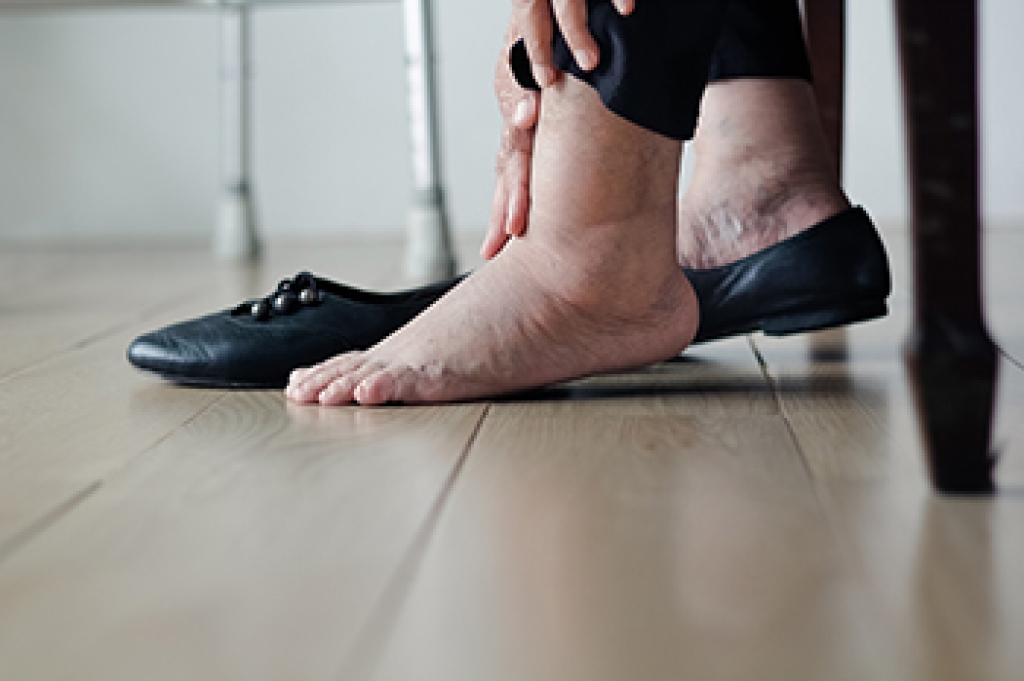
Foot problems in older adults often develop after years of daily use, pressure, and natural changes in the body. A lifetime of walking, running, and standing can place repeated stress on the feet, leading to structural changes and discomfort. Common conditions include corns, toenail disorders, bunions, and hammertoe. These issues can affect mobility, balance, and overall quality of life if they are not properly managed. Understanding these conditions can help older adults take steps to maintain foot health and independence.
Symptoms of foot problems in seniors can vary depending on the condition. Corns often appear as thickened areas of skin that cause pain when pressure is applied. Toenail disorders may include thickened, discolored, or brittle nails that are difficult to trim. Bunions develop as a bony bump at the base of the big toe, often leading to swelling, redness, and discomfort while wearing shoes. Hammertoe causes the toes to bend abnormally, which may result in pain, stiffness, and difficulty finding comfortable footwear. These symptoms can make walking and standing more challenging over time.
The causes of these conditions are often linked to long-term wear and tear on the feet. Years of repetitive movement can weaken muscles and ligaments, leading to changes in foot structure. As the body ages, the natural cushioning in the feet may thin, increasing pressure on certain areas and leading to pain and irritation.
Risk factors for foot problems in older adults include reduced circulation, chronic health conditions, and decreased mobility. Individuals with arthritis, diabetes, or poor balance may be more likely to develop foot issues. Regular foot care, wearing supportive footwear, and early attention to symptoms can help prevent complications. A podiatrist can provide personalized care and treatment to improve comfort and function. If you are elderly and have painful foot conditions, it is strongly suggested that you consult a podiatrist for an accurate diagnosis and appropriate treatment.
If you need your feet checked, contact Dr. Yeon A. Shim of Roselle Podiatry Group. Our doctor will attend to all of your foot and ankle needs and provide you with quality treatment.
Geriatrics and Podiatry
When people age, some common issues that may occur are bone density loss, dry skin, poor circulation, and rough brittle nails. These issues may also affect your foot health if the necessary steps are not taken to alleviate the problems.
It is important to take care of your feet because feet that are injured or diseased can affect your overall health. Having painful feet hinders your ability to do daily activities or may decrease your willingness to do the things that you need to do.
Visiting Your Geriatrician
As we age, health problems become more likely, so it is essential to visit your doctor for check-ups to ensure that you are doing the best you can to take care of your health. It is recommended to check your feet frequently for any possible cuts, bruises, swelling, corns or any other irregularities.
Taking Care of Elderly Feet
Cracked or dry feet can be treated by applying moisturizer often. It is also important not to wear old socks because the older the sock is, the higher the possibility there will be that there is bacteria there. Wear fresh socks and make sure they fit properly.
Proper foot health means that you can have a more active lifestyle and you will not be bogged down by pain. Foot health also leads to good circulation, which is paramount for overall health.
If you have any questions, please feel free to contact our office located in Roselle, NJ . We offer the newest diagnostic and treatment technologies for all your foot care needs.

Shoe inserts, also known as orthotics, are devices placed inside footwear to support the feet and improve alignment during movement. These inserts are commonly used in sports and physical activities to enhance comfort and reduce strain on the lower body. Orthotics can be custom-made or prefabricated, depending on the level of support needed. Their purpose is to stabilize the foot, improve shock-absorption, and promote efficient movement patterns. By addressing imbalances, orthotics help reduce stress on muscles and joints during activity.
Symptoms that may indicate the need for orthotics include foot pain, arch fatigue, heel discomfort, and instability while running or walking. Athletes may also notice decreased performance or recurring injuries. Risk factors include repetitive motion, high-impact sports, and wearing improper footwear. Structural foot issues such as flat feet or high arches are other factors. Without proper support, these factors can increase the likelihood of movement-related injuries and long-term discomfort.
Orthotics are used to treat a variety of conditions, including plantar fasciitis, Achilles tendon strain, shin splints, and over-pronation. They work by redistributing pressure across the foot and correcting alignment. This helps reduce strain on specific areas and supports natural motion. For individuals involved in sports, orthotics can improve balance, enhance stability, and reduce the risk of injury. They also help absorb impact forces, which is essential for protecting joints during repetitive movement.
The benefits of shoe inserts include improved comfort, better performance, and reduced risk of injury. They can support recovery by minimizing stress on affected areas and promoting proper biomechanics. Consistent use of orthotics can lead to long-term improvements in foot health and mobility. If you have foot pain or conditions that require orthotics, it is suggested that you consult a podiatrist who can determine what type of orthotics are right for you.
If you are having discomfort in your feet and would like to try orthotics, contact Dr. Yeon A. Shim from Roselle Podiatry Group. Our doctor can provide the care you need to keep you pain-free and on your feet.
What Are Orthotics?
Orthotics are inserts you can place into your shoes to help with a variety of foot problems such as flat feet or foot pain. Orthotics provide relief and comfort for minor foot and heel pain but can’t correct serious biomechanical problems in your feet.
Over-the-Counter Inserts
Orthotics come in a wide variety of over-the-counter inserts that are used to treat foot pain, heel pain, and minor problems. For example, arch supports can be inserted into your shoes to help correct overarched or flat feet, while gel insoles are often used because they provide comfort and relief from foot and heel pain by alleviating pressure.
Prescription Orthotics
If over-the-counter inserts don’t work for you or if you have a more severe foot concern, it is possible to have your podiatrist prescribe custom orthotics. These high-quality inserts are designed to treat problems such as abnormal motion, plantar fasciitis, and severe forms of heel pain. They can even be used to help patients suffering from diabetes by treating foot ulcers and painful calluses and are usually molded to your feet individually, which allows them to provide full support and comfort.
If you are experiencing minor to severe foot or heel pain, it’s recommended to speak with your podiatrist about the possibilities of using orthotics. A podiatrist can determine which type of orthotic is right for you and allow you to take the first steps towards being pain-free.
If you have any questions, please feel free to contact our office located in Roselle, NJ . We offer the newest diagnostic and treatment technologies for all your foot care needs.
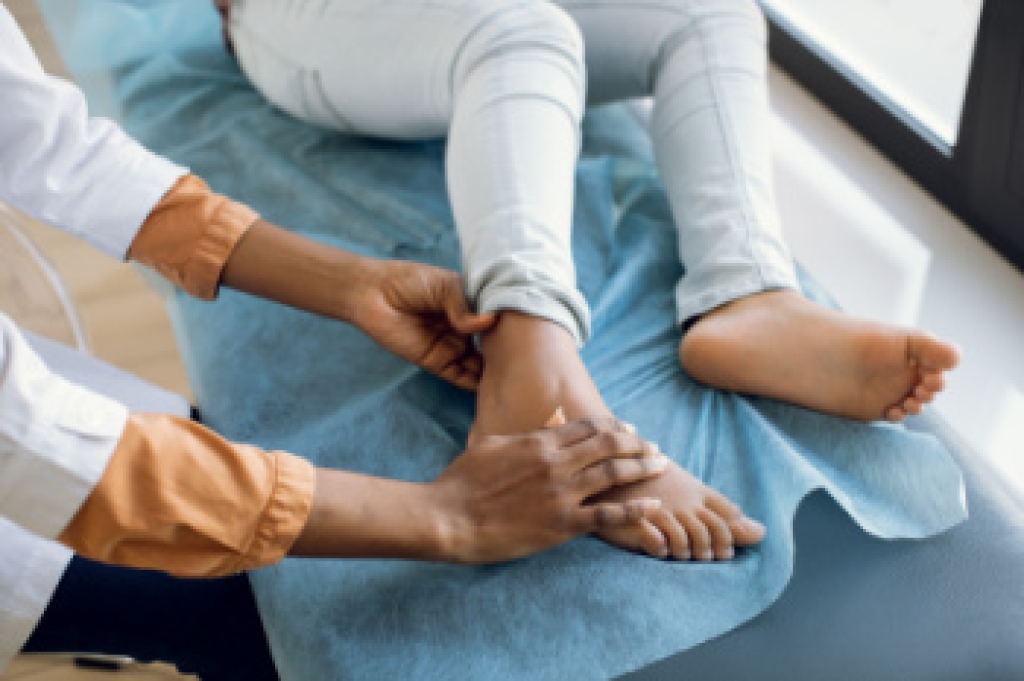
Foot pain from lupus is a common concern for individuals living with this chronic autoimmune condition. Lupus occurs when the immune system mistakenly attacks healthy tissues, including joints, blood vessels, and nerves in the feet. This can lead to inflammation, reduced circulation, and tissue damage. Many patients experience persistent discomfort that affects mobility and quality of life. Understanding how lupus impacts the feet is essential for early intervention and long term care. Foot pain related to lupus may also overlap with other conditions such as peripheral neuropathy or Raynaud related circulation changes.
Symptoms of foot pain from lupus often include swelling, numbness, and cold feet. Some individuals notice color changes in the toes, especially in response to cold temperatures or stress. Joint stiffness, burning sensations, and tenderness in the soles are also reported. These symptoms may come and go or worsen during lupus flares. Cold sensitivity is especially important, as reduced blood flow can increase discomfort and raise the risk of tissue injury. Paying attention to early warning signs can help prevent complications.
Several risk factors contribute to lupus-related foot pain. These include long standing autoimmune activity, poor circulation, and improper footwear. Cold environments and prolonged standing can worsen symptoms. Causes are primarily linked to inflammation of joints and blood vessels, as well as nerve irritation. Damage to small blood vessels can reduce oxygen supply to tissues, leading to cold feet and delayed healing. This makes proper foot care a critical part of managing lupus.
If you have lupus, caring for your feet involves simple, but consistent habits. Keeping feet clean and dry helps prevent infection. Wearing properly fitted, supportive shoes reduces pressure and improves alignment. Protecting feet from extreme temperatures is essential, especially in cold weather. Regular foot checks can help identify changes early. If foot pain from lupus is present, it is suggested that you consult a podiatrist for effective relief and management solutions.
Foot Pain
Foot pain can be extremely painful and debilitating. If you have a foot pain, consult with Dr. Yeon A. Shim from Roselle Podiatry Group. Our doctor will assess your condition and provide you with quality foot and ankle treatment.
Causes
Foot pain is a very broad condition that could be caused by one or more ailments. The most common include:
Diagnosis
To figure out the cause of foot pain, podiatrists utilize several different methods. This can range from simple visual inspections and sensation tests to X-rays and MRI scans. Prior medical history, family medical history, and any recent physical traumatic events will all be taken into consideration for a proper diagnosis.
Treatment
Treatment depends upon the cause of the foot pain. Whether it is resting, staying off the foot, or having surgery; podiatrists have a number of treatment options available for foot pain.
If you have any questions, please feel free to contact our office located in Roselle, NJ . We offer the newest diagnostic and treatment technologies for all your foot care needs.

Plantar warts are small growths that develop on parts of the feet that bear weight. They're typically found on the bottom of the foot. Don't live with plantar warts, and call us today!

