
Custom orthotics, or shoe inserts, should be periodically replaced. Orthotics must fit properly to give you the best results. Protect your feet and ankles!
Custom orthotics, or shoe inserts, should be periodically replaced. Orthotics must fit properly to give you the best results. Protect your feet and ankles!
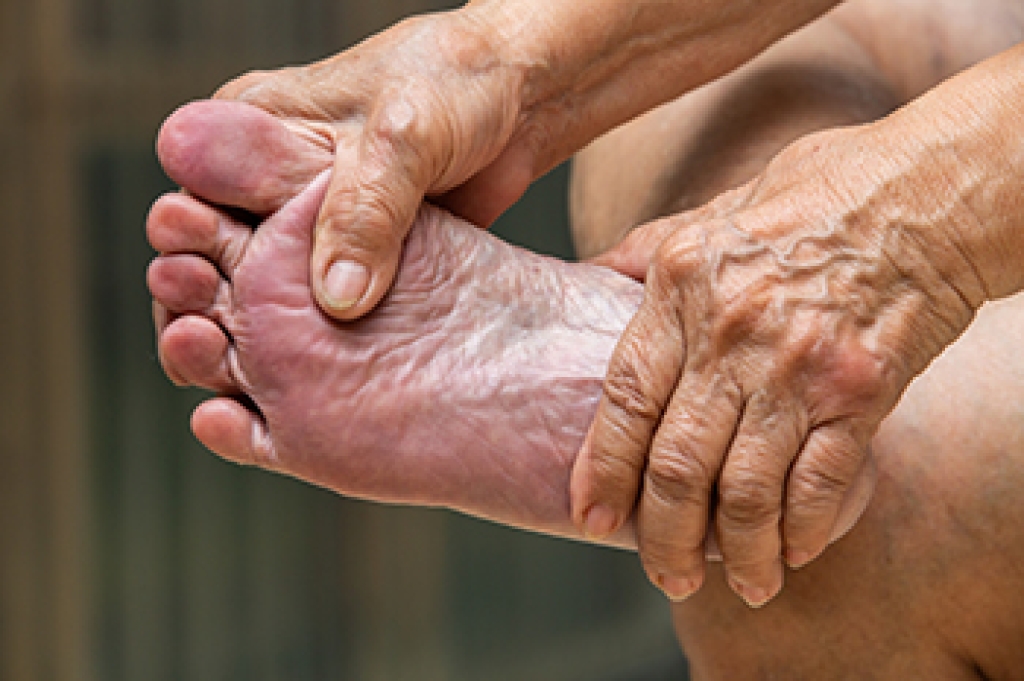
Fat pad syndrome affects the soft cushioning under the heel or ball of the foot that helps absorb impact during walking. Over time, this padding can thin out, shift, or lose its shock absorbing ability. Aging, repetitive impact, long periods of standing, walking barefoot on hard surfaces, and poorly cushioned shoes can all contribute. Pain is often described as a deep ache or bruised feeling that worsens with activity and improves with rest. Discomfort is usually felt directly under the heel or forefoot rather than along the sides. The area may feel tender to the touch, and walking barefoot can be especially uncomfortable. Because symptoms can resemble other foot problems, proper evaluation is important. Supportive footwear and targeted care can help protect the area and reduce strain. If your foot feels bruised or painful and persists or worsens with walking, it is suggested that you see a podiatrist for a diagnosis and appropriate treatment.
If you need your feet checked, contact Dr. Yeon A. Shim of Roselle Podiatry Group. Our doctor will attend to all of your foot and ankle needs and provide you with quality treatment.
Geriatrics and Podiatry
When people age, some common issues that may occur are bone density loss, dry skin, poor circulation, and rough brittle nails. These issues may also affect your foot health if the necessary steps are not taken to alleviate the problems.
It is important to take care of your feet because feet that are injured or diseased can affect your overall health. Having painful feet hinders your ability to do daily activities or may decrease your willingness to do the things that you need to do.
Visiting Your Geriatrician
As we age, health problems become more likely, so it is essential to visit your doctor for check-ups to ensure that you are doing the best you can to take care of your health. It is recommended to check your feet frequently for any possible cuts, bruises, swelling, corns or any other irregularities.
Taking Care of Elderly Feet
Cracked or dry feet can be treated by applying moisturizer often. It is also important not to wear old socks because the older the sock is, the higher the possibility there will be that there is bacteria there. Wear fresh socks and make sure they fit properly.
Proper foot health means that you can have a more active lifestyle and you will not be bogged down by pain. Foot health also leads to good circulation, which is paramount for overall health.
If you have any questions, please feel free to contact our office located in Roselle, NJ . We offer the newest diagnostic and treatment technologies for all your foot care needs.
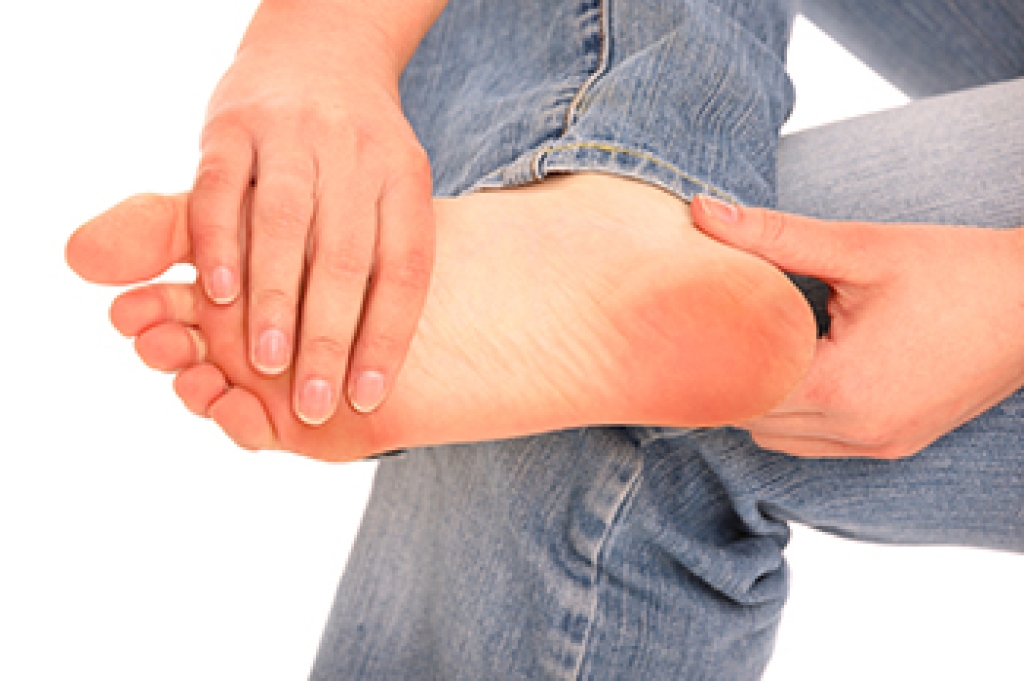
Joint pain in the feet can arise because each foot contains 33 joints that absorb force with every step, from the ankle to the small joints in the toes. Stress from injury, structural changes, or repeated loading can irritate joint surfaces and surrounding tissue. Inflammation plays a role when arthritis develops, while noninflammatory causes include joint strain, alignment problems, or pressure from shoes that lack adequate support or frequent use of flip-flops. Cartilage thinning can allow bones to rub, leading to stiffness and reduced motion. Pain can also stem from bunions or capsulitis in the ball of the foot. A podiatrist can assess movement, identify the source of pain, and discuss surgery when needed. If you have foot joint pain, it is suggested that you make an appointment with a podiatrist for a diagnosis and options for treatment.
Foot Pain
Foot pain can be extremely painful and debilitating. If you have a foot pain, consult with Dr. Yeon A. Shim from Roselle Podiatry Group. Our doctor will assess your condition and provide you with quality foot and ankle treatment.
Causes
Foot pain is a very broad condition that could be caused by one or more ailments. The most common include:
Diagnosis
To figure out the cause of foot pain, podiatrists utilize several different methods. This can range from simple visual inspections and sensation tests to X-rays and MRI scans. Prior medical history, family medical history, and any recent physical traumatic events will all be taken into consideration for a proper diagnosis.
Treatment
Treatment depends upon the cause of the foot pain. Whether it is resting, staying off the foot, or having surgery; podiatrists have a number of treatment options available for foot pain.
If you have any questions, please feel free to contact our office located in Roselle, NJ . We offer the newest diagnostic and treatment technologies for all your foot care needs.
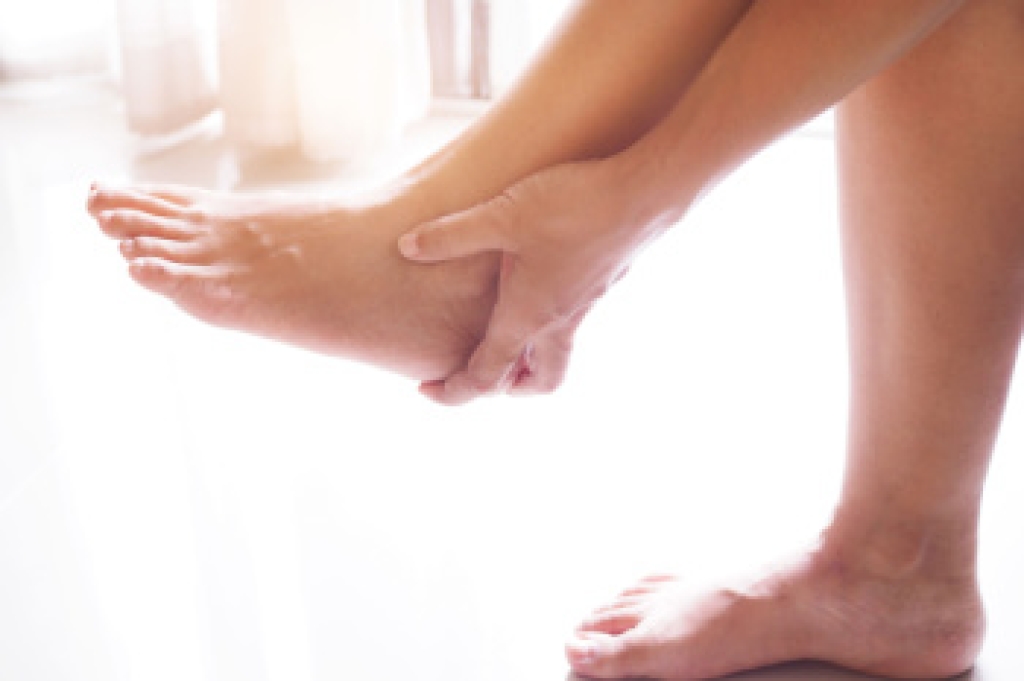
Plantar fasciitis is one of the most common causes of heel pain and occurs when the plantar fascia becomes irritated or inflamed. The condition may not always show visible changes, but the heel can appear slightly swollen or tender to touch. It often feels like a sharp or stabbing pain in the heel or arch, especially with the first steps in the morning or after periods of rest. Pain may lessen with movement but return after long periods of standing or activity. A podiatrist can help from the start by reviewing symptoms, examining foot structure and gait, and confirming the diagnosis while ruling out other causes of heel pain. Treatment options may include stretching programs, footwear recommendations, night splints, and anti-inflammatory care. Early podiatric treatment can reduce pain, improve function, and prevent chronic symptoms. If you are dealing with heel pain, it is suggested that you make an appointment with a podiatrist.
Plantar fasciitis is a common foot condition that is often caused by a strain injury. If you are experiencing heel pain or symptoms of plantar fasciitis, contact Dr. Yeon A. Shim from Roselle Podiatry Group. Our doctor can provide the care you need to keep you pain-free and on your feet.
What Is Plantar Fasciitis?
Plantar fasciitis is one of the most common causes of heel pain. The plantar fascia is a ligament that connects your heel to the front of your foot. When this ligament becomes inflamed, plantar fasciitis is the result. If you have plantar fasciitis you will have a stabbing pain that usually occurs with your first steps in the morning. As the day progresses and you walk around more, this pain will start to disappear, but it will return after long periods of standing or sitting.
What Causes Plantar Fasciitis?
There are some risk factors that may make you more likely to develop plantar fasciitis compared to others. The condition most commonly affects adults between the ages of 40 and 60. It also tends to affect people who are obese because the extra pounds result in extra stress being placed on the plantar fascia.
Prevention
There are a variety of treatment options available for plantar fasciitis along with the pain that accompanies it. Additionally, physical therapy is a very important component in the treatment process. It is important that you meet with your podiatrist to determine which treatment option is best for you.
If you have any questions, please feel free to contact our office located in Roselle, NJ . We offer the newest diagnostic and treatment technologies for all your foot care needs.

Suffering from this type of pain? You may have the foot condition known as Morton's neuroma. Morton's neuroma may develop as a result of ill-fitting footwear and existing foot deformities. We can help.

