
Do you suffer from heel pain when you get up in the morning? If so, you should seek professional help and have a proper diagnosis performed. Heel pain can be caused by several different foot-related conditions.
Do you suffer from heel pain when you get up in the morning? If so, you should seek professional help and have a proper diagnosis performed. Heel pain can be caused by several different foot-related conditions.
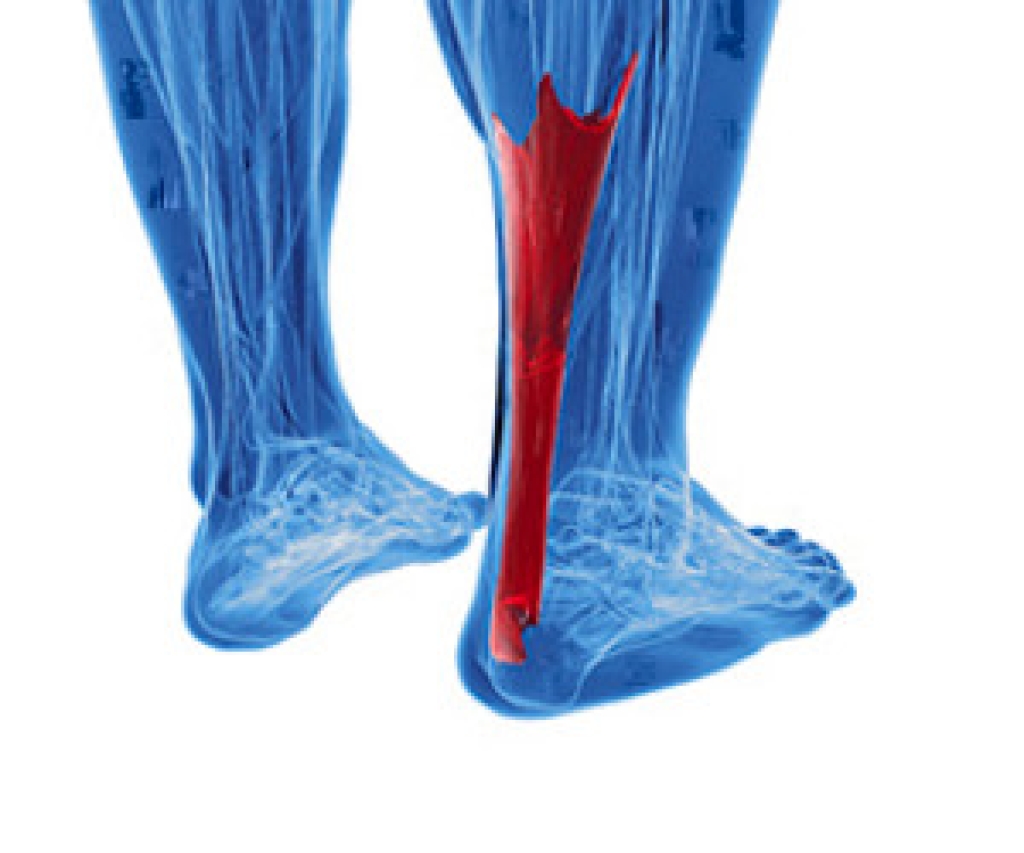 Achilles tendon ruptures happen when the tendon on the back of the ankle is torn. They primarily occur during activities such as tennis and basketball, which involve pushing off of the ground or sprinting. While the Achilles tendon can tear and may be injured at any age, it most commonly occurs in patients who are in their 30s and 40s. Those who have poor flexibility, an inactive lifestyle, or who only occasionally work out are also at risk for ruptures. Ruptures are often indicated by sudden pain, a sense of being kicked in the back of the leg, a “popping” feeling, and weakness in the heel. Patients who have ruptured their Achilles tendon should consult with a podiatrist for treatment options. Surgery may be necessary to fix the tendon, but time, a cast, and physical therapy may also be used as treatment.
Achilles tendon injuries need immediate attention to avoid future complications. If you have any concerns, contact Dr. Yeon A. Shim of Roselle Podiatry Group. Our doctor can provide the care you need to keep you pain-free and on your feet.
What Is the Achilles Tendon?
The Achilles tendon is a tendon that connects the lower leg muscles and calf to the heel of the foot. It is the strongest tendon in the human body and is essential for making movement possible. Because this tendon is such an integral part of the body, any injuries to it can create immense difficulties and should immediately be presented to a doctor.
What Are the Symptoms of an Achilles Tendon Injury?
There are various types of injuries that can affect the Achilles tendon. The two most common injuries are Achilles tendinitis and ruptures of the tendon.
Achilles Tendinitis Symptoms
Rupture Symptoms
Treatment and Prevention
Achilles tendon injuries are diagnosed by a thorough physical evaluation, which can include an MRI. Treatment involves rest, physical therapy, and in some cases, surgery. However, various preventative measures can be taken to avoid these injuries, such as:
If you have any questions please feel free to contact our office located in Roselle, NJ . We offer the newest diagnostic tools and technology to treat your foot and ankle needs.
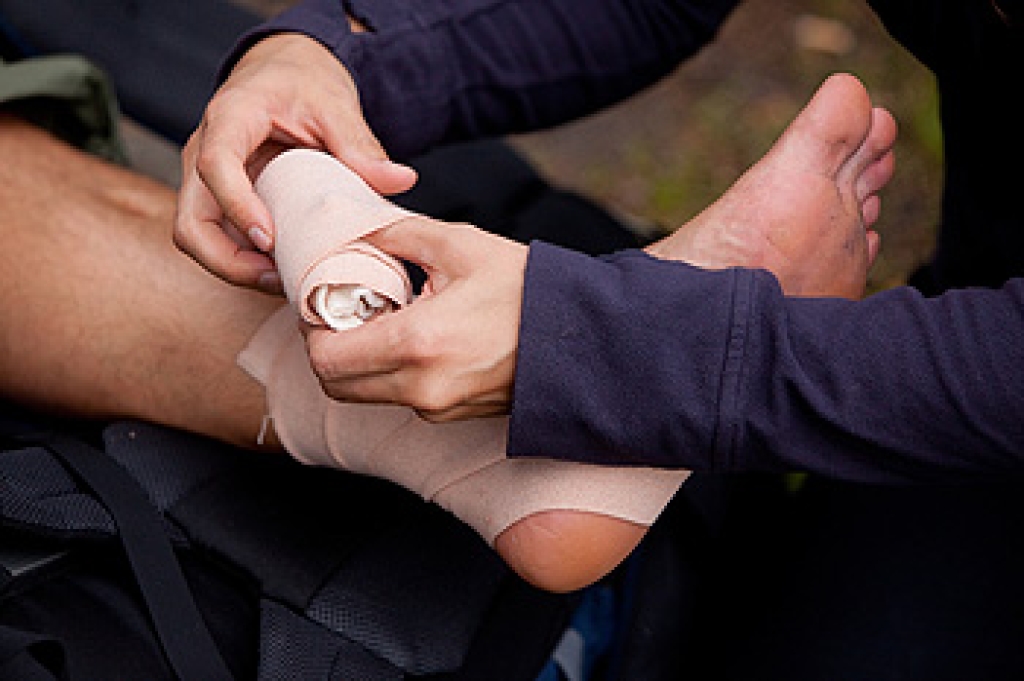 Ankle sprains are one of the most common injuries that occur while playing sports. They are the result of a sudden twist or force that over stretches or tears the ligaments in the joints. The most common sign of a sprained ankle is swelling and pain in the ankle, especially when weight is put on it. Resting and icing the ankle is generally recommended for the treatment of ankle sprains. Ankle sprains that are unable to bear any weight and prohibit walking need to be checked by a podiatrist. A podiatrist will take an X-ray to make sure that the ankle is not broken, and they will be able to help with treatment of severe sprains. Another reason to visit a podiatrist is that a more severe sprain can weaken the ankle and lead to future sprains. Proper medical care can help prevent these.
Although ankle sprains are common, they aren’t always minor injuries. If you need your ankle injury looked at, contact Dr. Yeon A. Shim from Roselle Podiatry Group. Our doctor can provide the care you need to keep you pain-free and on your feet.
How Does an Ankle Sprain Occur?
Ankle sprains are the result of a tear in the ligaments within the ankle. These injuries may happen when you make a rapid shifting movement while your foot is planted. A less common way to sprain your ankle is when your ankle rolls inward while your foot turns outward.
What Are the Symptoms?
Preventing a Sprain
Treatment of a Sprain
In many cases, the RICE method (Rest, Ice, Compression, and Elevate) is used to treat ankle sprains. However, you should see a podiatrist to see which treatment option would work best with your injury. In severe cases, surgery may be required.
It is important to ask your doctor about rehab options after you receive treatment for your injury. Stretching, strength training, and balance exercises may help the ankle heal while also preventing further injury.
If you have any questions, please feel free to contact our office located in Roselle, NJ . We offer the newest diagnostic and treatment technologies for all your foot care needs.
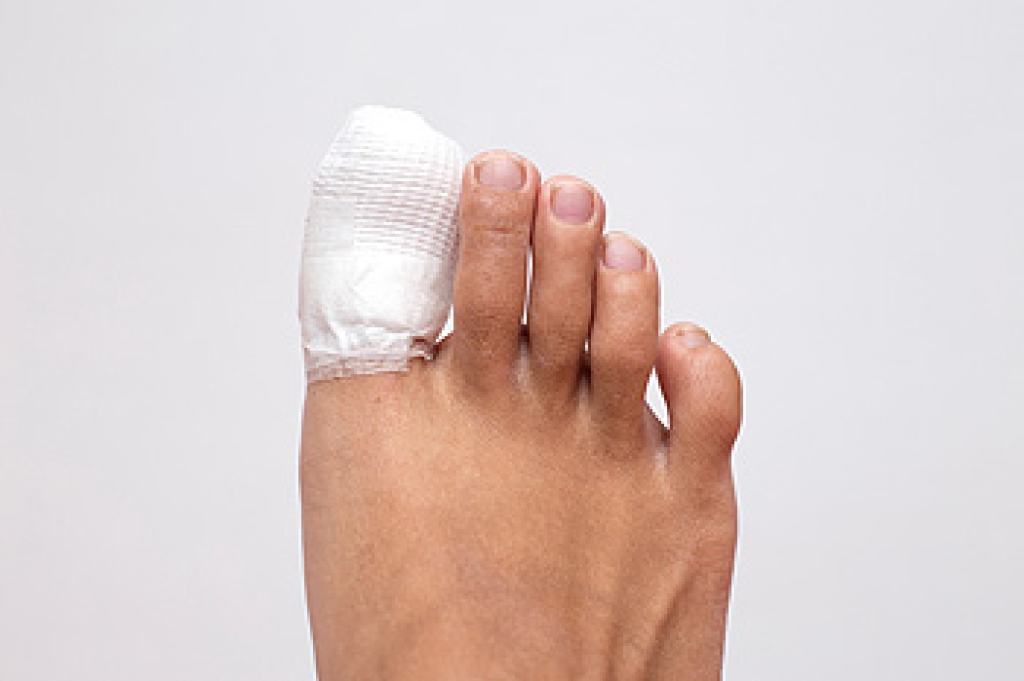 A common sign of a broken toe is noticeable bruising, which usually coincides with pain and discomfort. Additionally, if the fracture is severe, the bone may protrude from the skin. A broken toe may be the result of trauma, such as a heavy object falling on it or stubbing it against a piece of furniture. After a diagnosis is determined, which generally consists of having an X-ray taken and the affected toe examined, proper treatment can begin. A common method for healing a broken toe is referred to as buddy taping. This is accomplished by taping the affected toe to the toe next to it. This is an effective method for providing the necessary stability as the healing process occurs. If the break is severe or broken in multiple spots, surgery may be necessary for proper healing. If you think your toe may be broken or you would like more information about various treatment options, please speak with a podiatrist today.
Broken toes may cause a lot of pain and should be treated as soon as possible. If you have any concerns about your feet, contact Dr. Yeon A. Shim from Roselle Podiatry Group. Our doctor will treat your foot and ankle needs.
What Is a Broken Toe?
A broken toe occurs when one or more of the toe bones of the foot are broken after an injury. Injuries such as stubbing your toe or dropping a heavy object on it may cause a toe fracture.
Symptoms of a Broken Toe
Although the injured toe should be monitored daily, it is especially important to have a podiatrist look at your toe if you have severe symptoms. Some of these symptoms include worsening or new pain that is not relieved with medication, sores, redness, or open wounds near the toe.
If you have any questions please feel free to contact our office located in Roselle, NJ . We offer the newest diagnostic tools and technology to treat your foot and ankle needs.

Custom orthotics, or shoe inserts, should be periodically replaced. Orthotics must fit properly to give you the best results. Protect your feet and ankles!

