
Have your child's feet been examined lately? Healthy feet are happy feet. If your child is complaining of foot pain, it may be a sign of underlying problems.
Have your child's feet been examined lately? Healthy feet are happy feet. If your child is complaining of foot pain, it may be a sign of underlying problems.
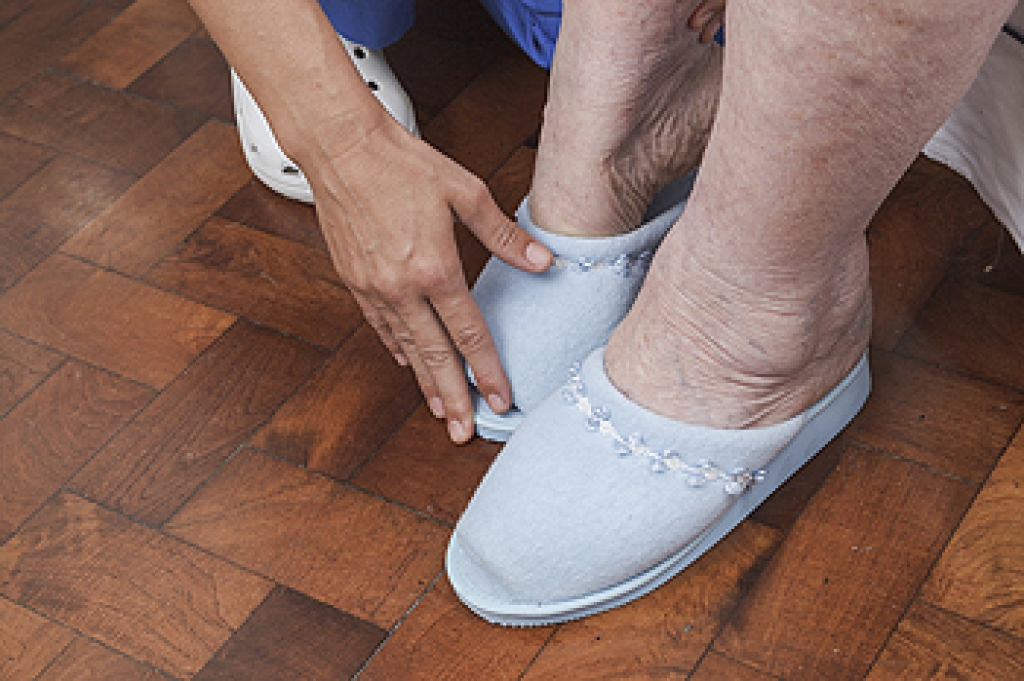 A common place for patients who are 65 or older to fall can be in the kitchen. This can happen as a result of having slippery floors or trying to retrieve items in places that are hard to reach. It may be beneficial to frequently sit in a sturdy chair while preparing foods, as this may help to maintain balance. Having a non-skid rug in front of the sink may help to prevent falling, and it is suggested that sturdy shoes are worn while in the living environment. It is common for spills to occur, and greasy or sticky foods may cause accidents in the kitchen. If you would like additional information about how falling in the kitchen can affect the feet, please confer with a podiatrist who can offer you effective preventive methods.
Preventing falls among the elderly is very important. If you are older and have fallen or fear that you are prone to falling, consult with Dr. Yeon A. Shim from Roselle Podiatry Group. Our doctor will assess your condition and provide you with quality advice and care.
Every 11 seconds, an elderly American is being treated in an emergency room for a fall related injury. Falls are the leading cause of head and hip injuries for those 65 and older. Due to decreases in strength, balance, senses, and lack of awareness, elderly persons are very susceptible to falling. Thankfully, there are a number of things older persons can do to prevent falls.
How to Prevent Falls
Some effective methods that older persons can do to prevent falls include:
Falling can be a traumatic and embarrassing experience for elderly persons; this can make them less willing to leave the house, and less willing to talk to someone about their fears of falling. Doing such things, however, will increase the likelihood of tripping or losing one’s balance. Knowing the causes of falling and how to prevent them is the best way to mitigate the risk of serious injury.
If you have any questions, please feel free to contact our office located in Roselle, NJ . We offer the newest diagnostic and treatment technologies for all your foot care needs.
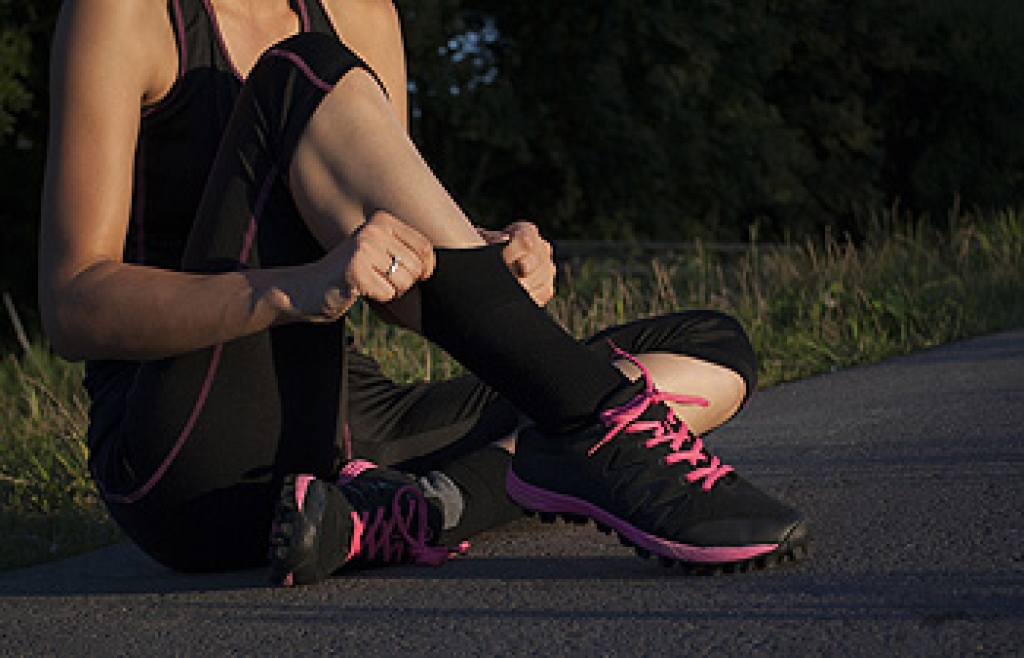
While many specialty shoe stores emphasize their running shoes, you do not actually need to be a seasoned runner, or even a runner at all, to wear running shoes. Those who prefer to walk for exercise, and especially those who like to speed walk, may find that their shoe needs are best met with running shoes. Running shoes are built to be stable and comfortable. You will also want to look for shoes that are flexible and have adequate cushioning. Shoes that match your gait are also suggested. You can have your gait assessed at some shoe stores, or by a podiatrist. For more information about finding the right shoes for all of your physical fitness needs, please consult with a podiatrist.
For more information about walking shoes versus running shoes, consult with Dr. Yeon A. Shim from Roselle Podiatry Group. Our doctor can measure your feet to determine what your needs are and help you find an appropriate pair of footwear.
Foot Health: The Differences between Walking & Running Shoes
There are great ways to stay in shape: running and walking are two great exercises to a healthy lifestyle. It is important to know that running shoes and walking shoes are not interchangeable. There is a key difference on how the feet hit the ground when someone is running or walking. This is why one should be aware that a shoe is designed differently for each activity.
You may be asking yourself what the real differences are between walking and running shoes and the answers may shock you.
Differences
Walking doesn’t involve as much stress or impact on the feet as running does. However, this doesn’t mean that you should be any less prepared. When you’re walking, you land on your heels and have your foot roll forward. This rolling motion requires additional support to the feet.
Flexibility – Walking shoes are designed to have soft, flexible soles. This allows the walker to push off easily with each step.
If you have any questions, please feel free to contact our office located in Roselle, NJ . We offer the newest diagnostic and treatment technologies for all your foot care needs.
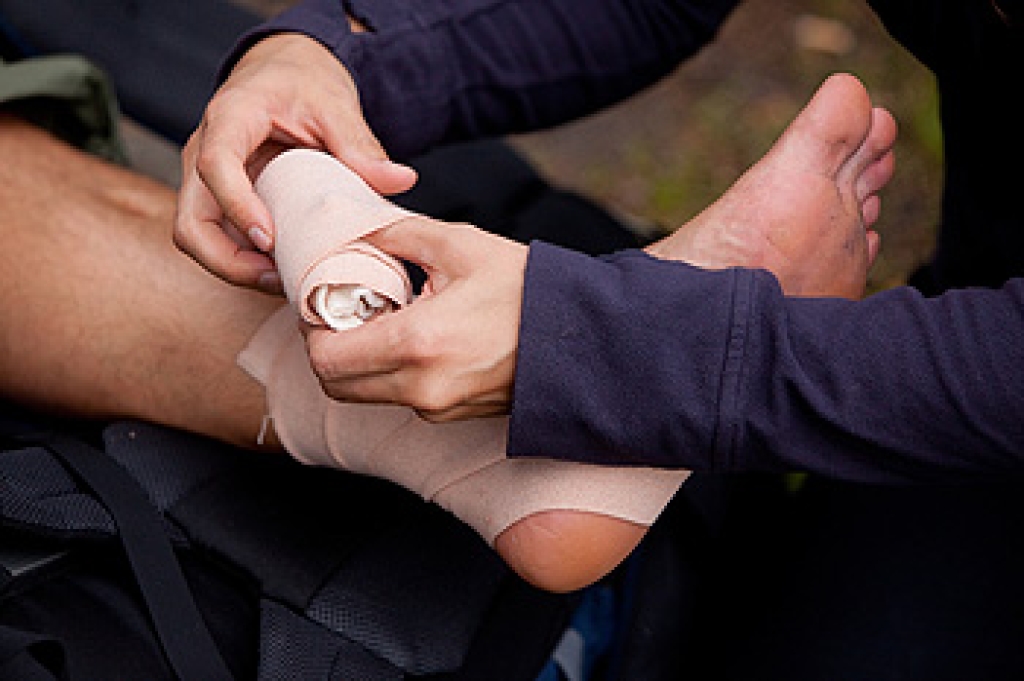 Ankle sprains are one of the most frequent injuries that can occur to the ankle. Sprains typically result from the ankle being twisted (usually due to trauma) in a way that causes the ligaments to become over stretched and even torn. While pain and swelling are the main symptoms of ankle sprains, they can also be indicated by bruising, hearing a “popping” sound at the time of injury, tenderness, inability to hold weight, and an unstable joint. While mild sprains will result in minor symptoms, severe sprains can lead to significant pain and swelling. Since the ligaments connect the bones together, it is important to visit a podiatrist who can check the ankle in its entirety. A podiatrist will also be able to inspect range of motion as well as diagnose and treat any broken bones.
Ankle sprains are common but need immediate attention. If you need your feet checked, contact Dr. Yeon A. Shim from Roselle Podiatry Group. Our doctor can provide the care you need to keep you pain-free and on your feet.
How Does an Ankle Sprain Occur?
Ankle sprains take place when the ligaments in your ankle are torn or stretched beyond their limits. There are multiple ways that the ankle can become injured, including twisting or rolling over onto your ankle, putting undue stress on it, or causing trauma to the ankle itself.
What Are the Symptoms?
Preventing a Sprain
Treatment of a Sprain
Treatment of a sprain depends on the severity. Many times, people are told to rest and remain off their feet completely, while others are given an air cast. If the sprain is very severe, surgery may be required.
If you have suffered an ankle sprain previously, you may want to consider additional support such as a brace and regular exercises to strengthen the ankle.
If you have any questions please feel free to contact our office located in Roselle, NJ . We offer the newest diagnostic tools and technology to treat your foot and ankle needs.
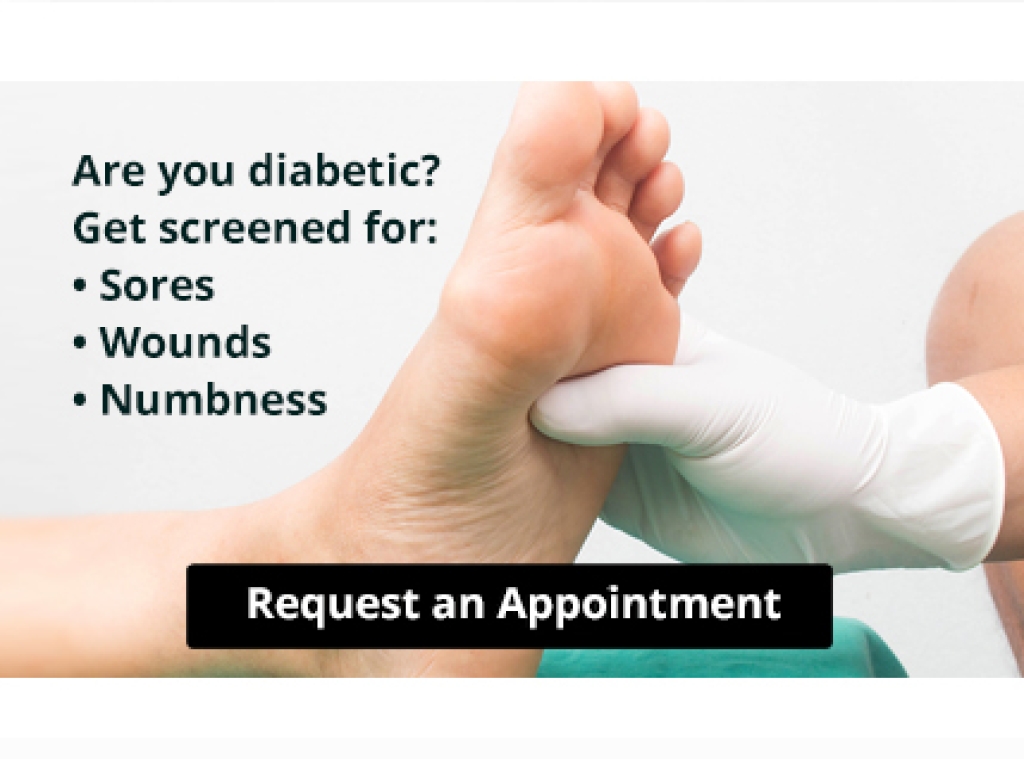
Your feet are covered most of the day. If you're diabetic, periodic screening is important for good health. Numbness is often a sign of diabetic foot and can mask a sore or wound.

