Blog

Tips for Dealing with Athlete’s Foot

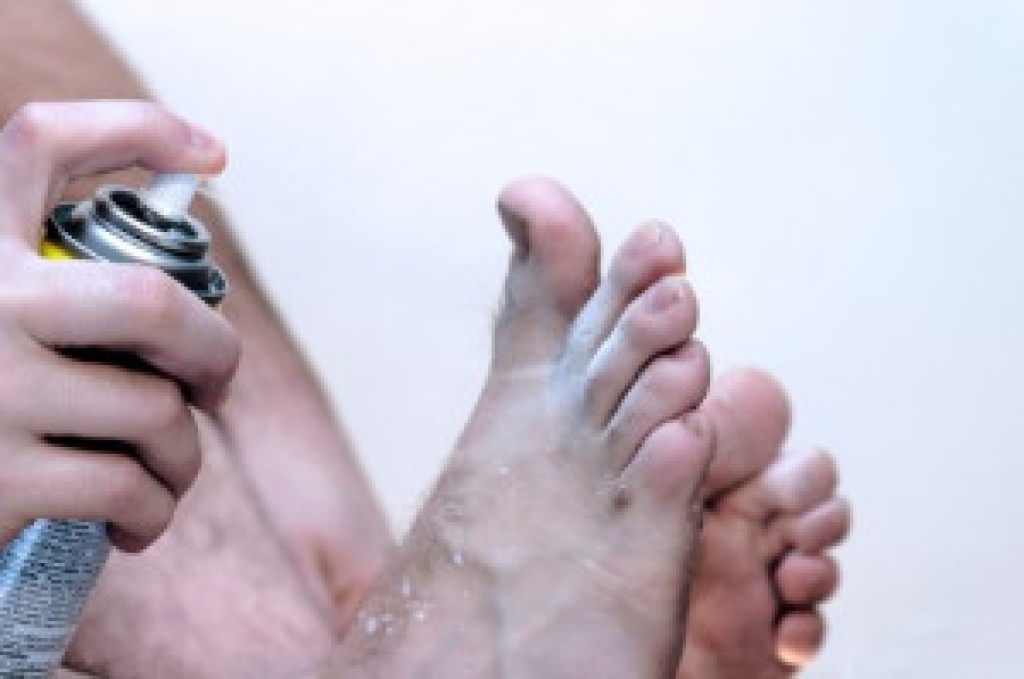
Athlete’s foot is a contagious fungal infection that can spread to the toenails and hands. The condition itself may be hard to cure, and it can be caught by direct contact with someone who has it or by touching surfaces that have been contaminated with it. The fungus has been found to thrive in damp environments such as showers, locker room floors, and around swimming pools. If you want to avoid getting athlete’s foot, you should wash your feet with soap and water and dry them thoroughly, especially between the toes. You also should avoid sharing your socks with other people since this can help spread the fungus. Lastly, be sure to change your socks when your feet get sweaty, and wear shoes that are made from a breathable material.

Athlete’s foot is an inconvenient condition that can be easily reduced with the proper treatment. If you have any concerns about your feet and ankles, contact Dr. Yeon A. Shim from Roselle Podiatry Group.  Our doctor will treat your foot and ankle needs.

Athlete’s Foot: The Sole Story

Athlete's foot, also known as tinea pedis, can be an extremely contagious foot infection. It is commonly contracted in public changing areas and bathrooms, dormitory style living quarters, around locker rooms and public swimming pools, or anywhere your feet often come into contact with other people.

Solutions to Combat Athlete’s Foot

  • Hydrate your feet by using lotion
  • Exfoliate
  • Buff off nails
  • Use of anti-fungal products
  • Examine your feet and visit your doctor if any suspicious blisters or cuts develop

Athlete’s foot can cause many irritating symptoms such as dry and flaking skin, itching, and redness. Some more severe symptoms can include bleeding and cracked skin, intense itching and burning, and even pain when walking. In the worst cases, Athlete’s foot can cause blistering as well. Speak to your podiatrist for a better understanding of the different causes of Athlete’s foot, as well as help in determining which treatment options are best for you.

If you have any questions please feel free to contact our office located in Roselle, NJ . We offer the newest diagnostic and treatment technologies for all your foot and ankle needs.
Read more about Athlete's Foot

How Alcohol May Be Linked to Gout

Gout is a form of arthritis, and it occurs as a result of uric acid buildup in the blood. This buildup of uric acid forms needle-like crystals which may cause severe pain in the joints and swelling. Although gout can be managed with proper prescription medications, people who have it should also try to make dietary changes to reduce symptoms. Studies have shown that “men who drink more than two alcoholic drinks a day - especially beer - could increase their chance of getting gout.” Researchers found that the alcoholic content in beer not only impairs the liver’s ability to detoxify uric acid, but it also affects the kidney’s ability to get rid of it. If you struggle with gout, you should consult with your podiatrist to figure out the best ways to prevent an attack in the future.

Gout is a foot condition that requires certain treatment and care. If you are seeking treatment, contact Dr. Yeon A. Shim from Roselle Podiatry Group. Our doctor will treat your foot and ankle needs.

What Is Gout?

Gout is a type of arthritis caused by a buildup of uric acid in the bloodstream. It often develops in the foot, especially the big toe area, although it can manifest in other parts of the body as well. Gout can make walking and standing very painful and is especially common in diabetics and the obese.

People typically get gout because of a poor diet. Genetic predisposition is also a factor. The children of parents who have had gout frequently have a chance of developing it themselves.

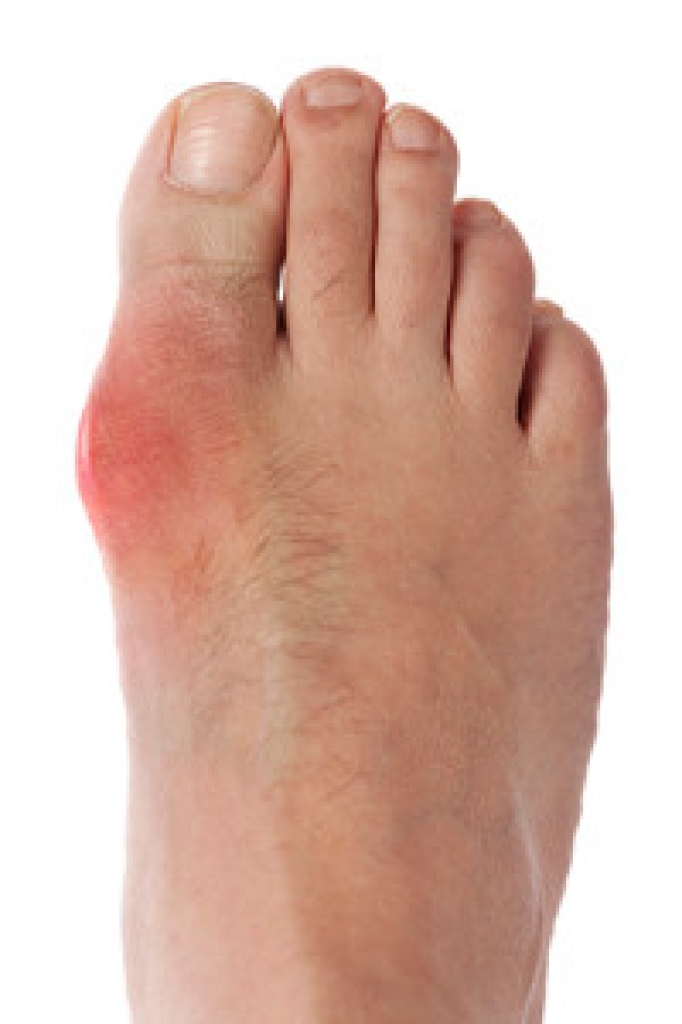
Gout can easily be identified by redness and inflammation of the big toe and the surrounding areas of the foot. Other symptoms include extreme fatigue, joint pain, and running high fevers. Sometimes corticosteroid drugs can be prescribed to treat gout, but the best way to combat this disease is to get more exercise and eat a better diet.

If you have any questions, please feel free to contact our office located in Roselle, NJ . We offer the newest diagnostic and treatment technologies for all your foot care needs.

Read more about Everything You Need to Know About Gout

The Perils of Wearing Flip Flops

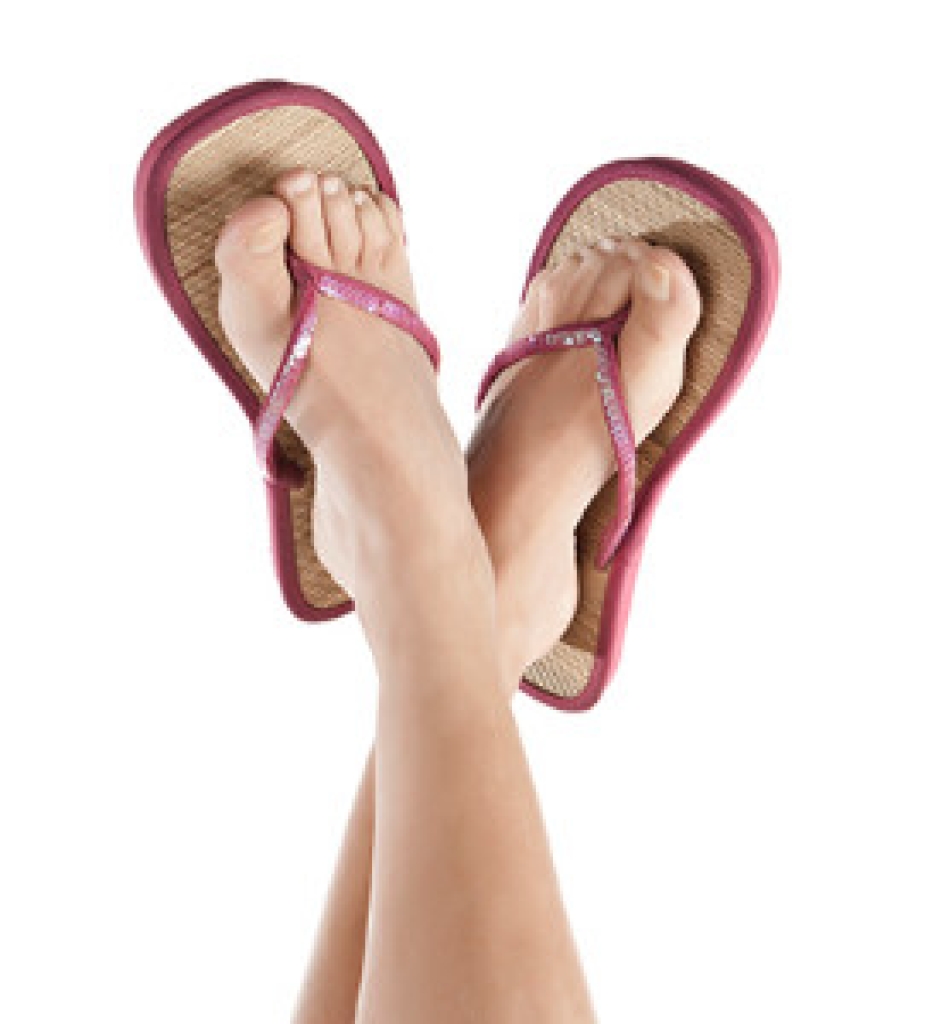
According to some podiatrists, “When you're wearing the flip-flop, your toes tend to overgrip a little bit and that can cause a lot of different types of pains, especially if you overuse them.” Flip-flops have the power to make pre-existing foot conditions like bunions and hammertoes a lot worse because they cause your foot to over-grip. While most flip-flops are bad for your feet, there are some that are better than others. If you choose to wear flip flops, you should look for a pair that have a thick sole, a thick strap, and arch support.

Flip-flops are not always the best choice of footwear. If you have any concerns about your feet or ankles, contact Dr. Yeon A. Shim from Roselle Podiatry Group. Our doctor will assist you with all of your foot and ankle needs.

Flip-Flops and Feet

When the weather starts warming up, people enjoy wearing flip-flops.  Flip-flops are comfortable, stylish, and easy to slip on and off; they're perfect for any summer beach goer.  However, these shoes can cause harm to the feet.

How Can Flip-Flops Affect Me Long-Term?

  • Ankle problems
  • Hip problems
  • Lower back problems
  • Pain in the balls of the feet
  • Problems with foot arches
  • Changes in the way you walk

Are There Injuries Associated with Flip-Flops?

Yes.  Since flip-flops are relatively weak and do not provide the same amount of support as sneakers, people who wear flip-flops regularly are more susceptible to injuries. On top of that, the open nature of the shoe makes your feet more prone to other problems, such as cuts and even infections.  Common injuries and ailments include:

  • Sprained ankles
  • Blisters
  • Infections
  • Cuts and Scrapes

I like Wearing Flip-Flops. Are There Safe Alternatives?

When buying flip-flops, try to find ones that have sturdy soles and that are made of high-quality materials that will support for your feet.  These flip-flops will cost more but will also last longer as a result.

If you have any questions, please feel free to contact our office located in Roselle, NJ . We offer the newest diagnostic and treatment technologies for all your foot care needs.

Read more about Flip Flops and Feet

Why You Shouldn’t Ignore Your Ingrown Toenail

Ingrown toenails occur when the corner or side of the nail grows into the soft flesh. Symptoms may include redness, pain, swelling, and in rare cases, infection. If your ingrown toenail pain is severe or spreading to other places, you may need to see a podiatrist. Your doctor will help give you treatment in order to alleviate the pain you are suffering. People with diabetes and other medical conditions may be at a greater risk of having complications due to ingrown toenails. In order to prevent ingrown toenails, you should always cut your nails straight across instead of in a rounded shape. Another tip is to wear protective footwear such as steel toed shoes. Checking your feet on a daily basis may be helpful in catching an ingrown toenail in its early stage, before it starts to substantially worsen.

Ingrown toenails can become painful if they are not treated properly. For more information about ingrown toenails, contact Dr. Yeon A. Shim of Roselle Podiatry Group. Our doctor can provide the care you need to keep you pain-free and on your feet.

Ingrown Toenails

Ingrown toenails occur when a toenail grows sideways into the bed of the nail, causing pain, swelling, and possibly infection.

Causes

  • Bacterial infections
  • Improper nail cutting such as cutting it too short or not straight across
  • Trauma to the toe, such as stubbing, which causes the nail to grow back irregularly
  • Ill-fitting shoes that bunch the toes too close together
  • Genetic predisposition

Prevention

Because ingrown toenails are not something found outside of shoe-wearing cultures, going barefoot as often as possible will decrease the likeliness of developing ingrown toenails. Wearing proper fitting shoes and using proper cutting techniques will also help decrease your risk of developing ingrown toenails.

Treatment

Ingrown toenails are a very treatable foot condition. In minor cases, soaking the affected area in salt or antibacterial soaps will not only help with the ingrown nail itself, but also help prevent any infections from occurring. In more severe cases, surgery is an option. In either case, speaking to your podiatrist about this condition will help you get a better understanding of specific treatment options that are right for you.

If you have any questions, please feel free to contact our office located in Roselle, NJ . We offer the newest diagnostic and treatment technologies for all your foot care needs.

Read more about Ingrown Toenail Care
scroll to top