Blog

Where Are the Sesamoid Bones?

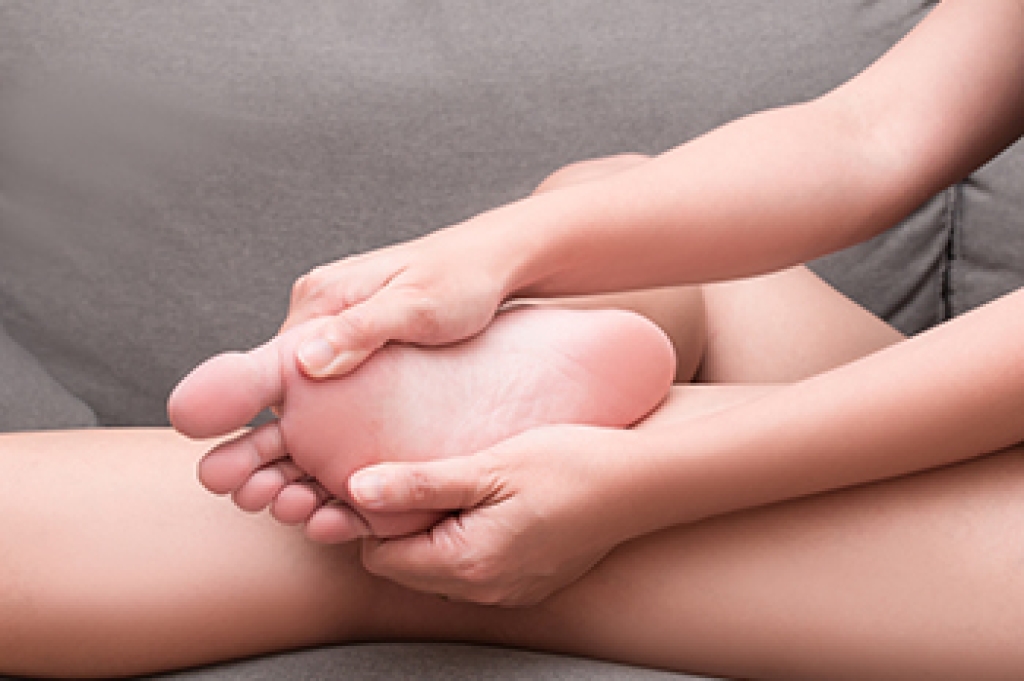
Sesamoiditis is an inflammation of the sesamoid bones. They are located in the ball of the foot and the pain is often found under the joint of the big toe. Their function is to push off while walking or running and can become inflamed if an injury occurs. Treatment often begins with resting and elevating the affected foot. Engaging in low-impact exercises such as swimming or cycling may help to accelerate the healing process. Wearing shoes that have a lower heel may relieve some of the pain as well as taping the big toe. In severe cases, a cast shoe may be recommended to wear as they are made of plastic or wooden soles which can be beneficial in keeping the toes straight while walking. The average recovery time for sesamoiditis may be up to six weeks and normal activities can be resumed when everyday shoes are worn without pain. If you experience any foot pain, it is advised that you consult a podiatrist who can properly diagnose and treat this ailment. 

Sesamoiditis is an unpleasant foot condition characterized by pain in the balls of the feet. If you think you’re struggling with sesamoiditis, contact Dr. Yeon A. Shim of Roselle Podiatry Group. Our doctor will treat your condition thoroughly and effectively.

Sesamoiditis

Sesamoiditis is a condition of the foot that affects the ball of the foot. It is more common in younger people than it is in older people. It can also occur with people who have begun a new exercise program, since their bodies are adjusting to the new physical regimen. Pain may also be caused by the inflammation of tendons surrounding the bones. It is important to seek treatment in its early stages because if you ignore the pain, this condition can lead to more serious problems such as severe irritation and bone fractures.

Causes of Sesamoiditis

  • Sudden increase in activity
  • Increase in physically strenuous movement without a proper warm up or build up
  • Foot structure: those who have smaller, bonier feet or those with a high arch may be more susceptible

Treatment for sesamoiditis is non-invasive and simple. Doctors may recommend a strict rest period where the patient forgoes most physical activity. This will help give the patient time to heal their feet through limited activity. For serious cases, it is best to speak with your doctor to determine a treatment option that will help your specific needs.

If you have any questions, please feel free to contact our office located in Roselle, NJ . We offer the newest diagnostic and treatment technologies for all your foot care needs.

Read more about Sesamoiditis

Plantar Warts Can Be Treated!

Plantar warts are small growths that develop on parts of the feet that bear weight. They're typically found on the bottom of the foot. Don't live with plantar warts, and call us today!

What Does Sever’s Disease Feel Like?

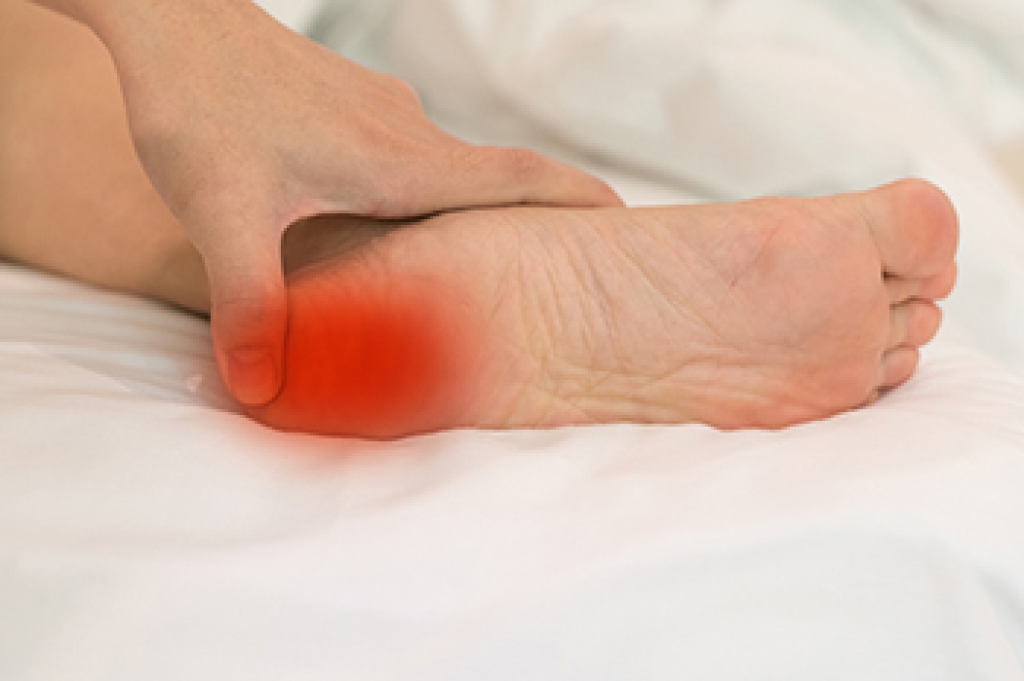
  1. Sever’s disease, or calcaneal apophysitis, is a particular kind of foot condition that can occur in children when microfractures develop near where the Achilles tendon meets the heel bone. Young boys are most susceptible to developing Sever’s disease, often from overuse due to playing sports or other physical activities. Although it may vary from person to person, Sever’s disease often produces a kind of heel pain. In some patients, the heel pain can be quite painful. A child may have a severe kind of heel pain that causes limping. Oftentimes, a child will not feel any swelling around the affected area. Sever’s disease can sometimes feel like plantar fasciitis, another source of heel pain. However, one important distinction between the two is that heel pain from plantar fasciitis is typically most pronounced at the beginning of the commencement of movement and will then go away. If you suspect that your child has Sever’s disease, consult a podiatrist today.

Sever's disease often occurs in children and teens. If your child is experiencing foot or ankle pain, see Dr. Yeon A. Shim from Roselle Podiatry Group. Our doctor can treat your child’s foot and ankle needs.

Sever’s Disease

Sever’s disease is also known as calcaneal apophysitis, which is a medical condition that causes heel pain I none or both feet. The disease is known to affect children between the ages of 8 and 14.

Sever’s disease occurs when part of the child’s heel known as the growth plate (calcaneal epiphysis) is attached to the Achilles tendon. This area can suffer injury when the muscles and tendons of the growing foot do not keep pace with bone growth. Therefore, the constant pain which one experiences at the back of the heel will make the child unable to put any weight on the heel. The child is then forced to walk on their toes.

Symptoms

Acute pain – Pain associated with Sever’s disease is usually felt in the heel when the child engages in physical activity such as walking, jumping and or running.

Highly active – Children who are very active are among the most susceptible in experiencing Sever’s disease, because of the stress and tension placed on their feet.

If you have any questions, please feel free to contact our office located in Roselle, NJ . We offer the newest diagnostic and treatment technologies for all your foot care needs.
Read more about Sever's Disease

How Should Shoes Fit?

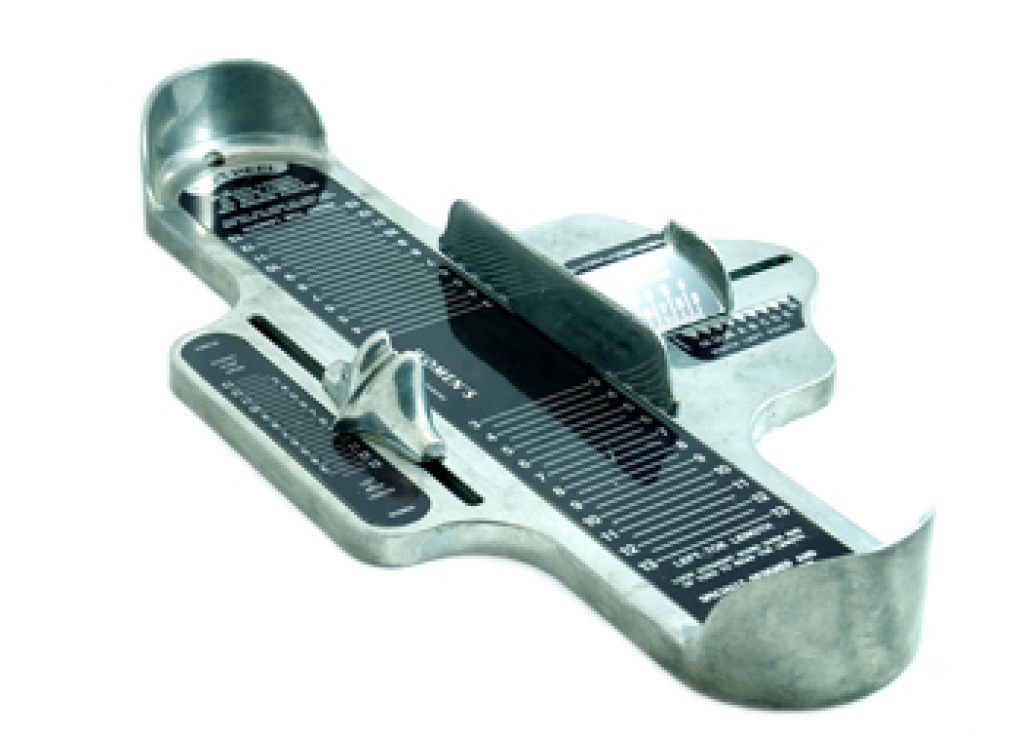
A good shoe should fit the shape of your foot. Poorly fitting shoes can cause all sorts of foot problems, including corns and bunions. With properly fitted shoes, your toes should be able to wiggle comfortably without hanging off the front of the shoe. Your heel should fit snugly and securely without feeling like it is slipping up and down. It is best to get your feet measured since one foot is usually larger than the other. Try shoes on both feet. Shoes should fit the larger foot. Pay attention to whether the shoes rub or pinch anywhere. Shoes should have at least ¼ inch between the longest toe and the end of the shoe for proper fit. For shoes with heels, make sure the toes lie together and are not cramped from wearing too high of a heel. If you plan to wear socks or stockings with shoes, try them on with those foot coverings. If you have questions about the proper fit of shoes, consult with a podiatrist who can help you.

It is important to find shoes that fit you properly in order to avoid a variety of different foot problems. For more information about treatment, contact Dr. Yeon A. Shim from Roselle Podiatry Group. Our doctor will treat your foot and ankle needs.

Proper Shoe Fitting

Shoes have many different functions. They cushion our body weight, protect our feet, and allow us to safely play sports. You should always make sure that the shoes you wear fit you properly in order to avoid injuries and deformities such as: bunions, corns, calluses, hammertoes, plantar fasciitis, stress fractures, and more. It is important to note that although a certain pair of shoes might be a great fit for someone else, that doesn’t mean they will be a great fit for you. This is why you should always try on shoes before buying them to make sure they are worth the investment. Typically, shoes need to be replaced ever six months to one year of regular use.

Tips for Proper Shoe Fitting

  • Select a shoe that is shaped like your foot
  • Don’t buy shoes that fit too tight, expecting them to stretch to fit
  • Make sure there is enough space (3/8” to ½”) for your longest toe at the end of each shoe when you are standing up
  • Walk in the shoes to make sure they fit and feel right
  • Don’t select shoes by the size marked inside the shoe, but by how the shoe fits your foot

The shoes you buy should always feel as good as they look. Shoes that fit properly will last longer, feel better, and improve your way of life each day.

If you have any questions please contact our office located in Roselle, NJ . We offer the newest diagnostic and treatment technologies for all your foot and ankle needs.

Read more about Proper Shoe Fitting

Plantar Fasciitis May Develop From Several Reasons

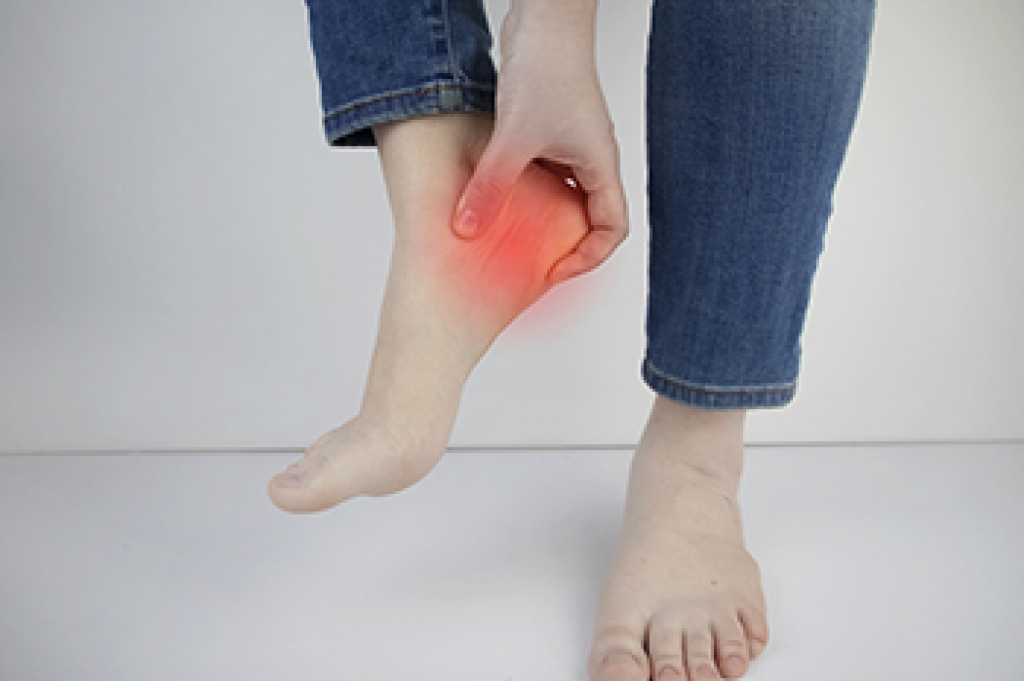
When the plantar fascia becomes inflamed, it may be indicative of a foot condition referred to as plantar fasciitis. Research has shown plantar fasciitis affects approximately 10% of the population worldwide, and often causes severe heel pain. The plantar fascia, found on the sole of the foot, is a band of tissue that connects the heel to the toes. Excessive running or wearing shoes that do not fit correctly may cause the plantar fascia to become inflamed. Additionally, plantar fasciitis may develop from standing on hard surfaces for most of the day, or if the tissue becomes overstretched. Relief may be found when specific stretches are performed and shoes that are worn that have adequate cushioning. In severe cases, surgery may be necessary to permanently repair the plantar fascia. In patients who are overweight, it is suggested that eating healthy foods can help to reduce the effect body’s weight has on the soles of the feet. If you have heel pain, it is strongly suggested that you schedule an appointment with a podiatrist as quickly as possible who can diagnose and treat plantar fasciitis.

Plantar fasciitis can be very painful and inconvenient. If you are experiencing heel pain or symptoms of plantar fasciitis, contact Dr. Yeon A. Shim  from Roselle Podiatry Group. Our doctor can provide the care you need to keep you pain-free and on your feet.

What Is Plantar Fasciitis?

Plantar fasciitis is the inflammation of the thick band of tissue that runs along the bottom of your foot, known as the plantar fascia, and causes mild to severe heel pain.

What Causes Plantar Fasciitis?

  • Excessive running
  • Non-supportive shoes
  • Overpronation
  • Repeated stretching and tearing of the plantar fascia

How Can It Be Treated?

  • Conservative measures – anti-inflammatories, ice packs, stretching exercises, physical therapy, orthotic devices
  • Shockwave therapy – sound waves are sent to the affected area to facilitate healing and are usually used for chronic cases of plantar fasciitis
  • Surgery – usually only used as a last resort when all else fails. The plantar fascia can be surgically detached from the heel

While very treatable, plantar fasciitis is definitely not something that should be ignored. Especially in severe cases, speaking to your doctor right away is highly recommended to avoid complications and severe heel pain. Your podiatrist can work with you to provide the appropriate treatment options tailored to your condition.

If you have any questions, please feel free to contact our office located in Roselle, NJ . We offer the newest diagnostic and treatment technologies for all your foot care needs.
Read more about Plantar Fasciitis
scroll to top