Blog

Where Can Corns Develop?

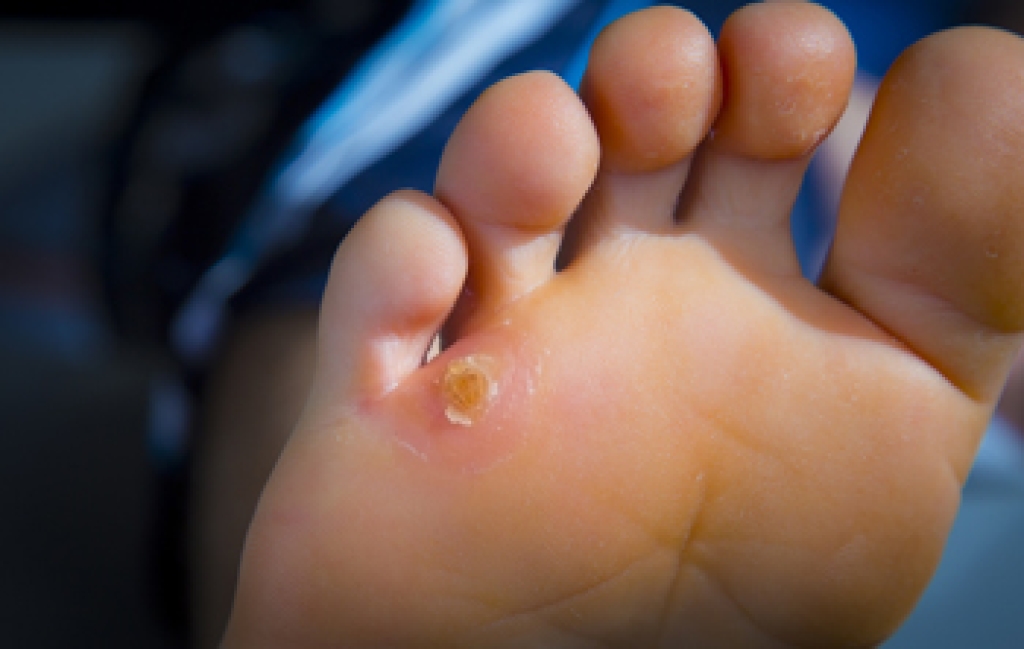
Patients who have a corn on their foot are often aware of the pain and discomfort they can cause. They can develop as a result of excess friction on different areas of the foot. Soft corns are found between the toes, which can make it painful to walk. They are a small, hardened area of skin that stays moist between the toes. Additionally, corns can form on the bottom of the foot, or on the outside of the pinky toe. Many people who develop corns wear shoes that are too tight, and do not fit correctly. Mild relief can be found when a protective pad is worn over the corn, and this may help to diminish a portion of the friction. If you have corns on your feet, it is suggested that you speak with a podiatrist who can recommend an appropriate treatment method for you.

Corns can make walking very painful and should be treated immediately. If you have questions regarding your feet and ankles, contact Dr. Yeon A. Shim of Roselle Podiatry Group. Our doctor will treat your foot and ankle needs.

Corns: What Are They? And How Do You Get Rid of Them?
Corns are thickened areas on the skin that can become painful. They are caused by excessive pressure and friction on the skin. Corns press into the deeper layers of the skin and are usually round in shape.

Ways to Prevent Corns
There are many ways to get rid of painful corns such as:

  • Wearing properly fitting shoes that have been measured by a professional
  • Wearing shoes that are not sharply pointed or have high heels
  • Wearing only shoes that offer support

Treating Corns

Although most corns slowly disappear when the friction or pressure stops, this isn’t always the case. Consult with your podiatrist to determine the best treatment option for your case of corns.

If you have any questions, please feel free to contact our office located in Roselle, NJ . We offer the newest diagnostic and treatment technologies for all your foot care needs.

Read more about Corns and Calluses

How Nerve Damage Can Affect a Diabetic Patient’s Feet

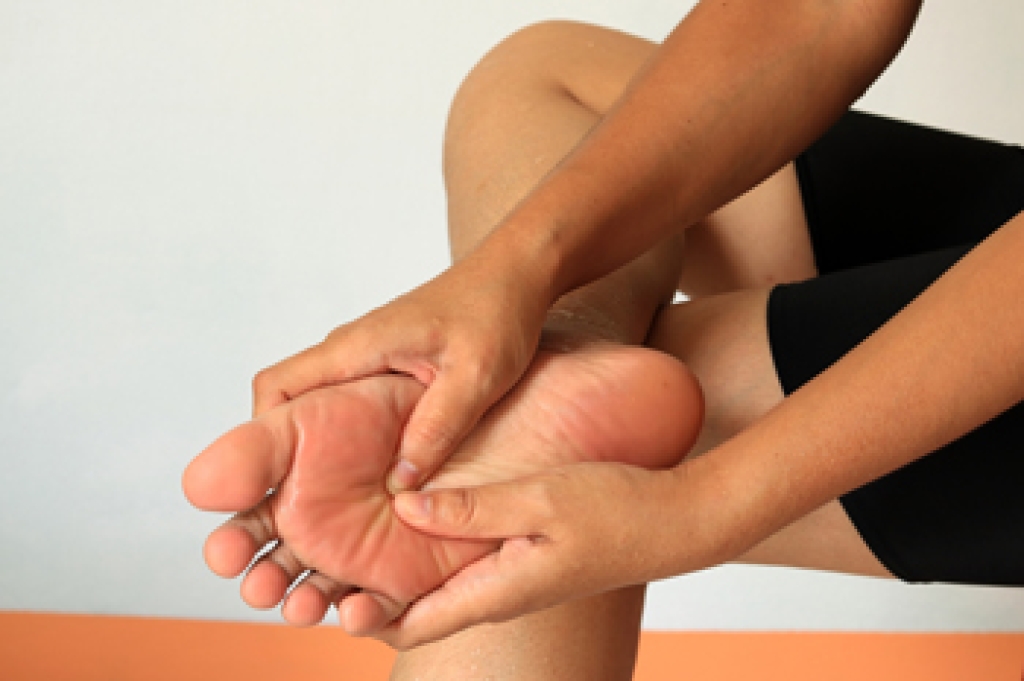
Neuropathy, or nerve damage, is a condition many people with diabetes also suffer from. Heightened levels of sugar in the bloodstream due to diabetes can cause impaired nerve and blood vessel functionality. Peripheral neuropathy—the most common form of neuropathy in diabetics—affects the feet and legs. It can damage blood vessels’ ability to provide nutrients and oxygen to nerves in the feet and also reduce the signals those nerves send to the brain. Symptoms of peripheral neuropathy may include a burning sensation—or numbness, tingling, tightness or sharp pains—in the feet. Excessive sweating or a heaviness in the legs or arms may also occur. Diabetic patients may help reduce or prevent nerve damage by controlling blood sugar levels, reducing blood pressure, refraining from smoking or drinking alcohol, and losing weight. If you have diabetes, it is suggested that you contact a podiatrist to help manage the impact this disease can have on your feet.


Neuropathy

Neuropathy can be a potentially serious condition, especially if it is left undiagnosed. If you have any concerns that you may be experiencing nerve loss in your feet, consult with Dr. Yeon A. Shim from Roselle Podiatry Group. Our doctor will assess your condition and provide you with quality foot and ankle treatment for neuropathy.

What Is Neuropathy?

Neuropathy is a condition that leads to damage to the nerves in the body. Peripheral neuropathy, or neuropathy that affects your peripheral nervous system, usually occurs in the feet. Neuropathy can be triggered by a number of different causes. Such causes include diabetes, infections, cancers, disorders, and toxic substances.

Symptoms of Neuropathy Include:

  • Numbness
  • Sensation loss
  • Prickling and tingling sensations
  • Throbbing, freezing, burning pains
  • Muscle weakness

Those with diabetes are at serious risk due to being unable to feel an ulcer on their feet. Diabetics usually also suffer from poor blood circulation. This can lead to the wound not healing, infections occurring, and the limb may have to be amputated.

Treatment

To treat neuropathy in the foot, podiatrists will first diagnose the cause of the neuropathy. Figuring out the underlying cause of the neuropathy will allow the podiatrist to prescribe the best treatment, whether it be caused by diabetes, toxic substance exposure, infection, etc. If the nerve has not died, then it’s possible that sensation may be able to return to the foot.

Pain medication may be issued for pain. Electrical nerve stimulation can be used to stimulate nerves. If the neuropathy is caused from pressure on the nerves, then surgery may be necessary.

If you have any questions, please feel free to contact our office located in Roselle, NJ . We offer the newest diagnostic and treatment technologies for all your foot care needs.
Read more about Neuropathy

Shoe Sizing: It's Not Always Numbers

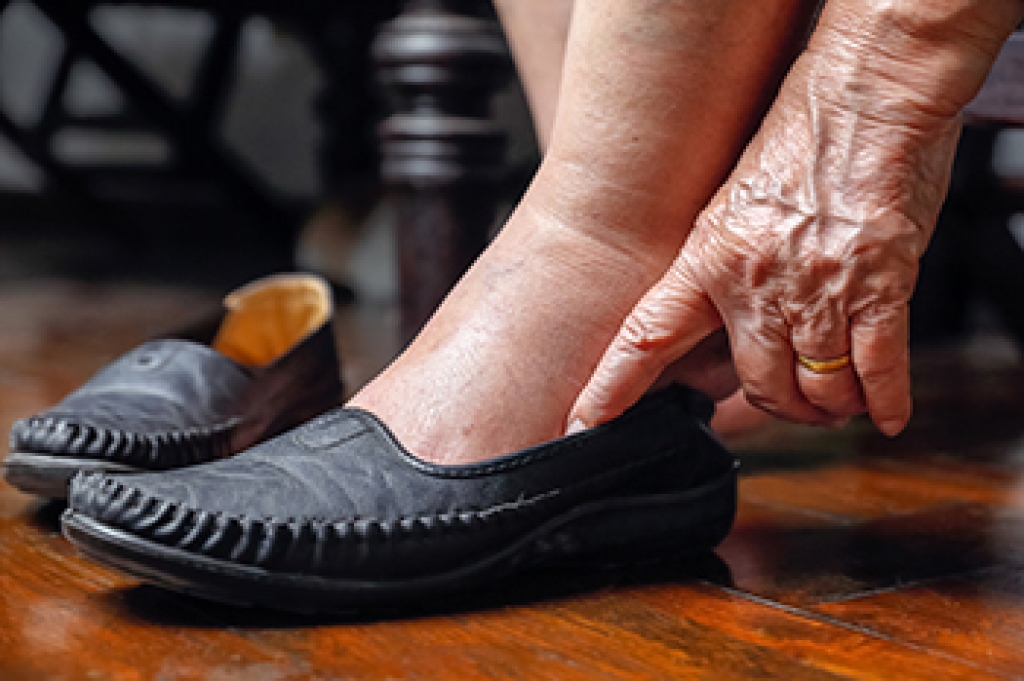
When buying new shoes, it can sometimes be difficult to find the right fit. There are several things to pay attention to when looking for a new pair of shoes other than just the numerical size. First, you want to make sure that the shoe is the right width. The widest point of the shoe is usually also the flex point, where the shoe is designed to bend with your foot. The right shoe for you will fit your foot snuggly at the widest point. You should also pay attention to the materials that the shoe is made of. Different materials have different purposes and will stretch and fit your foot differently over time. What you will use the shoe for is also important to consider. Finally, if you have any foot conditions, such as flat feet or bunions, or if you use orthotic inserts, this will affect the kind of shoe you should buy. For more information about how to find the right shoes for you, please consult with a podiatrist. 

Finding a properly-fitting shoe is important in reducing injuries and preventing foot problems. For more information about treatment, contact Dr. Yeon A. Shim from Roselle Podiatry Group. Our doctor will treat your foot and ankle needs.

Proper Shoe Fitting

A common concern when it comes to foot health, having properly fitted shoes can help prevent injuries to the foot. Out feet affect our posture and gait, which in turn affects the biomechanics and overall bodily structure. With 33 joints, 26 bones, and over 100 ligaments, the potential for serious injury is much greater than one realizes. Although the feet cease growth in adulthood, they still change shape as they mature. Here are some factors to consider when it comes to investing in proper fitting shoes:

  • Be sure the shoes fit correctly right away
  • Ensure the ball of your foot fits comfortably in the widest portion of the shoes
  • Even though they may look fashionable, improper fitting shoes can either create adverse conditions or exacerbate existing ones you may already have
  • Walk along a carpeted surface to ensure the shoes comfortably fit during normal activity

Keeping in mind how shoes fit the biomechanics of your body, properly-fitting shoes are vitally important. Fortunately, it is not difficult to acquire footwear that fits correctly. Be sure to wear shoes that support the overall structure of your body. Do your feet a favor and invest in several pairs of well-fitted shoes today.

If you have any questions, please feel free to contact our office located in Roselle, NJ . We offer the newest diagnostic and treatment technologies for all your foot care needs.
Read more about How to Get a Proper Shoe Fit

What Does Sesamoiditis Look Like?

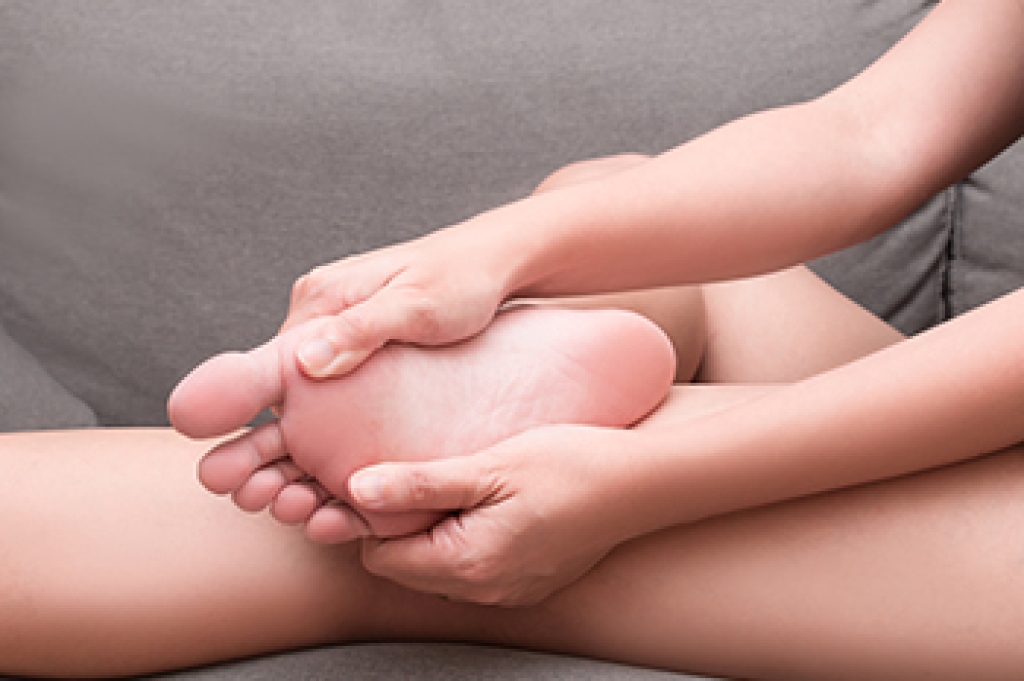
Sesamoiditis is a condition in which the sesamoids, two pea-shaped bones located beneath the big toe joint in the ball of the foot, are injured. Sesamoiditis is not visible to the naked eye, but can be diagnosed by a podiatrist. People with sesamoiditis typically feel a slow, steady onset of pain beneath the big toe. The pain tends to be worse when the foot is bearing weight and improves when the foot is elevated or at rest. The area directly beneath one or both sesamoid bones may be tender to the touch. The big toe will usually have a normal range of motion, but it may hurt to move it upwards. X-rays may be ordered to confirm the diagnosis and rule out other conditions, such as fractures, that can cause similar symptoms. If you suspect that you have sesamoiditis, please see a podiatrist for a proper diagnosis and treatment.

Sesamoiditis is an unpleasant foot condition characterized by pain in the balls of the feet. If you think you’re struggling with sesamoiditis, contact Dr. Yeon A. Shim of Roselle Podiatry Group. Our doctor will treat your condition thoroughly and effectively.

Sesamoiditis

Sesamoiditis is a condition of the foot that affects the ball of the foot. It is more common in younger people than it is in older people. It can also occur with people who have begun a new exercise program, since their bodies are adjusting to the new physical regimen. Pain may also be caused by the inflammation of tendons surrounding the bones. It is important to seek treatment in its early stages because if you ignore the pain, this condition can lead to more serious problems such as severe irritation and bone fractures.

Causes of Sesamoiditis

  • Sudden increase in activity
  • Increase in physically strenuous movement without a proper warm up or build up
  • Foot structure: those who have smaller, bonier feet or those with a high arch may be more susceptible

Treatment for sesamoiditis is non-invasive and simple. Doctors may recommend a strict rest period where the patient forgoes most physical activity. This will help give the patient time to heal their feet through limited activity. For serious cases, it is best to speak with your doctor to determine a treatment option that will help your specific needs.

If you have any questions, please feel free to contact our office located in Roselle, NJ . We offer the newest diagnostic and treatment technologies for all your foot care needs.

Read more about Sesamoiditis
scroll to top