Blog

What Are Common Running Injuries?

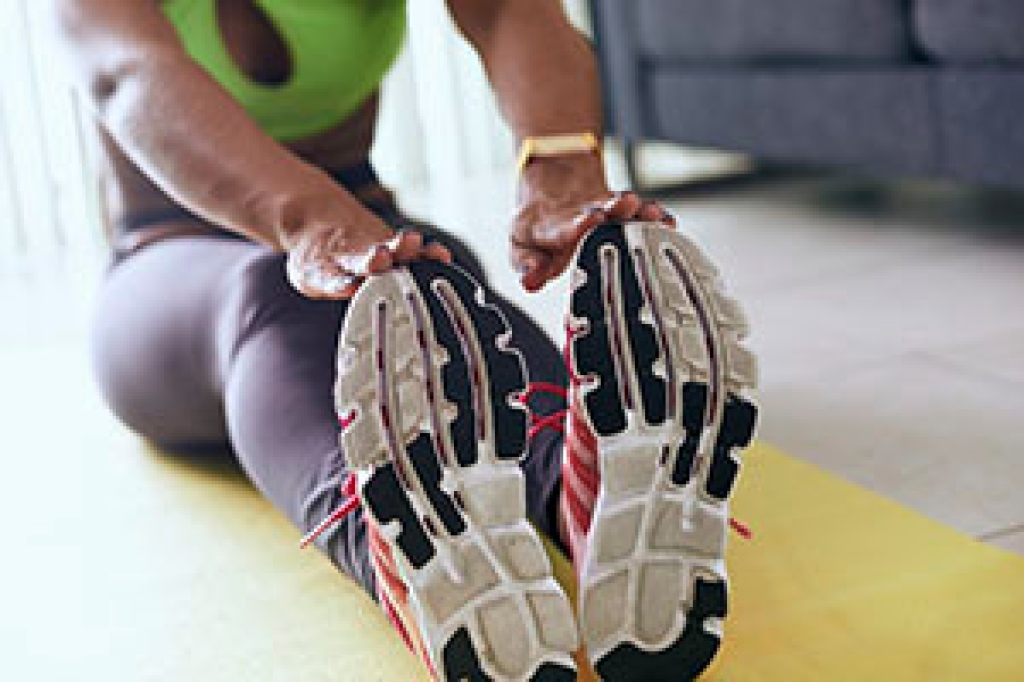
The benefits of incorporating running into a frequent routine can include burning excess calories and toning the body. Despite the benefits people may experience from running, there are a variety of foot injuries that can occur. These can include black toenails, which can happen from the nail consistently hitting the top of the shoe. This can cause bleeding underneath the toenail, and the nail may gradually fall off. Additionally, plantar fasciitis can result from wearing shoes that do not fit correctly, or from running on uneven surfaces. Patients may develop blisters and heel spurs, which can make it painful to run. If you would like more information about how to prevent running injuries, it is recommended that you confer with a podiatrist who can address any concerns that you may have.

Exercising your feet regularly with the proper foot wear is a great way to prevent injuries. If you have any concerns about your feet, contact Dr. Yeon A. Shim of Roselle Podiatry Group. Our doctor will treat your foot and ankle needs.

How to Prevent Running Injuries

Many common running injuries are caused by overuse and overtraining. When the back of the kneecap starts wearing out and starts causing pain in your knee, this is commonly referred to as runner’s knee. Runner’s knee is a decrease in strength in your quadriceps and can occur if you’re not wearing properly fitted or supporting shoes. To prevent runner’s knee, focusing on hip strengthening is a good idea, as well as strengthening your quads to keep the kneecaps aligned.

What Are Some Causes of Running Injuries? 
- One cause of a common running injury is called iliotibial band syndrome.
- Plantar fasciitis is also another common injury.
- Stress fractures can occur from overtraining, lack of calcium, or even your running style.

Best Ways to Prevent Running Injuries
- Wear footwear that fits properly and suits your running needs.
- Running shoes are the only protective gear that runners have to safeguard them from injury.
- Make a training schedule. Adding strengthening exercises as well as regular stretching can help keep you strong and limber and can lessen the possibility of injuries.
- Stretching keeps muscles limber; this will help you gain better flexibility.

If you have any questions, please feel free to contact our office located in Roselle, NJ . We offer the newest diagnostic and treatment technologies for all your foot care needs.

Read more about How to Prevent Running Injuries

It's Time for Beautiful Feet

You don't need an excuse to have beautiful nails. Step outside without worrying about the appearance of your feet.

When to See a Podiatrist for Flat Feet

Flat feet is a common condition that occurs when the feet are pressed flat while standing. Flat feet are not usually serious, and they shouldn’t stop you from your physical activity. However, there are some scenarios in which visiting a podiatrist is suggested for flat feet. If your flat feet are painful, stiff or weak, if you frequently get foot or ankle injuries, have a balance problem, or only one foot is affected, you should see a podiatrist. In severe cases, surgery may be required, however in most cases a podiatrist will be able to suggest proper footwear and orthotics as well as exercises and foot stretches to help your condition.

Flatfoot is a condition many people suffer from. If you have flat feet, contact Dr. Yeon A. Shim from Roselle Podiatry Group. Our doctor will treat your foot and ankle needs.

What Are Flat Feet?

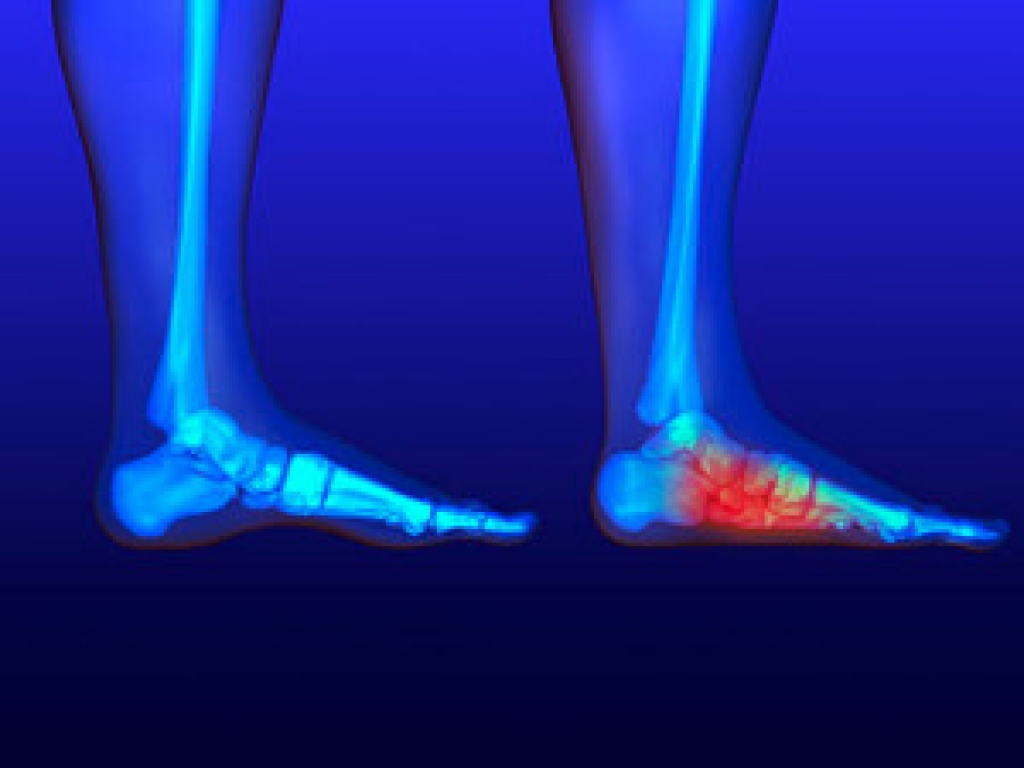
Flatfoot is a condition in which the arch of the foot is depressed and the sole of the foot is almost completely in contact with the ground. About 20-30% of the population generally has flat feet because their arches never formed during growth.

Conditions & Problems:

Having flat feet makes it difficult to run or walk because of the stress placed on the ankles.

Alignment – The general alignment of your legs can be disrupted, because the ankles move inward which can cause major discomfort.

Knees – If you have complications with your knees, flat feet can be a contributor to arthritis in that area.  

Symptoms

  • Pain around the heel or arch area
  • Trouble standing on the tip toe
  • Swelling around the inside of the ankle
  • Flat look to one or both feet
  • Having your shoes feel uneven when worn

Treatment

If you are experiencing pain and stress on the foot you may weaken the posterior tibial tendon, which runs around the inside of the ankle. 

If you have any questions, please feel free to contact our office located in Roselle, NJ . We offer the newest diagnostic and treatment technologies for all your foot care needs.

Read more about Flat Feet

Causes of Heel Pain

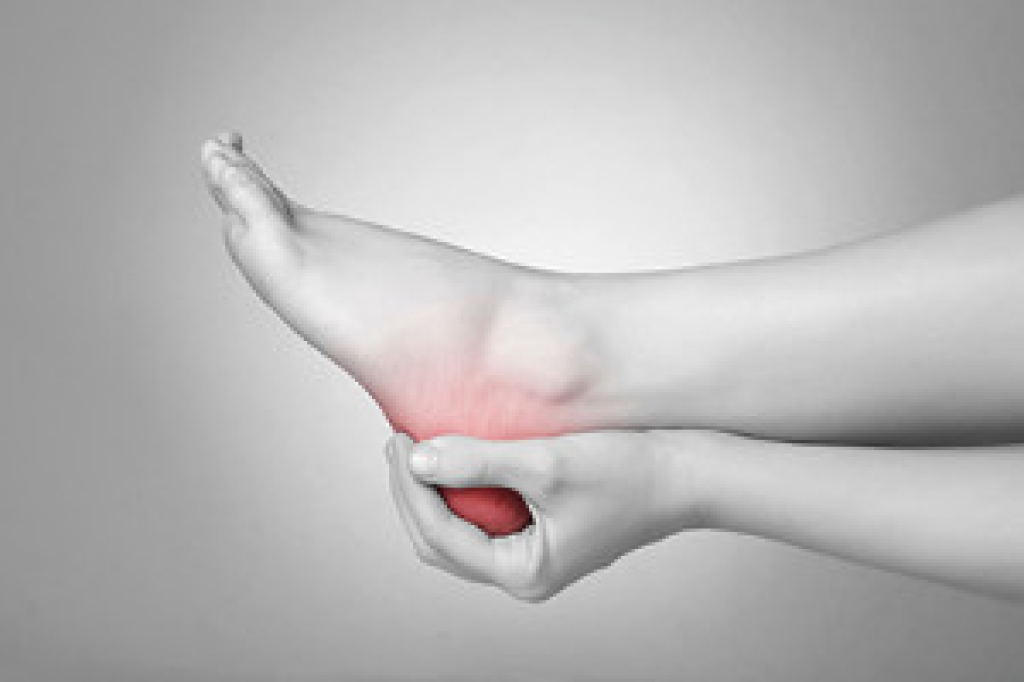
Heel pain can be debilitating and can form due to a variety of reasons. The most common cause of heel pain occurs when the band of tissue that connects the heel bone to the toes, known as the plantar fascia, becomes inflamed causing plantar fasciitis. When the Achilles tendon becomes inflamed Achilles tendonitis may occur, and this can lead to heel pain too. Heel pain can also be caused by a natural wearing of the fat pad which is connected to the heel, as well as stress fractures, bursitis, or a variety of diseases such as arthritis and gout. If you are suffering from heel pain it is highly recommended that you visit a podiatrist who can determine what the cause of your pain is. A podiatrist will be able to provide a proper treatment plan for your heel pain as well.

Many people suffer from bouts of heel pain. For more information, contact Dr. Yeon A. Shim of Roselle Podiatry Group. Our doctor can provide the care you need to keep you pain-free and on your feet.

Causes of Heel Pain

Heel pain is often associated with plantar fasciitis. The plantar fascia is a band of tissues that extends along the bottom of the foot. A rip or tear in this ligament can cause inflammation of the tissue.

Achilles tendonitis is another cause of heel pain. Inflammation of the Achilles tendon will cause pain from fractures and muscle tearing. Lack of flexibility is also another symptom.

Heel spurs are another cause of pain. When the tissues of the plantar fascia undergo a great deal of stress, it can lead to ligament separation from the heel bone, causing heel spurs.

Why Might Heel Pain Occur?

  • Wearing ill-fitting shoes                
  • Wearing non-supportive shoes
  • Weight change           
  • Excessive running

Treatments

Heel pain should be treated as soon as possible for immediate results. Keeping your feet in a stress-free environment will help. If you suffer from Achilles tendonitis or plantar fasciitis, applying ice will reduce the swelling. Stretching before an exercise like running will help the muscles. Using all these tips will help make heel pain a condition of the past.

If you have any questions, please feel free to contact our office located in Roselle, NJ . We offer the newest diagnostic and treatment technologies for all your foot care needs.

Read more about Heel Pain

Understanding Sesamoiditis

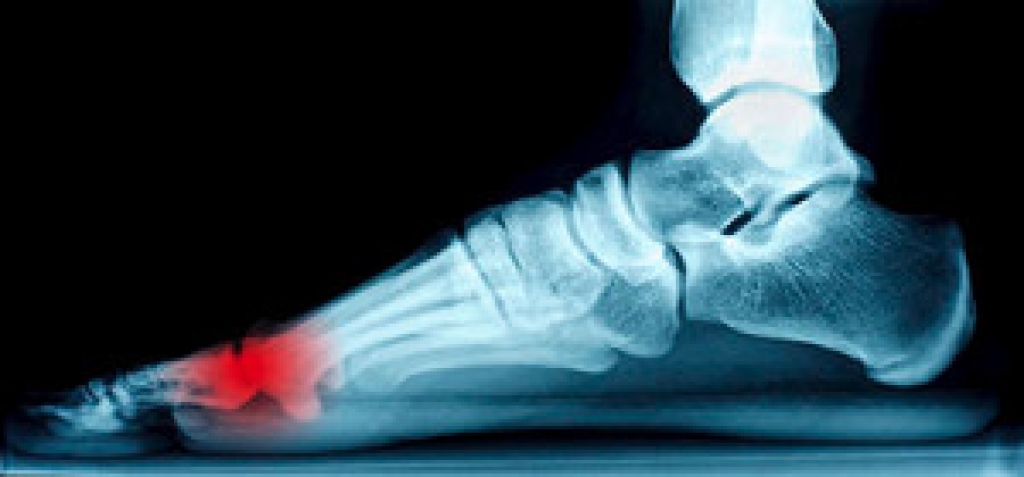
Pain in the sesamoid bones, which are located beneath the metatarsal bone under the big toe, is known as sesamoiditis. Sesamoiditis usually comes on gradually and is indicated by a mild ache that increases to an intense throbbing. Increasing activity that puts pressure on the ball of the foot often leads to this condition. Having a bony foot or high arches can put more pressure on the sesamoid bones, which can lead to inflammation. Treatment options for sesamoiditis are noninvasive. Mild cases usually require rest and possibly a shoe pad that reduces pressure on the bones. More severe cases may require the big toe to be immobilized in order to allow for healing. Ice and anti-inflammatories may be helpful in decreasing inflammation. If you are struggling with pain in your sesamoid bones, it is important to consult with a podiatrist for a proper diagnosis and treatment plan.

Sesamoiditis is an unpleasant foot condition characterized by pain in the balls of the feet. If you think you’re struggling with sesamoiditis, contact Dr. Yeon A. Shim of Roselle Podiatry Group. Our doctor will treat your condition thoroughly and effectively.

Sesamoiditis

Sesamoiditis is a condition of the foot that affects the ball of the foot. It is more common in younger people than it is in older people. It can also occur with people who have begun a new exercise program, since their bodies are adjusting to the new physical regimen. Pain may also be caused by the inflammation of tendons surrounding the bones. It is important to seek treatment in its early stages because if you ignore the pain, this condition can lead to more serious problems such as severe irritation and bone fractures.

Causes of Sesamoiditis

  • Sudden increase in activity
  • Increase in physically strenuous movement without a proper warm up or build up
  • Foot structure: those who have smaller, bonier feet or those with a high arch may be more susceptible

Treatment for sesamoiditis is non-invasive and simple. Doctors may recommend a strict rest period where the patient forgoes most physical activity. This will help give the patient time to heal their feet through limited activity. For serious cases, it is best to speak with your doctor to determine a treatment option that will help your specific needs.

If you have any questions, please feel free to contact our office located in Roselle, NJ . We offer the newest diagnostic and treatment technologies for all your foot care needs.

Read more about Sesamoiditis
scroll to top