Blog

Pain Caused by Sesamoiditis

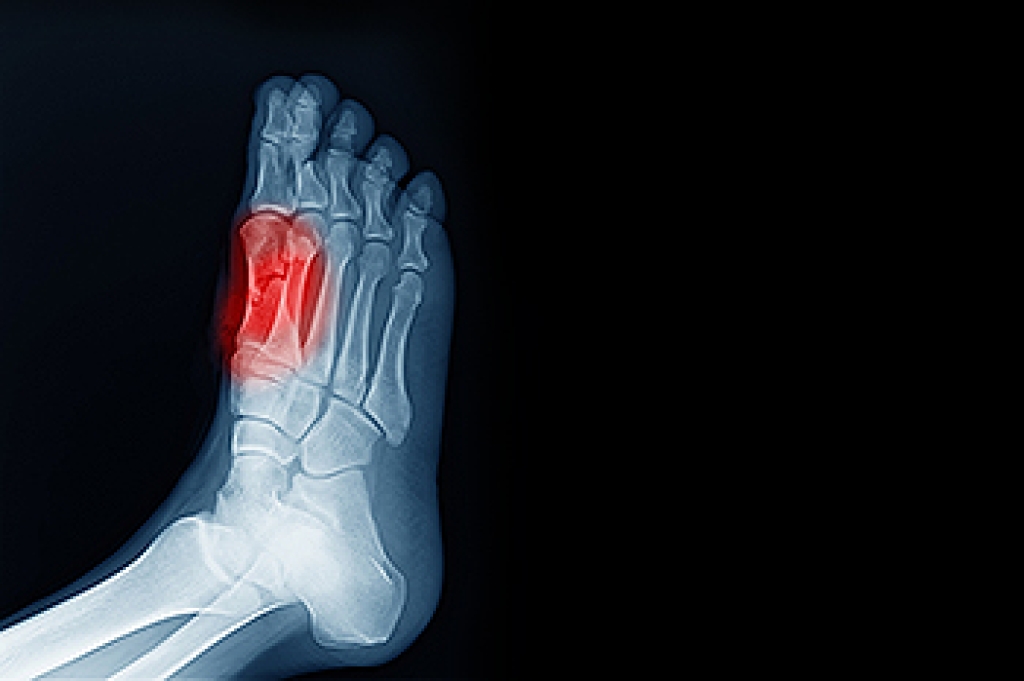
Sesamoiditis causes pain beneath the big toe and is often exacerbated by weight-bearing and specific footwear choices. The two tiny sesamoid bones, located just below the big toe, are integral to foot locomotion. They can be affected by direct trauma or positional changes, especially in individuals with high-arched feet, bunions, or those who wear high heels. For dancers, joggers, and those individuals with certain foot structures, the discomfort associated with sesamoiditis can be particularly challenging. Diagnosis by a podiatrist relies on examination of the toe, and determining range of motion. Other tests, such as synovial fluid analysis and X-rays, may be used to exclude infection and fractures. Pain from sesamoiditis is often intensified by walking and may involve inflammation, warmth, and swelling around the 1st metatarsophalangeal, or MTP, joint. Footwear modification and custom orthotics can play a pivotal role in managing symptoms. Wearing thick-soled shoes may also help alleviate sesamoid pressure. In cases where a sesamoid fracture without displacement is identified, treatment involves immobilizing the joint with a flat, rigid, surgical shoe. For help with pain resulting from sesamoiditis, it is suggested that you schedule an appointment with a podiatrist for an exam and treatment.

Sesamoiditis is an unpleasant foot condition characterized by pain in the balls of the feet. If you think you’re struggling with sesamoiditis, contact Dr. Yeon A. Shim of Roselle Podiatry Group. Our doctor will treat your condition thoroughly and effectively.

Sesamoiditis

Sesamoiditis is a condition of the foot that affects the ball of the foot. It is more common in younger people than it is in older people. It can also occur with people who have begun a new exercise program, since their bodies are adjusting to the new physical regimen. Pain may also be caused by the inflammation of tendons surrounding the bones. It is important to seek treatment in its early stages because if you ignore the pain, this condition can lead to more serious problems such as severe irritation and bone fractures.

Causes of Sesamoiditis

  • Sudden increase in activity
  • Increase in physically strenuous movement without a proper warm up or build up
  • Foot structure: those who have smaller, bonier feet or those with a high arch may be more susceptible

Treatment for sesamoiditis is non-invasive and simple. Doctors may recommend a strict rest period where the patient forgoes most physical activity. This will help give the patient time to heal their feet through limited activity. For serious cases, it is best to speak with your doctor to determine a treatment option that will help your specific needs.

If you have any questions, please feel free to contact our office located in Roselle, NJ . We offer the newest diagnostic and treatment technologies for all your foot care needs.
Read more about Sesamoiditis

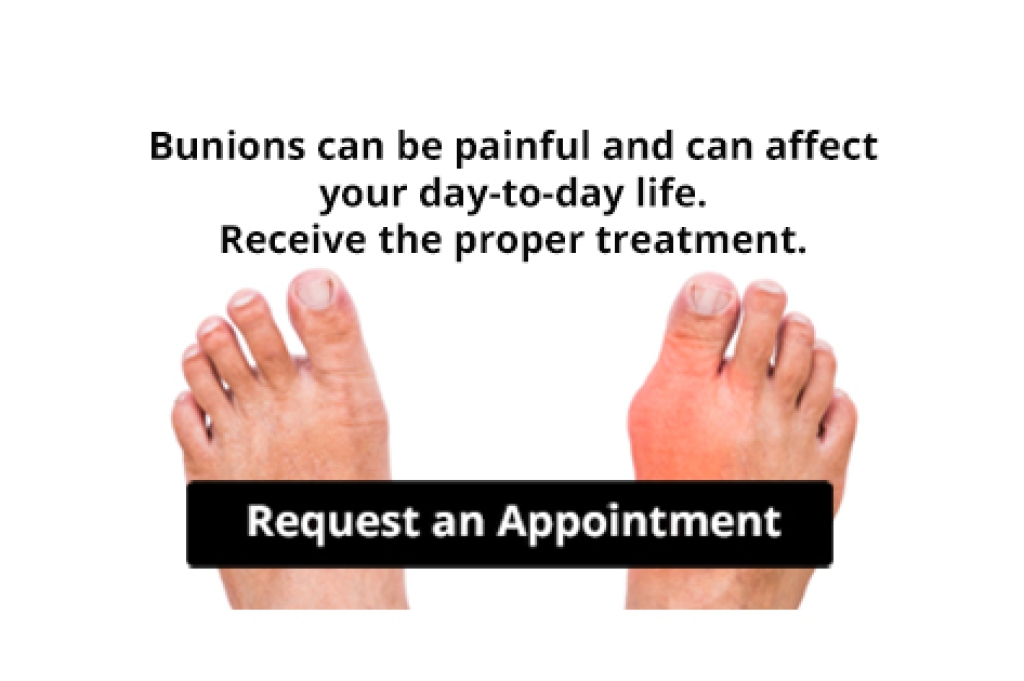
Are Bunions Affecting Your Everyday Life?

Have you noticed a bony protrusion on the side of your big toe? If so, you may have developed the foot condition known as a bunion. Don't let bunions interfere with your daily activities.

Exercises Can Improve Ankle Mobility

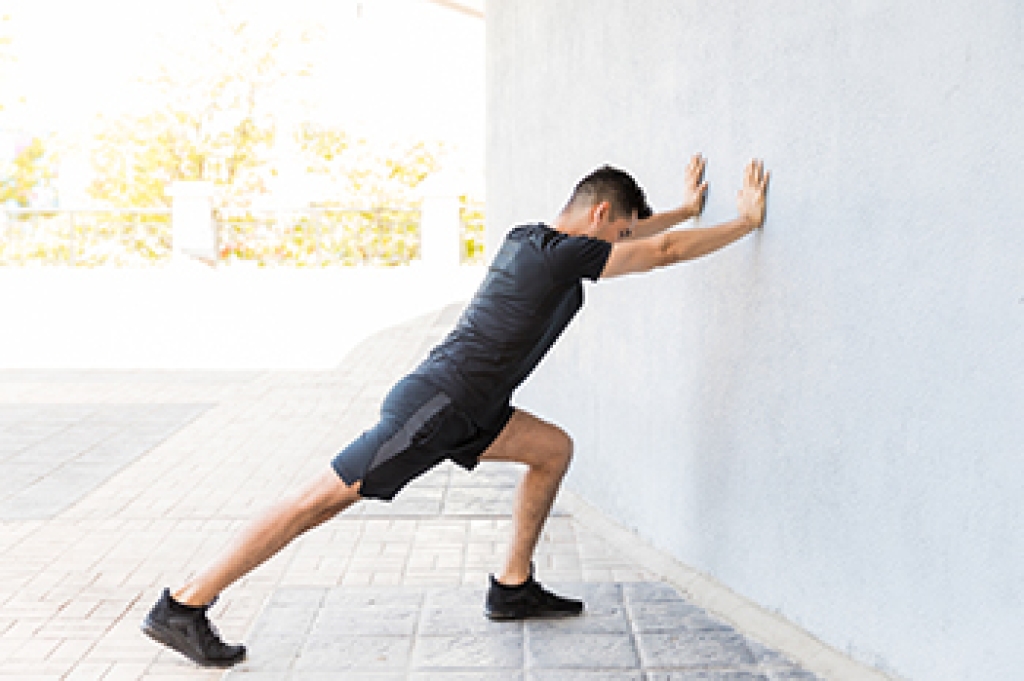
Mobility in the ankle joint is vital for everyday activities such as walking, climbing stairs, and transitioning between sitting and standing. Reduced ankle mobility can stem from various factors, with tight calf muscles being a primary contributor. The calf muscle, situated at the back of the shin, plays an essential role in the ability to flex and extend the foot. When this calf muscle becomes tight, it can affect overall ankle movement. In addition, scar tissue at the front of the ankle can also lead to anterior ankle impingement. It may cause discomfort and restrict movement, particularly during activities like squats. To counteract reduced ankle mobility, incorporating targeted exercises into your routine is important. One such effective exercise focuses on stretching the calf muscles, including the gastrocnemius. This wall stretch involves standing upright with one leg straight behind you and the other in front. While keeping the heel of your hindfoot on the floor, lean against the wall. Maintain this position until you feel a light pull on the back of your leg, holding for 45 seconds. Repeat this stretch several times daily to alleviate tightness and enhance ankle mobility. Whether you are an athlete aiming to optimize performance or simply want relief from ankle discomfort, it is suggested that you make an appointment with a podiatrist who can evaluate the situation and present you with appropriate treatment options. 

Exercising your feet regularly with the proper foot wear is a great way to prevent injuries and build strength. If you have any concerns about your feet, contact Dr. Yeon A. Shim from Roselle Podiatry Group. Our doctor can provide the care you need to keep you pain-free and on your feet.

Exercise for Your Feet

Exercise for your feet can help you gain strength, mobility and flexibility in your feet. They say that strengthening your feet can be just as rewarding as strengthening another part of the body. Your feet are very important, and we often forget about them in our daily tasks. But it is because of our feet that are we able to get going and do what we need to. For those of us fortunate enough to not have any foot problems, it is an important gesture to take care of them to ensure good health in the long run.

Some foot health exercises can include ankle pumps, tip-toeing, toe rises, lifting off the floor doing reps and sets, and flexing the toes. It is best to speak with Our doctor to determine an appropriate regimen for your needs. Everyone’s needs and bodies are different, and the activities required to maintain strength in the feet vary from individual to individual. 

Once you get into a routine of doing regular exercise, you may notice a difference in your feet and how strong they may become.

If you have any questions, please feel free to contact our office located in Roselle, NJ . We offer the newest diagnostic and treatment technologies for all your foot care needs.
Read more about Exercise for Your Feet

Causes and Symptoms of Athlete’s Foot

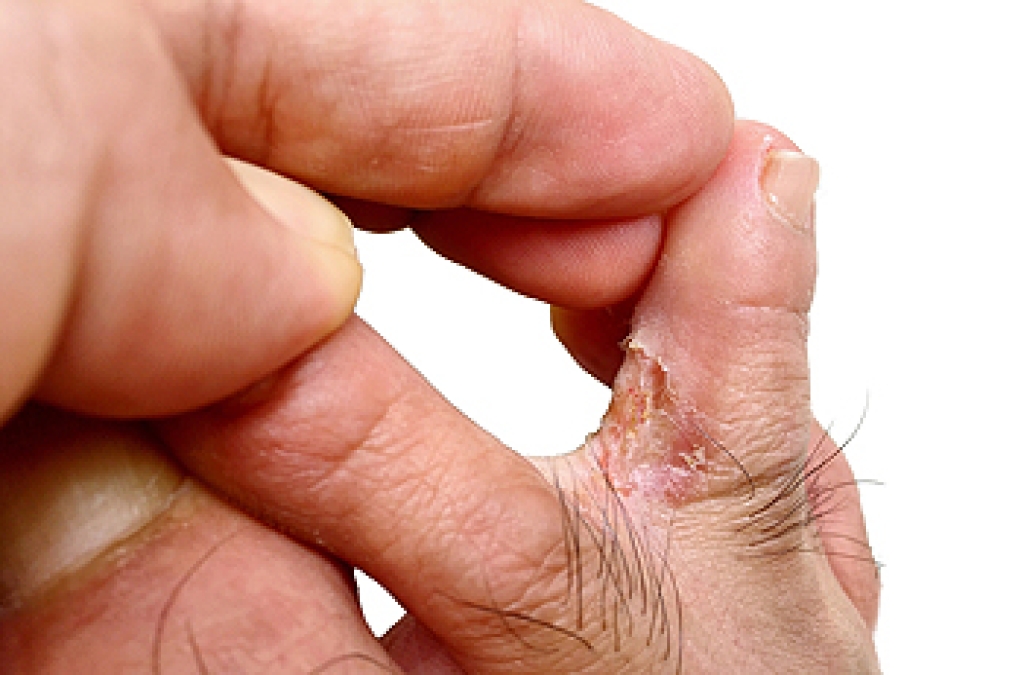
Athlete's foot, also known as tinea pedis, is a common fungal infection that affects the feet. It is caused by dermatophytes, a type of fungus that thrives in warm and moist environments. This condition can be uncomfortable, and if left untreated, it may lead to more serious complications. Athlete's foot is primarily caused by fungi that invade the dead outer layers of the skin. Common factors that contribute to the development of athlete's foot can include wearing poorly ventilated shoes, sweaty feet, contact with contaminated surfaces, and sharing footwear. Symptoms of athlete's foot often include scaling and peeling of the skin, especially in the toe webs, itching, or odor. The infection may also affect the soles of the feet, leading to redness, blistering, and peeling along the sides and soles. In advanced cases, there may be severe itching, a foul odor, painful cracking between the toes, and oozing. Symptoms, such as redness and swelling, areas of pus, or severe pain, may indicate a more serious infection that requires immediate medical attention to prevent further complications. For help managing athlete’s foot infections, it is suggested that you make an appointment with a podiatrist.

Athlete’s foot is an inconvenient condition that can be easily reduced with the proper treatment. If you have any concerns about your feet and ankles, contact Dr. Yeon A. Shim from Roselle Podiatry Group.  Our doctor will treat your foot and ankle needs.

Athlete’s Foot: The Sole Story

Athlete's foot, also known as tinea pedis, can be an extremely contagious foot infection. It is commonly contracted in public changing areas and bathrooms, dormitory style living quarters, around locker rooms and public swimming pools, or anywhere your feet often come into contact with other people.

Solutions to Combat Athlete’s Foot

  • Hydrate your feet by using lotion
  • Exfoliate
  • Buff off nails
  • Use of anti-fungal products
  • Examine your feet and visit your doctor if any suspicious blisters or cuts develop

Athlete’s foot can cause many irritating symptoms such as dry and flaking skin, itching, and redness. Some more severe symptoms can include bleeding and cracked skin, intense itching and burning, and even pain when walking. In the worst cases, Athlete’s foot can cause blistering as well. Speak to your podiatrist for a better understanding of the different causes of Athlete’s foot, as well as help in determining which treatment options are best for you.

If you have any questions please feel free to contact our office located in Roselle, NJ . We offer the newest diagnostic and treatment technologies for all your foot and ankle needs.

Read more about Athlete's Foot

Infections From Foot Blisters

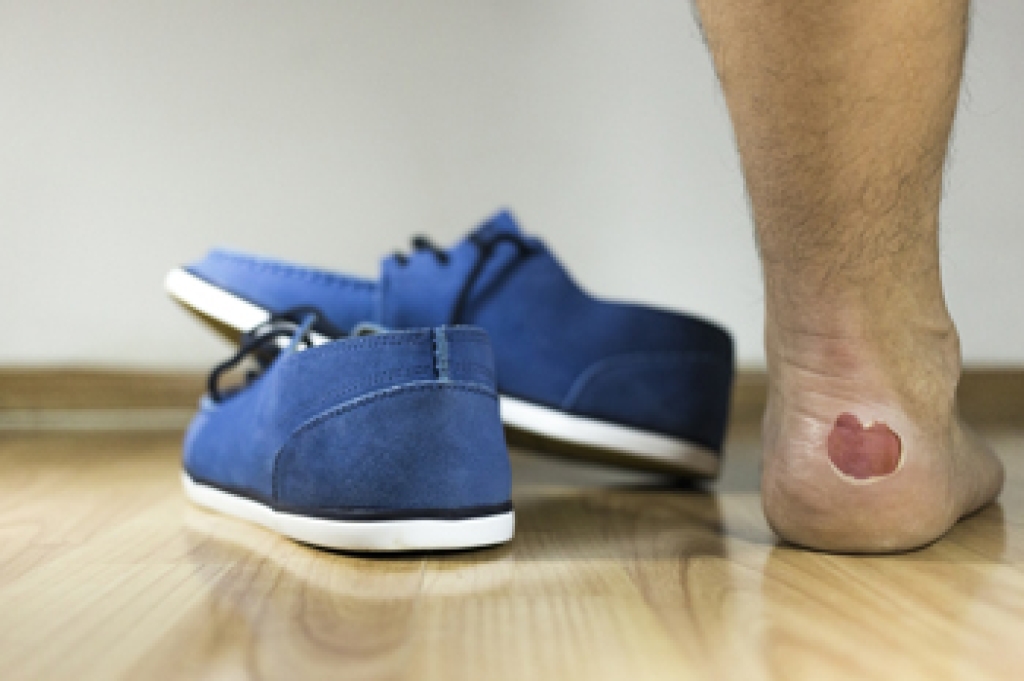
Blisters typically form as a natural response to a skin injury, often emerging on the feet due to friction from footwear. They create a protective fluid-filled sac that acts like a bandage, shielding the injured skin and facilitating the healing process. However, when the blister's protective covering breaks, it becomes susceptible to infection. An infected foot blister can result in specific symptoms, including the presence of pus and a warm sensation upon touch. Neglecting an infected blister also can result in a potentially dangerous bacterial skin infection. Often painful infections originating from a blister, whether bacterial, viral, or fungal, may spread to other parts of the body. This may potentially lead to sepsis, which is a life threatening bloodstream infection. Recognizing the signs of an infected foot blister includes checking for warmth, an unpleasant odor, pus discharge, or pain and swelling that surrounds the blister. Bleeding when touched or a lack of healing progress are also concerning indicators. If you have a foot blister and you suspect it is infected, it is strongly suggested that you make an appointment with a podiatrist to have it medically evaluated and treated.

Blisters are prone to making everyday activities extremely uncomfortable. If your feet are hurting, contact Dr. Yeon A. Shim of Roselle Podiatry Group. Our doctor can provide the care you need to keep you pain-free and on your feet.

Foot Blisters

Foot blisters develop as a result of constantly wearing tight or ill-fitting footwear. This happens due to the constant rubbing from the shoe, which can often lead to pain.

What Are Foot Blisters?

A foot blister is a small fluid-filled pocket that forms on the upper-most layer of the skin. Blisters are filled with clear fluid and can lead to blood drainage or pus if the area becomes infected.

How Do Blisters Form?

Blisters on the feet are often the result of constant friction of skin and material, usually by shoe rubbing. Walking in sandals, boots, or shoes that don’t fit properly for long periods of time can result in a blister. Having consistent foot moisture and humidity can easily lead to blister formation.

Prevention & Treatment

It is important to properly care for the affected area in order to prevent infection and ease the pain. Do not lance the blister and use a Band-Aid to provide pain relief. Also, be sure to keep your feet dry and wear proper fitting shoes. If you see blood or pus in a blister, seek assistance from a podiatrist.

If you have any questions, please feel free to contact our office located in Roselle, NJ . We offer the newest diagnostic and treatment technologies for all your foot care needs.
Read more about Blisters
scroll to top