Blog

Blister Prevention

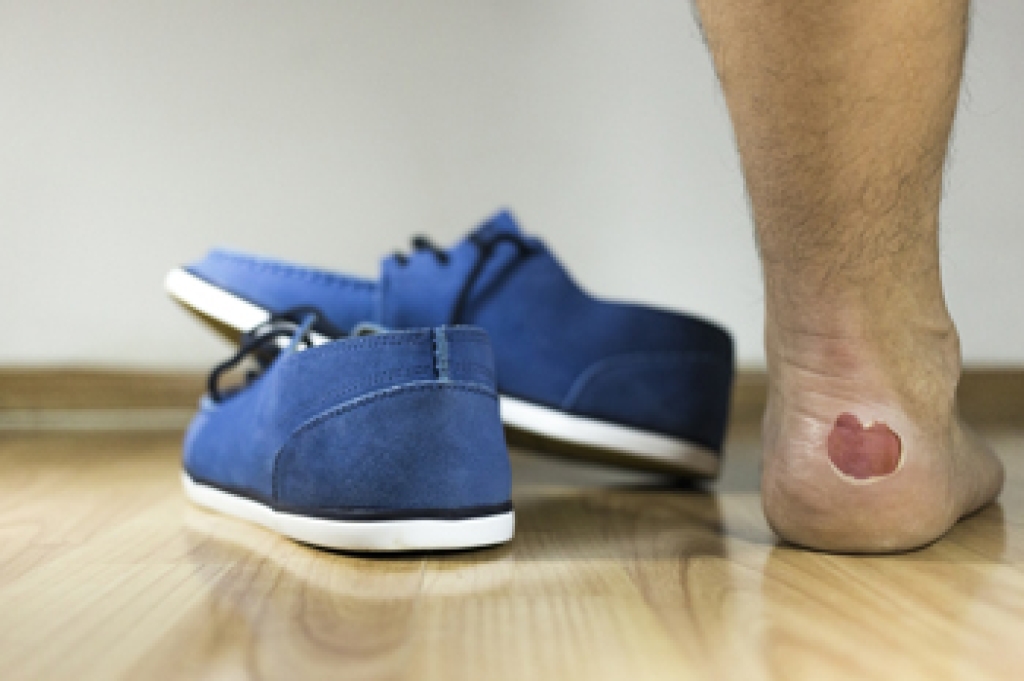
A blister is easy to notice. They typically form on the heel from excess friction caused by wearing shoes and socks that do not fit correctly. Blisters look like a small bubble that fills with a liquid to protect the raw skin. A blister will gradually drain when new skin has formed. When a blister forms, it can wreak havoc when attempting to complete daily activities. There are effective techniques to help prevent blisters, such as insoles if the feet slip inside the shoes and foot powders to absorb sweaty feet. It is beneficial to apply an antibiotic ointment, followed by covering the area with a bandage that can protect it from draining prematurely. If you frequently develop blisters on the feet, it is suggested that you speak with a podiatrist who can offer the correct prevention tips.

Blisters are prone to making everyday activities extremely uncomfortable. If your feet are hurting, contact Dr. Yeon A. Shim of Roselle Podiatry Group. Our doctor can provide the care you need to keep you pain-free and on your feet.

Foot Blisters

Foot blisters develop as a result of constantly wearing tight or ill-fitting footwear. This happens due to the constant rubbing from the shoe, which can often lead to pain.

What Are Foot Blisters?

A foot blister is a small fluid-filled pocket that forms on the upper-most layer of the skin. Blisters are filled with clear fluid and can lead to blood drainage or pus if the area becomes infected.

How Do Blisters Form?

Blisters on the feet are often the result of constant friction of skin and material, usually by shoe rubbing. Walking in sandals, boots, or shoes that don’t fit properly for long periods of time can result in a blister. Having consistent foot moisture and humidity can easily lead to blister formation.

Prevention & Treatment

It is important to properly care for the affected area in order to prevent infection and ease the pain. Do not lance the blister and use a Band-Aid to provide pain relief. Also, be sure to keep your feet dry and wear proper fitting shoes. If you see blood or pus in a blister, seek assistance from a podiatrist.

If you have any questions, please feel free to contact our office located in Roselle, NJ . We offer the newest diagnostic and treatment technologies for all your foot care needs.


Read more about Blisters

Do Your Child's Feet Hurt?

Have your child's feet been examined lately? Healthy feet are happy feet. If your child is complaining of foot pain, it may be a sign of underlying problems.

Swelling and Achy Feet During Pregnancy

It is a well-documented fact about pregnancy that the pregnant woman’s feet may be negatively impacted in some way. For example, a pregnant woman’s feet may commonly swell or become achy. If you are a pregnant woman experiencing these issues with your feet, seeing a podiatrist can help you treat these problems. Specifically, a podiatrist may recommend to you several different things for swelling or achy feet. First, the podiatrist might recommend that you reduce swelling in the feet and lower legs by elevating the feet. Second, the podiatrist might recommend that you wear more comfortable shoes that fit better. Third, the podiatrist might recommend that you use some kind of cooling cream made for the feet during pregnancy. Some of these creams are made with anti-inflammatory ingredients and promote anti-swelling. Some of them also create cooling sensations in the feet. Contact a podiatrist today for more information.

Pregnant women with swollen feet can be treated with a variety of different methods that are readily available. For more information about other cures for swollen feet during pregnancy, consult with Dr. Yeon A. Shim from Roselle Podiatry Group. Our doctor will attend to all of your foot and ankle needs.

What Foot Problems Can Arise During Pregnancy?

One problem that can occur is overpronation, which occurs when the arch of the foot flattens and tends to roll inward.  This can cause pain and discomfort in your heels while you’re walking or even just standing up, trying to support your baby.  

Another problem is edema, or swelling in the extremities. This often affects the feet during pregnancy but tends to occur in the later stages. 

How Can I Keep My Feet Healthy During Pregnancy?

  • Wearing orthotics can provide extra support for the feet and help distribute weight evenly
  • Minimize the amount of time spent walking barefoot
  • Wear shoes with good arch support
  • Wear shoes that allow for good circulation to the feet
  • Elevate feet if you experience swelling
  • Massage your feet
  • Get regular, light exercise, such as walking, to promote blood circulation to the feet

If you have any questions, please feel free to contact our office located in Roselle, NJ . We offer the newest diagnostic and treatment technologies for all your foot care needs.

Read more about Foot Care for Pregnant Women

Successful Toe Surgery

There are various reasons patients may choose to have foot surgery, including conditions that involve the small toes. Deformities may develop such as hammertoe and claw toe, and severe cases may require the misaligned tendons to be repaired surgically. Medical ailments which can include rheumatoid arthritis can damage or dislocate the toes, possibly causing severe pain and discomfort. The object of having foot surgery done is to strengthen the toes, which can help shoes to fit comfortably. There are many options for toe surgery, and this depends on what the condition is. Surgery is generally a successful method of putting joints back into their normal place. This may be accomplished by cutting the bones of the toes, which may help them to realign. It is beneficial to prepare the body gradually before the surgery takes place. This can be done by quitting smoking, if applicable, and maintaining a healthy weight. If you have chronic foot or toe pain, it is strongly advised that you are under the care of a podiatrist who can determine if foot surgery is correct for you.

Foot surgery is sometimes necessary to treat a foot ailment. To learn more, contact Dr. Yeon A. Shim of Roselle Podiatry Group. Our doctor will assist you with all of your foot and ankle needs.

When Is Surgery Necessary?

Foot and ankle surgery is generally reserved for cases in which less invasive, conservative procedures have failed to alleviate the problem. Some of the cases in which surgery may be necessary include:

  • Removing foot deformities like bunions and bone spurs
  • Severe arthritis that has caused bone issues
  • Cosmetic reconstruction

What Types of Surgery Are There?

The type of surgery you receive will depend on the nature of the problem you have. Some of the possible surgeries include:

  • Bunionectomy for painful bunions
  • Surgical fusion for realignment of bones
  • Neuropathy decompression surgery to treat nerve damage

Benefits of Surgery

Although surgery is usually a last resort, it can provide more complete pain relief compared to non-surgical methods and may allow you to finally resume full activity.

Surgical techniques have also become increasingly sophisticated. Techniques like endoscopic surgery allow for smaller incisions and faster recovery times.

If you have any questions, please feel free to contact our office located in Roselle, NJ . We offer the newest diagnostic and treatment technologies for all your foot care needs.
Read more about Foot Surgery

Stress Fractures Can Happen in Different Parts of the Foot

A stress fracture of the foot can wreak havoc on completing daily activities. It is considered to be a hairline fracture and occurs as a result of overuse from frequently running. The pain from a stress fracture may begin as achiness, and many avid runners tend to ignore this. This can gradually develop into having severe pain, which may force the patient to temporarily cease the offending activity. Stress fractures of the foot are divided into four categories. A metatarsal stress fracture, considered to be the most common, happens in the second metatarsal. Additionally, stress fractures may occur in the heel, sesamoid, and navicular bones, all of which cause pain and discomfort. Stress fractures may also happen from increasing speed and distance too quickly, or running on uneven surfaces. After a diagnosis is performed, which typically involves having an X-ray or other imaging test taken, proper treatment can begin. If you feel you have a stress fracture, it is strongly advised that you speak with a podiatrist who can fit you with a protective boot, and prescribe custom-made orthotics, if necessary.

Activities where too much pressure is put on the feet can cause stress fractures. To learn more, contact Dr. Yeon A. Shim from Roselle Podiatry Group. Our doctor can provide the care you need to keep your pain free and on your feet.

Dealing with Stress Fractures of the Foot and Ankle

Stress fractures occur in the foot and ankle when muscles in these areas weaken from too much or too little use.  The feet and ankles then lose support when walking or running from the impact of the ground. Since there is no protection, the bones receive the full impact of each step. Stress on the feet can cause cracks to form in the bones, thus creating stress fractures.

What Are Stress Fractures?

Stress fractures occur frequently in individuals whose daily activities cause great impact on the feet and ankles. Stress factors are most common among:

  • Runners                                
  • People affected with Osteoporosis
  • Tennis or basketball players
  • Gymnasts
  • High impact workouts

Symptoms

Pain from the fractures occur in the area of the fractures and can be constant or intermittent. It will often cause sharp or dull pain with swelling and tenderness. Engaging in any kind of activity which involves high impact will aggravate pain.

If you have any questions please contact our office located in Roselle, NJ . We offer the newest diagnostic and treatment technologies for all your foot and ankle needs.

Read more about Dealing with Stress Fractures of the Foot and Ankle
scroll to top