Blog

How High Heels May Cause Damage to Your Feet

Despite the fact that many women enjoy wearing high heels, they may want to be aware of the potential damage wearing these types of shoes may cause. The toes may endure increased pressure, and this may specifically occur under the big toe. If you are susceptible to bunions, this may result in the formation of one, in addition to the development of corns and calluses, which may typically form on the balls of the feet or on top of the toes. Pain affecting the heel of the foot may be related to a condition known as plantar fasciitis. This may occur when the band of tissue on the bottom of the foot that connects the heel to the toes becomes inflamed, and severe pain and discomfort may often accompany this condition. Research has shown that regardless of the ailments that may develop as a result of wearing high heels, a large percentage of women choose to wear this type of shoe.

High heels have a history of causing foot and ankle problems. If you have any concerns about your feet or ankles, contact Dr. Yeon A. Shim from Roselle Podiatry Group. Our doctor can provide the care you need to keep you pain-free and on your feet.

Effects of High Heels on the Feet

High heels are popular shoes among women because of their many styles and societal appeal.  Despite this, high heels can still cause many health problems if worn too frequently.

Which Parts of My Body Will Be Affected by High Heels?

  • Ankle Joints
  • Achilles Tendon – May shorten and stiffen with prolonged wear
  • Balls of the Feet
  • Knees – Heels cause the knees to bend constantly, creating stress on them
  • Back – They decrease the spine’s ability to absorb shock, which may lead to back pain.  The vertebrae of the lower back may compress.

What Kinds of Foot Problems Can Develop from Wearing High Heels?

  • Corns
  • Calluses
  • Hammertoe
  • Bunions
  • Morton’s Neuroma
  • Plantar Fasciitis

How Can I Still Wear High Heels and Maintain Foot Health?

If you want to wear high heeled shoes, make sure that you are not wearing them every day, as this will help prevent long term physical problems.  Try wearing thicker heels as opposed to stilettos to distribute weight more evenly across the feet.  Always make sure you are wearing the proper shoes for the right occasion, such as sneakers for exercising.  If you walk to work, try carrying your heels with you and changing into them once you arrive at work.  Adding inserts to your heels can help cushion your feet and absorb shock. Full foot inserts or metatarsal pads are available. 

If you have any questions, please feel free to contact our office located in Roselle, NJ . We offer the newest diagnostic and treatment technologies for all your foot care needs.
Read more about Effect of High Heels on the Feet

Different Types of Ankle Pain

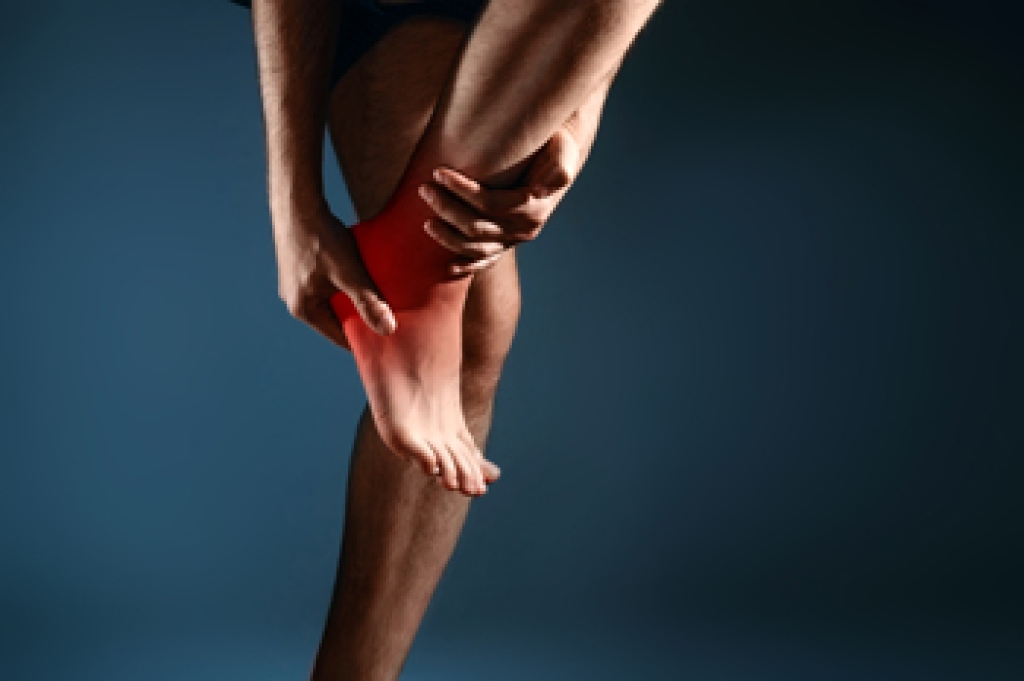
There are several different types of ankle injuries that many people endure. One of the most common is a sprain, and this may be a result of numerous causes. Despite the fact that many people who are actively involved in sports may suffer from this ailment, people from all walks of life may suffer from ankle sprains. Additionally, a fracture in the ankle bones may produce significant discomfort and pain, and can be properly diagnosed by having an X-ray performed. A medical condition that is referred to as ankle tendinopathies is a result of torn or ruptured tendons that encase the ankle, which typically provides stability to the foot. When these tendons become torn and inflamed, the foot may have endured overuse or may have possibly been involved in a trauma. Arthritis in the ankle can be extremely painful and this may be the result of degenerative bone conditions. Please consult with a podiatrist if you have endured an ankle injury so the best course of treatment can begin.

Ankle pain can be caused by a number of problems and may be potentially serious. If you have ankle pain, consult with Dr. Yeon A. Shim from Roselle Podiatry Group. Our doctor will assess your condition and provide you with quality foot and ankle treatment.

Ankle pain is any condition that causes pain in the ankle. Due to the fact that the ankle consists of tendons, muscles, bones, and ligaments, ankle pain can come from a number of different conditions.

Causes

The most common causes of ankle pain include:

  • Types of arthritis (rheumatoid, osteoarthritis, and gout)
  • Ankle sprains
  • Broken ankles
  • Achilles tendonitis
  • Achilles tendon rupture
  • Stress fractures
  • Bursitis
  • Tarsal tunnel syndrome
  • Plantar fasciitis

Symptoms

Symptoms of ankle injury vary based upon the condition. Pain may include general pain and discomfort, swelling, aching, redness, bruising, burning or stabbing sensations, and/or loss of sensation.

Diagnosis

Due to the wide variety of potential causes of ankle pain, podiatrists will utilize a number of different methods to properly diagnose ankle pain. This can include asking for personal and family medical histories and of any recent injuries. Further diagnosis may include sensation tests, a physical examination, and potentially x-rays or other imaging tests.

Treatment

Just as the range of causes varies widely, so do treatments. Some more common treatments are rest, ice packs, keeping pressure off the foot, orthotics and braces, medication for inflammation and pain, and surgery.

If you have any questions please feel free to contact our office located in Roselle, NJ . We offer the newest diagnostic tools and technology to treat your foot and ankle needs.

Read more about Ankle Pain

How the Structure of the Feet May Affect the Body

Research has shown that if the feet are enduring structural problems, it may lead to improper foot function, which may affect the body. Some of these misalignments of the feet may include low arches, feet that have a tendency to roll inward, also referred to as overpronation, or supinated feet, which is the term for feet that roll outward. If these conditions are present, some of the symptoms that may be experienced may include ankle pain, discomfort in or around the arch of the foot, and pain involving the Achilles tendon. If you are experiencing ailments that may include shin splints, heel pain or uneasiness during walking or running, it is suggested to consult with a podiatrist so a proper analysis can be performed. Additionally, a discussion about correct treatment options may be advised. This may include performing exercises, which may strengthen weak muscles and wearing orthotics that are specifically fitted to your foot.

If you have any concerns about your feet, contact Dr. Yeon A. Shim from Roselle Podiatry Group. Our doctor can provide the care you need to keep you pain-free and on your feet.

Biomechanics in Podiatry

Podiatric biomechanics is a particular sector of specialty podiatry with licensed practitioners who are trained to diagnose and treat conditions affecting the foot, ankle and lower leg. Biomechanics deals with the forces that act against the body, causing an interference with the biological structures. It focuses on the movement of the ankle, the foot and the forces that interact with them.

A History of Biomechanics

  • Biomechanics dates back to the BC era in Egypt where evidence of professional foot care has been recorded.
  • In 1974, biomechanics gained a higher profile from the studies of Merton Root, who claimed that by changing or controlling the forces between the ankle and the foot, corrections or conditions could be implemented to gain strength and coordination in the area.

Modern technological improvements are based on past theories and therapeutic processes that provide a better understanding of podiatric concepts for biomechanics. Computers can provide accurate information about the forces and patterns of the feet and lower legs.

Understanding biomechanics of the feet can help improve and eliminate pain, stopping further stress to the foot.

If you have any questions please feel free to contact our office located in Roselle, NJ . We offer the newest diagnostic and treatment technologies for all your foot and ankle needs.

Read more about The Importance of Biomechanics in Podiatry

Signs You May Have Toenail Fungus

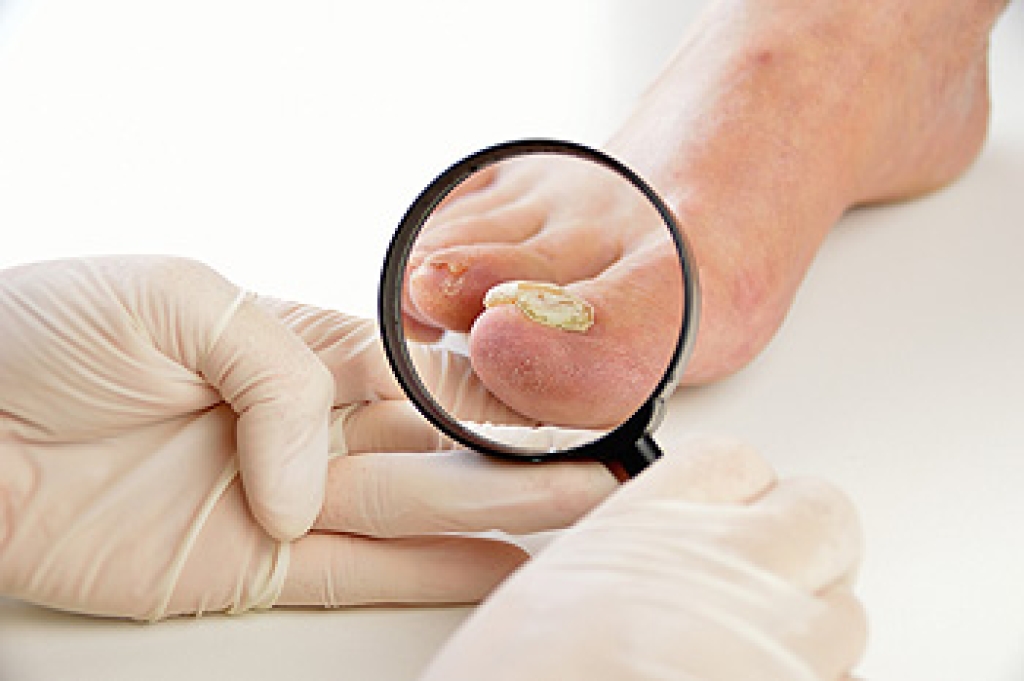
There are noticeable symptoms that may indicate toenail fungus. These may include the nail or nails becoming discolored, thickened or possibly lifted up from the nail bed. The fungus generally thrives and lives in warm, moist areas including shower floors, locker rooms, or pool areas. This contagious fungus is easily spread where people walk barefoot, or may originate from having wet nails for an extended period of time. Patients who are diabetic typically have a compromised immune system and this fungus may prove to heal slower than in non-diabetic patients. If you see signs of toenail fungus developing, please speak with a podiatrist who can perform a proper diagnosis and advise you on the best course of treatment for you.

If left untreated, toenail fungus may spread to other toenails, skin, or even fingernails. If you suspect you have toenail fungus it is important to seek treatment right away. For more information about treatment, contact Dr. Yeon A. Shim of Roselle Podiatry Group. Our doctor can provide the care you need to keep you pain-free and on your feet.

Symptoms

  • Warped or oddly shaped nails
  • Yellowish nails
  • Loose/separated nail
  • Buildup of bits and pieces of nail fragments under the nail
  • Brittle, broken, thickened nail

Treatment

If self-care strategies and over-the-counter medications does not help your fungus, your podiatrist may give you a prescription drug instead. Even if you find relief from your toenail fungus symptoms, you may experience a repeat infection in the future.

Prevention

In order to prevent getting toenail fungus in the future, you should always make sure to wash your feet with soap and water. After washing, it is important to dry your feet thoroughly especially in between the toes. When trimming your toenails, be sure to trim straight across instead of in a rounded shape. It is crucial not to cover up discolored nails with nail polish because that will prevent your nail from being able to “breathe”.

In some cases, surgical procedure may be needed to remove the toenail fungus. Consult with your podiatrist about the best treatment options for your case of toenail fungus.  

If you have any questions please contact our office located in Roselle, NJ . We offer the newest diagnostic and treatment technologies for all your foot and ankle needs.

Read more about Treating Toenail Fungus

Causes for Blisters on the Feet

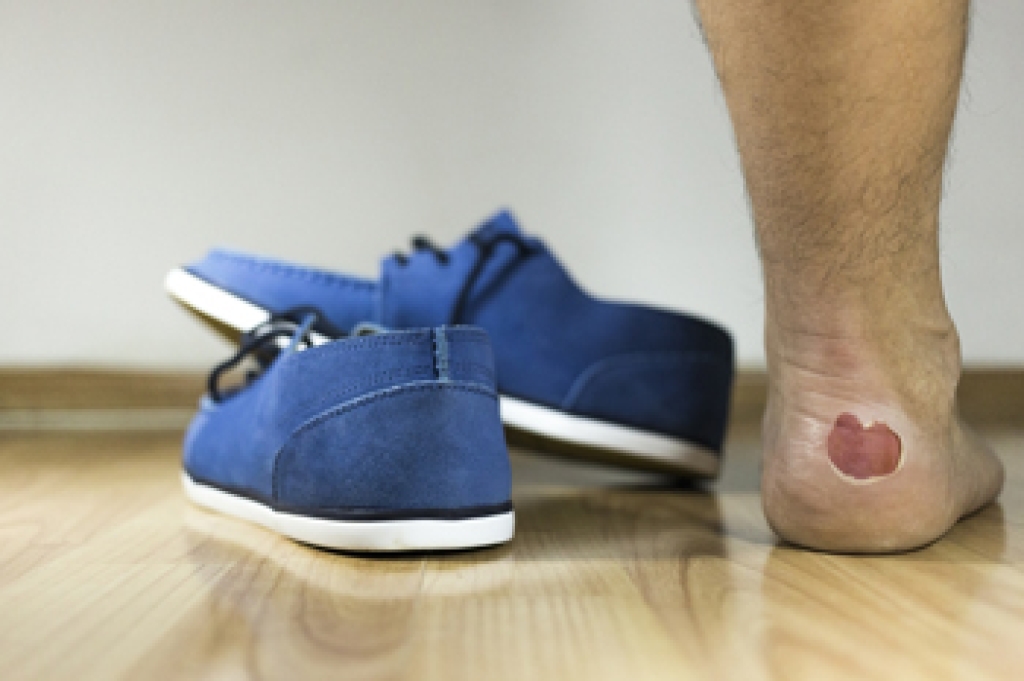
The majority of runners realize the negative impact blisters on the feet can have on their chosen sport of running. The small areas appearing on the toes, heel, or bottom of the foot filled with fluid may be susceptible to infection if not treated in a prompt fashion. Research has shown the cause of this condition may be from increased friction and pressure that are inflicted on the toes. There may be several reasons for this to occur including wearing shoes and socks that fit incorrectly or having the skin become too soft as a result of excess moisture,which may typically originate from sweat. It’s important to properly measure your feet for a correct fit, allowing a half size larger than your regular shoe to accommodate the swelling that incurs as running progresses. Additional causes for blisters to develop may be enduring extreme sunburn or frostbite. The body will naturally protect the affected skin by encasing it in a fluid based environment, while healing takes place. If you are afflicted with a blister on your foot, it’s advised to consult with a podiatrist to learn how to properly treat this condition.

Blisters may appear as a single bubble or in a cluster. They can cause a lot of pain and may be filled with pus, blood, or watery serum. If your feet are hurting, contact Dr. Yeon A. Shim of Roselle Podiatry Group. Our doctor can provide the care you need to keep you pain-free and on your feet.

Foot Blisters

Foot blisters are often the result of friction. This happens due to the constant rubbing from shoes, which can lead to pain.

What Are Foot Blisters?

A foot blister is a small fluid-filled pocket that forms on the upper-most layer of the skin. Blisters are filled with clear fluid and can lead to blood drainage or pus if the area becomes infected.

Symptoms

(Blister symptoms may vary depending on what is causing them)

  • Bubble of skin filled with fluid
  • Redness
  • Moderate to severe pain
  • Itching

Prevention & Treatment

In order to prevent blisters, you should be sure to wear comfortable shoes with socks that cushion your feet and absorb sweat. Breaking a blister open may increase your chances of developing an infection. However, if your blister breaks, you should wash the area with soap and water immediately and then apply a bandage to the affected area. If your blisters cause severe pain it is important that you call your podiatrist right away.

If you have any questions, please feel free to contact our office located in Roselle, NJ . We offer the newest diagnostic and treatment technologies for all your foot care needs.
Read more about Blisters
scroll to top