Blog

Ingrown Toenails and Foot Structure

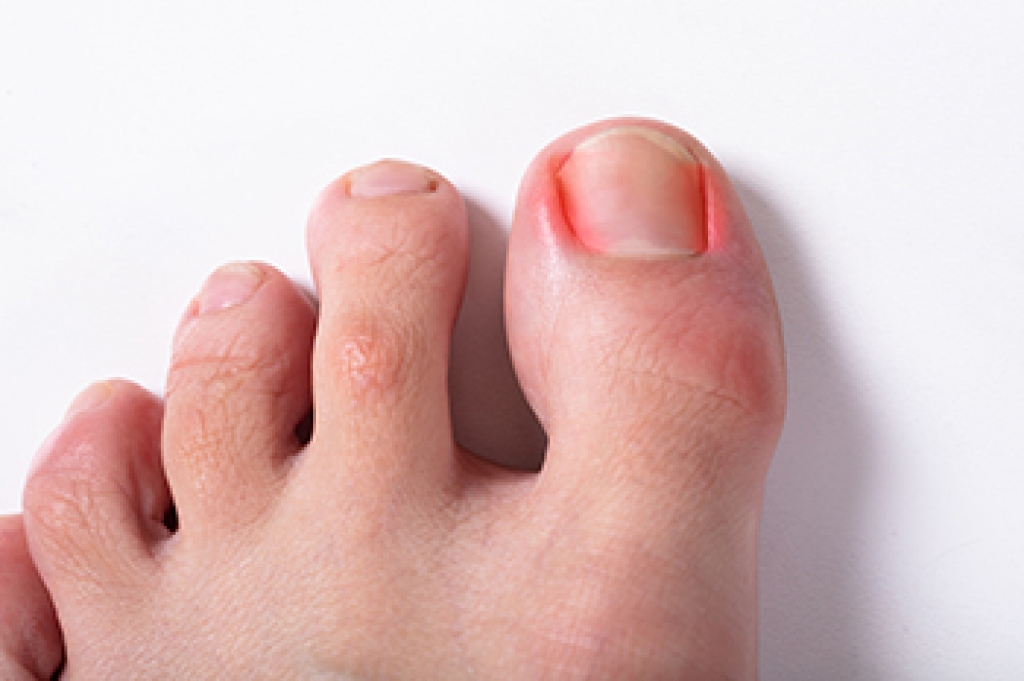
An ingrown toenail happens when the nail edge presses into the surrounding skin, causing pain, redness, swelling, and sometimes infection. Wearing tight footwear, nail trimming habits, injury, and natural nail shape often play a role. Treatment usually focuses on the affected nail itself rather than changing the overall shape of the foot. However, some people with severe or repeated ingrown toenail problems may also have flat feet, which can change how pressure is distributed across the toes and make the condition more difficult to control. A podiatrist can determine whether the issue is simply the nail or whether foot mechanics are contributing to the problem. Care may include reducing inflammation, treating infection, removing the problematic nail border, or addressing pressure-related concerns. If you have recurring or painful ingrown toenails, it is suggested that you visit a podiatrist for appropriate relief and treatment solutions.

Ingrown toenails can become painful if they are not treated properly. For more information about ingrown toenails, contact Dr. Yeon A. Shim of Roselle Podiatry Group. Our doctor can provide the care you need to keep you pain-free and on your feet.

Ingrown Toenails

Ingrown toenails occur when a toenail grows sideways into the bed of the nail, causing pain, swelling, and possibly infection.

Causes

  • Bacterial infections
  • Improper nail cutting such as cutting it too short or not straight across
  • Trauma to the toe, such as stubbing, which causes the nail to grow back irregularly
  • Ill-fitting shoes that bunch the toes too close together
  • Genetic predisposition

Prevention

Wearing proper fitting shoes and using proper cutting techniques will also help decrease your risk of developing ingrown toenails.

Treatment

Ingrown toenails are a very treatable foot condition. In minor cases, soaking the affected area in salt or antibacterial soaps will not only help with the ingrown nail itself, but also help prevent any infections from occurring. In more severe cases, surgery is an option. In either case, speaking to your podiatrist about this condition will help you get a better understanding of specific treatment options that are right for you.

If you have any questions, please feel free to contact our office located in Roselle, NJ . We offer the newest diagnostic and treatment technologies for all your foot care needs.

Read more about Ingrown Toenail Care

When the Toenail Separates From Its Bed

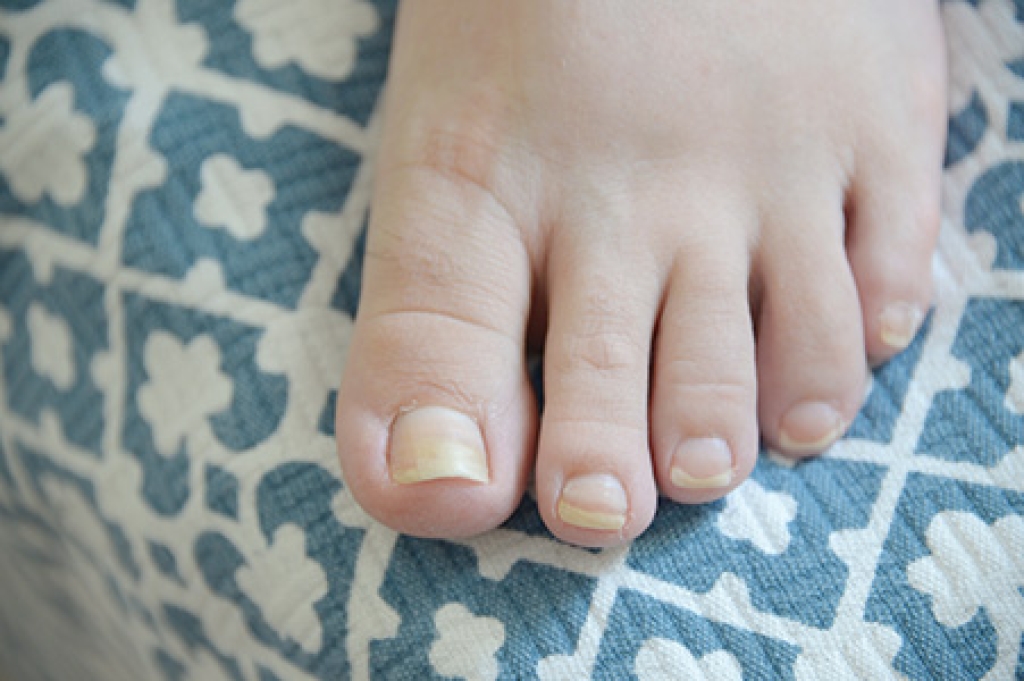
When a toenail separates from the skin beneath it, the condition is called onycholysis. This can make the nail look white or yellow where it has lifted, while the rest of the nail remains pink. The area may collect debris and can sometimes develop an odor or mild discomfort. Causes of toenail separation include repeated pressure from shoes, direct injury, and fungal infection. Certain medical conditions that affect nail growth may also be a factor. In some cases, the nail edge becomes uneven or thickened as it pulls away from the nail bed. A podiatrist can examine the nail closely, determine the cause, and check for infection or underlying disease.  Trimming the damaged portion and testing nail samples may also be involved. Treatment plans include managing infection, reducing pressure on the nail, and guiding healthy regrowth. If your toenail lifts from the nail bed, it is suggested that you schedule an appointment with a podiatrist for a diagnosis and appropriate treatment.

Toe pain can disrupt your daily activities. If you have any concerns, contact Dr. Yeon A. Shim of Roselle Podiatry Group. Our doctor can provide the care you need to keep you pain-free and on your feet.

What Causes Toe Pain?

Most severe toe pain is caused due to a sports injury, trauma from dropping something heavy on the toe, or bumping into something rigid. Other problems can develop over time for various reasons.

Toe pain can be caused by one or more ailments. The most common include:

  • Trauma
  • Sports injury
  • Wearing shoes that are too tight
  • Arthritis
  • Gout
  • Corns and calluses
  • Hammertoe
  • Bunions
  • Blisters
  • Ingrown toenails
  • Sprains
  • Fractures (broken bones)
  • Dislocations

When to See a Podiatrist

  • Severe pain
  • Persistent pain that lasts more than a week
  • Signs of infection
  • Continued swelling
  • Pain that prevents walking

Diagnosis

In many cases the cause of toe pain is obvious, but in others, a podiatrist may want to use more advanced methods to determine the problem. These can range from simple visual inspections and sensation tests to X-rays and MRI scans. Prior medical history, family medical history, and any recent physical traumatic events will all be taken into consideration for a proper diagnosis.

Treatment

Treatments for toe pain and injuries vary and may include shoe inserts, padding, taping, medicines, injections, and in some cases, surgery. If you believe that you have broken a toe, please see a podiatrist as soon as possible.

If you have any questions please contact our office located in Roselle, NJ . We offer the newest diagnostic and treatment technologies for all your foot and ankle needs.

Read more about Toe Pain

Are You Suffering From Ingrown Toenails?

If left untreated, an ingrown toenail can lead to more serious concerns, such as an infection. Knowing proper nail care can help in the prevention of an ingrown toenail. Give us a call, and get treated!

Swelling of the Feet and Fluid Buildup

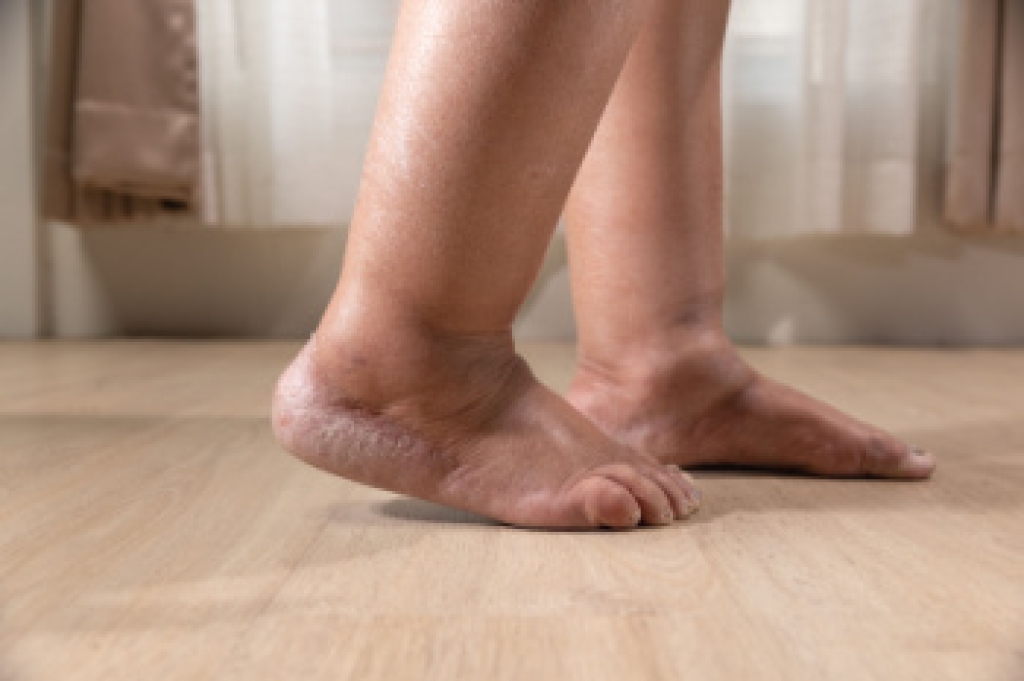
Swelling of the feet can occur for several reasons related to circulation, fluid balance, or underlying health conditions. This condition, known as edema, develops when excess fluid collects in the tissues of the lower extremities. These help to support body weight and assist in returning blood toward the heart. Common causes of swelling include prolonged standing or sitting, injury, or medical conditions that affect how fluid is regulated in the body. The feet may appear puffy or enlarged, and the skin can feel tight or look shiny. Some people notice an indentation after pressing on the area. A podiatrist can evaluate the swelling through a physical exam and may recommend imaging or coordinate care to determine contributing factors. Treatment options include compression, elevation, and supportive footwear. Targeted exercises to improve circulation and reduce fluid buildup may be suggested. If your feet have become swollen, it is suggested that you schedule an appointment with a podiatrist who can determine what the cause is, and offer appropriate relief tips.

Swollen feet can be a sign of an underlying condition. If you have any concerns, contact Dr. Yeon A. Shim of Roselle Podiatry Group. Our doctor can provide the care you need to keep you pain-free and on your feet.

Swollen feet are a common ailment among pregnant women and people who stand or sit for extended periods. Aging may increase the possibility of swollen feet and patients who are obese often notice when their feet are swelling too. There may be medical reasons why swollen feet occur:

  • Phlebitis - A condition that causes the veins to become inflamed and can also cause leg pain.
  • Liver disease - This may lead to low blood levels of albumin which is a protein. This can cause fluid in the blood to pass into the tissues and several areas of the body can become swollen.
  • Heart failure - When the heart doesn’t pump properly the blood that is normally pumped back to the heart can pool in the veins of the legs causing swollen feet.
  • Kidney disease - One of the main functions of the kidneys is releasing excess fluid in the body. This type of condition can make it difficult for the kidneys to function properly, and as a result the feet may become swollen.
  • Deep-vein thrombosis (DVT)- This is a serious condition where blood clots form in the veins of the legs. They can block the return of blood from the legs to the heart which may cause the feet to swell. It is important to be treated by a podiatrist if this condition is present.

Swollen feet can also be caused by bone and tendon conditions, including fractures, arthritis, and tendinitis. Additionally, there may be skin and toenail conditions and an infection may cause the feet to swell. Patients who take medicine to treat high blood pressure may be prone to getting swollen feet. 

Many patients elevate their feet to help relieve the swelling and this is generally a temporary remedy. When a podiatrist is consulted the reason behind the swelling can be uncovered and subsequently treated.

If you have any questions please contact our office located in Roselle, NJ . We offer the newest diagnostic and treatment technologies for all your foot and ankle needs.

Read more about Swelling of the Feet

Chronic Foot Wound Management in Diabetic Patients

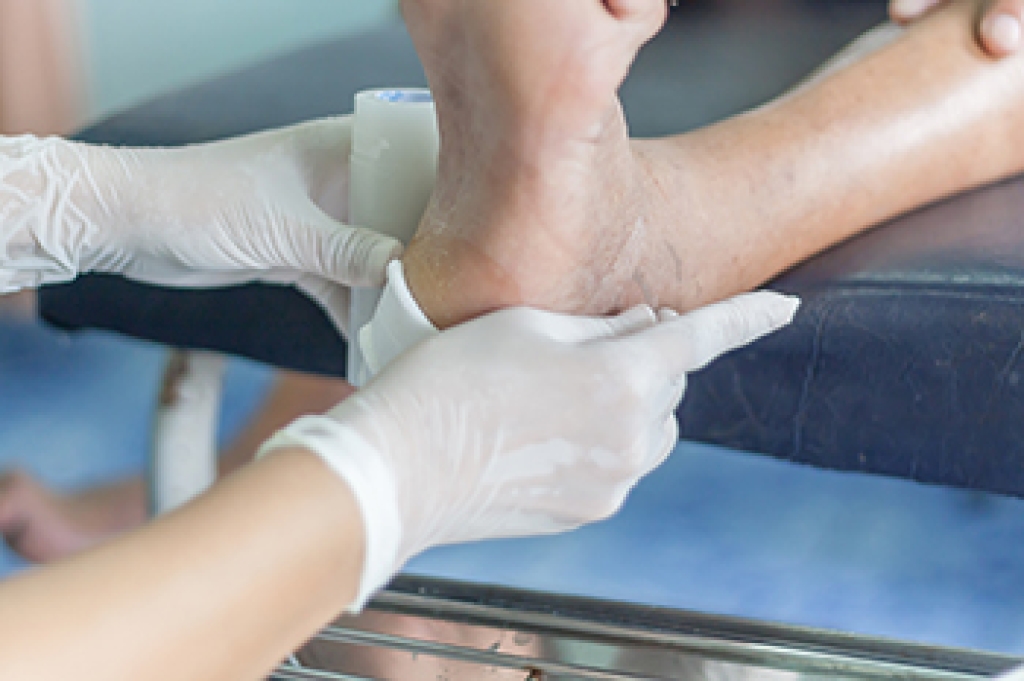
Chronic foot wounds in people with diabetes require careful and consistent management to prevent serious complications. High blood sugar can damage nerves and reduce circulation, making it harder to feel injuries and slower for wounds to heal. Even minor cuts or pressure areas can develop into ulcers if not treated promptly. Early assessment is imperative to identify infection, poor blood flow, or pressure issues. A podiatrist plays an essential role by evaluating the wound, reducing pressure through offloading, and recommending appropriate dressings and footwear. Regular monitoring helps ensure the wound is healing and allows for timely adjustments in care. Good blood sugar control, daily foot checks, and proper hygiene also support recovery. Without treatment, chronic wounds can worsen and lead to severe outcomes. With professional care and early intervention, healing improves and risks are significantly reduced. If you have diabetes, it is suggested that you schedule regular appointments with a podiatrist for exams and necessary treatment.

Diabetic foot care is important in preventing foot ailments such as ulcers. If you are suffering from diabetes or have any other concerns about your feet, contact Dr. Yeon A. Shim from Roselle Podiatry Group. Our doctor can provide the care you need to keep you pain-free and on your feet.

Diabetic Foot Care

Diabetes affects millions of people every year. The condition can damage blood vessels in many parts of the body, especially the feet. Because of this, taking care of your feet is essential if you have diabetes, and having a podiatrist help monitor your foot health is highly recommended.

The Importance of Caring for Your Feet

  • Routinely inspect your feet for bruises or sores.
  • Wear socks that fit your feet comfortably.
  • Wear comfortable shoes that provide adequate support.

Patients with diabetes should have their doctor monitor their blood levels, as blood sugar levels play such a huge role in diabetic care. Monitoring these levels on a regular basis is highly advised.

It is always best to inform your healthcare professional of any concerns you may have regarding your feet, especially for diabetic patients. Early treatment and routine foot examinations are keys to maintaining proper health, especially because severe complications can arise if proper treatment is not applied.

If you have any questions, please feel free to contact our office located in Roselle, NJ . We offer the newest diagnostic and treatment technologies for all your foot care needs.
Read more about Diabetic Foot Conditions
scroll to top