Blog

What You Need to Know About Vascular Testing in Podiatry

Peripheral arterial disease (PAD) is a serious disease that causes plaque to build up in the arteries and restricts blood circulation. PAD can affect the whole body, including the feet and legs—which is especially troublesome for people with diabetes or cardiovascular disease. Early diagnosis and treatment is necessary to help manage wounds, avoid infection and tissue death, and reduce the risk of amputation. A podiatrist may perform vascular testing to detect poor blood circulation. Vascular testing is safe, painless, and non-invasive. In Doppler Ultrasound and Color Doppler tests, the podiatrist will hold a transducer against the skin which sends sound waves to the blood vessels and relays visual representations back to a computer screen. These tests show how freely, and in which direction, blood is flowing through veins and arteries, and can detect possible blockages and abnormalities. These vascular tests and more will help your podiatrist properly diagnose your condition and devise a plan to help manage and treat any foot or ankle complications caused by circulation problems.

Vascular testing plays an important part in diagnosing disease like peripheral artery disease. If you have symptoms of peripheral artery disease, or diabetes, consult with Dr. Yeon A. Shim from Roselle Podiatry Group. Our doctor will assess your condition and provide you with quality foot and ankle treatment.

What Is Vascular Testing?

Vascular testing checks for how well blood circulation is in the veins and arteries. This is most often done to determine and treat a patient for peripheral artery disease (PAD), stroke, and aneurysms. Podiatrists utilize vascular testing when a patient has symptoms of PAD or if they believe they might. If a patient has diabetes, a podiatrist may determine a vascular test to be prudent to check for poor blood circulation.

How Is it Conducted?

Most forms of vascular testing are non-invasive. Podiatrists will first conduct a visual inspection for any wounds, discoloration, and any abnormal signs prior to a vascular test.

 The most common tests include:

  • Ankle-Brachial Index (ABI) examination
  • Doppler examination
  • Pedal pulses

These tests are safe, painless, and easy to do. Once finished, the podiatrist can then provide a diagnosis and the best course for treatment.

If you have any questions please contact our office located in Roselle, NJ . We offer the newest diagnostic and treatment technologies for all your foot and ankle needs.

Read more about Vascular Testing in Podiatry

Are You Suffering From Ingrown Toenails?

If left untreated, an ingrown toenail can lead to more serious concerns, such as an infection. Knowing proper nail care can help in the prevention of an ingrown toenail. Give us a call, and get treated!

Gender and Gout

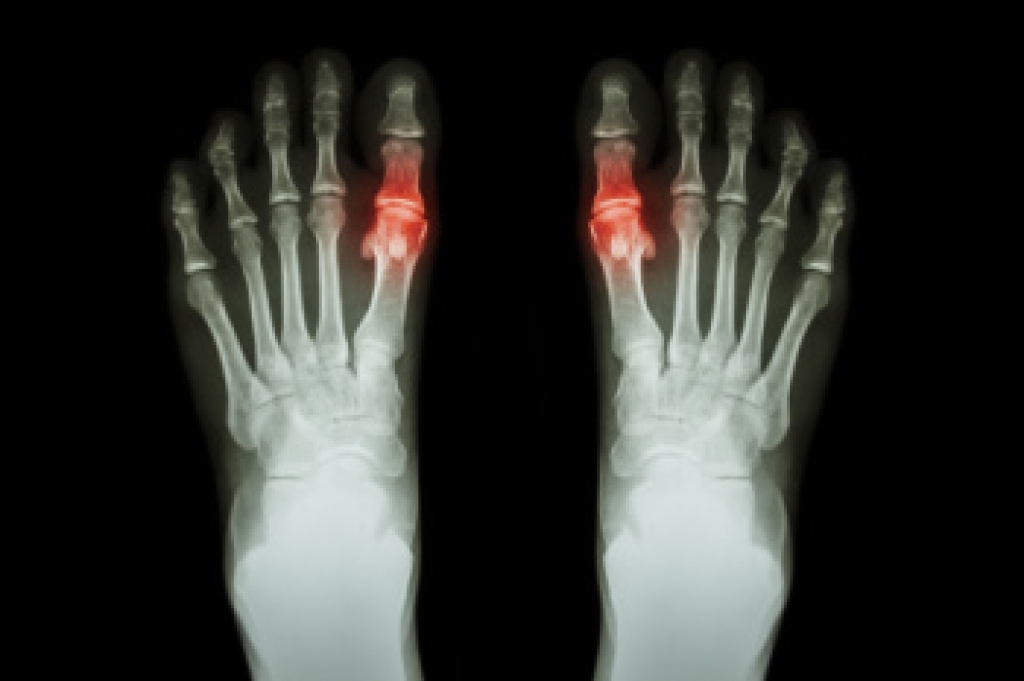
Gout is a form of arthritis caused by uric acid buildup that leads to crystal deposits in the joints. It affects men more often than women, although women become more at risk after menopause. Gout is prevalent worldwide and commonly targets the big toe due to its lower temperature and high pressure put on it during walking. The pain from gout can be severe, and it may be difficult to complete activities. Risk factors include obesity, high purine diets, alcohol use, and certain medical conditions. Symptoms include sudden joint pain, redness, swelling, and tenderness that can limit mobility. A podiatrist can accurately diagnose gout, offer lifestyle guidance and treatments to manage pain and prevent recurrence. If you have symptoms of gout, it is suggested that you consult a podiatrist who can help you to manage this painful condition.

Gout is a foot condition that requires certain treatment and care. If you are seeking treatment, contact Dr. Yeon A. Shim from Roselle Podiatry Group. Our doctor will treat your foot and ankle needs.

What Is Gout?

Gout is a type of arthritis caused by a buildup of uric acid in the bloodstream. It often develops in the foot, especially the big toe area, although it can manifest in other parts of the body as well. Gout can make walking and standing very painful and is especially common in diabetics and the obese.

People typically get gout because of a poor diet. Genetic predisposition is also a factor. The children of parents who have had gout frequently have a chance of developing it themselves.

Gout can easily be identified by redness and inflammation of the big toe and the surrounding areas of the foot. Other symptoms include extreme fatigue, joint pain, and running high fevers. Sometimes corticosteroid drugs can be prescribed to treat gout, but the best way to combat this disease is to get more exercise and eat a better diet.

If you have any questions, please feel free to contact our office located in Roselle, NJ . We offer the newest diagnostic and treatment technologies for all your foot care needs.

Read more about Everything You Need to Know About Gout

Sever’s Disease in Growing Children

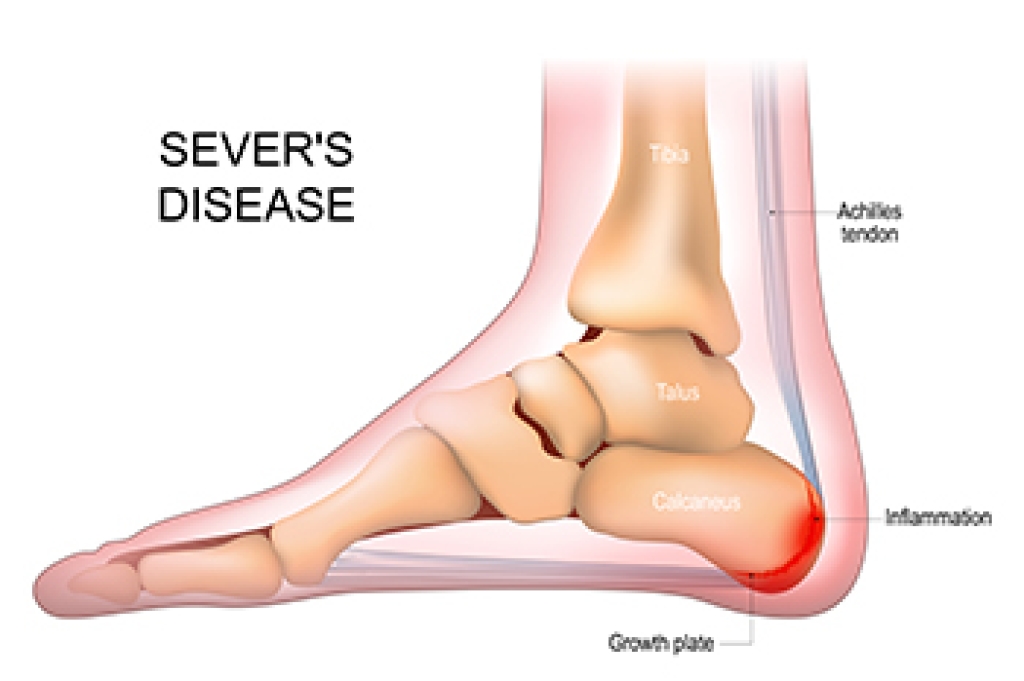
Sever’s disease is a common cause of heel pain in children and adolescents, especially during growth spurts. It occurs when the growth plate in the heel becomes inflamed due to repetitive stress or excessive activity. This condition is most often seen in active children who participate in running and jumping sports. Risk factors include tight calf muscles, poor footwear, flat feet, or rapid growth. Relief may come from rest, stretching, and supportive shoes to reduce strain on the heel. A podiatrist can provide an accurate diagnosis, recommend orthotics, and create a personalized treatment plan. If your child has heel pain that affects their activities, it is suggested that you consult a podiatrist for an accurate diagnosis and treatment options.

Sever's disease often occurs in children and teens. If your child is experiencing foot or ankle pain, see Dr. Yeon A. Shim from Roselle Podiatry Group. Our doctor can treat your child’s foot and ankle needs.

Sever’s Disease

Sever’s disease is also known as calcaneal apophysitis, which is a medical condition that causes heel pain I none or both feet. The disease is known to affect children between the ages of 8 and 14.

Sever’s disease occurs when part of the child’s heel known as the growth plate (calcaneal epiphysis) is attached to the Achilles tendon. This area can suffer injury when the muscles and tendons of the growing foot do not keep pace with bone growth. Therefore, the constant pain which one experiences at the back of the heel will make the child unable to put any weight on the heel. The child is then forced to walk on their toes.

Symptoms

Acute pain – Pain associated with Sever’s disease is usually felt in the heel when the child engages in physical activity such as walking, jumping and or running.

Highly active – Children who are very active are among the most susceptible in experiencing Sever’s disease, because of the stress and tension placed on their feet.

If you have any questions, please feel free to contact our office located in Roselle, NJ . We offer the newest diagnostic and treatment technologies for all your foot care needs.

Read more about Sever's Disease

What You Need to Know About Plantar Warts

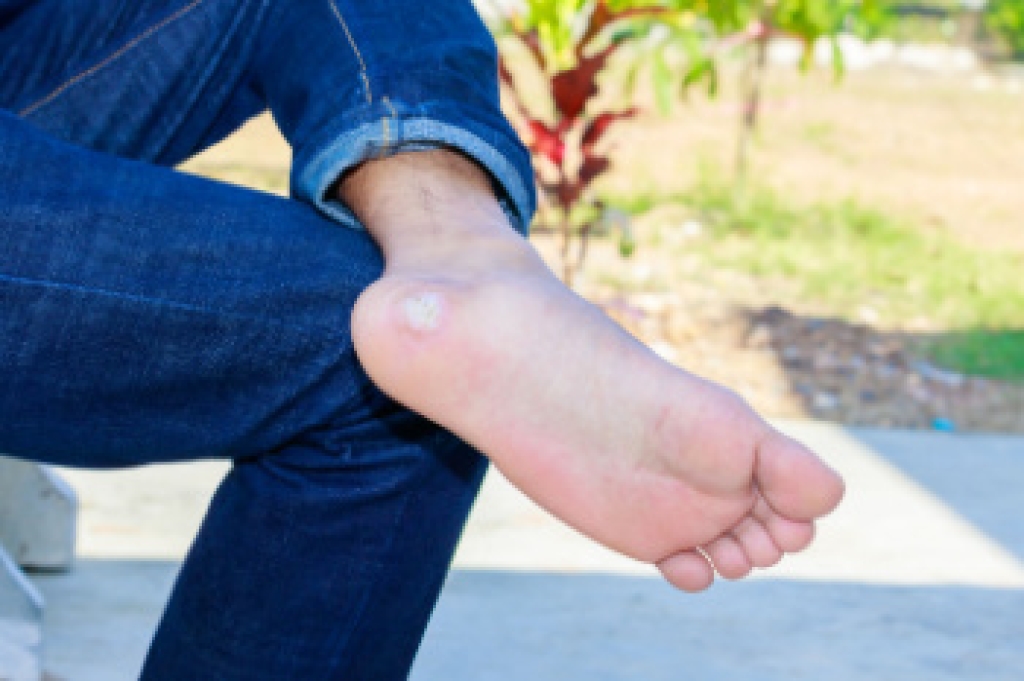
Plantar warts are small growths that appear on the soles of the feet and are caused by the human papillomavirus, or HPV. The virus enters through tiny cuts or breaks in the skin, often in places like public showers, pool areas, or locker rooms. Symptoms include a thickened, rough patch of skin with a small black dot in the center, which is a clotted blood vessel. They may feel tender or painful, especially while walking or standing. Plantar warts can grow individually or in clusters and may be mistaken for calluses or corns. A podiatrist can diagnose plantar warts through a physical examination and sometimes remove a small portion to confirm the presence of the virus. Relief options include topical medications or minor surgical removal. Early treatment can help prevent the spread of the virus and reduce discomfort. If you notice a painful or unusual growth on your foot,  it is suggested that you schedule an appointment with a podiatrist who can effectively treat plantar warts.

Plantar warts can be very uncomfortable. If you need your feet checked, contact Dr. Yeon A. Shim from Roselle Podiatry Group. Our doctor will assist you with all of your foot and ankle needs.

About Plantar Warts

Plantar warts are the result of HPV, or human papillomavirus, getting into open wounds on the feet. They are mostly found on the heels or balls of the feet.

While plantar warts are generally harmless, those experiencing excessive pain or those suffering from diabetes or a compromised immune system require immediate medical care. Plantar warts are easily diagnosed, usually through scraping off a bit of rough skin or by getting a biopsy.

Symptoms

  • Lesions on the bottom of your feet, usually rough and grainy
  • Hard or thick callused spots
  • Wart seeds, which are small clotted blood vessels that look like little black spots
  • Pain, discomfort, or tenderness of your feet when walking or standing

Treatment

  • Freezing
  • Electric tool removal
  • Laser Treatment
  • Topical Creams (prescription only)
  • Over-the-counter medications

To help prevent developing plantar warts, avoid walking barefoot over abrasive surfaces that can cause cuts or wounds for HPV to get into. Avoiding direct contact with other warts, as well as not picking or rubbing existing warts, can help prevent the further spread of plantar warts. However, if you think you have developed plantar warts, speak to your podiatrist. He or she can diagnose the warts on your feet and recommend the appropriate treatment options.

If you have any questions, please feel free to contact our office located in Roselle, NJ . We offer the newest diagnostic and treatment technologies for all your foot care needs.

Read more about Plantar Warts
scroll to top