
You don't need an excuse to have beautiful nails. Step outside without worrying about the appearance of your feet.
You don't need an excuse to have beautiful nails. Step outside without worrying about the appearance of your feet.
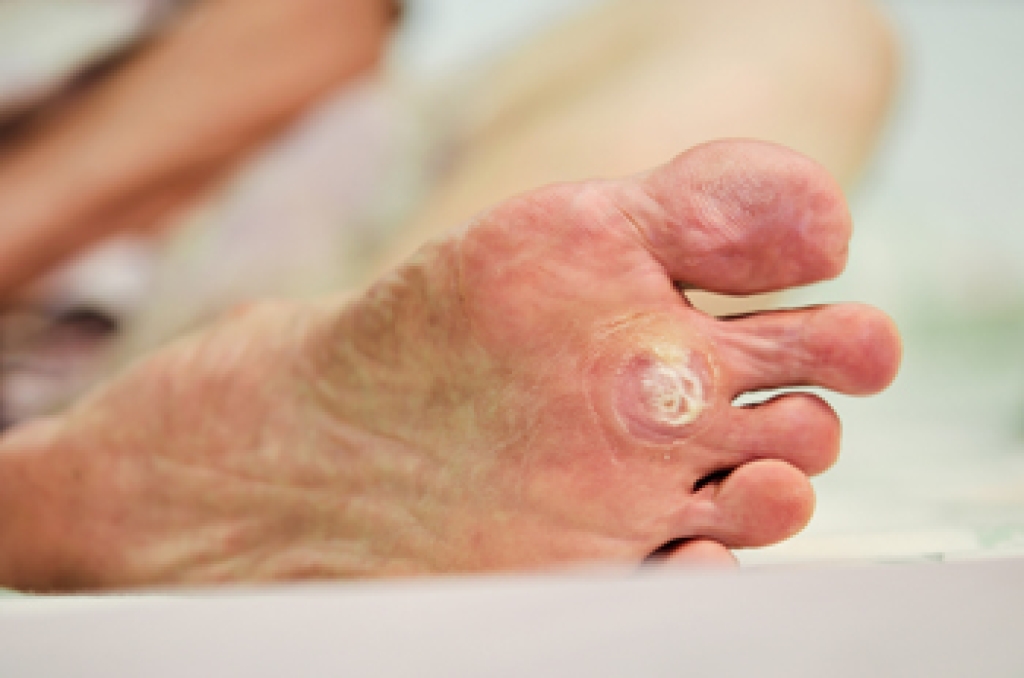
Plantar warts are stubborn growths caused by human papillomavirus, abbreviated HPV, and can be a source of discomfort and frustration. If you are attempting to manage these types of warts, there are effective ways to address them. Over-the-counter treatments containing salicylic acid can help dissolve the warts over time. Alternatively, your podiatrist can use cryotherapy to freeze the warts off. It is important to avoid picking or scratching the warts, as this can spread the virus. To help prevent plantar warts, keep your feet dry and clean, especially in damp environments, such as locker rooms or public showers. Wearing appropriate shoes, such as flip-flops, in communal areas can help to reduce the risk of exposure. If you have developed a plantar wart, it is suggested that you consult with a podiatrist who can guide you toward the treatment method that is right for you.
Plantar warts can be very uncomfortable. If you need your feet checked, contact Dr. Yeon A. Shim from Roselle Podiatry Group. Our doctor will assist you with all of your foot and ankle needs.
About Plantar Warts
Plantar warts are the result of HPV, or human papillomavirus, getting into open wounds on the feet. They are mostly found on the heels or balls of the feet.
While plantar warts are generally harmless, those experiencing excessive pain or those suffering from diabetes or a compromised immune system require immediate medical care. Plantar warts are easily diagnosed, usually through scraping off a bit of rough skin or by getting a biopsy.
Symptoms
Treatment
To help prevent developing plantar warts, avoid walking barefoot over abrasive surfaces that can cause cuts or wounds for HPV to get into. Avoiding direct contact with other warts, as well as not picking or rubbing existing warts, can help prevent the further spread of plantar warts. However, if you think you have developed plantar warts, speak to your podiatrist. He or she can diagnose the warts on your feet and recommend the appropriate treatment options.
If you have any questions, please feel free to contact our office located in Roselle, NJ . We offer the newest diagnostic and treatment technologies for all your foot care needs.
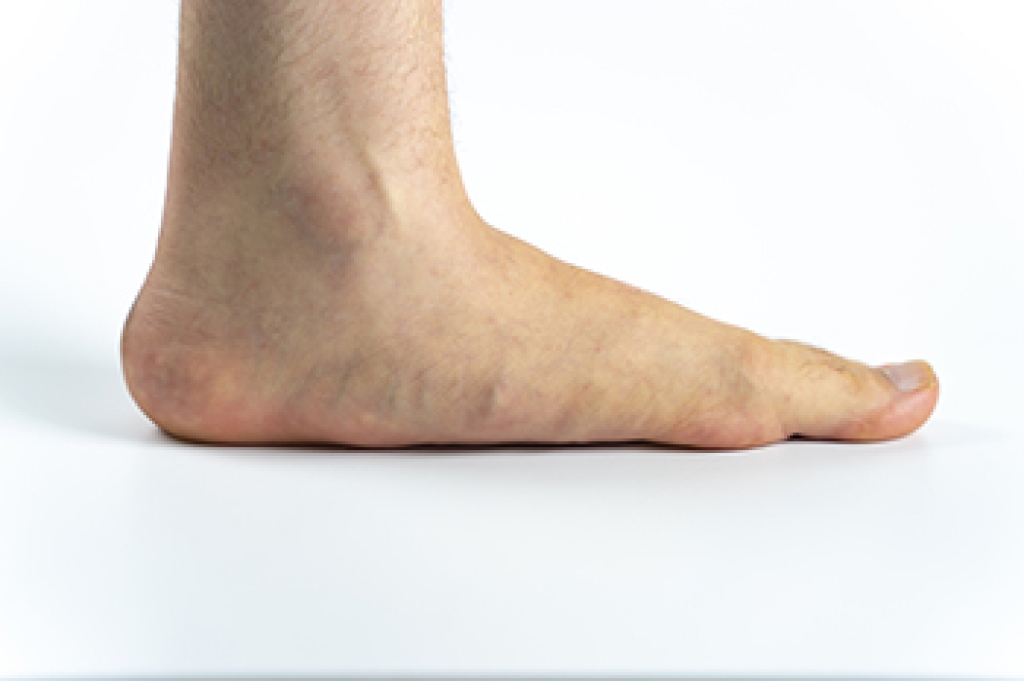
Adult flat feet stand as a prevalent and often misunderstood condition. Defined as the partial or complete collapse of the foot's arch, this issue can lead to discomfort and altered gait patterns. Various factors contribute to flat feet, including genetic predisposition, injury, or conditions such as posterior tibial tendon dysfunction. Symptoms may range from pain and swelling along the inner ankle to general foot fatigue. Uneven shoe wear and difficulty fitting into certain footwear may also signal this condition. While some adults can live with flat feet without discomfort, others may experience pain and difficulty in completing daily activities. Gaining a complete understanding of the causes and symptoms of adult flat feet can empower affected individuals to seek appropriate medical advice. If you have flat feet, it is suggested that you are under the care of a podiatrist who can help you to manage this condition.
Flatfoot is a condition many people suffer from. If you have flat feet, contact Dr. Yeon A. Shim from Roselle Podiatry Group. Our doctor will treat your foot and ankle needs.
What Are Flat Feet?
Flatfoot is a condition in which the arch of the foot is depressed and the sole of the foot is almost completely in contact with the ground. About 20-30% of the population generally has flat feet because their arches never formed during growth.
Conditions & Problems:
Having flat feet makes it difficult to run or walk because of the stress placed on the ankles.
Alignment – The general alignment of your legs can be disrupted, because the ankles move inward which can cause major discomfort.
Knees – If you have complications with your knees, flat feet can be a contributor to arthritis in that area.
Symptoms
Treatment
If you are experiencing pain and stress on the foot you may weaken the posterior tibial tendon, which runs around the inside of the ankle.
If you have any questions, please feel free to contact our office located in Roselle, NJ . We offer the newest diagnostic and treatment technologies for all your foot care needs.
The foot is a complex structure that contains numerous tendons, ligaments, muscles, and bones, with 19 bones located in the toes themselves. Among the common causes of toe pain are gout, tendonitis, bunions, and osteoarthritis. Rheumatoid arthritis, sesamoiditis, and turf toe are other causes. Gout is a type of arthritis caused by too much uric acid in the system, leading to excruciating big toe pain. Overuse of the big toe, which is instrumental in walking, can lead to inflammation of the big toe joint. Tight-fitting shoes can cause a bump to develop at the base of the big toe, known as a bunion. Pain results from a shift in the biomechanics of the feet and friction caused by shoes. Rheumatoid arthritis can also lead to bunion-like deformities, causing sharp pain. Trauma to the big toe can also trigger osteoarthritis, which is characterized by excessive wear and tear of the toe joints. Sesamoiditis is an inflammation of the tissue surrounding the two tiny sesamoid bones, located at the base of the big toe. Turf toe, an overstretching of the ligament at the base of the big toe. For assistance with big toe pain that is limiting your daily activities, it is suggested that you make an appointment with a podiatrist.
Toe pain can disrupt your daily activities. If you have any concerns, contact Dr. Yeon A. Shim of Roselle Podiatry Group. Our doctor can provide the care you need to keep you pain-free and on your feet.
What Causes Toe Pain?
Most severe toe pain is caused due to a sports injury, trauma from dropping something heavy on the toe, or bumping into something rigid. Other problems can develop over time for various reasons.
Toe pain can be caused by one or more ailments. The most common include:
When to See a Podiatrist
Diagnosis
In many cases the cause of toe pain is obvious, but in others, a podiatrist may want to use more advanced methods to determine the problem. These can range from simple visual inspections and sensation tests to X-rays and MRI scans. Prior medical history, family medical history, and any recent physical traumatic events will all be taken into consideration for a proper diagnosis.
Treatment
Treatments for toe pain and injuries vary and may include shoe inserts, padding, taping, medicines, injections, and in some cases, surgery. If you believe that you have broken a toe, please see a podiatrist as soon as possible.
If you have any questions please contact our office located in Roselle, NJ . We offer the newest diagnostic and treatment technologies for all your foot and ankle needs.

Do you suffer from heel pain when you get up in the morning? If so, you should seek professional help and have a proper diagnosis performed. Heel pain can be caused by several different foot-related conditions.

