Blog

Ganglion Cysts on the Foot and What They Mean

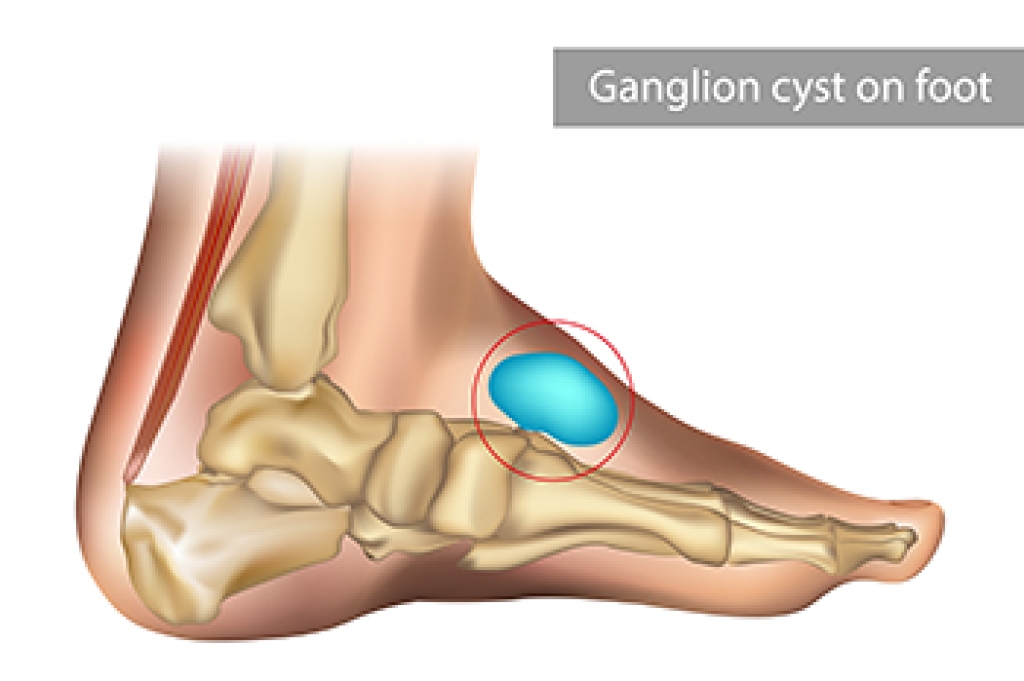
A ganglion cyst is a non-cancerous, fluid-filled lump that can develop near a joint or tendon. Ganglion cysts on the foot may form around the ankle, top of the foot, or near a joint where connective tissues are present. The cyst is usually filled with a thick, jelly-like fluid, and may feel soft or firm when touched. Symptoms may include a visible bump, tenderness, or aching. Irritation while walking may occur. The size of a cyst can change over time and may become more noticeable after activity.

The exact cause of a ganglion cyst is not always known. These cysts may develop when fluid from a joint or tendon sheath collects and forms a sac beneath the skin. Repeated stress or irritation around a joint may contribute to their development. Risk factors can include previous foot injuries, repetitive activity, and conditions that place ongoing stress on the feet. Some people develop a cyst without an obvious injury or triggering event. Because other lumps can look similar, a new growth should be evaluated rather than assumed to be a ganglion cyst.


A podiatrist can examine the foot and determine whether a ganglion cyst is responsible for the lump and symptoms. The evaluation may include reviewing medical history, examining the size and location of the cyst, and checking nearby joints and tendons. Imaging such as an ultrasound or an MRI scan may be recommended when the diagnosis is uncertain. When symptoms interfere with footwear or walking footwear changes may be suggested. Aspiration or surgical removal may be needed, depending on the cyst and the patient’s needs.


Ganglion cysts are usually benign, but persistent growth, pain, or changes in the surrounding skin deserve professional attention. A podiatrist can explain the available treatment options and help determine whether intervention is necessary. If you have a ganglion cyst on your foot, it is suggested that you consult a podiatrist for effective relief and management solutions.

Foot Pain

Foot pain can be extremely painful and debilitating. If you have a foot pain, consult with Dr. Yeon A. Shim from Roselle Podiatry Group. Our doctor will assess your condition and provide you with quality foot and ankle treatment.

Causes

Foot pain is a very broad condition that could be caused by one or more ailments. The most common include:

  • Bunions
  • Hammertoes
  • Plantar Fasciitis
  • Bone Spurs
  • Corns
  • Tarsal Tunnel Syndrome
  • Ingrown Toenails
  • Arthritis (such as Gout, Rheumatoid, and Osteoarthritis)
  • Flat Feet
  • Injury (from stress fractures, broken toe, foot, ankle, Achilles tendon ruptures, and sprains)
  • And more

Diagnosis

To figure out the cause of foot pain, podiatrists utilize several different methods. This can range from simple visual inspections and sensation tests to X-rays and MRI scans. Prior medical history, family medical history, and any recent physical traumatic events will all be taken into consideration for a proper diagnosis.

Treatment

Treatment depends upon the cause of the foot pain. Whether it is resting, staying off the foot, or having surgery; podiatrists have a number of treatment options available for foot pain.

If you have any questions, please feel free to contact our office located in Roselle, NJ . We offer the newest diagnostic and treatment technologies for all your foot care needs.


Read more about Foot Pain

Choosing Running Shoes for Every Surface

Running shoes are more than a comfort choice. The right pair supports your feet while matching your running style and surface. Wearing shoes that do not fit properly or match your activity can contribute to foot and ankle injuries. Common problems include blisters, arch pain, and stress injuries. Symptoms may begin as soreness after running and become persistent. Runners who increase mileage quickly or have foot mechanics concerns may face greater risk. Worn-out shoes can reduce cushioning and stability.

Choosing running shoes starts with considering where you run. Paved paths are firm, so road-running shoes with cushioning and a stable base can provide suitable support. Hard-packed dirt requires traction and durable construction. Trail-running shoes are designed for uneven terrain and offer traction, protection, and stability. Additionally, cross-training shoes work well for gym workouts involving lateral movement or strength exercises, but they may not provide enough cushioning for distance running. A proper fit should allow comfortable toe movement without heel slipping.


If pain develops, a podiatrist can evaluate your feet, shoes, and walking pattern. Treatment depends on the injury and may include activity modification, wearing supportive footwear, or targeted care. The podiatrist may recommend replacing worn shoes and adjusting training surfaces. A gradual return can help symptoms improve. For significant injuries, diagnostic imaging may determine whether a tendon, ligament, or joint has been affected. Early evaluation can prevent a problem from becoming longer lasting.


The best running shoe should match your foot needs, training activities, and surface. Pay attention to comfort, fit, and signs of wear. Replace shoes when support declines rather than waiting for pain. If foot or ankle pain develops while wearing the wrong running shoes, it is suggested that you consult a podiatrist for effective relief tips, and additional guidance on how to choose running shoes that are right for you. 

If you are a runner, wearing the right running shoe is essential. For more information, contact Dr. Yeon A. Shim from Roselle Podiatry Group. Our doctor can provide the care you need to keep you pain-free and on your feet.

Choosing the Right Running Shoe for Your Foot Type

To increase performance and avoid the risk of injury, it is important to choose the right running shoe based on your foot type. The general design of running shoes revolves around pronation, which is how the ankle rolls from outside to inside when the foot strikes the ground.

  • Neutral runners are able to choose from a wide variety of shoes, including minimalist shoes or even going barefoot.
  • Runners who overpronate, or experience an over-abundance of ankle rolling, should choose shoes that provide extra motion control and stability.
  • Runners who underpronate, or supinate, have feet that have high arches and lack flexibility, preventing shock absorption. They require shoes with more flexibility and cushion.

If you have any questions, please feel free to contact our office located in Roselle, NJ . We offer the newest diagnostic and treatment technologies for all your foot care needs.
Read more about Choosing the Right Running Shoe for Your Foot Type

Heel Pain Can Be Treated!

Do you suffer from heel pain when you get up in the morning? If so, you should seek professional help and have a proper diagnosis performed. Heel pain can be caused by several different foot-related conditions.

Why Professional Foot Wound Care Matters

Foot wounds require prompt medical attention because they can become more serious if they do not heal properly. Even a small cut, blister, or sore may develop into a larger problem when bacteria enter the damaged skin or healing is delayed. People with diabetes, poor circulation, or nerve damage face a greater risk of complications, because they may not notice an injury right away. Pressure on the feet from walking and standing can also slow the healing process. Since the feet support the body's weight every day, wounds often need careful monitoring to prevent infection and protect healthy tissue. A professional evaluation is important to determine the severity of the wound and develop an appropriate treatment plan. Early podiatry care may also help reduce the risk of long-term complications and preserve foot health.


Symptoms of a foot wound vary depending on the cause and its severity. Many people notice redness, swelling, or pain around the injured area. Others experience drainage or skin that does not appear to be healing as expected. In some cases, an open sore may become deeper or show signs of infection over time. Delayed healing should never be ignored because it may indicate an underlying medical condition or reduced blood flow to the area. Persistent wounds can interfere with walking, limit daily activities, and increase the risk of more serious foot problems. Prompt evaluation allows treatment to begin before the wound becomes more difficult to manage.


A podiatrist specializes in diagnosing and treating wounds that affect the feet and ankles. During an examination, the podiatrist evaluates the wound, checks circulation, and looks for signs of infection or tissue damage. Treatment focuses on promoting healthy healing, protecting the affected area, and addressing conditions that may slow recovery. Ongoing monitoring also helps identify changes early and supports better long-term foot health. If you are experiencing a foot wound, delayed healing, or signs of infection, it is suggested that you consult a podiatrist for an evaluation and appropriate treatment options.

Wound care is an important part in dealing with diabetes. If you have diabetes and a foot wound or would like more information about wound care for diabetics, consult with Dr. Yeon A. Shim from Roselle Podiatry Group. Our doctor will assess your condition and provide you with quality foot and ankle treatment.

What Is Wound Care?

Wound care is the practice of taking proper care of a wound. This can range from the smallest to the largest of wounds. While everyone can benefit from proper wound care, it is much more important for diabetics. Diabetics often suffer from poor blood circulation which causes wounds to heal much slower than they would in a non-diabetic. 

What Is the Importance of Wound Care?

While it may not seem apparent with small ulcers on the foot, for diabetics, any size ulcer can become infected. Diabetics often also suffer from neuropathy, or nerve loss. This means they might not even feel when they have an ulcer on their foot. If the wound becomes severely infected, amputation may be necessary. Therefore, it is of the upmost importance to properly care for any and all foot wounds.

How to Care for Wounds

The best way to care for foot wounds is to prevent them. For diabetics, this means daily inspections of the feet for any signs of abnormalities or ulcers. It is also recommended to see a podiatrist several times a year for a foot inspection. If you do have an ulcer, run the wound under water to clear dirt from the wound; then apply antibiotic ointment to the wound and cover with a bandage. Bandages should be changed daily and keeping pressure off the wound is smart. It is advised to see a podiatrist, who can keep an eye on it.

If you have any questions please contact our office located in Roselle, NJ . We offer the newest diagnostic and treatment technologies for all your foot and ankle needs.

Read more about Wound Care
scroll to top