Blog

How Are Foot Warts Treated?

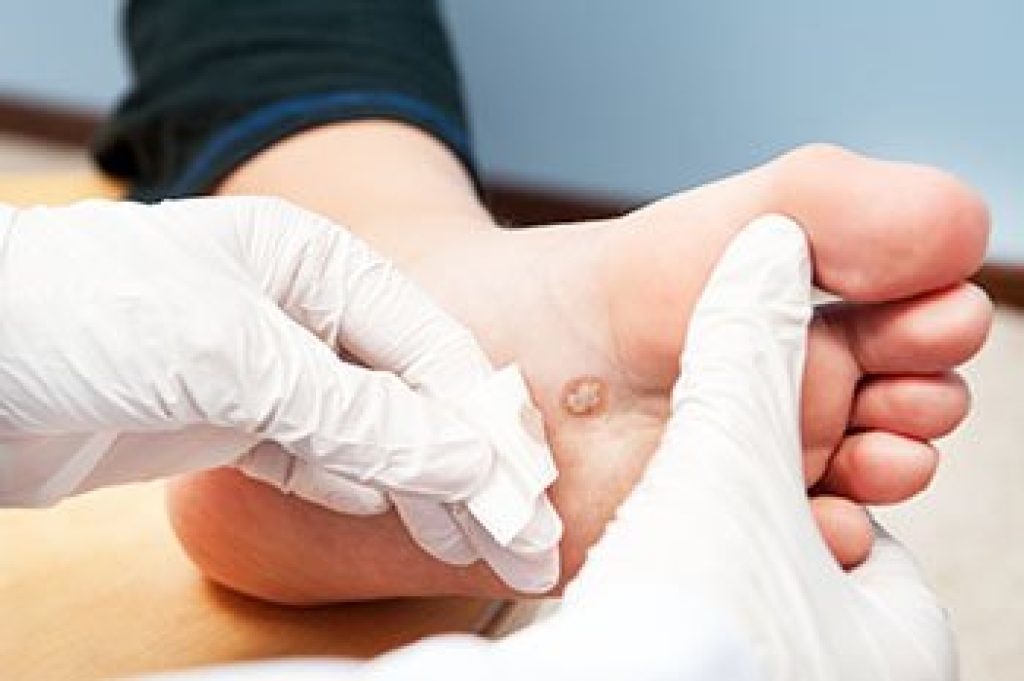
Most plantar warts, warts that develop on the bottom of the foot, go away after months or years on their own. However, as these warts can cause pain and discomfort, and because they are contagious and can spread easily, a doctor may recommend or prescribe various treatments and at home care techniques to help you find relief. To treat a foot wart, your doctor may prescribe a topical medication, which you must use exactly as prescribed for best results. You may also take an over-the-counter pain medication to reduce pain from the wart. Wearing comfortable shoes and socks, and padding the wart by wearing a doughnut-shaped felt or moleskin bandage, may also help relieve pain by reducing pressure placed on the wart. For the best treatment options, consult with a podiatrist today. 

Plantar warts can be very uncomfortable. If you need your feet checked, contact Dr. Yeon A. Shim from Roselle Podiatry Group. Our doctor will assist you with all of your foot and ankle needs.

About Plantar Warts

Plantar warts are the result of HPV, or human papillomavirus, getting into open wounds on the feet. They are mostly found on the heels or balls of the feet.

While plantar warts are generally harmless, those experiencing excessive pain or those suffering from diabetes or a compromised immune system require immediate medical care. Plantar warts are easily diagnosed, usually through scraping off a bit of rough skin or by getting a biopsy.

Symptoms

  • Lesions on the bottom of your feet, usually rough and grainy
  • Hard or thick callused spots
  • Wart seeds, which are small clotted blood vessels that look like little black spots
  • Pain, discomfort, or tenderness of your feet when walking or standing

Treatment

  • Freezing
  • Electric tool removal
  • Laser Treatment
  • Topical Creams (prescription only)
  • Over-the-counter medications

To help prevent developing plantar warts, avoid walking barefoot over abrasive surfaces that can cause cuts or wounds for HPV to get into. Avoiding direct contact with other warts, as well as not picking or rubbing existing warts, can help prevent the further spread of plantar warts. However, if you think you have developed plantar warts, speak to your podiatrist. He or she can diagnose the warts on your feet and recommend the appropriate treatment options.

If you have any questions, please feel free to contact our office located in Roselle, NJ . We offer the newest diagnostic and treatment technologies for all your foot care needs.
Read more about Plantar Warts

Should I Go to the Doctor for a Blister?

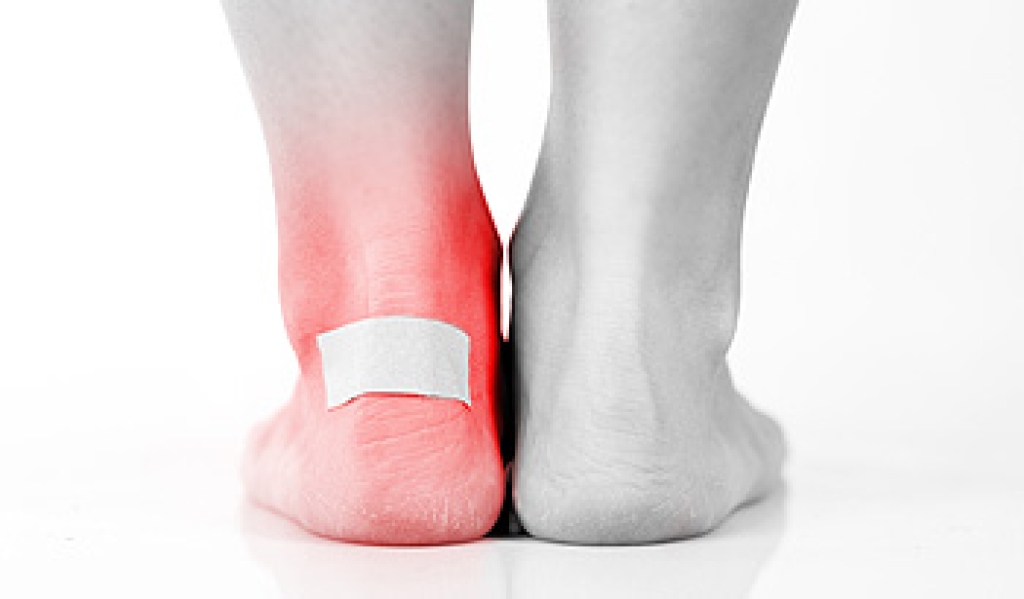
A blister is a fluid-filled bump that often appears on the foot. Most blisters are the result of excessive friction over a concentrated area of the foot, and are usually not serious. Left alone, they can typically heal without medical intervention. However, sometimes blisters can warrant a visit to the podiatrist. If you have a blister that you think may be infected, it is recommended that you see a doctor as soon as possible, as this can lead to a contagious bacterial infection of the skin, called secondary impetigo, or further complications like cellulitis or sepsis. You should also consult with a podiatrist if your blister is very painful or frequently recurs. For more information about foot blisters, speak with a podiatrist today.

Blisters are prone to making everyday activities extremely uncomfortable. If your feet are hurting, contact Dr. Yeon A. Shim of Roselle Podiatry Group. Our doctor can provide the care you need to keep you pain-free and on your feet.

Foot Blisters

Foot blisters develop as a result of constantly wearing tight or ill-fitting footwear. This happens due to the constant rubbing from the shoe, which can often lead to pain.

What Are Foot Blisters?

A foot blister is a small fluid-filled pocket that forms on the upper-most layer of the skin. Blisters are filled with clear fluid and can lead to blood drainage or pus if the area becomes infected.

How Do Blisters Form?

Blisters on the feet are often the result of constant friction of skin and material, usually by shoe rubbing. Walking in sandals, boots, or shoes that don’t fit properly for long periods of time can result in a blister. Having consistent foot moisture and humidity can easily lead to blister formation.

Prevention & Treatment

It is important to properly care for the affected area in order to prevent infection and ease the pain. Do not lance the blister and use a Band-Aid to provide pain relief. Also, be sure to keep your feet dry and wear proper fitting shoes. If you see blood or pus in a blister, seek assistance from a podiatrist.

If you have any questions, please feel free to contact our office located in Roselle, NJ . We offer the newest diagnostic and treatment technologies for all your foot care needs.

Read more about Blisters on the Feet

Gout Pain Can Be Managed

Gout is a painful, inflammatory form of arthritis. Those affected will typically feel an intense stiffness in the joints of their feet, particularly in the big toe. Schedule a visit to learn about how gout can be managed and treated.

Wearing Shoes That Fit Correctly May Help to Prevent Foot Injuries

The importance of wearing shoes that fit correctly is understood by many people who enjoy sporting activities. When the shoes that are worn do not fit properly, blisters and injuries to the toes or feet may occur. This can be detrimental in pursuing the chosen hobby or sport. Before purchasing shoes, it is beneficial to try them on, as this ensures that there is adequate room for the toes to move freely. Additionally, a good fitting shoe will have an arch area that is in alignment with your feet. It is best to buy shoes at the end of the day, when the feet are typically at their largest. If you would like more information about how to buy shoes that fit correctly, it is suggested that you consult with a podiatrist.

It is important to find shoes that fit you properly in order to avoid a variety of different foot problems. For more information about treatment, contact Dr. Yeon A. Shim from Roselle Podiatry Group. Our doctor will treat your foot and ankle needs.

Proper Shoe Fitting

Shoes have many different functions. They cushion our body weight, protect our feet, and allow us to safely play sports. You should always make sure that the shoes you wear fit you properly in order to avoid injuries and deformities such as: bunions, corns, calluses, hammertoes, plantar fasciitis, stress fractures, and more. It is important to note that although a certain pair of shoes might be a great fit for someone else, that doesn’t mean they will be a great fit for you. This is why you should always try on shoes before buying them to make sure they are worth the investment. Typically, shoes need to be replaced ever six months to one year of regular use.

Tips for Proper Shoe Fitting

  • Select a shoe that is shaped like your foot
  • Don’t buy shoes that fit too tight, expecting them to stretch to fit
  • Make sure there is enough space (3/8” to ½”) for your longest toe at the end of each shoe when you are standing up
  • Walk in the shoes to make sure they fit and feel right
  • Don’t select shoes by the size marked inside the shoe, but by how the shoe fits your foot

The shoes you buy should always feel as good as they look. Shoes that fit properly will last longer, feel better, and improve your way of life each day.

If you have any questions please contact our office located in Roselle, NJ . We offer the newest diagnostic and treatment technologies for all your foot and ankle needs.

Read more about How to Get a Proper Shoe Fit

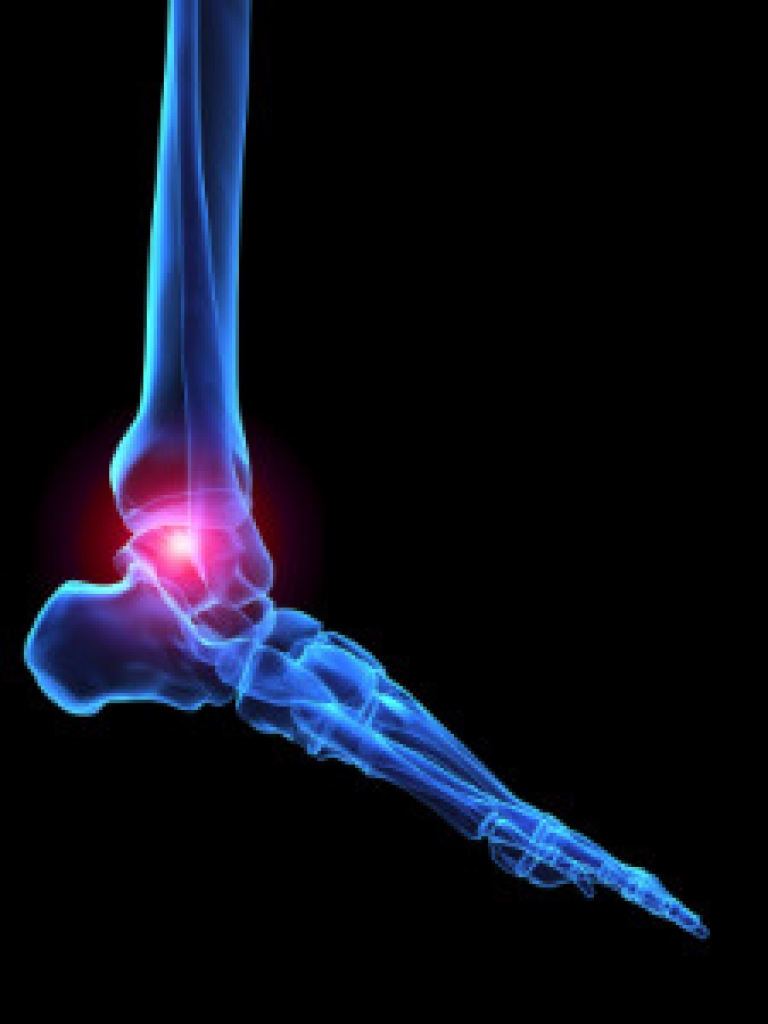
Rheumatoid Arthritis and the Feet

Rheumatoid arthritis (RA) is an autoimmune condition that causes chronic inflammation of the joints and frequently affects the joints of the feet and ankles. In fact, more than 90% of people with RA develop symptoms in the foot and ankle. This condition can make it difficult to walk and may cause pain in the feet. RA can also make you more likely to develop other foot problems, such as collapsed arches, corns, calluses, bunions, hammertoes, and large bony bumps on the ball of the foot,. If you have been diagnosed with RA and experience symptoms in the feet and ankles, it is highly suggested that you are under the care of a podiatrist. A podiatrist can monitor your feet and ankles, prescribe various treatments, and help you maintain your mobility and quality of life.

Arthritis can be a difficult condition to live with. If you are seeking treatment, contact Dr. Yeon A. Shim from Roselle Podiatry Group. Our doctor can provide the care you need to keep you pain-free and on your feet.

Arthritic Foot Care  

Arthritis is a joint disorder that involves the inflammation of different joints in your body, such as those in your feet. Arthritis is often caused by a degenerative joint disease and causes mild to severe pain in all affected areas. In addition to this, swelling and stiffness in the affected joints can also be a common symptom of arthritis.

In many cases, wearing ill-fitting shoes can worsen the effects and pain of arthritis. Wearing shoes that have a lower heel and extra room can help your feet feel more comfortable. In cases of rheumatoid arthritis, the arch in your foot may become problematic. Buying shoes with proper arch support that contour to your feet can help immensely.

Alleviating Arthritic Pain

  • Exercises that stretch the foot can prevent further pain and injury and increase mobility
  • Most of the pain can be alleviated with anti-inflammatory drugs, heat, and topical medications
  • Massages can help temporarily alleviate pain.

It is best to see your doctor for the treatment that is right for your needs and symptoms. Conditions vary, and a podiatrist can help you determine the right method of care for your feet.

If you have any questions please feel free to contact our office located in Roselle, NJ . We offer the newest diagnostic tools and technology to treat your foot and ankle needs.

Read more about Arthritic Foot Care
scroll to top