Blog

Prevention and Treatment for Corns

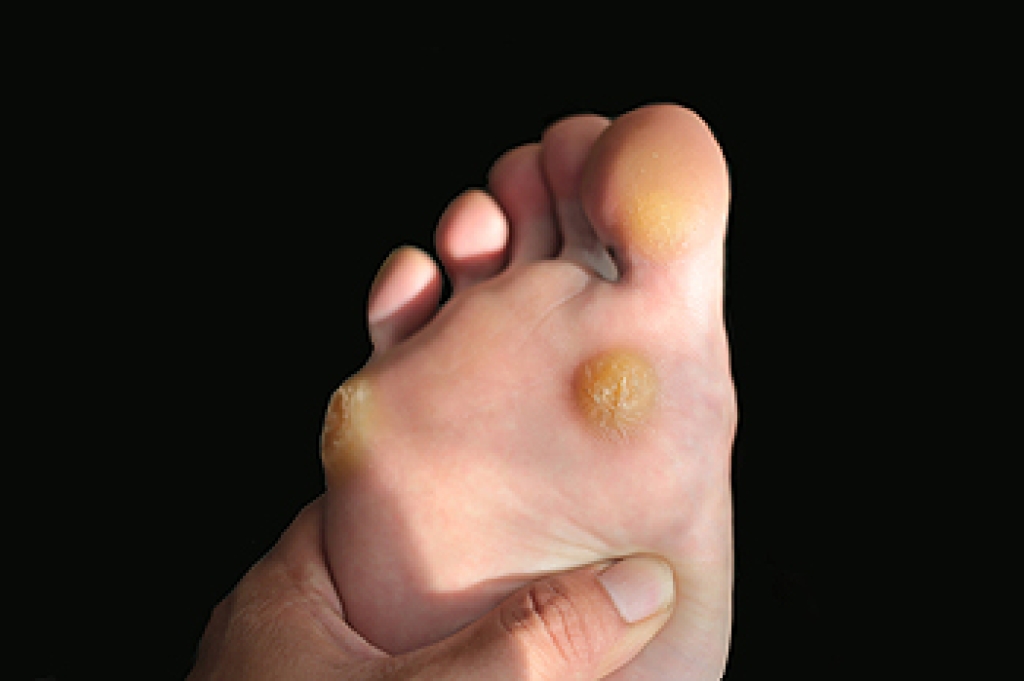
While similar to a callus, corns are harder, smaller, and generally more painful thickened layers of the skin that appear as small lumps on the feet and toes. Typically caused by irritation and friction, corns can be incredibly uncomfortable to deal with if left untreated. To avoid getting a corn, it’s recommended that you wear footwear that gives your toes room to move freely in, you keep your feet clean and moisturized, and you keep your toenails properly trimmed. To help treat corns, it’s often advised that you soak your feet in warm water before filing at it with a pumice stone. Moisturizing after filing and using corn pads may also help to reduce your corn. If your corn is extremely painful, causing swelling, redness, or drainage of pus, we recommend that you consult with a podiatrist as soon as possible for professional care and treatment.

If you have any concerns regarding your feet and ankles, contact Dr. Yeon A. Shim of Roselle Podiatry Group. Our doctor will treat your foot and ankle needs.

Corns: What Are They? and How Do You Get Rid of Them?
Corns can be described as areas of the skin that have thickened to the point of becoming painful or irritating. They are often layers and layers of the skin that have become dry and rough, and are normally smaller than calluses.

Ways to Prevent Corns
There are many ways to get rid of painful corns such as wearing:

  • Well-fitting socks
  • Comfortable shoes that are not tight around your foot
  • Shoes that offer support

Treating Corns
Treatment of corns involves removing the dead skin that has built up in the specific area of the foot. Consult with Our doctor to determine the best treatment option for your case of corns.

If you have any questions, please feel free to contact our office located in Roselle, NJ . We offer the newest diagnostic and treatment technologies for all your foot care needs.
Read more about Everything You Need to Know About Corns

Can Sitting Lead To Poor Circulation?

Poor circulation may occur in people who have medical conditions that include diabetes, or practice a sedentary lifestyle. Some of the symptoms that are associated with this condition may include a numbing or tingling sensation in the feet, and the feet may feel cold and tired. It may become worse with time, in which case there are measures that can be implemented which may help with poor circulation. These may include walking, swimming, and performing gentle stretching exercises. Additionally, eating foods that are healthy may increase circulation. If you are afflicted with poor circulation, it is suggested that you consult with a podiatrist who can help you to choose shoes that may prevent pain, in addition to protecting your feet.

While poor circulation itself isn’t a condition; it is a symptom of another underlying health condition you may have. If you have any concerns with poor circulation in your feet contact Dr. Yeon A. Shim of Roselle Podiatry Group. Our doctor will treat your foot and ankle needs.

Poor Circulation in the Feet

Peripheral artery disease (PAD) can potentially lead to poor circulation in the lower extremities. PAD is a condition that causes the blood vessels and arteries to narrow. In a linked condition called atherosclerosis, the arteries stiffen up due to a buildup of plaque in the arteries and blood vessels. These two conditions can cause a decrease in the amount of blood that flows to your extremities, therefore resulting in pain.

Symptoms

Some of the most common symptoms of poor circulation are:

  • Numbness
  • Tingling
  • Throbbing or stinging pain in limbs
  • Pain
  • Muscle Cramps

Treatment for poor circulation often depends on the underlying condition that causes it. Methods for treatment may include insulin for diabetes, special exercise programs, surgery for varicose veins, or compression socks for swollen legs.

As always, see a podiatrist as he or she will assist in finding a regimen that suits you. A podiatrist can also prescribe you any needed medication. 

If you have any questions, please feel free to contact our office located in Roselle, NJ . We offer the newest diagnostic and treatment technologies for all your foot care needs.

Read more about Causes, Symptoms, and Treatment of Poor Blood Circulation in the Feet

Are You Suffering From Ingrown Toenails?

If left untreated, an ingrown toenail can lead to more serious concerns, such as an infection. Knowing proper nail care can help in the prevention of an ingrown toenail. Give us a call, and get treated!

Swollen Feet During Pregnancy

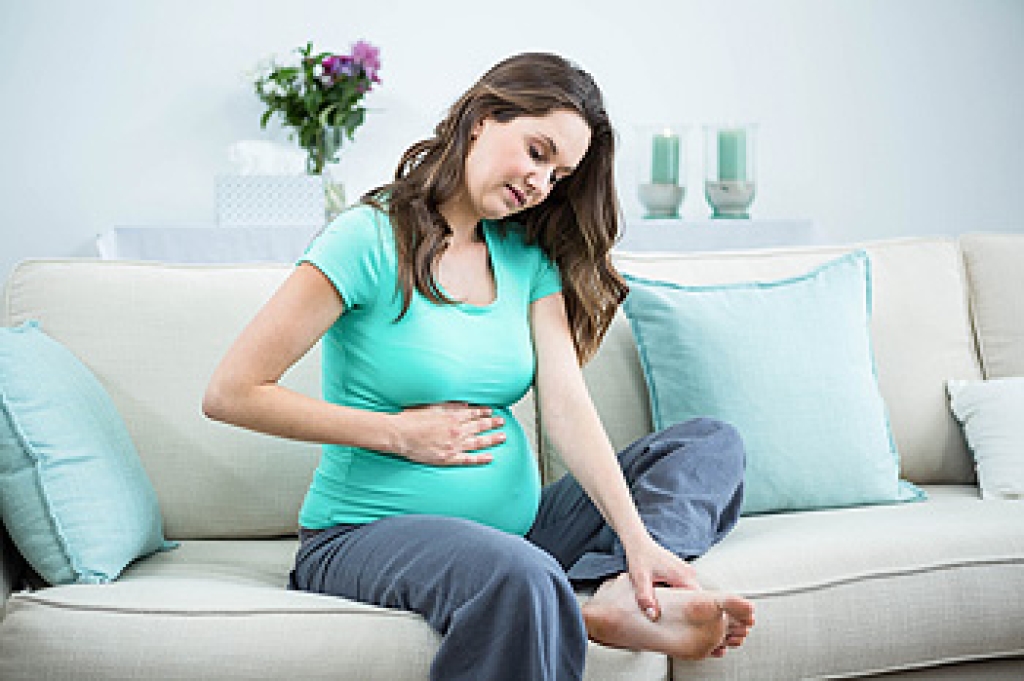
It is common knowledge that pregnant women have swollen feet. This typically occurs in the second trimester, and can be a result of hormonal changes, the growing fetus, and lifestyle habits. Research has indicated mild relief may be found when the feet are elevated as frequently as possible, and eating foods that have limited sodium. Additionally, it is beneficial to wear comfortable shoes, and to practice gentle stretching during the day. Some of these stretches can include rotating the ankles, pointing and flexing the feet, and it may help to refrain from crossing your ankles. If you would like additional information about the impact pregnancy may have on the feet, please consult with a podiatrist.

Pregnant women with swollen feet can be treated with a variety of different methods that are readily available. For more information about other cures for swollen feet during pregnancy, consult with Dr. Yeon A. Shim from Roselle Podiatry Group. Our doctor will attend to all of your foot and ankle needs.

What Foot Problems Can Arise During Pregnancy?

One problem that can occur is overpronation, which occurs when the arch of the foot flattens and tends to roll inward.  This can cause pain and discomfort in your heels while you’re walking or even just standing up, trying to support your baby.  

Another problem is edema, or swelling in the extremities. This often affects the feet during pregnancy but tends to occur in the later stages. 

How Can I Keep My Feet Healthy During Pregnancy?

  • Wearing orthotics can provide extra support for the feet and help distribute weight evenly
  • Minimize the amount of time spent walking barefoot
  • Wear shoes with good arch support
  • Wear shoes that allow for good circulation to the feet
  • Elevate feet if you experience swelling
  • Massage your feet
  • Get regular, light exercise, such as walking, to promote blood circulation to the feet

If you have any questions, please feel free to contact our office located in Roselle, NJ . We offer the newest diagnostic and treatment technologies for all your foot care needs.

Read more about Foot Care for Pregnant Women

Cracked Heels May Be More Common Among Women

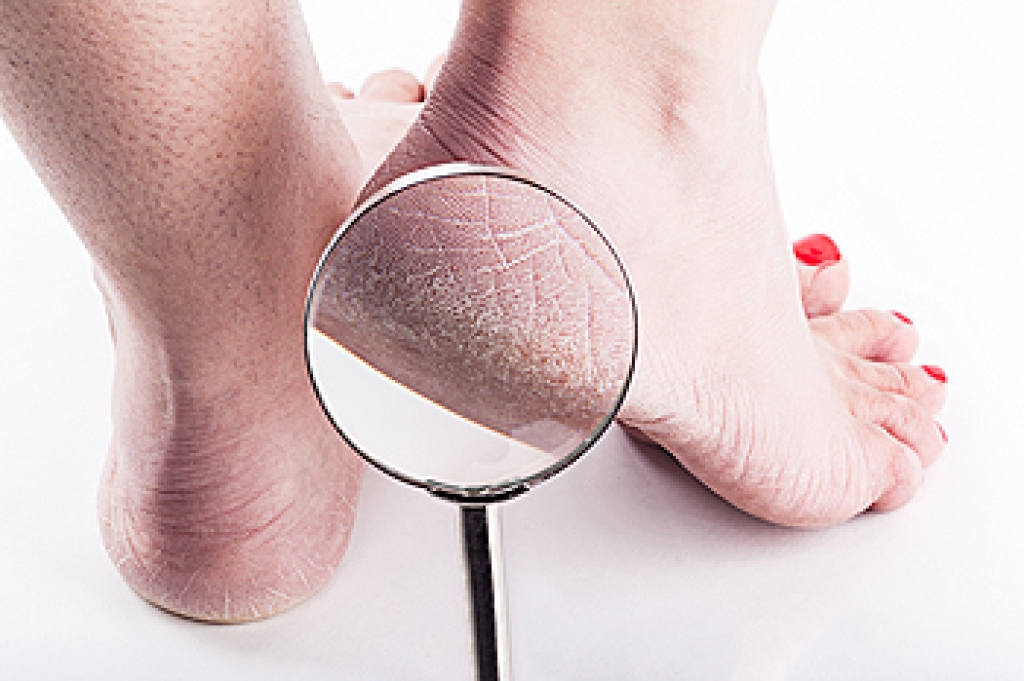
Research has indicated that the condition known as cracked heels may be more prevalent among women than men. This may be a result of frequently wearing high heels, or shoes that do not have a back, such as flip flops. There may be additional causes of cracked heels that can include excessive heat and humidity, nutrient deficiencies, or changes to the hormone levels. Many patients find moderate relief when the feet are soaked in warm water, followed by using a good moisturizer. This may be beneficial when frequently practiced in keeping the skin relatively soft. If you are afflicted with cracked heels, it is strongly suggested that you consult with a podiatrist who can help you to manage this condition.

Cracked heels are unsightly and can cause further damage to your shoes and feet. If you have any concerns, contact Dr. Yeon A. Shim from Roselle Podiatry Group. Our doctor can provide the care you need to keep you pain-free and on your feet.

Cracked Heels

Cracked heels appear unappealing and can make it harder for you walk around in sandals. Aside from looking unpleasant, cracked heels can also tear stockings, socks, and wear out your shoes. There are several methods to help restore a cracked heel and prevent further damage.

How Do You Get Them?

Dry skin is the number one culprit in creating cracked heels. Many athletes, walkers, joggers, and even swimmers suffer from cracked heels. Age and skin oil production play a role to getting cracked heels as well.

Promote Healing

Over the counter medicines can help, especially for those that need instant relief or who suffer from chronic dry feet.

Wear Socks – Wearing socks with medicated creams helps lock in moisture.

Moisturizers – Applying both day and night will help alleviate dryness which causes cracking.

Pumice Stones – These exfoliate and remove dead skin, which allows for smoother moisturizer application and better absorption into the skin. 

Change in Diet

Eating healthy with a well-balanced diet will give the skin a fresh and radiant look. Your body responds to the kinds of food you ingest. Omega-3 fatty acids and zinc supplements can also revitalize skin tissue.

Most importantly, seek professional help if unsure how to proceed in treating cracked heels. A podiatrist will help you with any questions or information needed. 

If you have any questions, please feel free to contact our office located in Roselle, NJ . We offer the newest diagnostic and treatment technologies for all your foot care needs.

Read more about Solutions for Cracked Heels
scroll to top