Blog

Exercising and Preventing Running Injuries

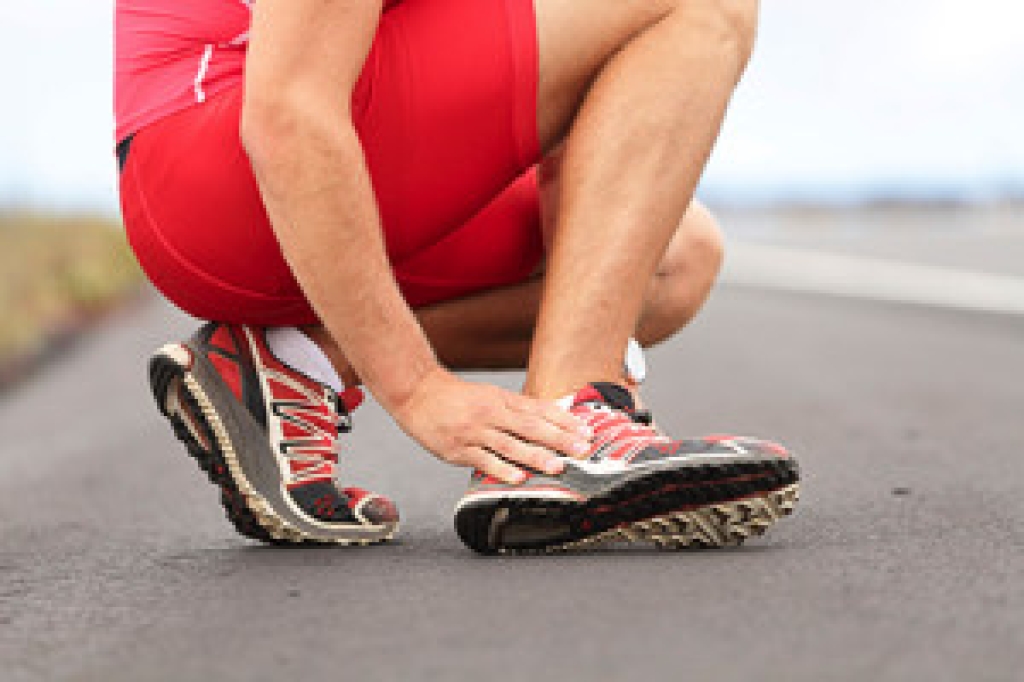
Working out and building strength is a good way to help prevent running injuries. Here are a couple of workouts you can try to help build muscle in your feet and legs. Do each of these exercises for and 4 to 5 sets of 15 to 25 repetitions . Before you do these however, it is recommended you see a podiatrist first and ask if exercising is right for you. To do a toe-curl walk, stand barefoot and move forward with your right leg using only your toes, then do the same for the left foot; you will only move an inch or so while doing this. Heel raises are easy to do. Just stand up on your toes while keeping your heels off the ground for about 1 second and then come down. Chair squats are a good way to work your quadriceps. Place a non-rolling chair behind you, and squat down over it so that your butt only briefly touches the chair. Then come up. Finally, to workout your gluteus muscles, lay on your stomach and bend your knee at a 90 degree angle. Slowly raise your thigh off the ground for a couple of seconds, then bring down your thigh and repeat with the other leg. These exercises are quick and easy to do and will build strength that will further help prevent running injuries.

Exercising your feet regularly with the proper foot wear is a great way to prevent injuries. If you have any concerns about your feet, contact Dr. Yeon A. Shim of Roselle Podiatry Group. Our doctor will treat your foot and ankle needs.

How to Prevent Running Injuries

Many common running injuries are caused by overuse and overtraining. When the back of the kneecap starts wearing out and starts causing pain in your knee, this is commonly referred to as runner’s knee. Runner’s knee is a decrease in strength in your quadriceps and can occur if you’re not wearing properly fitted or supporting shoes. To prevent runner’s knee, focusing on hip strengthening is a good idea, as well as strengthening your quads to keep the kneecaps aligned.

What Are Some Causes of Running Injuries? 
- One cause of a common running injury is called iliotibial band syndrome.
- Plantar fasciitis is also another common injury.
- Stress fractures can occur from overtraining, lack of calcium, or even your running style.

Best Ways to Prevent Running Injuries
- Wear footwear that fits properly and suits your running needs.
- Running shoes are the only protective gear that runners have to safeguard them from injury.
- Make a training schedule. Adding strengthening exercises as well as regular stretching can help keep you strong and limber and can lessen the possibility of injuries.
- Stretching keeps muscles limber; this will help you gain better flexibility.

If you have any questions, please feel free to contact our office located in Roselle, NJ . We offer the newest diagnostic and treatment technologies for all your foot care needs.
Read more about How to Prevent Running Injuries

Wildcats Point Guard Rawle Alkins Undergoes Foot Surgery

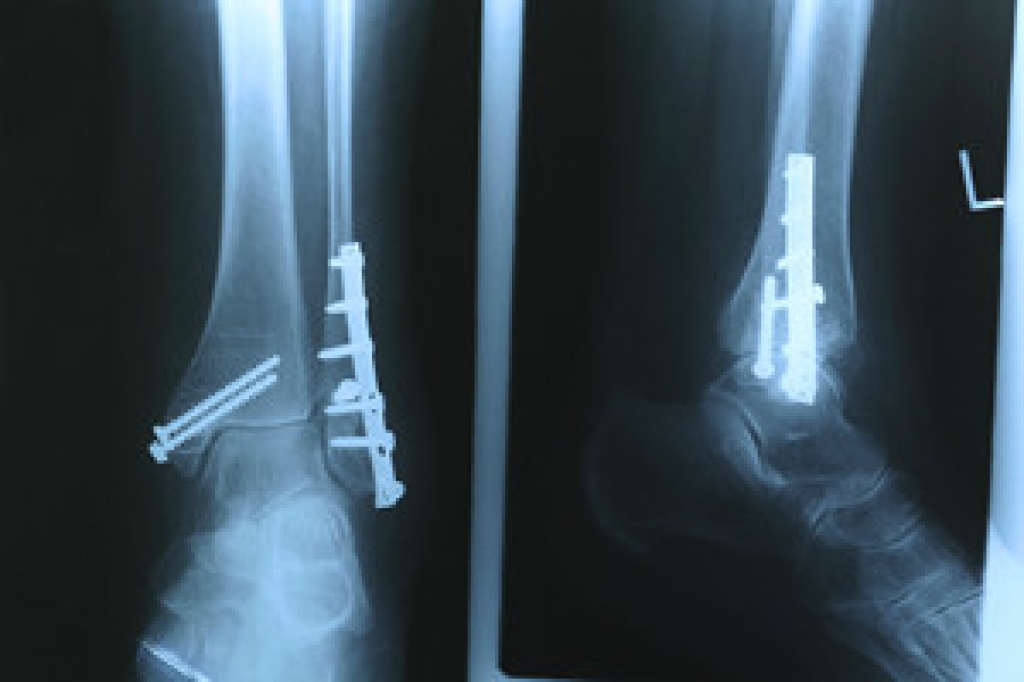
Sophomore Rawle Alkins of the University of Arizona Wildcats is expected to miss 8 to 12 weeks due to surgery on a recent fracture in his right foot. Alkins sustained the injury during voluntary activities with teammates. The surgery was reported to be a success, and Alkins is now recovering. Alkins was the third leading scorer on the Wildcats one season ago, and his absence will be missed.
 

Foot surgery is sometimes necessary to treat a foot ailment. To learn more, contact Dr. Yeon A. Shim of Roselle Podiatry Group. Our doctor will assist you with all of your foot and ankle needs.

When Is Surgery Necessary?

Foot and ankle surgery is generally reserved for cases in which less invasive, conservative procedures have failed to alleviate the problem. Some of the cases in which surgery may be necessary include:

  • Removing foot deformities like bunions and bone spurs
  • Severe arthritis that has caused bone issues
  • Cosmetic reconstruction

What Types of Surgery Are There?

The type of surgery you receive will depend on the nature of the problem you have. Some of the possible surgeries include:

  • Bunionectomy for painful bunions
  • Surgical fusion for realignment of bones
  • Neuropathy decompression surgery to treat nerve damage

Benefits of Surgery

Although surgery is usually a last resort, it can provide more complete pain relief compared to non-surgical methods and may allow you to finally resume full activity.

Surgical techniques have also become increasingly sophisticated. Techniques like endoscopic surgery allow for smaller incisions and faster recovery times.

If you have any questions, please feel free to contact our office located in Roselle, NJ . We offer the newest diagnostic and treatment technologies for all your foot care needs.

Read more about Sports Related Foot And Ankle Injuries

Common Foot Issues to Look Out For

There are a great number of common foot ailments that can affect anyone. Here’s a small rundown on each and what to do about them. Plantar fasciitis, a common form of heel pain, is caused by the inflammation of the plantar fascia and generally occurs from overuse. Rest and wearing good footwear can help the pain go away, however, it is best to see a podiatrist for treatment. Flat feet are often treated by a podiatrist who can offer the best forms of appropriate treatment such as custom-made orthotics. Heel spurs are calcium deposits that form beneath the heel bones, potentially causing severe pain. Anti-inflammatory medications, exercise, and orthotics can help treat heel spurs; however, surgery may be necessary in some cases. Calluses, or thick patches of skin caused by friction, can be taken care of by eliminating sources of friction against the foot and moisturizing. For athletes and runners, spraining and straining the foot are always a possibility. Icing the foot, rest, and seeing a podiatrist are the best methods of treatment. Bunions are bony protrusions at the base of the big toe and can be exacerbated by poor footwear, such as heels. Once again, seeing a podiatrist is the best way to get treatment. Finally, ingrown toenails are a common condition and can be prevented by cutting your nails straight across and wearing shoes that give the toes ample space to move.

Everyday foot care is very important to prevent infection and other foot ailments. If you need your feet checked, contact Dr. Yeon A. Shim from Roselle Podiatry Group. Our doctor can provide the care you need to keep you pain-free and on your feet.

Everyday Foot Care

Often, people take care of their bodies, face and hair more so than they do for their feet. But the feet are a very important aspect of our bodies, and one that we should pay more attention to. Without our feet, we would not be able to perform most daily tasks.

It is best to check your feet regularly to make sure there are no new bruises or cuts that you may not have noticed before. For dry feet, moisturizer can easily be a remedy and can be applied as often as necessary to the affected areas. Wearing shoes that fit well can also help you maintain good foot health, as well as making it easier to walk and do daily activities without the stress or pain of ill-fitting shoes, high heels, or even flip flops. Wearing clean socks with closed shoes is important to ensure that sweat and bacteria do not accumulate within the shoe. Clean socks help to prevent Athlete’s foot, fungi problems, bad odors, and can absorb sweat.

If you have any questions, please feel free to contact our office located in Roselle, NJ . We offer the newest diagnostic and treatment technologies for all your foot care needs.
Read more about Every Day Foot Care

Wounds That Don't Heal Need to Be Checked

Your feet are covered most of the day. If you're diabetic, periodic screening is important for good health. Numbness is often a sign of diabetic foot and can mask a sore or wound.

Bunions and Surgery

Bunions, if left untreated, can start to throb and become very painful. Does this mean that you should have surgery to treat your bunions before they start hurting? Not necessarily; there are plenty of nonsurgical options available to treat bunions and the associated pain. It is best to see a podiatrist first, however, as they can discuss the options available to you. Common conservative options include trying new pairs of shoes that offer more room and keep pressure off the bunion. Bunions pads are another readily available option that also help ease pressure on the bunion. Anti-inflammatory medication can provide temporary relief from pain and inflammation, and cortisone shots can help with that too. If conservative measures such as these do not ease pain, then surgery may be recommended by a podiatrist.

If you are suffering from bunions, contact Dr. Yeon A. Shim of Roselle Podiatry Group. Our doctor can provide the care you need to keep you pain-free and on your feet.

What Is a Bunion?

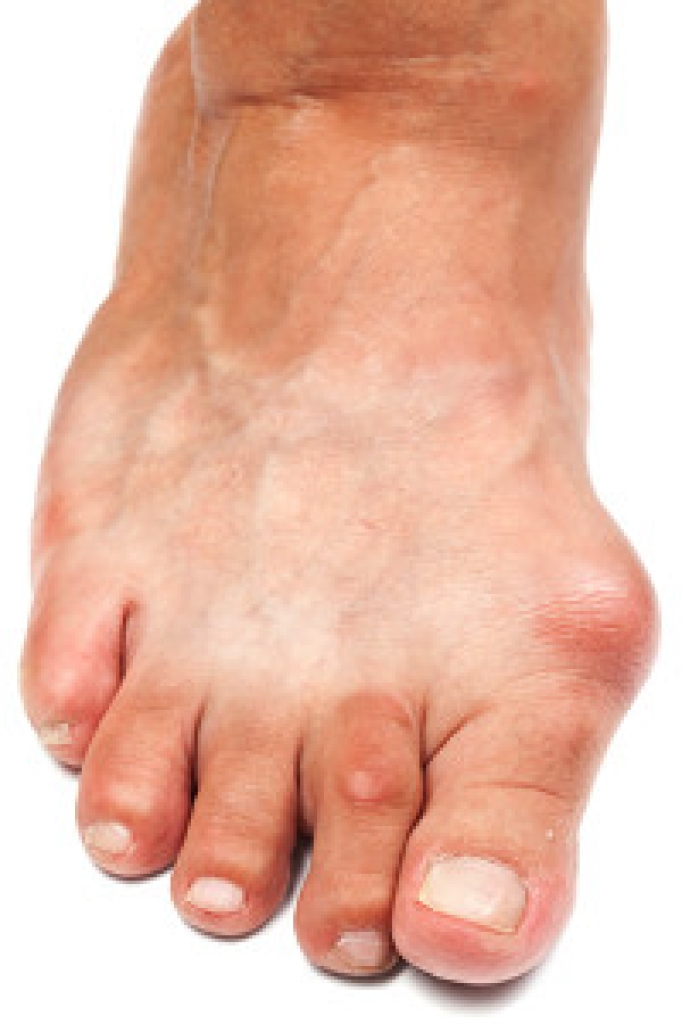
A bunion is formed of swollen tissue or an enlargement of boney growth, usually located at the base joint of the toe that connects to the foot. The swelling occurs due to the bones in the big toe shifting inward, which impacts the other toes of the foot. This causes the area around the base of the big toe to become inflamed and painful.

Why Do Bunions Form?

Genetics – Susceptibility to bunions are often hereditary

Stress on the feet – Poorly fitted and uncomfortable footwear that places stress on feet, such as heels, can worsen existing bunions

How Are Bunions Diagnosed?

Doctors often perform two tests – blood tests and x-rays – when trying to diagnose bunions, especially in the early stages of development. Blood tests help determine if the foot pain is being caused by something else, such as arthritis, while x-rays provide a clear picture of your bone structure to your doctor.

How Are Bunions Treated?

  • Refrain from wearing heels or similar shoes that cause discomfort
  • Select wider shoes that can provide more comfort and reduce pain
  • Anti-inflammatory and pain management drugs
  • Orthotics or foot inserts
  • Surgery

If you have any questions, please feel free to contact our office located in Roselle, NJ . We offer the newest diagnostic and treatment technologies for all your foot care needs.

Read more about Bunions
scroll to top