Blog

Gout Is Painful

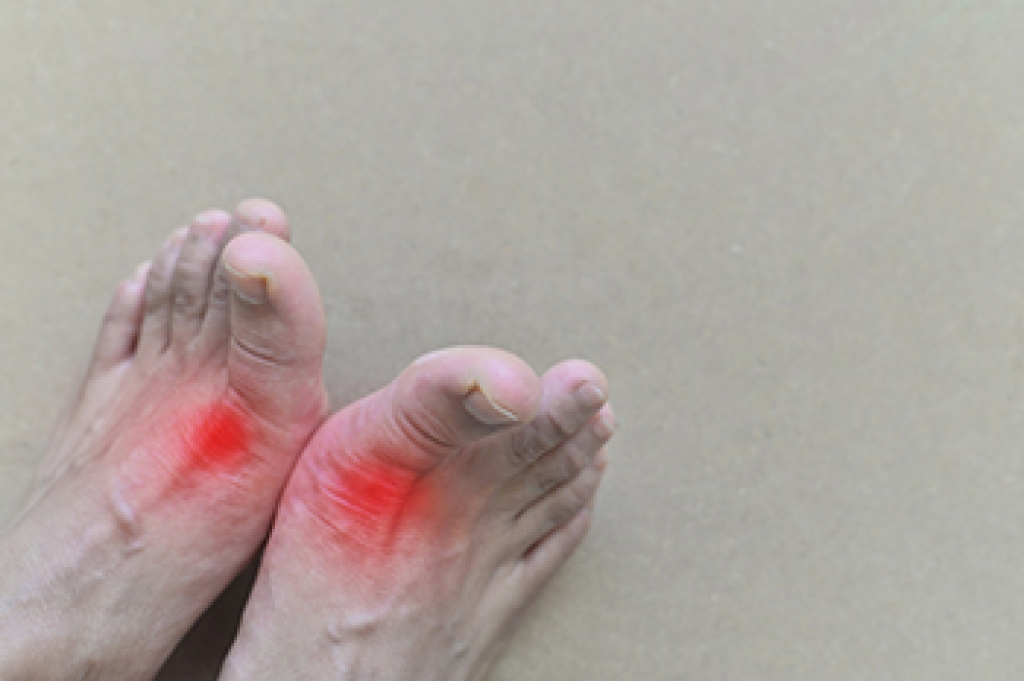
The foot condition known as gout has affected millions of people worldwide. It generally occurs in middle-aged people, and it may result from specific medications. Gout can occur from eating foods that contain high levels of purines, including shellfish, red meat, and drinks made with large amounts of sugar. The excess purines convert to uric acid and can cause crystals to form in the joints of the big toe. The pain from gout can be debilitating, and it is often difficult to walk. Effective prevention methods for gout include drinking plenty of water daily, eating healthy foods, and frequently engaging in a gentle exercise routine. A diagnosis can consist of extracting a small sample of the fluid from between the joints of the big toe, followed by receiving proper relief and treatment techniques. If you experience gout attacks, it is strongly advised that you are under the care of a podiatrist who can help you to manage this condition.

Gout is a painful condition that can be treated. If you are seeking treatment, contact Dr. Yeon A. Shim from Roselle Podiatry Group. Our doctor will treat your foot and ankle needs.

What Is Gout?

Gout is a form of arthritis that is characterized by sudden, severe attacks of pain, redness, and tenderness in the joints. The condition usually affects the joint at the base of the big toe. A gout attack can occur at any random time, such as the middle of the night while you are asleep.

Symptoms

  • Intense Joint Pain - Usually around the large joint of your big toe, and it most severe within the first four to twelve hours
  • Lingering Discomfort - Joint discomfort may last from a few days to a few weeks
  • Inflammation and Redness -Affected joints may become swollen, tender, warm and red
  • Limited Range of Motion - May experience a decrease in joint mobility

Risk Factors

  • Genetics - If family members have gout, you’re more likely to have it
  • Medications - Diuretic medications can raise uric acid levels
  • Gender/Age - Gout is more common in men until the age of 60. It is believed that estrogen protects women until that point
  • Diet - Eating red meat and shellfish increases your risk
  • Alcohol - Having more than two alcoholic drinks per day increases your risk
  • Obesity - Obese people are at a higher risk for gout

Prior to visiting your podiatrist to receive treatment for gout, there are a few things you should do beforehand. If you have gout you should write down your symptoms--including when they started and how often you experience them, important medical information you may have, and any questions you may have. Writing down these three things will help your podiatrist in assessing your specific situation so that he or she may provide the best route of treatment for you.

If you have any questions, please feel free to contact our office located in Roselle, NJ . We offer the newest diagnostic and treatment technologies for all your foot care needs.
Read more about Gout

Poor Circulation and Massages

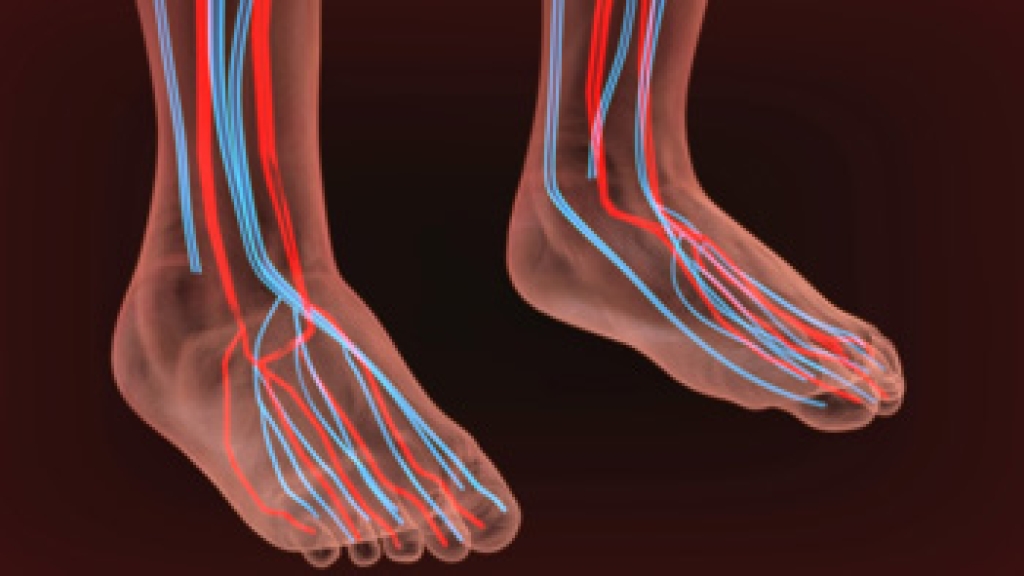
Poor circulation is what podiatrists call a condition where blood does not easily circulate to, through, and from the feet. There are many things an individual may consider doing while consulting with their podiatrist that can help to increase circulation in the feet. For example, a medical professional may make the determination that performing a foot massage could mitigate poor circulation. Performing a specific type of foot massage is essentially a method that can stimulate the muscles. In addition to potentially improving circulation, having a foot massage done can also be a way for a patient to analyze their feet for any potential concerning signs. If you struggle with poor circulation in the feet, it is suggested that you contact a podiatrist about foot massages.

Poor circulation is a serious condition and needs immediate medical attention. If you have any concerns with poor circulation in your feet contact Dr. Yeon A. Shim of Roselle Podiatry Group. Our doctor will treat your foot and ankle needs.

Poor Circulation in the Feet

Poor blood circulation in the feet and legs is can be caused by peripheral artery disease (PAD), which is the result of a buildup of plaque in the arteries.

Plaque buildup or atherosclerosis results from excess calcium and cholesterol in the bloodstream. This can restrict the amount of blood which can flow through the arteries. Poor blood circulation in the feet and legs are sometimes caused by inflammation in the blood vessels, known as vasculitis.

Causes

Lack of oxygen and oxygen from poor blood circulation restricts muscle growth and development. It can also cause:

  • Muscle pain, stiffness, or weakness 
  • Numbness or cramping in the legs
  • Skin discoloration
  • Slower nail & hair growth
  • Erectile dysfunction

Those who have diabetes or smoke are at greatest risk for poor circulation, as are those who are over 50. If you have poor circulation in the feet and legs it may be caused by PAD and is important to make changes to your lifestyle in order to reduce risk of getting a heart attack or stroke. Exercise and maintaining a healthy lifestyle will dramatically improve conditions.

As always, see a podiatrist as he or she will assist in finding a regimen that suits you. A podiatrist can also prescribe you any needed medication. 

If you have any questions, please feel free to contact our office located in Roselle, NJ . We offer the newest diagnostic and treatment technologies for all your foot care needs.

Read more about Causes, Symptoms, and Treatment of Poor Blood Circulation in the Feet

Benefits of Orthotics for Skateboarders

Skateboarding is a high-impact sport that can put a great deal of stress on the feet and put them at risk of injury. One of the main areas of the foot that takes a lot of pounding in skateboarding is the arch. For that reason having adequate arch support is an important concern for these athletes. Insoles with built-in arch support can help to distribute the weight evenly while reducing strain on the heel and ball of the foot. Because skateboarding includes jumping and landing, it is suggested by experts who are familiar with skateboarding to use shoe inserts that contain extra cushioning. Taking this precaution can help to reduce the likelihood of developing stress fractures and heel spurs. Shoe inserts with ample cushioning also help to reduce fatigue, allowing the athlete to continue the activity for longer periods without tiring. Skateboarding can also cause the feet to become hot and sweaty. To counteract this condition, it is beneficial to find insoles that keep the feet cooler and drier. Anyone who spends a great deal of time on a skateboard may be the perfect candidate for custom orthotics, which are fitted to the athlete’s foot structure. For more information on custom orthotics, it is suggested that you make an appointment with a podiatrist for an evaluation. 

If you are having discomfort in your feet and would like to try orthotics, contact Dr. Yeon A. Shim from Roselle Podiatry Group. Our doctor can provide the care you need to keep you pain-free and on your feet.

What Are Orthotics?

Orthotics are inserts you can place into your shoes to help with a variety of foot problems such as flat feet or foot pain. Orthotics provide relief and comfort for minor foot and heel pain but can’t correct serious biomechanical problems in your feet.

Over-the-Counter Inserts

Orthotics come in a wide variety of over-the-counter inserts that are used to treat foot pain, heel pain, and minor problems. For example, arch supports can be inserted into your shoes to help correct overarched or flat feet, while gel insoles are often used because they provide comfort and relief from foot and heel pain by alleviating pressure.

Prescription Orthotics

If over-the-counter inserts don’t work for you or if you have a more severe foot concern, it is possible to have your podiatrist prescribe custom orthotics. These high-quality inserts are designed to treat problems such as abnormal motion, plantar fasciitis, and severe forms of heel pain. They can even be used to help patients suffering from diabetes by treating foot ulcers and painful calluses and are usually molded to your feet individually, which allows them to provide full support and comfort.

If you are experiencing minor to severe foot or heel pain, it’s recommended to speak with your podiatrist about the possibilities of using orthotics. A podiatrist can determine which type of orthotic is right for you and allow you to take the first steps towards being pain-free.

If you have any questions, please feel free to contact our office located in Roselle, NJ . We offer the newest diagnostic and treatment technologies for all your foot care needs.
Read more about Foot Orthotics

Stress Fractures Happen Gradually

A stress fracture is a broken bone. There are several types of fractured bones, and stress or hairline fractures generally happen gradually. The feet are a common place for stress fractures which typically result from overuse. People who enjoy running may experience stress fractures, but they may be prevented when proper warming up and cooling down are practiced. Research has shown that people who frequently wear high heels or other shoes that do not fit correctly may develop stress fractures from the consistent pressure the feet endure. Additionally, this type of fracture may happen from increasing running speed and distance too soon, as the feet need time to adapt. Patients who perform weight training on opposite days may notice their bodies becoming stronger, and running can become easier. If you develop a stress fracture, it is strongly suggested that you speak with a podiatrist who can provide the best treatment for you.

Stress fractures occur when there is a tiny crack within a bone. To learn more, contact Dr. Yeon A. Shim from Roselle Podiatry Group. Our doctor can provide the care you need to keep you pain free and on your feet.

How Are They Caused?

Stress fractures are the result of repetitive force being placed on the bone. Since the lower leg and feet often carry most of the body’s weight, stress fractures are likely to occur in these areas. If you rush into a new exercise, you are more likely to develop a stress fracture since you are starting too much, too soon.  Pain resulting from stress fractures may go unnoticed at first, however it may start to worsen over time.

Risk Factors

  • Gender – They are more commonly found in women compared to men.
  • Foot Problems – People with unusual arches in their feet are more likely to develop stress fractures.
  • Certain Sports – Dancers, gymnasts, tennis players, runners, and basketball players are more likely to develop stress fractures.
  • Lack of Nutrients – A lack of vitamin D and calcium may weaken the bones and make you more prone to stress fractures
  • Weak Bones – Osteoporosis can weaken the bones therefore resulting in stress fractures

Stress fractures do not always heal properly, so it is important that you seek help from a podiatrist if you suspect you may have one. Ignoring your stress fracture may cause it to worsen, and you may develop chronic pain as well as additional fractures.

If you have any questions please contact our office located in Roselle, NJ . We offer the newest diagnostic and treatment technologies for all your foot and ankle needs.

Read more about Stress Fractures of the Foot and Ankle
scroll to top