Blog

What Are Flat Feet?

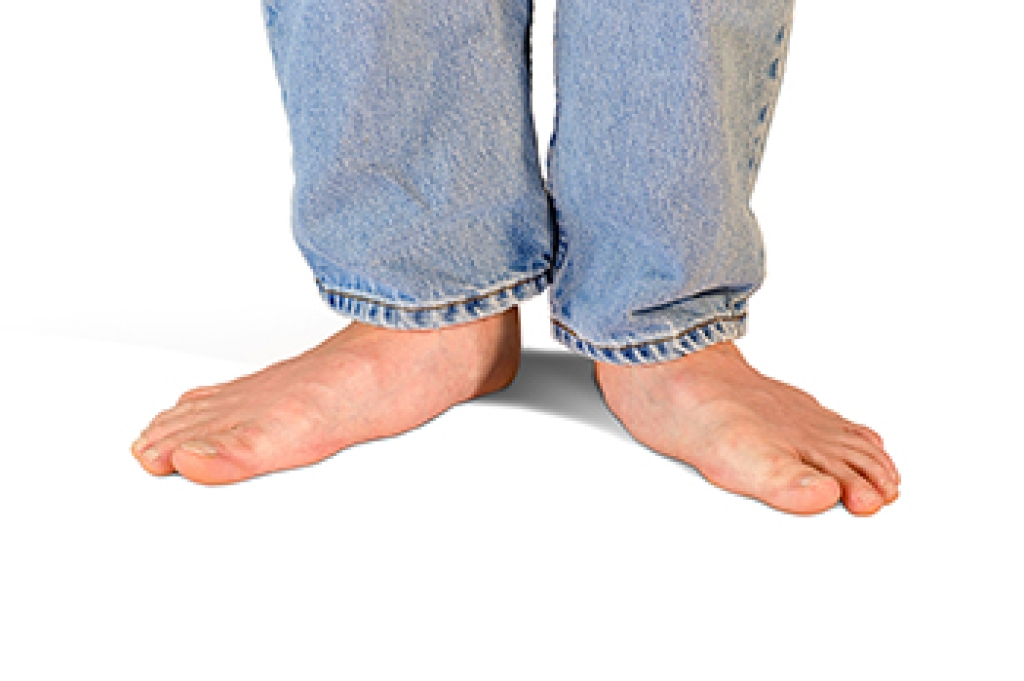
One has flat feet when one or both feet have fallen arches. Flat feet are common in babies and young children as part of normal growth and development of the foot and often do not cause symptoms. Flat feet in adults can have numerous causes, including weak or torn tendons, deformities from rheumatoid arthritis, broken bones in the middle of the foot, and injuries to ligaments. As one becomes older and more active, pain from flat feet can be felt in the heels or arches of the feet or even in the knees, hips, and lower back after prolonged standing, walking, or activity. Those with weight problems, diabetes or who are pregnant are more apt to feel discomfort from flat feet. If any kind of ongoing pain develops in the feet or ankles, visiting a podiatrist can help diagnose and treat the problem. If flat feet are suspected, the podiatrist may recommend lifestyle changes, rest, stretching exercises, physical therapy, more supportive shoes, arch supports, and over-the-counter pain medications.

Flatfoot is a condition many people suffer from. If you have flat feet, contact Dr. Yeon A. Shim from Roselle Podiatry Group. Our doctor will treat your foot and ankle needs.

What Are Flat Feet?

Flatfoot is a condition in which the arch of the foot is depressed and the sole of the foot is almost completely in contact with the ground. About 20-30% of the population generally has flat feet because their arches never formed during growth.

Conditions & Problems:

Having flat feet makes it difficult to run or walk because of the stress placed on the ankles.

Alignment – The general alignment of your legs can be disrupted, because the ankles move inward which can cause major discomfort.

Knees – If you have complications with your knees, flat feet can be a contributor to arthritis in that area.  

Symptoms

  • Pain around the heel or arch area
  • Trouble standing on the tip toe
  • Swelling around the inside of the ankle
  • Flat look to one or both feet
  • Having your shoes feel uneven when worn

Treatment

If you are experiencing pain and stress on the foot you may weaken the posterior tibial tendon, which runs around the inside of the ankle. 

If you have any questions, please feel free to contact our office located in Roselle, NJ . We offer the newest diagnostic and treatment technologies for all your foot care needs.

Read more about What is Flexible Flat Foot?

Why Live with Pain and Numbness in Your Feet?

Suffering from this type of pain? You may have the foot condition known as Morton's neuroma. Morton's neuroma may develop as a result of ill-fitting footwear and existing foot deformities. We can help.

What Is Sesamoiditis and What Does It Have to Do With My Feet?

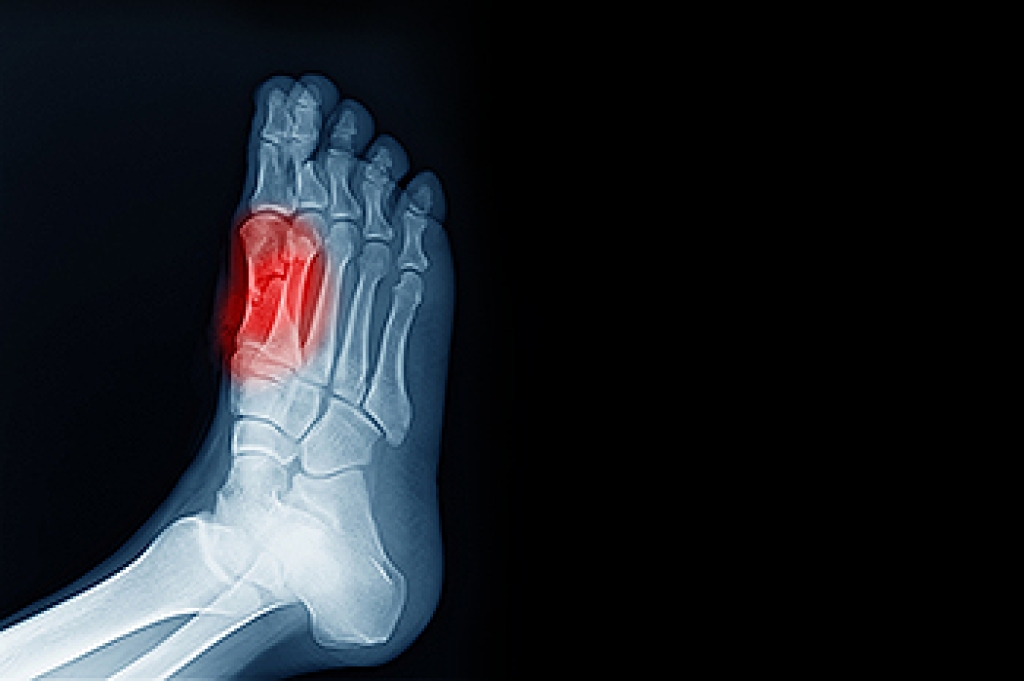
Sesamoiditis is when the tendons attached to the sesamoids (bones connected by tendons to muscles) become inflamed. While the kneecap is the biggest sesamoid in the body, there are smaller sesamoids near the big toe on the bottom of the foot. Sesamoiditis is the term most often used to describe this condition in reference to the foot, and tendonitis is more likely to be used when related to the kneecap. Sesamoiditis can develop from overuse or trauma of the tendons connected to small bones in the front of the foot. Athletes, dancers, and those who wear high heels or improperly fitting shoes are more often plagued by this disorder. Pain usually occurs slowly under the ball of the foot, and swelling or bruising may be noticed. The big toe may become immobile, and there can be a popping sensation when walking. It is a good idea to consult a podiatrist, who can examine and diagnose the affected foot using an X-ray, a bone scan, an ultrasound, or an MRI. While orthotics and anti-inflammatory medications may be suggested, sesamoiditis can often heal with rest and be prevented with lifestyle changes. Surgery is a last resort.

Sesamoiditis is an unpleasant foot condition characterized by pain in the balls of the feet. If you think you’re struggling with sesamoiditis, contact Dr. Yeon A. Shim of Roselle Podiatry Group. Our doctor will treat your condition thoroughly and effectively.

Sesamoiditis

Sesamoiditis is a condition of the foot that affects the ball of the foot. It is more common in younger people than it is in older people. It can also occur with people who have begun a new exercise program, since their bodies are adjusting to the new physical regimen. Pain may also be caused by the inflammation of tendons surrounding the bones. It is important to seek treatment in its early stages because if you ignore the pain, this condition can lead to more serious problems such as severe irritation and bone fractures.

Causes of Sesamoiditis

  • Sudden increase in activity
  • Increase in physically strenuous movement without a proper warm up or build up
  • Foot structure: those who have smaller, bonier feet or those with a high arch may be more susceptible

Treatment for sesamoiditis is non-invasive and simple. Doctors may recommend a strict rest period where the patient forgoes most physical activity. This will help give the patient time to heal their feet through limited activity. For serious cases, it is best to speak with your doctor to determine a treatment option that will help your specific needs.

If you have any questions, please feel free to contact our office located in Roselle, NJ . We offer the newest diagnostic and treatment technologies for all your foot care needs.
Read more about Sesamoiditis

Diabetes Can Be a Risk to Your Feet

One of the main side effects of diabetes is the problems it can cause to your extremities, as nerves become damaged and circulation of blood to the feet and toes is blocked. The result is often peripheral neuropathy (numbness to the toes and feet), and ischemia (reduced blood flow), which can lead to peripheral artery disease (PAD). Both conditions are serious and can severely threaten the health of your toes, feet, and possibly legs. One of the most important ways to prevent or control this ailment is to regularly maintain proper foot health. Some of the actions you or a health-care worker can take is to thoroughly inspect your legs, ankles, feet, and toes for sores, blisters, redness, or swelling. Also, it’s a good idea to wear shoes that fit correctly, keep your feet clean and moisturized, change socks frequently, and avoid tight elastic that further cuts off circulation. At the first sign of swelling, redness, discoloration, or unexplained pain in your feet, it’s strongly suggested that you set up an appointment with a podiatrist who can monitor your condition.

Wound care is an important part in dealing with diabetes. If you have diabetes and a foot wound or would like more information about wound care for diabetics, consult with Dr. Yeon A. Shim from Roselle Podiatry Group. Our doctor will assess your condition and provide you with quality foot and ankle treatment.

What Is Wound Care?

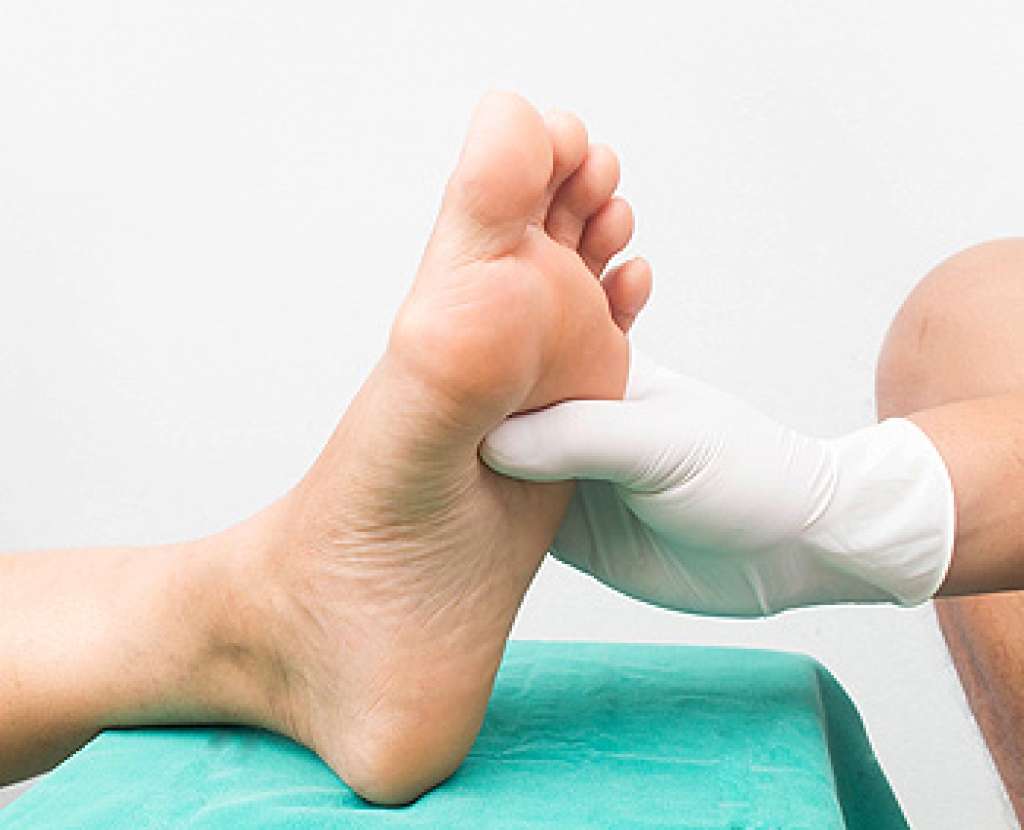
Wound care is the practice of taking proper care of a wound. This can range from the smallest to the largest of wounds. While everyone can benefit from proper wound care, it is much more important for diabetics. Diabetics often suffer from poor blood circulation which causes wounds to heal much slower than they would in a non-diabetic. 

What Is the Importance of Wound Care?

While it may not seem apparent with small ulcers on the foot, for diabetics, any size ulcer can become infected. Diabetics often also suffer from neuropathy, or nerve loss. This means they might not even feel when they have an ulcer on their foot. If the wound becomes severely infected, amputation may be necessary. Therefore, it is of the upmost importance to properly care for any and all foot wounds.

How to Care for Wounds

The best way to care for foot wounds is to prevent them. For diabetics, this means daily inspections of the feet for any signs of abnormalities or ulcers. It is also recommended to see a podiatrist several times a year for a foot inspection. If you do have an ulcer, run the wound under water to clear dirt from the wound; then apply antibiotic ointment to the wound and cover with a bandage. Bandages should be changed daily and keeping pressure off the wound is smart. It is advised to see a podiatrist, who can keep an eye on it.

If you have any questions please contact our office located in Roselle, NJ . We offer the newest diagnostic and treatment technologies for all your foot and ankle needs.

Read more about Wound Care

Understanding the Severity of Turf Toe

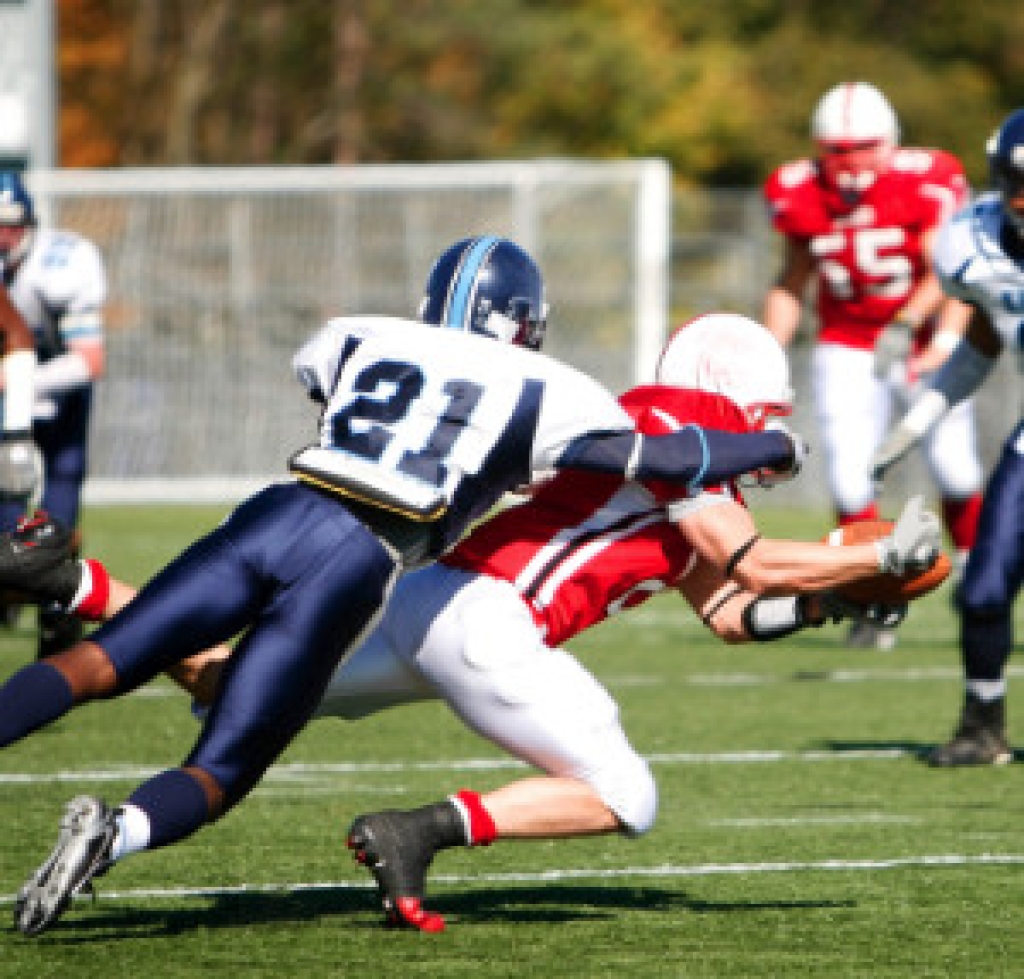
Turf toe is an injury that is common in athletes who play sports, such as baseball, football, or soccer, on artificial turf. Turf toe happens when an extreme force causes the big toe to be hyperextended (or bent) too far towards the top of the foot. This usually results in the base of the big toe tending to become bruised. Turf toe is very painful, and overtime, the toe that is affected will stiffen and be more prone to developing arthritis. Because the big toe joint has limited mobility, developing turf toe again is a possibility, and not allowing the injury enough time to heal can cause the injury to become chronic. Because turf toe can be such a debilitating injury, athletes or patients who believe that they have developed it should consult with a podiatrist for a proper diagnosis and treatment.  

Ankle and foot injuries are common among athletes and in many sports. They can be caused by several problems and may be potentially serious. If you are feeling pain or think you were injured in a sporting event or when exercising, consult with Dr. Yeon A. Shim from Roselle Podiatry Group. Our doctor will assess your condition and provide you with quality foot and ankle treatment.

Common Injuries

The most common injuries that occur in sporting activities include:

  • Achilles Tendonitis
  • Achilles Tendon Rupture
  • Ankle Sprains
  • Broken Foot
  • Plantar Fasciitis
  • Stress Fractures
  • Turf Toe

Symptoms

Symptoms vary depending upon the injury and in some cases, there may be no symptoms at all. However, in most cases, some form of symptom is experienced. Pain, aching, burning, bruising, tenderness, tightness or stiffness, sensation loss, difficulty moving, and swelling are the most common symptoms.

Treatment

Just as symptoms vary depending upon the injury, so do treatment options. A common treatment method is known as the RICE method. This method involves rest, applying ice, compression and elevating the afflicted foot or ankle. If the injury appears to be more serious, surgery might be required, such as arthroscopic or reconstructive surgery. Lastly, rehabilitation or therapy might be needed to gain full functionality in the afflicted area. Any discomfort experienced by an athlete must be evaluated by a licensed, reputable medical professional.  

If you have any questions please contact our office located in Roselle, NJ . We offer the newest diagnostic and treatment technologies for all your foot and ankle needs.

Read more about Sports Related Foot And Ankle Injuries
scroll to top