Blog

Athlete’s Foot May Cause Severe Itching

The medical condition that is known as athlete’s foot can cause the foot to become itchy and uncomfortable. It typically affects the skin between the toes and the bottom of the feet. It is caused by a fungus that lives and thrives in moist and warm environments. These can include wearing socks and shoes that are wet, public swimming pools, and communal shower rooms. Patients may find relief when an antifungal powder is used, and this may help to relieve a portion of the itching and swelling that may accompany athlete’s foot. It is beneficial to wear appropriate shoes while in these areas, in addition to alternating shoes which can help them to dry out. If you have symptoms of athletes’ foot, it is suggested that you seek the counsel of a podiatrist, who can offer the best treatment options for you, which may include prescribed medication.

Athlete’s foot is an inconvenient condition that can be easily reduced with the proper treatment. If you have any concerns about your feet and ankles, contact Dr. Yeon A. Shim from Roselle Podiatry Group.  Our doctor will treat your foot and ankle needs.

Athlete’s Foot: The Sole Story

Athlete's foot, also known as tinea pedis, can be an extremely contagious foot infection. It is commonly contracted in public changing areas and bathrooms, dormitory style living quarters, around locker rooms and public swimming pools, or anywhere your feet often come into contact with other people.

Solutions to Combat Athlete’s Foot

  • Hydrate your feet by using lotion
  • Exfoliate
  • Buff off nails
  • Use of anti-fungal products
  • Examine your feet and visit your doctor if any suspicious blisters or cuts develop

Athlete’s foot can cause many irritating symptoms such as dry and flaking skin, itching, and redness. Some more severe symptoms can include bleeding and cracked skin, intense itching and burning, and even pain when walking. In the worst cases, Athlete’s foot can cause blistering as well. Speak to your podiatrist for a better understanding of the different causes of Athlete’s foot, as well as help in determining which treatment options are best for you.

If you have any questions please feel free to contact our office located in Roselle, NJ . We offer the newest diagnostic and treatment technologies for all your foot and ankle needs.

Read more about Athlete’s Foot

Shockwave Therapy May Help Chronic Foot Conditions

There are foot conditions that can benefit from having shockwave therapy performed. These ailments can include plantar fasciitis, bunions, and Achilles tendonitis. It is a procedure that may be able to accelerate the healing process, as the damaged tissue is regenerated. It is applied to the affected area by strong energy pulses, which can stimulate a healing response in the tissues. During this non-invasive procedure, anesthesia is not required, and the healing process is typically faster and easier. If you suffer from chronic foot pain, it is strongly suggested that you seek the advice of a podiatrist who can discuss shockwave therapy treatment with you.

Shockwave therapy is a treatment commonly used to treat various injuries and conditions, particularly plantar fasciitis in the feet. To learn more, consult with Dr. Yeon A. Shim from Roselle Podiatry Group. Our doctor can provide the care you need to keep you pain-free and on your feet.

Shockwave Therapy

Shockwave therapy is a new treatment option designed to treat bone conditions such as tennis elbow, shoulder pain, and others. Shockwave therapy uses high intensity sound waves that are directed to the affected tissues of the body with pinpoint accuracy. The effects are very beneficial, leading to a production of collagen fibers, eliminating inflammation.

Who Benefits from Shockwave?

Shockwave is recommended for patients suffering from heel pain and associated problems. Heel pain is a common condition which can be caused by obesity, overexertion, and spending a substantial amount of time on hard floors with your feet exposed and unsupported.

Fast and Easy

The therapy is actually a simple process that can leave patients feeling better the very next day. Shockwave therapy is not as dramatic as it sounds. It enables more blood flow to effected areas, addressing the source of the problem and allowing treatment to last for a long time.

Treatment & Recovery Time

Shockwave treatment will enable your feet to recover quickly. This is especially important since surgery is not required. It is cost effective and does not require the use of anesthesia. This treatment is a better option to surgery, since it is proven safe.

If you have any questions, please feel free to contact our office located in Roselle, NJ . We offer the newest diagnostic and treatment technologies for all your foot care needs.

Read more about Treating Heel Pain with Shockwave Therapy

Cold Feet May Indicate Poor Circulation

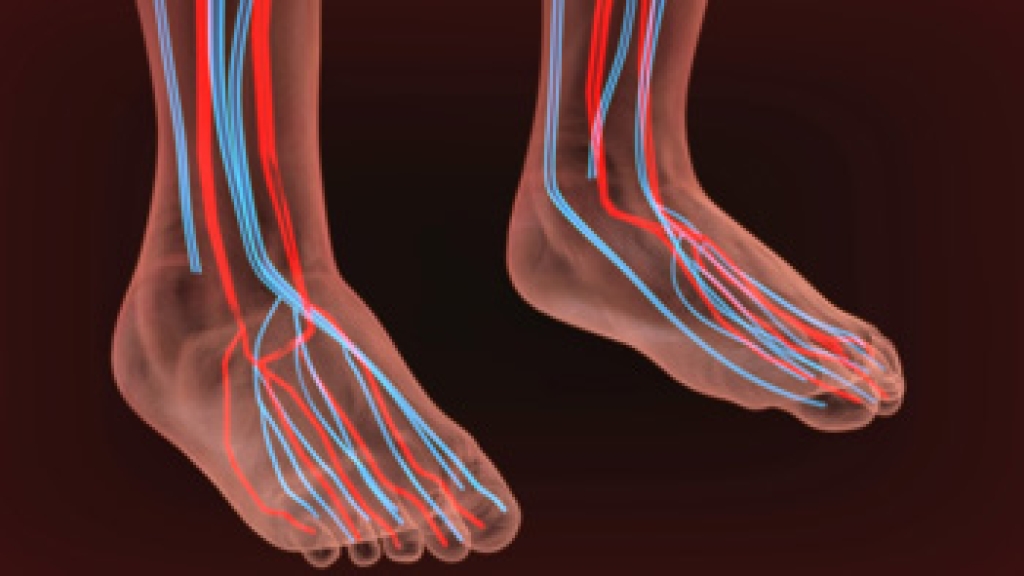
The symptoms that can occur with poor circulation often include a numbing sensation in the limbs, and the feet can tingle and feel cold. The causes of poor circulation may be medical conditions consisting of diabetes, peripheral artery disease (PAD), and obesity. Some of the symptoms that are associated with this ailment can be shortness of breath, chest pain, and many patients can feel tired for the majority of the day. It may be beneficial to begin a vitamin regime, in addition to incorporating gentle exercise and stretching techniques into your daily routine. If you are experiencing any symptoms of poor circulation, it is suggested that you consult with a podiatrist who can guide you toward proper treatment options.

Poor circulation is a serious condition and needs immediate medical attention. If you have any concerns with poor circulation in your feet contact Dr. Yeon A. Shim of Roselle Podiatry Group. Our doctor will treat your foot and ankle needs.

Poor Circulation in the Feet

Poor blood circulation in the feet and legs is can be caused by peripheral artery disease (PAD), which is the result of a buildup of plaque in the arteries.

Plaque buildup or atherosclerosis results from excess calcium and cholesterol in the bloodstream. This can restrict the amount of blood which can flow through the arteries. Poor blood circulation in the feet and legs are sometimes caused by inflammation in the blood vessels, known as vasculitis.

Causes

Lack of oxygen and oxygen from poor blood circulation restricts muscle growth and development. It can also cause:

  • Muscle pain, stiffness, or weakness 
  • Numbness or cramping in the legs
  • Skin discoloration
  • Slower nail & hair growth
  • Erectile dysfunction

Those who have diabetes or smoke are at greatest risk for poor circulation, as are those who are over 50. If you have poor circulation in the feet and legs it may be caused by PAD and is important to make changes to your lifestyle in order to reduce risk of getting a heart attack or stroke. Exercise and maintaining a healthy lifestyle will dramatically improve conditions.

As always, see a podiatrist as he or she will assist in finding a regimen that suits you. A podiatrist can also prescribe you any needed medication. 

If you have any questions, please feel free to contact our office located in Roselle, NJ . We offer the newest diagnostic and treatment technologies for all your foot care needs.

Read more about Causes Symptoms and Treatment for Poor Circulation in the Feet

Heel Pain Can Be Treated!

Do you suffer from heel pain when you get up in the morning? If so, you should seek professional help and have a proper diagnosis performed. Heel pain can be caused by several different foot-related conditions.

Core Strength May Help to Prevent Running Injuries

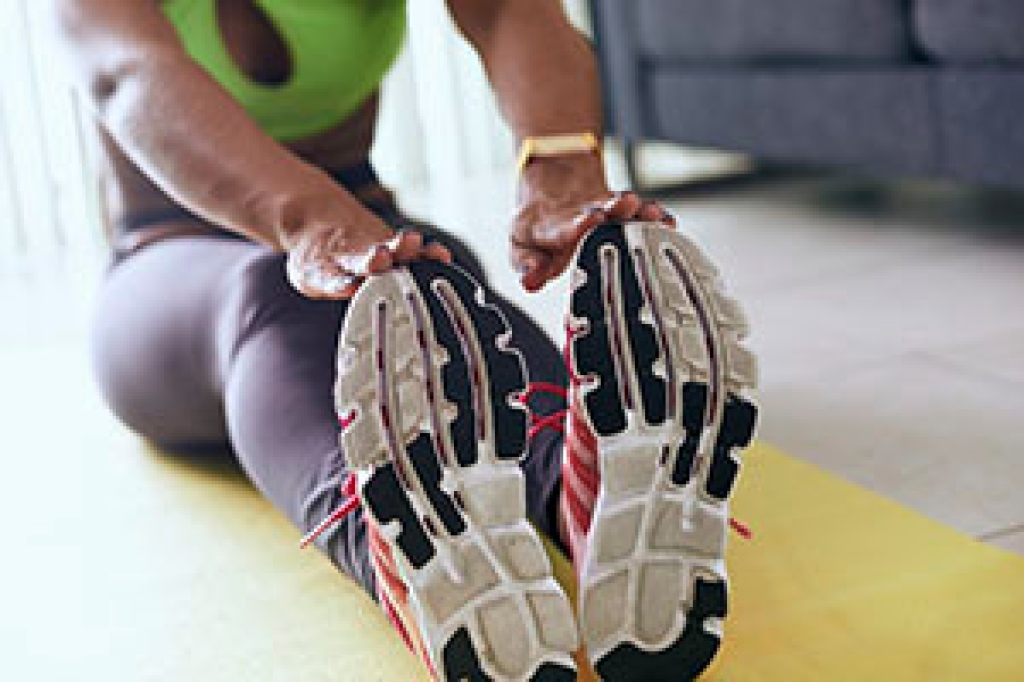
Running is a popular sport and hobby among many people. Research has indicated the importance of stretching before and after completing a run, as this may be helpful in preventing running injuries. It is beneficial to gradually increase speed and mileage, in addition to resting between running days. Many runners strengthen their bodies by performing specific exercises that target the core. These can consist of using a stability ball, raising the legs and lowering one leg at a time while lying on a mat, and keeping a plank position for thirty seconds. Additionally, many injuries can be avoided when correct shoes are worn. If you would like more information about how running injuries can impact the feet and how to prevent them, please speak with a podiatrist.

All runners should take extra precaution when trying to avoid injury. If you have any concerns about your feet, contact Dr. Yeon A. Shim of Roselle Podiatry Group. Our doctor will treat your foot and ankle needs.

How to Prevent Running Injuries

There are a lot of mistakes a runner can make prior to a workout that can induce injury. A lot of athletes tend to overstretch before running, instead of saving those workouts for a post-run routine. Deep lunges and hand-to-toe hamstring pulls should be performed after a workout instead of during a warmup. Another common mistake is jumping into an intense routine before your body is physically prepared for it. You should try to ease your way into long-distance running instead of forcing yourself to rush into it.

More Tips for Preventing Injury

  • Incorporate Strength Training into Workouts - This will help improve the body’s overall athleticism
  • Improve and Maintain Your Flexibility – Stretching everyday will help improve overall performance
  • “Warm Up” Before Running and “Cool Down” Afterward – A warm up of 5-10 minutes helps get rid of lactic acid in the muscles and prevents delayed muscle soreness
  • Cross-Training is Crucial
  • Wear Proper Running Shoes
  • Have a Formal Gait Analysis – Poor biomechanics can easily cause injury

If you have any questions, please feel free to contact our office located in Roselle, NJ . We offer the newest diagnostic and treatment technologies for all your foot care needs.

Read more about Preventing Running Injuries
scroll to top