Blog

Sources of Heel Pain

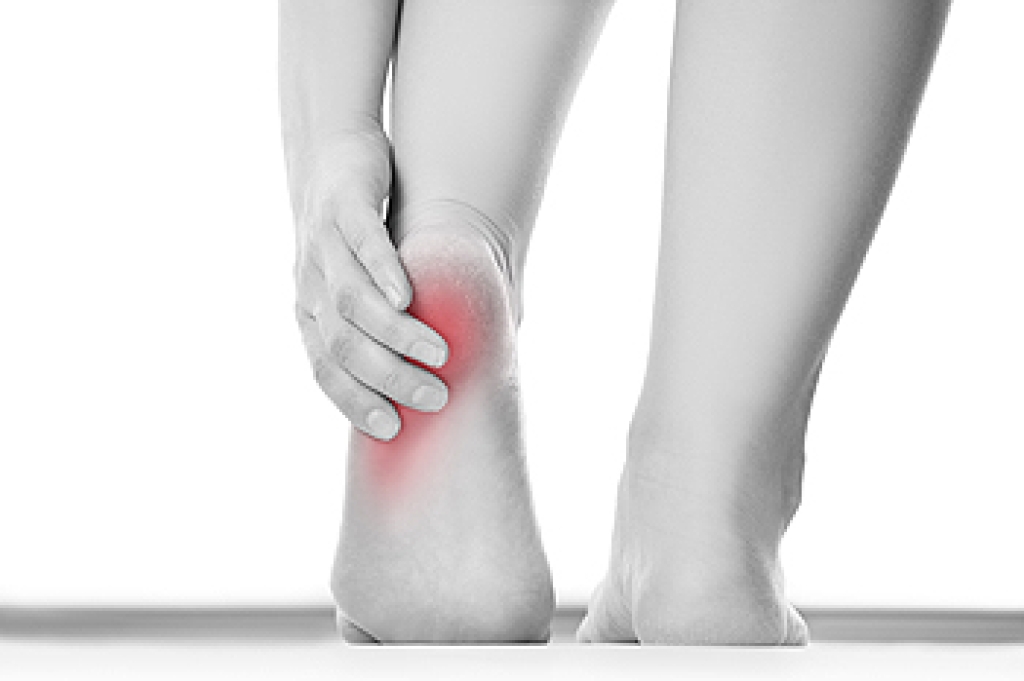
The two main causes of heel pain are heel spurs and plantar fasciitis. Heel spurs are bony projections that form at the bottom of the heel bones. They are very common, and in most cases, they aren’t noticeable. Heel spurs cause heel pain in approximately 5% of people who have them. Plantar fasciitis is an inflammation of the plantar fascia, a ligament that runs along the bottom of the foot, from the heel to the toes. Plantar fasciitis is the most common cause of heel pain. Both conditions share similar risk factors, such as repetitive athletic stress, obesity, tightness in the calf muscles, and high arches. Both conditions also have similar treatments, including resting and icing the affected foot, changing footwear, and performing foot stretches. Imaging studies, such as X-rays, can be helpful in differentiating between the two conditions. For more information about heel spurs and plantar fasciitis, speak with a podiatrist today.

Many people suffer from bouts of heel pain. For more information, contact Dr. Yeon A. Shim of Roselle Podiatry Group. Our doctor can provide the care you need to keep you pain-free and on your feet.

Causes of Heel Pain

Heel pain is often associated with plantar fasciitis. The plantar fascia is a band of tissues that extends along the bottom of the foot. A rip or tear in this ligament can cause inflammation of the tissue.

Achilles tendonitis is another cause of heel pain. Inflammation of the Achilles tendon will cause pain from fractures and muscle tearing. Lack of flexibility is also another symptom.

Heel spurs are another cause of pain. When the tissues of the plantar fascia undergo a great deal of stress, it can lead to ligament separation from the heel bone, causing heel spurs.

Why Might Heel Pain Occur?

  • Wearing ill-fitting shoes                
  • Wearing non-supportive shoes
  • Weight change           
  • Excessive running

Treatments

Heel pain should be treated as soon as possible for immediate results. Keeping your feet in a stress-free environment will help. If you suffer from Achilles tendonitis or plantar fasciitis, applying ice will reduce the swelling. Stretching before an exercise like running will help the muscles. Using all these tips will help make heel pain a condition of the past.

If you have any questions, please feel free to contact our office located in Roselle, NJ . We offer the newest diagnostic and treatment technologies for all your foot care needs.

Read more about Heel Pain

Are Bunions Affecting Your Everyday Life?

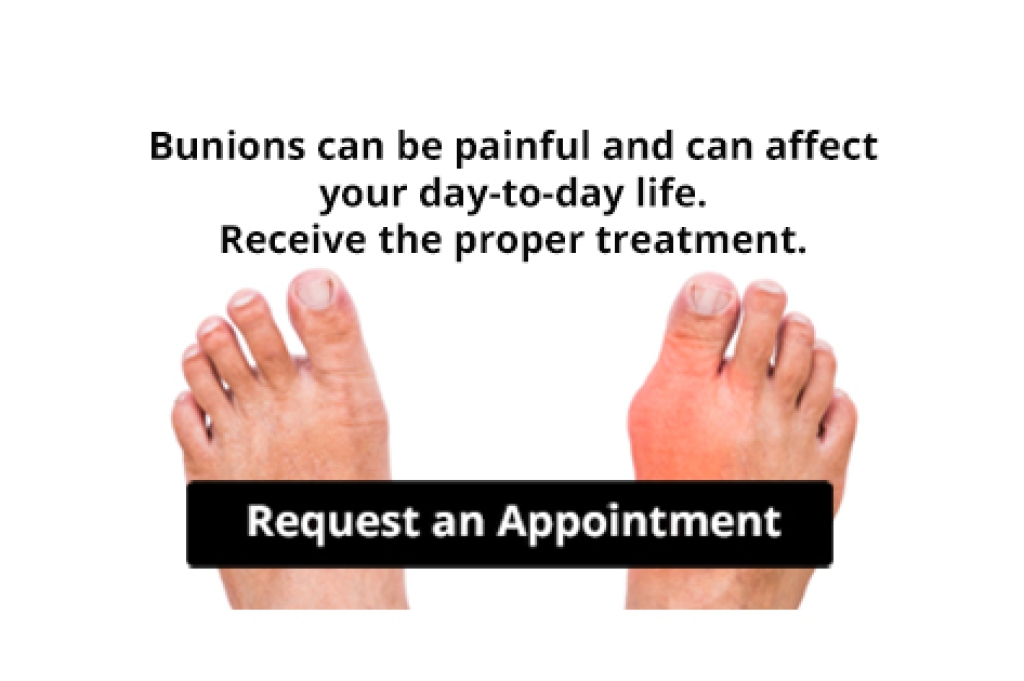
Have you noticed a bony protrusion on the side of your big toe? If so, you may have developed the foot condition known as a bunion. Don't let bunions interfere with your daily activities.

Common Foot Injuries Experienced by Football Players

As we approach fall, we hit the heart of football season. While many of us enjoy football, it can be a high-risk sport, and it is important to understand the potential risks involved. One common injury is turf toe which is another name for a sprain of the metatarsophalangeal joint, the largest joint in the big toe. High ankle sprains, which are more severe than low ankle sprains, occur when the ligaments that connect the tibia and fibula bones are affected. Achilles tendon ruptures are common as well, and these are a result of a sudden change in direction or explosion. Lastly, because of the high amount of contact, broken bones in the feet and ankles are common. If you have experienced an injury to your feet or ankles while playing football, it is important to consult with a podiatrist for a proper diagnosis and treatment.

Sports related foot and ankle injuries require proper treatment before players can go back to their regular routines. For more information, contact Dr. Yeon A. Shim of Roselle Podiatry Group. Our doctor can provide the care you need to keep you pain-free and on your feet.

Sports Related Foot and Ankle Injuries

Foot and ankle injuries are a common occurrence when it comes to athletes of any sport. While many athletes dismiss the initial aches and pains, the truth is that ignoring potential foot and ankle injuries can lead to serious problems. As athletes continue to place pressure and strain the area further, a mild injury can turn into something as serious as a rupture and may lead to a permanent disability. There are many factors that contribute to sports related foot and ankle injuries, which include failure to warm up properly, not providing support or wearing bad footwear. Common injuries and conditions athletes face, including:

  • Plantar Fasciitis
  • Achilles Tendinitis
  • Achilles Tendon Rupture
  • Ankle Sprains

Sports related injuries are commonly treated using the RICE method. This includes rest, applying ice to the injured area, compression and elevating the ankle. More serious sprains and injuries may require surgery, which could include arthroscopic and reconstructive surgery. Rehabilitation and therapy may also be required in order to get any recovering athlete to become fully functional again. Any unusual aches and pains an athlete sustains must be evaluated by a licensed, reputable medical professional.

If you have any questions please contact our office located in Roselle, NJ . We offer the newest diagnostic and treatment technologies for all your foot and ankle needs.

Read more about Sports Related Foot and Ankle Injuries

What Foot Conditions Can Shockwave Therapy Treat?

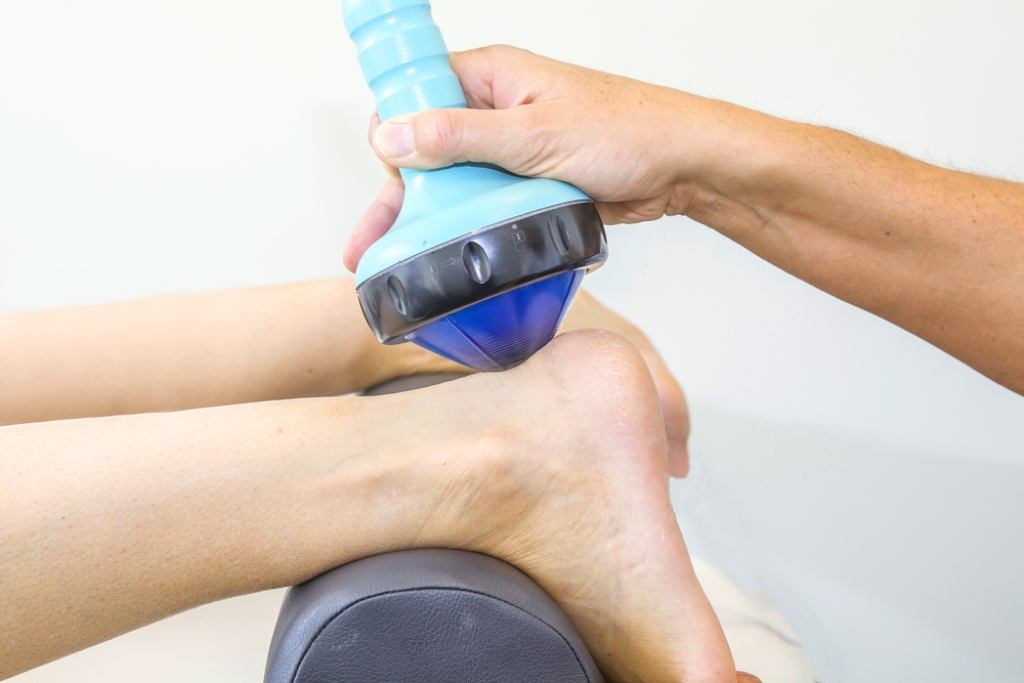
The medical procedure that is known as shockwave therapy can be helpful in treating conditions that can affect the tissues and bones in the feet. Some of the ailments that can be treated can include plantar fasciitis, Achilles tendon injuries, and heel spurs. It is administered using low energy sound waves, and can easily penetrate the skin when an ultrasound gel is used. It is considered to be a non-invasive treatment for specific foot conditions, and many patients have little or no discomfort while undergoing this type of procedure. If you are afflicted with these foot conditions, it is recommended that you speak to a podiatrist who can determine if this is the best course of treatment for you.

Shockwave therapy is a treatment commonly used to treat various injuries and conditions, particularly plantar fasciitis in the feet. To learn more, consult with Dr. Yeon A. Shim from Roselle Podiatry Group. Our doctor can provide the care you need to keep you pain-free and on your feet.

Shockwave Therapy

Shockwave therapy is a new treatment option designed to treat bone conditions such as tennis elbow, shoulder pain, and others. Shockwave therapy uses high intensity sound waves that are directed to the affected tissues of the body with pinpoint accuracy. The effects are very beneficial, leading to a production of collagen fibers, eliminating inflammation.

Who Benefits from Shockwave?

Shockwave is recommended for patients suffering from heel pain and associated problems. Heel pain is a common condition which can be caused by obesity, overexertion, and spending a substantial amount of time on hard floors with your feet exposed and unsupported.

Fast and Easy

The therapy is actually a simple process that can leave patients feeling better the very next day. Shockwave therapy is not as dramatic as it sounds. It enables more blood flow to effected areas, addressing the source of the problem and allowing treatment to last for a long time.

Treatment & Recovery Time

Shockwave treatment will enable your feet to recover quickly. This is especially important since surgery is not required. It is cost effective and does not require the use of anesthesia. This treatment is a better option to surgery, since it is proven safe.

If you have any questions, please feel free to contact our office located in Roselle, NJ . We offer the newest diagnostic and treatment technologies for all your foot care needs.
Read more about Shockwave Therapy

Excess Weight and Your Foot Health

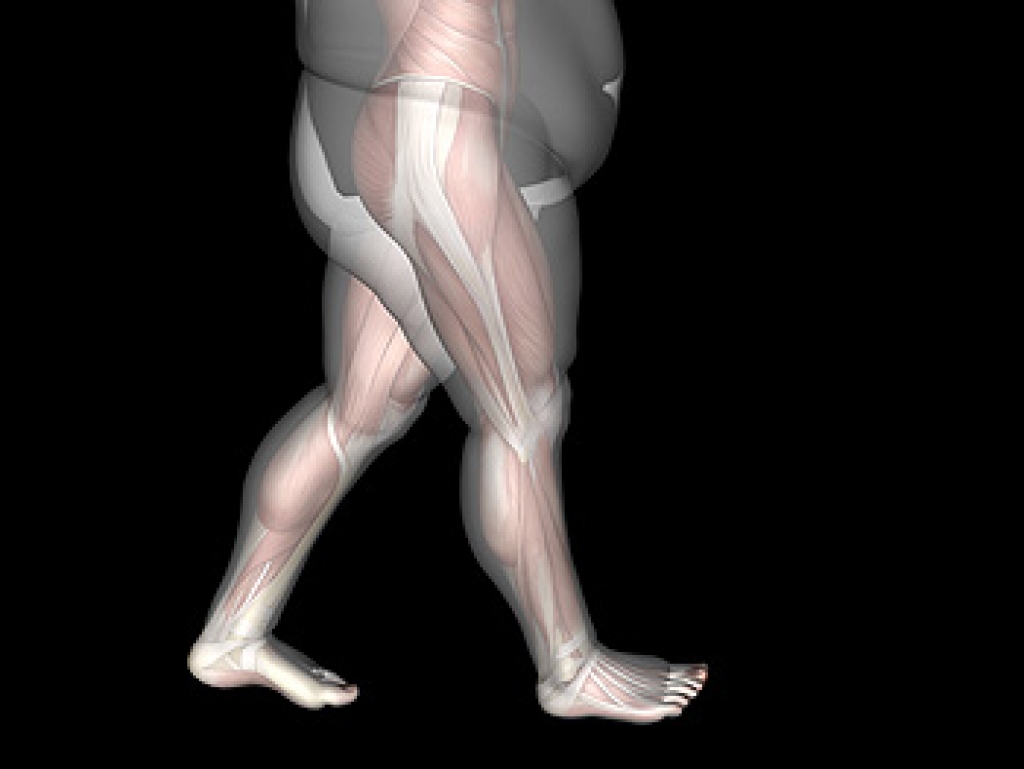
Being overweight or obese can put you at risk for a variety of health conditions, but did you know that it can also increase your risk of foot pain? Being overweight or obese puts extra pressure on your feet, potentially leading to strains, sprains, fallen arches, and a host of other foot and ankle problems. Furthermore, being overweight or obese increases your risk of developing diabetes, peripheral neuropathy, and peripheral artery disease, which are all associated with foot health problems, such as diabetic foot ulcers, loss of sensation, and poor circulation. Eating a balanced diet and regularly exercising can improve your overall health. Maintain your daily foot health by wearing padded socks and shoes to avoid injury to the feet, practicing good foot hygiene, and checking your feet regularly for cuts and bruises. Regular visits to a podiatrist can also help spot potential problems and prevent future ones. If you are experiencing foot pain, or want to learn more about what you can do to keep your feet healthy, consult with a podiatrist today.

The more you weigh, the harder your feet must work to support your body. If you’re an obese individual and are concerned about your feet, contact Dr. Yeon A. Shim from Roselle Podiatry Group. Our doctor can provide the care you need to keep you pain-free and on your feet.

Obesity and Your Feet

People who are overweight are putting more pressure on their ankles, knees, and hips as well as their feet. This unfortunately can lead to variety of different issues.

Problems & Complications Stemming from Obesity

  • When the body is overweight, it tries to compensate by changing the way that it moves. An obese person may lean forward and put extra weight on the wrong part of the foot. This puts unnecessary stress on the feet.
  • Obese people are also more likely to develop type II diabetes which is a condition that causes a lot of foot problems. People with diabetes often don’t feel the cuts and sores that they may have on their feet, which can lead to more complicated and severe issues.
  • Plantar fasciitis is another foot condition that can be caused by obesity. Plantar fasciitis is an inflammation of the tissue along the bottom of the foot, which causes pain and stiffness while walking and climbing stairs.

If you have any questions please contact our office located in Roselle, NJ . We offer the newest diagnostic and treatment technologies for all your foot and ankle needs.

Read more about How Obesity Affects Your Feet
scroll to top