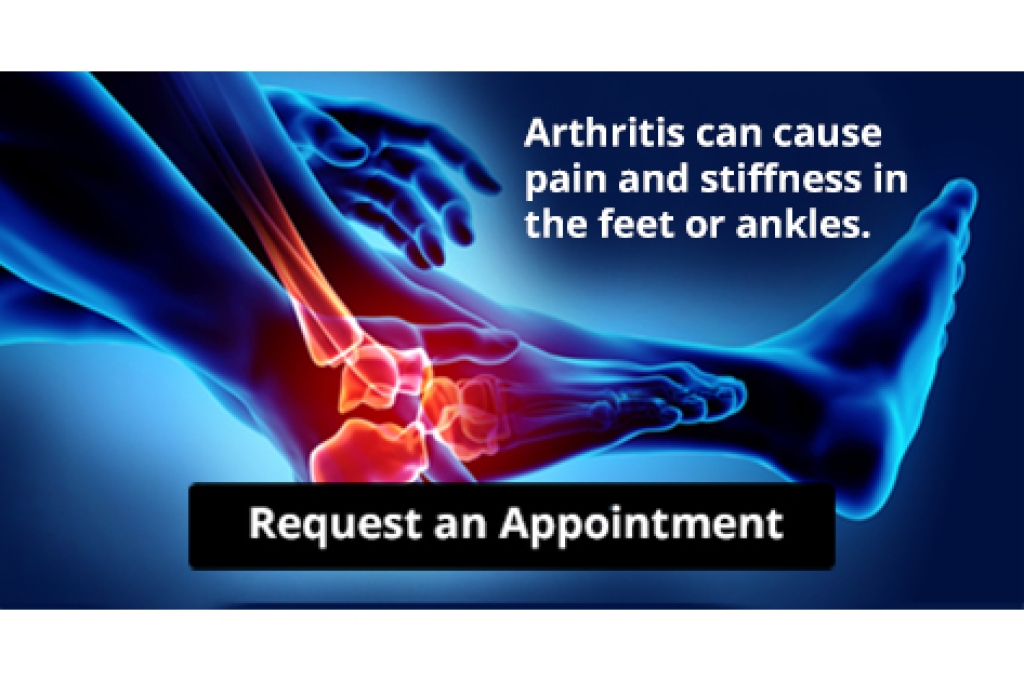
If you are suffering from tenderness, pain, or stiffness in the joints of your feet or ankles, call us to schedule an appointment.
If you are suffering from tenderness, pain, or stiffness in the joints of your feet or ankles, call us to schedule an appointment.
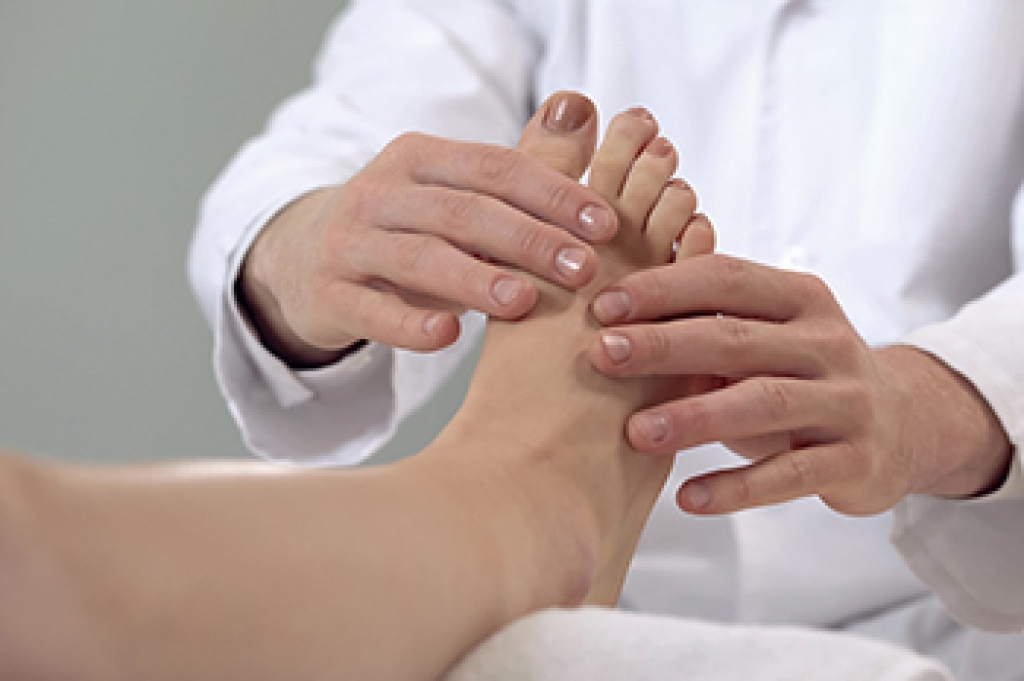
Cuboid syndrome can occur in an individual when the cuboid bone, located on the outer side of the foot, moves out of its place. This is typically caused by trauma or injury, and it may result in some kind of pain. Although cuboid syndrome is only 4% of all foot injuries, it can affect some individuals at a higher rate than others. For example, among professional ballet dancers, cuboid syndrome made up 17% of all foot and ankle injuries. Also, obese people and individuals who carry excessive body weight put more pressure on to their feet and are more likely to develop cuboid syndrome. If you are someone who wears shoes that do not fit properly or wears poorly constructed orthoses, then you are also at an increased risk of developing cuboid syndrome. Contact a podiatrist for advice and treatment regarding cuboid syndrome.
Cuboid syndrome, also known as cuboid subluxation, occurs when the joints and ligaments near the cuboid bone in the foot become torn. If you have cuboid syndrome, consult with Dr. Yeon A. Shim from Roselle Podiatry Group. Our doctor will assess your condition and provide you with quality foot and ankle treatment.
Cuboid syndrome is a common cause of lateral foot pain, which is pain on the outside of the foot. The condition may happen suddenly due to an ankle sprain, or it may develop slowly overtime from repetitive tension through the bone and surrounding structures.
Causes
The most common causes of cuboid syndrome include:
Symptoms
A common symptom of cuboid syndrome is pain along the outside of the foot which can be felt in the ankle and toes. This pain may create walking difficulties and may cause those with the condition to walk with a limp.
Diagnosis
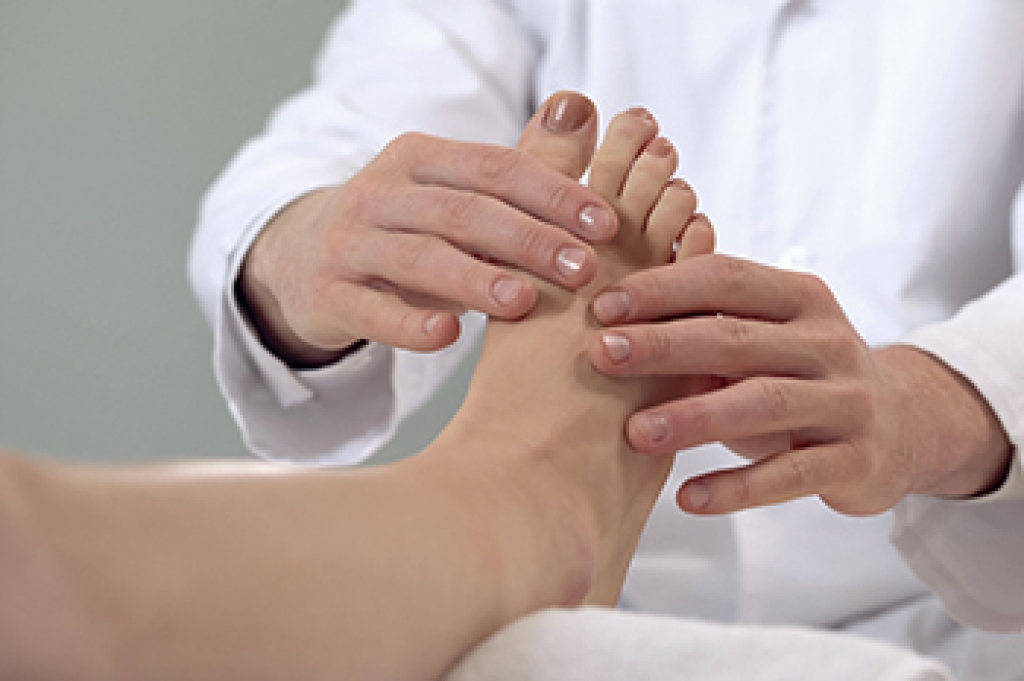
Diagnosis of cuboid syndrome is often difficult, and it is often misdiagnosed. X-rays, MRIs and CT scans often fail to properly show the cuboid subluxation. Although there isn’t a specific test used to diagnose cuboid syndrome, your podiatrist will usually check if pain is felt while pressing firmly on the cuboid bone of your foot.
Treatment
Just as the range of causes varies widely, so do treatments. Some more common treatments are ice therapy, rest, exercise, taping, and orthotics.
If you have any questions, please feel free to contact our office located in Roselle, NJ . We offer the newest diagnostic and treatment technologies for all your foot care needs.
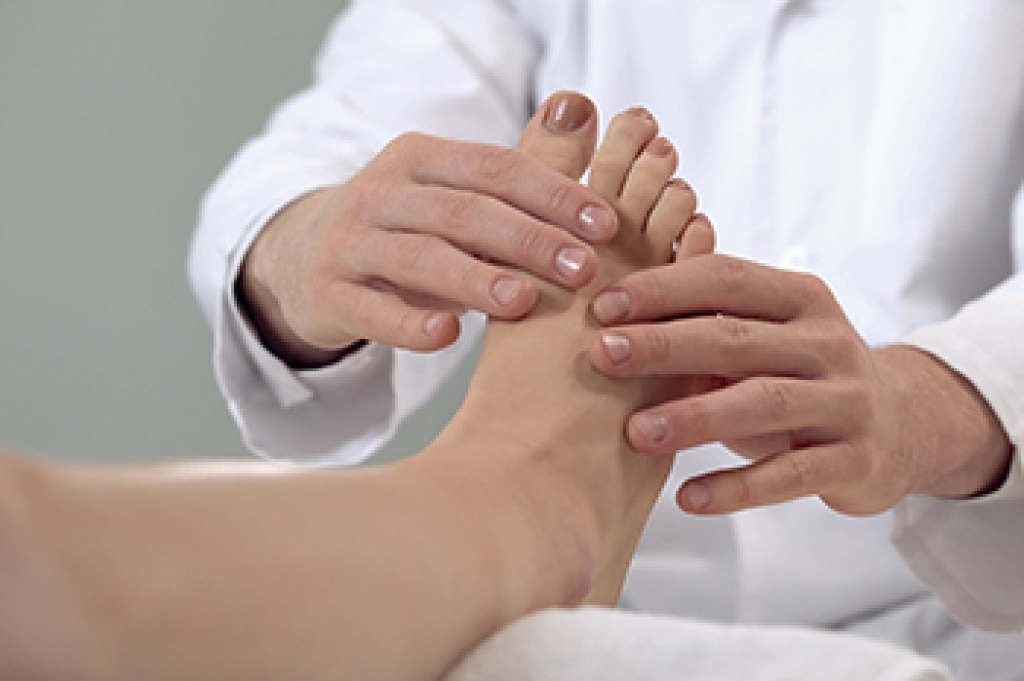
The feet carry the weight of the body, and it can help the overall body to keep them as healthy as possible. Stretching the feet is simple to do, and the benefits outweigh the time it takes to practice effective foot stretches. Specific stretches can improve range of motion, and may maintain strength and flexibility. An effective foot stretch is done sitting in a chair, with the feet flat on the floor. While keeping the toes on the ground, the heels are lifted until only the balls of the feet and toes can touch the ground. Also, the toes can become stronger when the foot is kept on the floor, while spreading the toes as wide as possible. Additionally, a good stretch for the toes involves crossing one leg over the other, and moving the toes with the hand back and forth. There are various stretches that can be done for different parts of the foot. If you would like more information about how to perform these, please consult a podiatrist.
Stretching the feet is a great way to prevent injuries. If you have any concerns with your feet consult with Dr. Yeon A. Shim from Roselle Podiatry Group. Our doctor will assess your condition and provide you with quality foot and ankle treatment.
Stretching the Feet
Being the backbone of the body, the feet carry your entire weight and can easily become overexerted, causing cramps and pain. As with any body part, stretching your feet can serve many benefits. From increasing flexibility to even providing some pain relief, be sure to give your feet a stretch from time to time. This is especially important for athletes or anyone performing aerobic exercises, but anyone experiencing foot pain or is on their feet constantly should also engage in this practice.
Great ways to stretch your feet:
Individuals who tend to their feet by regular stretching every day should be able to minimize foot pain and prevent new problems from arising.
If you have any questions please contact our office located in Roselle, NJ . We offer the newest diagnostic and treatment technologies for all your foot and ankle needs.
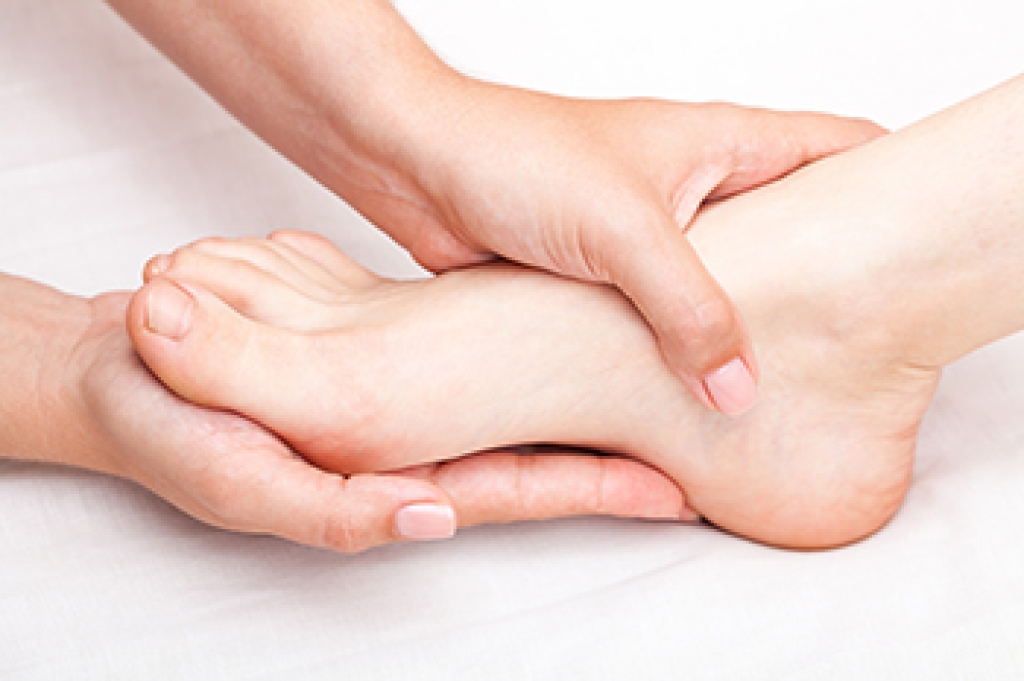
Patients who have hard or flattened nodules on the bottom of their feet may have a foot condition known as plantar fibromatosis. A specific type of this ailment is referred to as Ledderhose disease and it is a rare foot condition. Patients may notice it affects both feet and typically is painless in the beginning stages. Pain and discomfort may gradually occur while walking and medical attention is often sought from a podiatrist who can treat this condition. There are several reasons why this condition may occur, including genetic history, long-term alcohol use, chronic liver disease, and diabetes. Some of the symptoms that are associated with this condition may be joint pain in other areas of the body and some people may experience a tingling or numbing sensation. If you have small bumps on the bottom of your feet, it is strongly advised that you are under the care of a podiatrist who can effectively diagnose and treat Ledderhose disease.
Some foot conditions may require additional professional care. If you have any concerns, contact Dr. Yeon A. Shim of Roselle Podiatry Group. Our doctor can provide the care you need to keep you pain-free and on your feet.
Rare Foot Conditions
The majority of foot conditions are common and can be treated by a podiatrist. Standard diagnostic procedures are generally used to identify specific conditions and treatment can be rendered. A podiatrist also treats rare foot conditions which can be difficult to diagnose and may need extra attention and care.
There are many rare foot conditions that can affect children. Some of these can include:
Freiberg’s disease - This can be seen as a deterioration and flattening of a metatarsal bone that exists in the ball of the foot. It typically affects pre-teen and teenage girls, but can affect anyone at any age. Symptoms that can accompany this can be swelling, stiffness, and the patient may limp.
Kohler’s disease - This often targets the bone in the arch of the foot and affects younger boys. It can lead to an interruption of the blood supply which ultimately can lead to bone deterioration. The patient may limp or experience tenderness, swelling, and redness.
Maffucci syndrome - This affects the long bones in a child’s foot leading to the development of abnormal bone lesions. They are benign growths and typically develop in early childhood and the bones may be susceptible to breaking.
A podiatrist can properly diagnose and treat all types of rare foot conditions. If your child is affected by any of these symptoms or conditions, please don’t hesitate to call our office so the correct treatment method can begin.
If you have any questions, please feel free to contact our office located in Roselle, NJ . We offer the newest diagnostic and treatment technologies for all your foot care needs.
Plantar warts are found on the bottom of the feet, and can be very painful. The majority of warts grow outward, but plantar warts grow inward as a result of standing and walking for most of the day. The medical name for this type of wart is a verruca, and is connected with the human papillomavirus (HPV). The wart appears as a small, thickened area of skin on the bottom of the foot, and many times will have tiny black dots in the center. The virus can enter the body through small cracks in the skin of the feet, and generally lives in warm and moist environments. These can include public swimming pools, shower room floors, and locker rooms. It is advised that appropriate shoes, like flip flops or water shoes, are worn while in these areas. Plantar warts can be extremely uncomfortable, and many patients seek immediate relief. If you are afflicted with a plantar wart, please consult with a podiatrist who can discuss several effective treatment options with you.
Plantar warts can be very uncomfortable. If you need your feet checked, contact Dr. Yeon A. Shim from Roselle Podiatry Group. Our doctor will assist you with all of your foot and ankle needs.
About Plantar Warts
Plantar warts are the result of HPV, or human papillomavirus, getting into open wounds on the feet. They are mostly found on the heels or balls of the feet.
While plantar warts are generally harmless, those experiencing excessive pain or those suffering from diabetes or a compromised immune system require immediate medical care. Plantar warts are easily diagnosed, usually through scraping off a bit of rough skin or by getting a biopsy.
Symptoms
Treatment
To help prevent developing plantar warts, avoid walking barefoot over abrasive surfaces that can cause cuts or wounds for HPV to get into. Avoiding direct contact with other warts, as well as not picking or rubbing existing warts, can help prevent the further spread of plantar warts. However, if you think you have developed plantar warts, speak to your podiatrist. He or she can diagnose the warts on your feet and recommend the appropriate treatment options.
If you have any questions, please feel free to contact our office located in Roselle, NJ . We offer the newest diagnostic and treatment technologies for all your foot care needs.

