Blog

How Children Can Harm Their Feet Playing Dress-Up

While kitten heels may be all the rage for pint-size fashionistas, any type of elevated shoe is not appropriate for a growing child’s foot for a variety of reasons. High heels are bad for circulation by shortening muscles in calves which help pump blood out of the legs and back to the heart. High heels can also negatively impact a child’s developing gait pattern. With muscles developing and growing during childhood, high heels can cause problems in the legs and back, shorten the Achilles tendon, and possibly increase the risk of plantar fasciitis, heel spurs, and Morton’s neuroma. A child’s balance will also be compromised when wearing high heels, which can contribute to falls and other injuries. For more insight on how high heels can affect feet of all ages, as well as advice on appropriate footwear and foot care, contact a podiatrist.

Making sure that your children maintain good foot health is very important as they grow. If you have any questions, contact Dr. Yeon A. Shim of Roselle Podiatry Group. Our doctor can provide the care you need to keep you pain-free and on your feet.

Keeping Children's Feet Healthy

Having healthy feet during childhood can help prevent medical problems later in life, namely in the back and legs. As children grow, their feet require different types of care. Here are some things to consider...

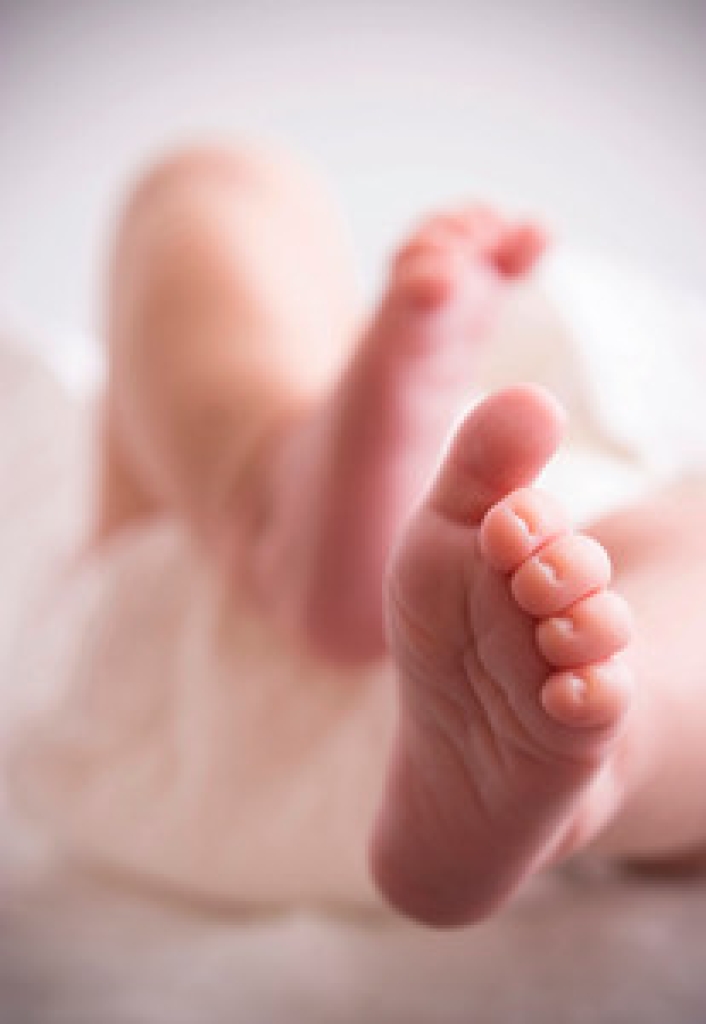
Although babies do not walk yet, it is still very important to take care of their feet.

Avoid putting tight shoes or socks on his or her feet.

Allow the baby to stretch and kick his or her feet to feel comfortable.

As a toddler, kids are now on the move and begin to develop differently. At this age, toddlers are getting a feel for walking, so don’t be alarmed if your toddler is unsteady or ‘walks funny’. 

As your child gets older, it is important to teach them how to take care of their feet.

Show them proper hygiene to prevent infections such as fungus.

Be watchful for any pain or injury.

Have all injuries checked by a doctor as soon as possible.

Comfortable, protective shoes should always be worn, especially at play.

If you have any questions, please feel free to contact our office located in Roselle, NJ . We offer the newest diagnostic and treatment technologies for all your foot care needs.

Read more about What to Do to Keep Your Child’s Feet Healthy

Are You Suffering From Ingrown Toenails?

If left untreated, an ingrown toenail can lead to more serious concerns, such as an infection. Knowing proper nail care can help in the prevention of an ingrown toenail. Give us a call, and get treated!

Are Cracked Heels Dangerous?

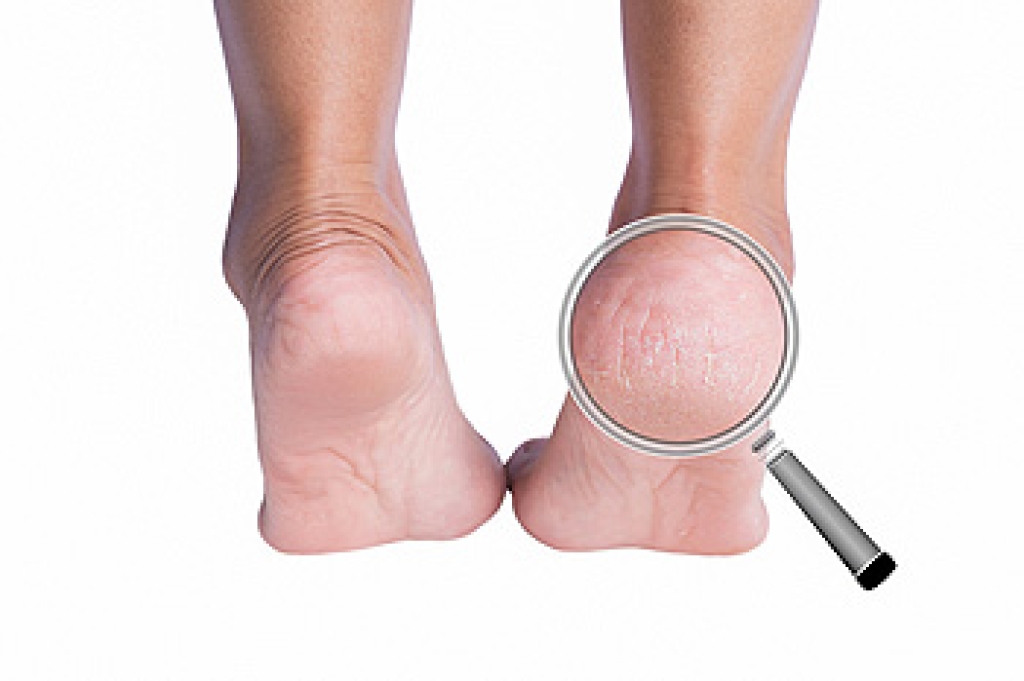
At best, cracked heels are unsightly and bothersome. Left untreated, these dry, flaky and hard fissures can deepen and become infected. Cracked heels are dangerous to people with diabetes, and at worst they can lead to foot ulcers that may not heal. Cracked heels can occur if you walk barefoot frequently or wear shoes that expose your heels. You are also more susceptible to developing cracked heels if you live in a dry climate, are obese, or have sweat glands that do not function properly. You can help avoid getting cracked heels by keeping yourself hydrated, moisturizing your heels twice a day, and always wearing socks or shoes that cover the back of your feet and offer proper shock absorption with adequate soles. If the cracks deepen, bleed, or are painful, a podiatrist can treat or remove them and prescribe antibiotics if they are infected.

Cracked heels are unsightly and can cause further damage to your shoes and feet. If you have any concerns, contact Dr. Yeon A. Shim from Roselle Podiatry Group. Our doctor can provide the care you need to keep you pain-free and on your feet.

Cracked Heels

Cracked heels appear unappealing and can make it harder for you walk around in sandals. Aside from looking unpleasant, cracked heels can also tear stockings, socks, and wear out your shoes. There are several methods to help restore a cracked heel and prevent further damage.

How Do You Get Them?

Dry skin is the number one culprit in creating cracked heels. Many athletes, walkers, joggers, and even swimmers suffer from cracked heels. Age and skin oil production play a role to getting cracked heels as well.

Promote Healing

Over the counter medicines can help, especially for those that need instant relief or who suffer from chronic dry feet.

Wear Socks – Wearing socks with medicated creams helps lock in moisture.

Moisturizers – Applying both day and night will help alleviate dryness which causes cracking.

Pumice Stones – These exfoliate and remove dead skin, which allows for smoother moisturizer application and better absorption into the skin. 

Change in Diet

Eating healthy with a well-balanced diet will give the skin a fresh and radiant look. Your body responds to the kinds of food you ingest. Omega-3 fatty acids and zinc supplements can also revitalize skin tissue.

Most importantly, seek professional help if unsure how to proceed in treating cracked heels. A podiatrist will help you with any questions or information needed. 

If you have any questions, please feel free to contact our office located in Roselle, NJ . We offer the newest diagnostic and treatment technologies for all your foot care needs.
Read more about Solutions for Cracked Heels

Are Bunions and Bunionettes the Same?

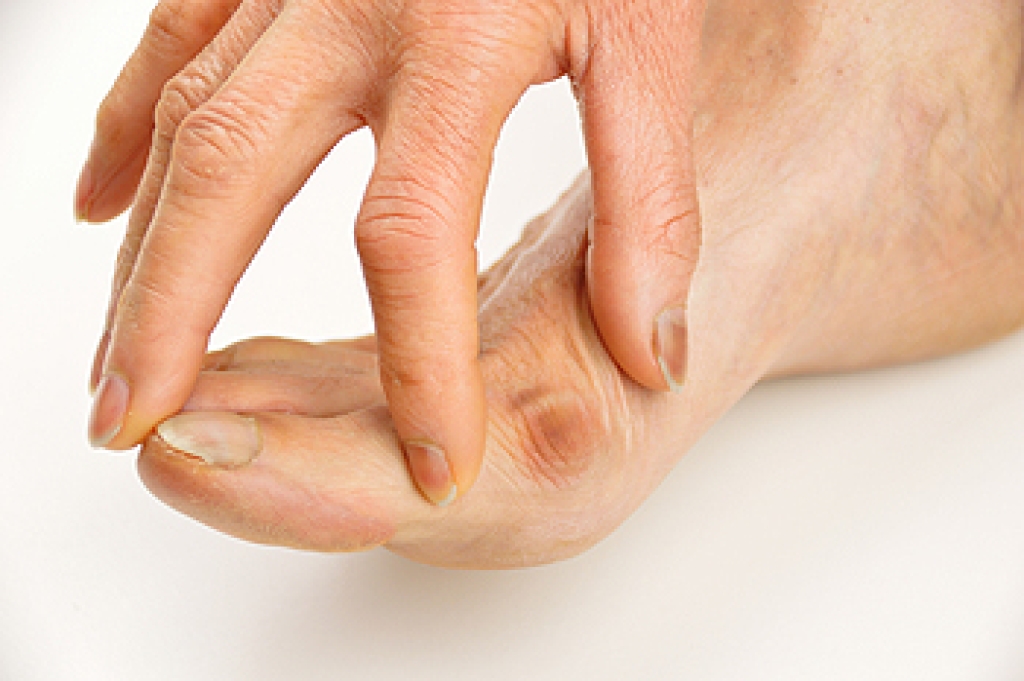
Bunions—a very common foot disorder—are bony protrusions on the joint of the big toe, which cause it to point towards the second toe. Bunions can be very painful and are often genetic, or caused by wearing shoes that are too tight. Bunionettes, or tailor’s bunions, are a form of bunion that appears on the outside of the pinky toe. Bunions and bunionettes are painful, and can cause swelling, redness, and soreness around the joint, along with limited range of movement. Bunions that are left untreated can cause deformities or misalignments in the foot and may require surgery to correct. One of the best ways to prevent bunions and bunionettes from forming is to wear comfortable, low-heeled shoes with a rounded toe-box, which will allow plenty of room for your toes to spread out and move freely. Contact a podiatrist who can offer preventative measures against bunions, or treat them successfully if they do form.

If you are suffering from bunions, contact Dr. Yeon A. Shim of Roselle Podiatry Group. Our doctor can provide the care you need to keep you pain-free and on your feet.

What Is a Bunion?

A bunion is formed of swollen tissue or an enlargement of boney growth, usually located at the base joint of the toe that connects to the foot. The swelling occurs due to the bones in the big toe shifting inward, which impacts the other toes of the foot. This causes the area around the base of the big toe to become inflamed and painful.

Why Do Bunions Form?

Genetics – Susceptibility to bunions are often hereditary

Stress on the feet – Poorly fitted and uncomfortable footwear that places stress on feet, such as heels, can worsen existing bunions

How Are Bunions Diagnosed?

Doctors often perform two tests – blood tests and x-rays – when trying to diagnose bunions, especially in the early stages of development. Blood tests help determine if the foot pain is being caused by something else, such as arthritis, while x-rays provide a clear picture of your bone structure to your doctor.

How Are Bunions Treated?

  • Refrain from wearing heels or similar shoes that cause discomfort
  • Select wider shoes that can provide more comfort and reduce pain
  • Anti-inflammatory and pain management drugs
  • Orthotics or foot inserts
  • Surgery

If you have any questions, please feel free to contact our office located in Roselle, NJ . We offer the newest diagnostic and treatment technologies for all your foot care needs.
Read more about Bunions

Diabetes and Poor Circulation in the Feet

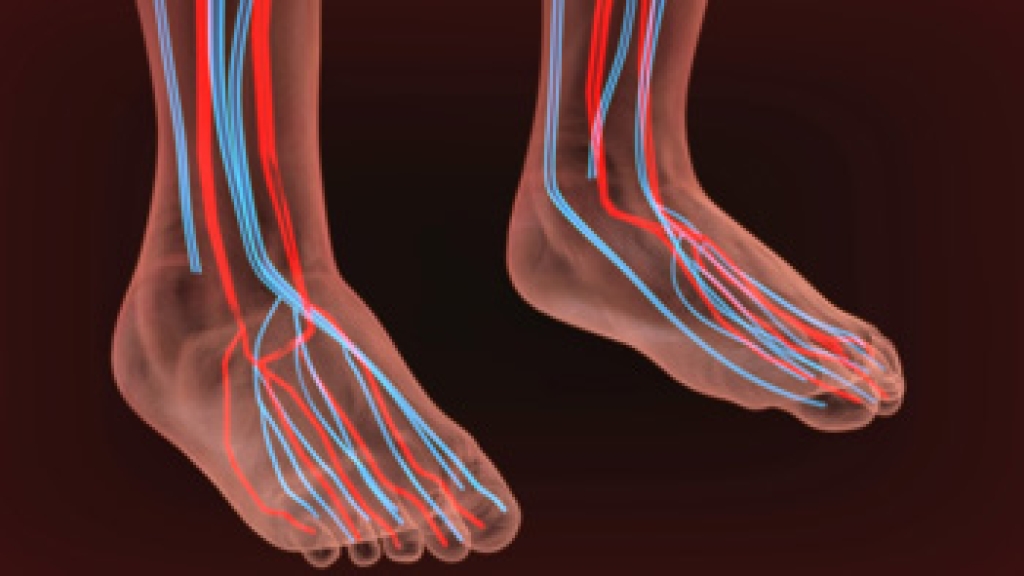
An excessive amount of sugar in the bloodstream from uncontrolled diabetes can cause the blood vessels to narrow and thereby reduce the amount of blood flowing through the veins. This is known as poor circulation, which is responsible for a variety of complications which can develop in diabetic patients—particularly in their feet—such as diabetic neuropathy (nerve damage) and peripheral artery disease (PAD). Both of these conditions can lead to pain, mobility issues, and even stroke and heart attack. Some warning signs of poor circulation include brittle nails, cold, numb, or pins-and-needles sensations in your feet, and wounds that don’t heal. If you have diabetes and are experiencing symptoms such as these, contact a podiatrist who can examine you and devise a treatment regimen to help you improve circulation in your feet.

While poor circulation itself isn’t a condition; it is a symptom of another underlying health condition you may have. If you have any concerns with poor circulation in your feet contact Dr. Yeon A. Shim of Roselle Podiatry Group. Our doctor will treat your foot and ankle needs.

Poor Circulation in the Feet

Peripheral artery disease (PAD) can potentially lead to poor circulation in the lower extremities. PAD is a condition that causes the blood vessels and arteries to narrow. In a linked condition called atherosclerosis, the arteries stiffen up due to a buildup of plaque in the arteries and blood vessels. These two conditions can cause a decrease in the amount of blood that flows to your extremities, therefore resulting in pain.

Symptoms

Some of the most common symptoms of poor circulation are:

  • Numbness
  • Tingling
  • Throbbing or stinging pain in limbs
  • Pain
  • Muscle Cramps

Treatment for poor circulation often depends on the underlying condition that causes it. Methods for treatment may include insulin for diabetes, special exercise programs, surgery for varicose veins, or compression socks for swollen legs.

As always, see a podiatrist as he or she will assist in finding a regimen that suits you. A podiatrist can also prescribe you any needed medication. 

If you have any questions, please feel free to contact our office located in Roselle, NJ . We offer the newest diagnostic and treatment technologies for all your foot care needs.

Read more about Causes, Symptoms, and Treatment of Poor Blood Circulation in the Feet
scroll to top