Blog

Symptoms of a Broken Foot

If you have fallen, or if a heavy object dropped onto your foot, you may have broken your foot. Common symptoms of this condition often include immediate swelling and bruising. For severe fractures, the broken bone may pierce the skin, which can produce an open wound. Some patients hear a snapping sound as the break occurs and will most likely have pain while attempting to put weight on the foot. Partial relief may be found when the foot is elevated, as this may help to reduce a portion of the swelling. Ultimately, the healing process will begin when the foot is placed in a cast or boot, and this can typically take several weeks. If you have broken your foot, it is suggested that you consult with a podiatrist who can determine the best course of treatment for you.

A broken foot requires immediate medical attention and treatment. If you need your feet checked, contact Dr. Yeon A. Shim from Roselle Podiatry Group. Our doctor can provide the care you need to keep you pain-free and on your feet.

Broken Foot Causes, Symptoms, and Treatment

A broken foot is caused by one of the bones in the foot typically breaking when bended, crushed, or stretched beyond its natural capabilities. Usually the location of the fracture indicates how the break occurred, whether it was through an object, fall, or any other type of injury. 

Common Symptoms of Broken Feet:

  • Bruising
  • Pain
  • Redness
  • Swelling
  • Blue in color
  • Numbness
  • Cold
  • Misshapen
  • Cuts
  • Deformities

Those that suspect they have a broken foot shoot seek urgent medical attention where a medical professional could diagnose the severity.

Treatment for broken bones varies depending on the cause, severity and location. Some will require the use of splints, casts or crutches while others could even involve surgery to repair the broken bones. Personal care includes the use of ice and keeping the foot stabilized and elevated.

If you have any questions, please feel free to contact our office located in Roselle, NJ . We offer the newest diagnostic and treatment technologies for all your foot care needs.

Read more about Causes, Symptoms, and Treatment for a Broken Foot

Gout Pain Can Be Managed

Gout is a painful, inflammatory form of arthritis. Those affected will typically feel an intense stiffness in the joints of their feet, particularly in the big toe. Schedule a visit to learn about how gout can be managed and treated.

Possible Causes of Toenail Fungus

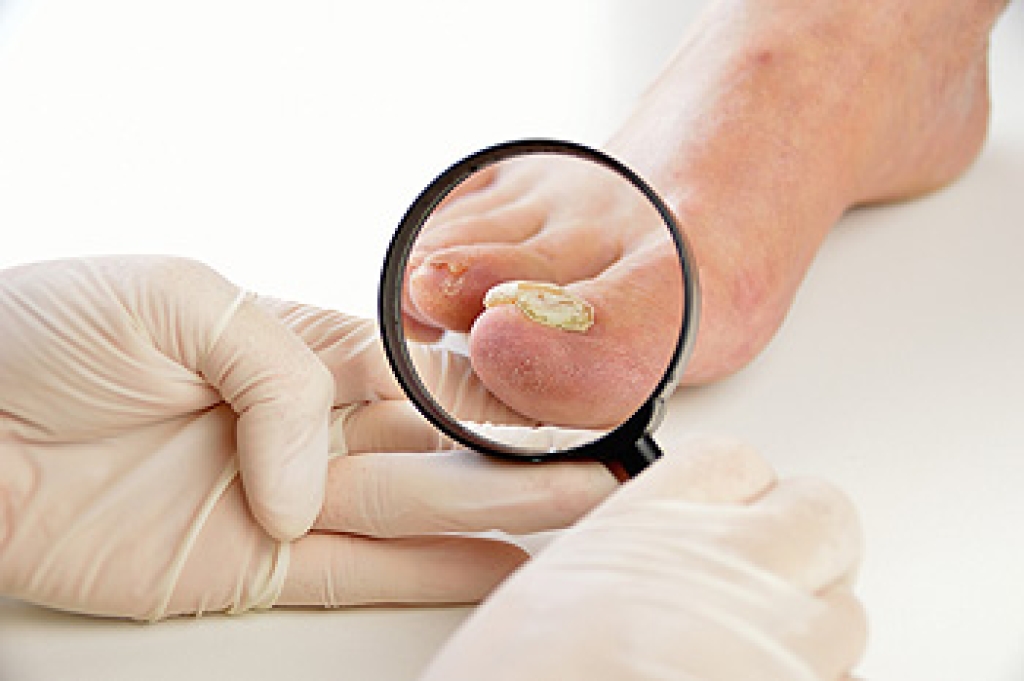
Toenail fungus appears after there has been a fungal infection on the feet. There are noticeable symptoms that often accompany this condition, including the nail becoming thick and having a yellowish tinge, in addition to lifting off of the nail bed. Many patients notice their nails appear brittle, and the edges of the nail may crumble. If there are existing medical conditions, the possibility of developing toenail fungus may increase. These include diabetes, vascular disease, or immune system issues. Additionally, if you wear shoes which are not made of a breathable material, a fungal infection of the feet may develop. One treatment option includes taking prescribed medicine for several months. If you feel that you may have toenail fungus, it is suggested to consult with a podiatrist who can determine the best course of treatment for you.

If left untreated, toenail fungus may spread to other toenails, skin, or even fingernails. If you suspect you have toenail fungus it is important to seek treatment right away. For more information about treatment, contact Dr. Yeon A. Shim of Roselle Podiatry Group. Our doctor can provide the care you need to keep you pain-free and on your feet.

Symptoms

  • Warped or oddly shaped nails
  • Yellowish nails
  • Loose/separated nail
  • Buildup of bits and pieces of nail fragments under the nail
  • Brittle, broken, thickened nail

Treatment

If self-care strategies and over-the-counter medications does not help your fungus, your podiatrist may give you a prescription drug instead. Even if you find relief from your toenail fungus symptoms, you may experience a repeat infection in the future.

Prevention

In order to prevent getting toenail fungus in the future, you should always make sure to wash your feet with soap and water. After washing, it is important to dry your feet thoroughly especially in between the toes. When trimming your toenails, be sure to trim straight across instead of in a rounded shape. It is crucial not to cover up discolored nails with nail polish because that will prevent your nail from being able to “breathe”.

In some cases, surgical procedure may be needed to remove the toenail fungus. Consult with your podiatrist about the best treatment options for your case of toenail fungus.  

If you have any questions please contact our office located in Roselle, NJ . We offer the newest diagnostic and treatment technologies for all your foot and ankle needs.

Read more about Toenail Fungus

Where Is the Plantar Fascia Located?

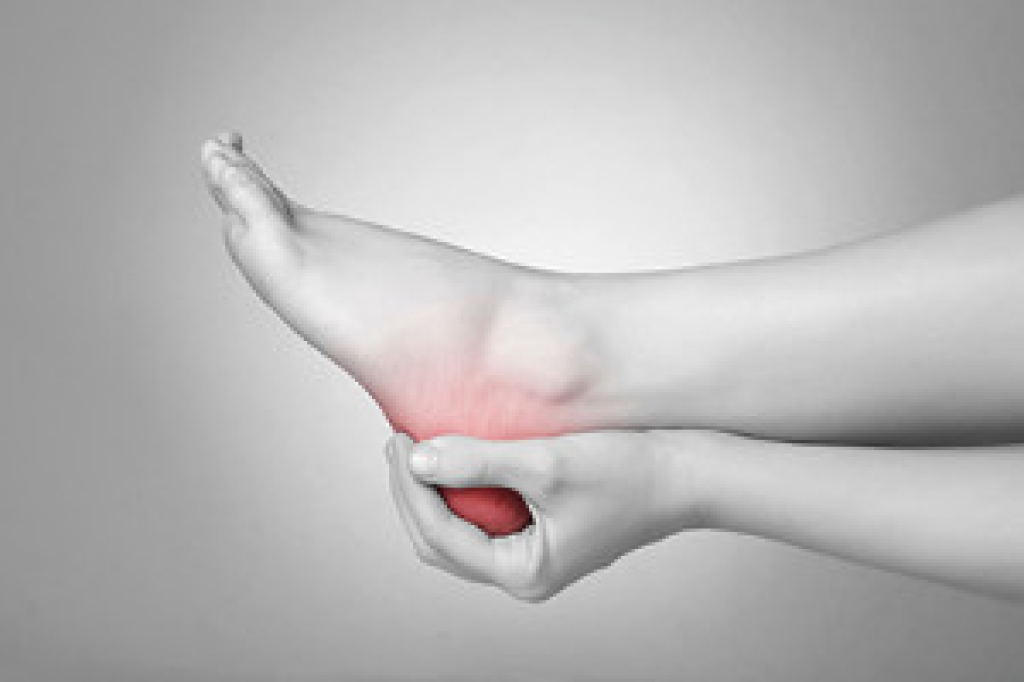
The tissue that is located on the bottom of the foot is referred to as the plantar fascia. It connects the toes to the heel bone, and establishes the arch in the foot. If this band of tissue becomes inflamed, the medical condition known as plantar fasciitis may develop. This can be a result of wearing shoes that do not fit correctly, or it may happen if the foot is overused, or not stretched properly. Additionally, if patients run frequently on uneven surfaces, or if there is a sudden weight gain, the chances of developing this condition may increase. The symptoms that are associated with plantar fasciitis often include foot pain when taking the first steps after waking up, and discomfort while participating in running and jumping activities. If you feel you have developed this condition, it is strongly advised that you consult with a podiatrist who can properly treat plantar fasciitis.

Plantar fasciitis is a common foot condition that is often caused by a strain injury. If you are experiencing heel pain or symptoms of plantar fasciitis, contact Dr. Yeon A. Shim from Roselle Podiatry Group. Our doctor can provide the care you need to keep you pain-free and on your feet.

What Is Plantar Fasciitis?

Plantar fasciitis is one of the most common causes of heel pain. The plantar fascia is a ligament that connects your heel to the front of your foot. When this ligament becomes inflamed, plantar fasciitis is the result. If you have plantar fasciitis you will have a stabbing pain that usually occurs with your first steps in the morning. As the day progresses and you walk around more, this pain will start to disappear, but it will return after long periods of standing or sitting.

What Causes Plantar Fasciitis?

  • Excessive running
  • Having high arches in your feet
  • Other foot issues such as flat feet
  • Pregnancy (due to the sudden weight gain)
  • Being on your feet very often

There are some risk factors that may make you more likely to develop plantar fasciitis compared to others. The condition most commonly affects adults between the ages of 40 and 60. It also tends to affect people who are obese because the extra pounds result in extra stress being placed on the plantar fascia.

Prevention

  • Take good care of your feet – Wear shoes that have good arch support and heel cushioning.
  • Maintain a healthy weight
  • If you are a runner, alternate running with other sports that won’t cause heel pain

There are a variety of treatment options available for plantar fasciitis along with the pain that accompanies it. Additionally, physical therapy is a very important component in the treatment process. It is important that you meet with your podiatrist to determine which treatment option is best for you.

If you have any questions, please feel free to contact our office located in Roselle, NJ . We offer the newest diagnostic and treatment technologies for all your foot care needs.
 

Read more about Plantar Fasciitis

Types of Arthritis That Can Affect the Feet

The medical condition that is known as arthritis often causes pain and swelling in the joints of the toes. The toes may have difficulty in bending upwards or may permanently become bent in a downward position. Walking may be challenging, in addition to standing flat on the floor. The most common form of arthritis is referred to as rheumatoid arthritis. This ailment can affect several joints in the toes simultaneously and can be quite painful. Additional types of arthritis include gout, which develops as a result of excess uric acid in the bloodstream. Medical conditions such as psoriasis can cause psoriatic arthritis, and joint pain can occur after the skin is affected. If you are experiencing arthritis in the feet, it is advised that you consult with a podiatrist who can guide you toward proper treatment.

Arthritis can be a difficult condition to live with. If you are seeking treatment, contact Dr. Yeon A. Shim from Roselle Podiatry Group. Our doctor can provide the care you need to keep you pain-free and on your feet.

Arthritic Foot Care  

Arthritis is a joint disorder that involves the inflammation of different joints in your body, such as those in your feet. Arthritis is often caused by a degenerative joint disease and causes mild to severe pain in all affected areas. In addition to this, swelling and stiffness in the affected joints can also be a common symptom of arthritis.

In many cases, wearing ill-fitting shoes can worsen the effects and pain of arthritis. Wearing shoes that have a lower heel and extra room can help your feet feel more comfortable. In cases of rheumatoid arthritis, the arch in your foot may become problematic. Buying shoes with proper arch support that contour to your feet can help immensely.

Alleviating Arthritic Pain

  • Exercises that stretch the foot can prevent further pain and injury and increase mobility
  • Most of the pain can be alleviated with anti-inflammatory drugs, heat, and topical medications
  • Massages can help temporarily alleviate pain.

It is best to see your doctor for the treatment that is right for your needs and symptoms. Conditions vary, and a podiatrist can help you determine the right method of care for your feet.

If you have any questions please feel free to contact our office located in Roselle, NJ . We offer the newest diagnostic tools and technology to treat your foot and ankle needs.

Read more about Arthritic Foot Care
scroll to top