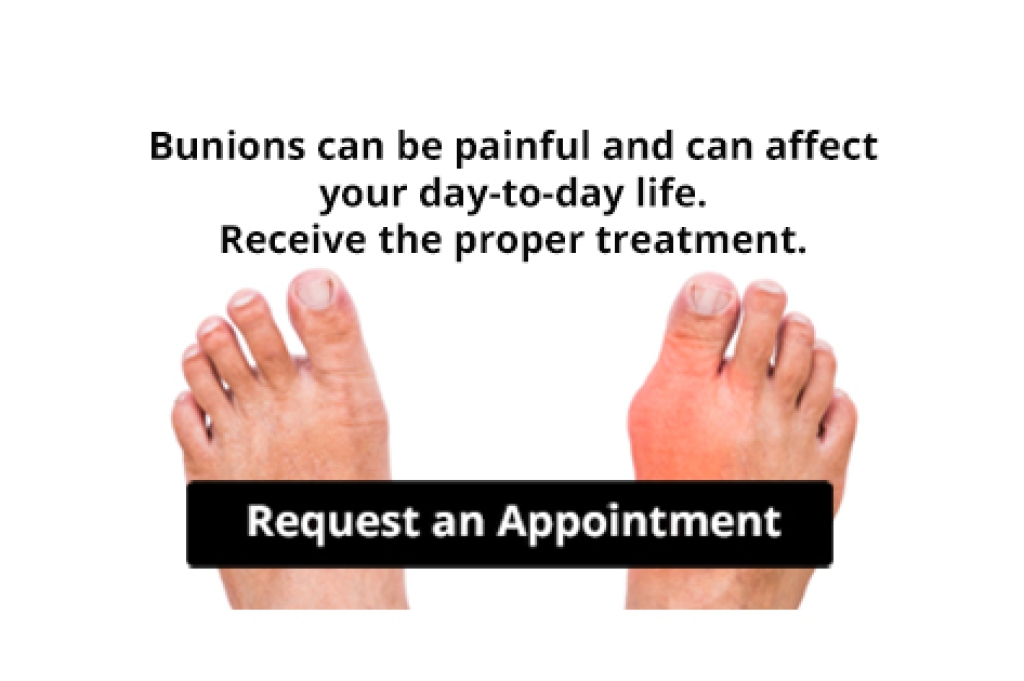
Have you noticed a bony protrusion on the side of your big toe? If so, you may have developed the foot condition known as a bunion. Don't let bunions interfere with your daily activities.
Have you noticed a bony protrusion on the side of your big toe? If so, you may have developed the foot condition known as a bunion. Don't let bunions interfere with your daily activities.
 If you have conditions concerning your feet and ankles, you will most likely visit a podiatrist. Doctors of this type treat many foot ailments, including bunions, hammertoe, and ingrown toenails. Many podiatrists design custom-made orthotics, in addition to performing corrective surgery. Podiatrists can choose to practice in a variety of venues. These include hospitals, private or group practice, and extended care facilities. Mandatory schooling consists of four years of college, followed by completing two years of residency training. If you are interested in pursuing a career in podiatry, it is strongly suggested that you consult with a podiatrist who can help you in determining if this career path is right for you.
If you are experiencing pain in the feet or ankles, don’t join the stubborn majority refusing treatment. Feel free to contact Dr. Yeon A. Shim from Roselle Podiatry Group. Our doctor can provide the care you need to keep you pain-free and on your feet.
What Is a Podiatrist?
Someone would seek the care of a podiatrist if they have suffered a foot injury or have common foot ailments such as heal spurs, bunions, arch problems, deformities, ingrown toenails, corns, foot and ankle problems, etc.
Podiatric Treatment
A podiatrist will treat the problematic areas of the feet, ankle or lower leg by prescribing the following:
A common podiatric procedure a podiatrist will use is a scanner or force plate which will allow the podiatrist to know the designs of orthotics. Patients are then told to follow a series of tasks to complete the treatment. The computer will scan the foot a see which areas show weight distribution and pressure points. The podiatrist will read the analysis and then determine which treatment plans are available.
If you have any questions, please feel free to contact our office located in Roselle, NJ . We offer the newest diagnostic and treatment technologies for all your foot care needs.
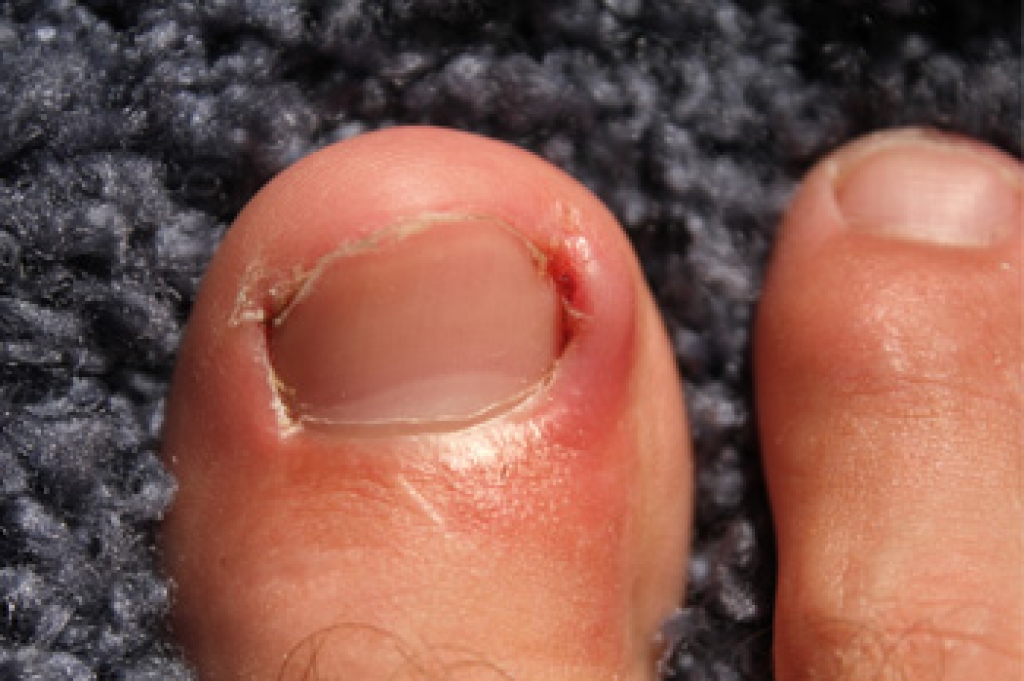 Ingrown toenails affect the big toe, and can cause severe pain and discomfort. This happens as a result of the nail growing into the skin, and can cause redness and an oozing discharge. It may develop as a result of toenails that are curved or thick, or possibly from an injury that has occurred. Additional reasons why ingrown toenails may form can come from wearing shoes that are too tight, or from trimming the nail improperly. Your toe may feel better after it is soaked in warm water, and wearing shoes that are comfortable can aid in the healing process. If your toe has become infected, it is advised that you schedule an appointment with a podiatrist as quickly as possible so the correct treatment can begin.
Ingrown toenails can become painful if they are not treated properly. For more information about ingrown toenails, contact Dr. Yeon A. Shim of Roselle Podiatry Group. Our doctor can provide the care you need to keep you pain-free and on your feet.
Ingrown Toenails
Ingrown toenails occur when a toenail grows sideways into the bed of the nail, causing pain, swelling, and possibly infection.
Causes
Prevention
Because ingrown toenails are not something found outside of shoe-wearing cultures, going barefoot as often as possible will decrease the likeliness of developing ingrown toenails. Wearing proper fitting shoes and using proper cutting techniques will also help decrease your risk of developing ingrown toenails.
Treatment
Ingrown toenails are a very treatable foot condition. In minor cases, soaking the affected area in salt or antibacterial soaps will not only help with the ingrown nail itself, but also help prevent any infections from occurring. In more severe cases, surgery is an option. In either case, speaking to your podiatrist about this condition will help you get a better understanding of specific treatment options that are right for you.
If you have any questions, please feel free to contact our office located in Roselle, NJ . We offer the newest diagnostic and treatment technologies for all your foot care needs.
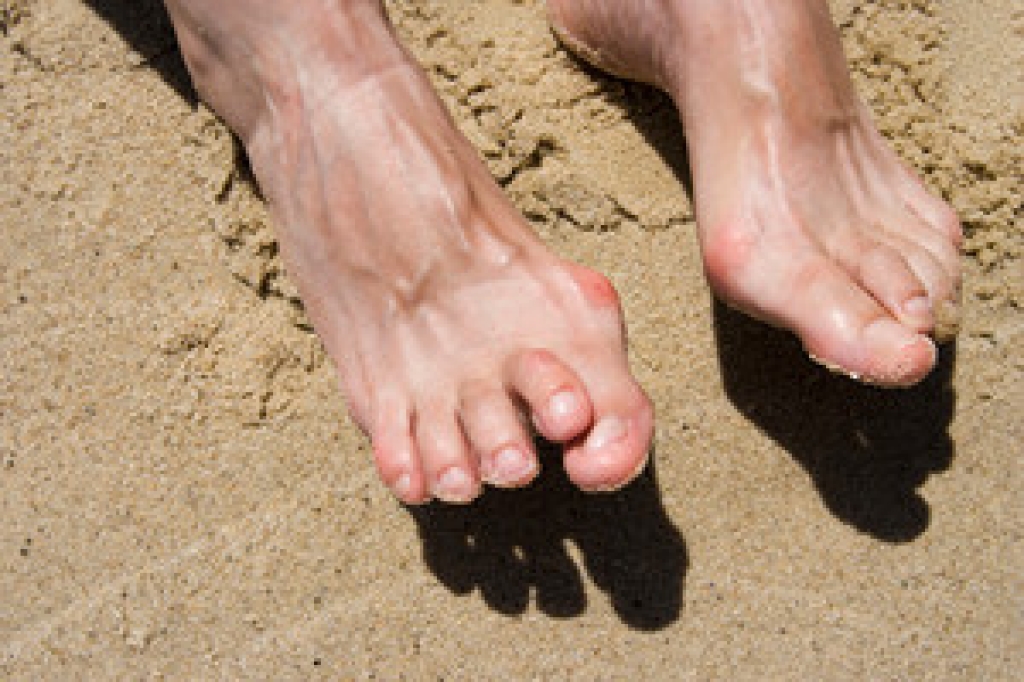 The condition that is known as hammertoe is considered to be a deformity of the middle toes. It can cause severe pain and discomfort, and wearing certain shoes may be difficult to accomplish. It is typically caused by a muscle imbalance, which results in pressure being exerted on the tendons in the toes. One of the reasons hammertoe develops can come from wearing shoes that do not fit properly. These include high heels, which push the front of the foot down, and rests against the shoe. It is common for the muscles to weaken, and this causes the toes to curl. This condition is effectively treated with surgery, which involves permanent straightening of the toes. If you have developed hammertoe, it is advised to seek the counsel of a podiatrist to discuss different types of hammertoe surgery.
Hammertoe
Hammertoes can be a painful condition to live with. For more information, contact Dr. Yeon A. Shim from Roselle Podiatry Group. Our doctor will answer any of your foot- and ankle-related questions.
Hammertoe is a foot deformity that affects the joints of the second, third, fourth, or fifth toes of your feet. It is a painful foot condition in which these toes curl and arch up, which can often lead to pain when wearing footwear.
Symptoms
Causes
Genetics – People who are genetically predisposed to hammertoe are often more susceptible
Arthritis – Because arthritis affects the joints in your toes, further deformities stemming from arthritis can occur
Trauma – Direct trauma to the toes could potentially lead to hammertoe
Ill-fitting shoes – Undue pressure on the front of the toes from ill-fitting shoes can potentially lead to the development of hammertoe
Treatment
Orthotics – Custom made inserts can be used to help relieve pressure placed on the toes and therefore relieve some of the pain associated with it
Medications – Oral medications such as anti-inflammatories or NSAIDs could be used to treat the pain and inflammation hammertoes causes. Injections of corticosteroids are also sometimes used
Surgery – In more severe cases where the hammertoes have become more rigid, foot surgery is a potential option
If you have any questions, please feel free to contact our office located in Roselle, NJ . We offer the newest diagnostic and treatment technologies for all your foot care needs.

If left untreated, an ingrown toenail can lead to more serious concerns, such as an infection. Knowing proper nail care can help in the prevention of an ingrown toenail. Give us a call, and get treated!

