
Blog

How to Manage a Broken Foot

A broken foot can result from direct impact, falls, crush injuries, or repetitive stress. Symptoms include pain, swelling, bruising, limping, and difficulty bearing weight. The severity of a foot fracture depends on which of the 26 bones in the foot is affected. A podiatrist can diagnose your injury using X-rays or advanced imaging such as a CT scan. Treatment may involve immobilization with a stiff-soled shoe, boot, or brace to support healing. Some fractures, particularly those that involve joint surfaces or cause displacement, may require surgery to restore alignment. One possible complication of a foot fracture is non-union, which occurs when a broken bone fails to heal properly due to poor blood supply, continued movement at the fracture site, or other factors. This can lead to chronic pain and instability in the foot. Other complications include arthritis, if a joint is involved, and infection if the skin is broken. Recovery time depends on the type and location of the fracture. If you have a broken foot bone, it is suggested that you schedule an appointment with a podiatrist for an exam, diagnosis, and treatment options, which may include surgery.

A broken foot requires immediate medical attention and treatment. If you need your feet checked, contact Dr. Yeon A. Shim from Roselle Podiatry Group. Our doctor can provide the care you need to keep you pain-free and on your feet.

Broken Foot Causes, Symptoms, and Treatment

A broken foot is caused by one of the bones in the foot typically breaking when bended, crushed, or stretched beyond its natural capabilities. Usually the location of the fracture indicates how the break occurred, whether it was through an object, fall, or any other type of injury. 

Common Symptoms of Broken Feet:

  • Bruising
  • Pain
  • Redness
  • Swelling
  • Blue in color
  • Numbness
  • Cold
  • Misshapen
  • Cuts
  • Deformities

Those that suspect they have a broken foot shoot seek urgent medical attention where a medical professional could diagnose the severity.

Treatment for broken bones varies depending on the cause, severity and location. Some will require the use of splints, casts or crutches while others could even involve surgery to repair the broken bones. Personal care includes the use of ice and keeping the foot stabilized and elevated.

If you have any questions, please feel free to contact our office located in Roselle, NJ . We offer the newest diagnostic and treatment technologies for all your foot care needs.

Read more about Causes, Symptoms, and Treatment for a Broken Foot

Gout Pain Can Be Managed

Gout is a painful, inflammatory form of arthritis. Those affected will typically feel an intense stiffness in the joints of their feet, particularly in the big toe. Schedule a visit to learn about how gout can be managed and treated.

Addressing Toenail Fungus

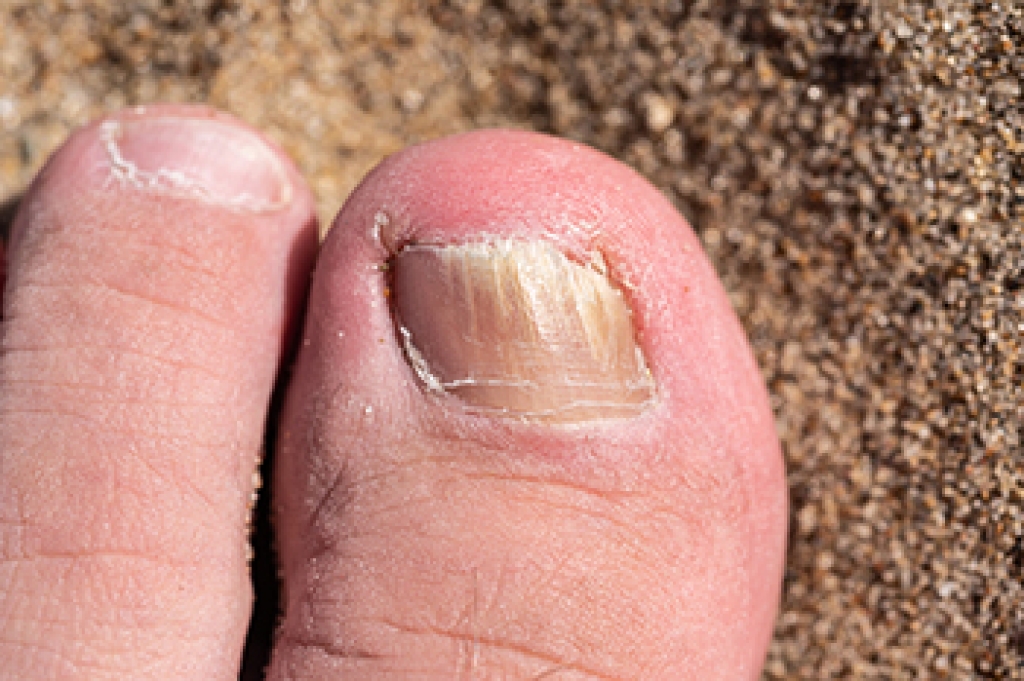
Toenail fungus, also known as onychomycosis, is a common condition that causes discoloration, thickening, and brittleness of the toenails. The infected nail may appear yellow, white, or brown and may develop a foul odor. The condition is often painful, especially if the fungus spreads under the nail, leading to discomfort or a feeling of pressure. The main causes of onychomycosis include fungal exposure in warm, damp environments like public showers, gym locker rooms, or pool areas, as well as poor foot hygiene. Other factors like diabetes, a weakened immune system, or wearing tight-fitting shoes can also increase the risk. A podiatrist can diagnose toenail fungus through a physical exam or by sending a sample for lab testing. Treatment options include antifungal medication, either topical or oral, laser therapy, or in severe cases, removal of the infected nail. This type of doctor can also provide guidance on proper foot care and preventive measures to reduce the risk of recurrence. If you have this condition, it is suggested that you schedule an appointment with a podiatrist.

If left untreated, toenail fungus may spread to other toenails, skin, or even fingernails. If you suspect you have toenail fungus it is important to seek treatment right away. For more information about treatment, contact Dr. Yeon A. Shim of Roselle Podiatry Group. Our doctor can provide the care you need to keep you pain-free and on your feet.

Symptoms

  • Warped or oddly shaped nails
  • Yellowish nails
  • Loose/separated nail
  • Buildup of bits and pieces of nail fragments under the nail
  • Brittle, broken, thickened nail

Treatment

If self-care strategies and over-the-counter medications does not help your fungus, your podiatrist may give you a prescription drug instead. Even if you find relief from your toenail fungus symptoms, you may experience a repeat infection in the future.

Prevention

In order to prevent getting toenail fungus in the future, you should always make sure to wash your feet with soap and water. After washing, it is important to dry your feet thoroughly especially in between the toes. When trimming your toenails, be sure to trim straight across instead of in a rounded shape. It is crucial not to cover up discolored nails with nail polish because that will prevent your nail from being able to “breathe”.

In some cases, surgical procedure may be needed to remove the toenail fungus. Consult with your podiatrist about the best treatment options for your case of toenail fungus.  

If you have any questions please contact our office located in Roselle, NJ . We offer the newest diagnostic and treatment technologies for all your foot and ankle needs.

Read more about How to Treat Your Toenail Fungus

When Hammertoe Surgery May Not Be Effective

Hammertoe surgery is designed to correct toe deformities, but certain risk factors can make the procedure less successful. Poor circulation, often seen in people with diabetes or peripheral artery disease, slows healing and increases the risk of complications. Individuals with severe arthritis may struggle with joint stiffness even after surgery, limiting mobility and causing lingering discomfort. Weak bones due to osteoporosis can also make surgical correction less stable, increasing the chances of recurrence. Chronic swelling from conditions like lymphedema may lead to prolonged recovery and difficulties wearing shoes comfortably. Smoking and obesity further hinder healing by reducing oxygen supply and placing excess pressure on the feet. Non-surgical options such as orthotics, toe splints, and targeted exercises may be better alternatives for those at high risk. If you are in a high-risk group and would like relief for your hammertoe, it is suggested that you consult a podiatrist who can help determine the safest and most effective treatment based on your specific health concerns.

Hammertoes can be a painful condition to live with. For more information, contact Dr. Yeon A. Shim of Roselle Podiatry Group. Our doctor will answer any of your foot- and ankle-related questions.

Hammertoe

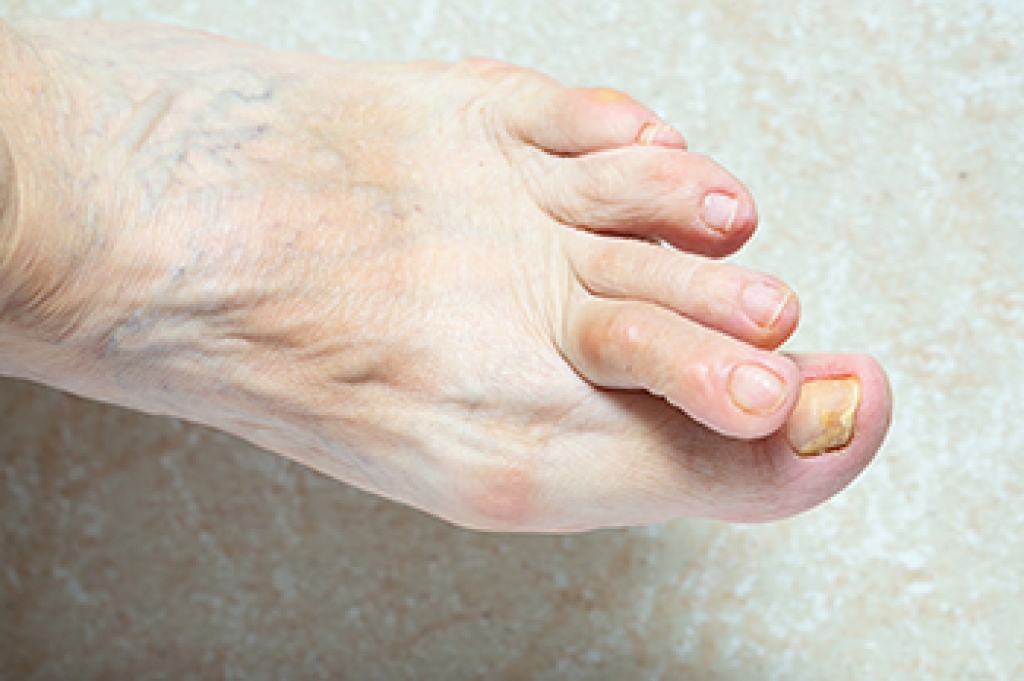
Hammertoe is a foot deformity that occurs due to an imbalance in the muscles, tendons, or ligaments that normally hold the toe straight. It can be caused by the type of shoes you wear, your foot structure, trauma, and certain disease processes.

Symptoms

  • Painful and/or difficult toe movement
  • Swelling
  • Joint stiffness
  • Calluses/Corns
  • Physical deformity

Risk Factors

  • Age – The risk of hammertoe increases with age
  • Sex – Women are more likely to have hammertoe compared to men
  • Toe Length – You are more likely to develop hammertoe if your second toe is longer than your big toe
  • Certain Diseases – Arthritis and diabetes may make you more likely to develop hammertoe

Treatment

If you have hammertoe, you should change into a more comfortable shoe that provides enough room for your toes. Exercises such as picking up marbles may strengthen and stretch your toe muscles. Nevertheless, it is important to seek assistance from a podiatrist in order to determine the severity of your hammertoe and see which treatment option will work best for you.

If you have any questions, please feel free to contact our office located in Roselle, NJ . We offer the newest diagnostic and treatment technologies for all your foot care needs.
Read more about Hammertoe

Painful Ingrown Toenails

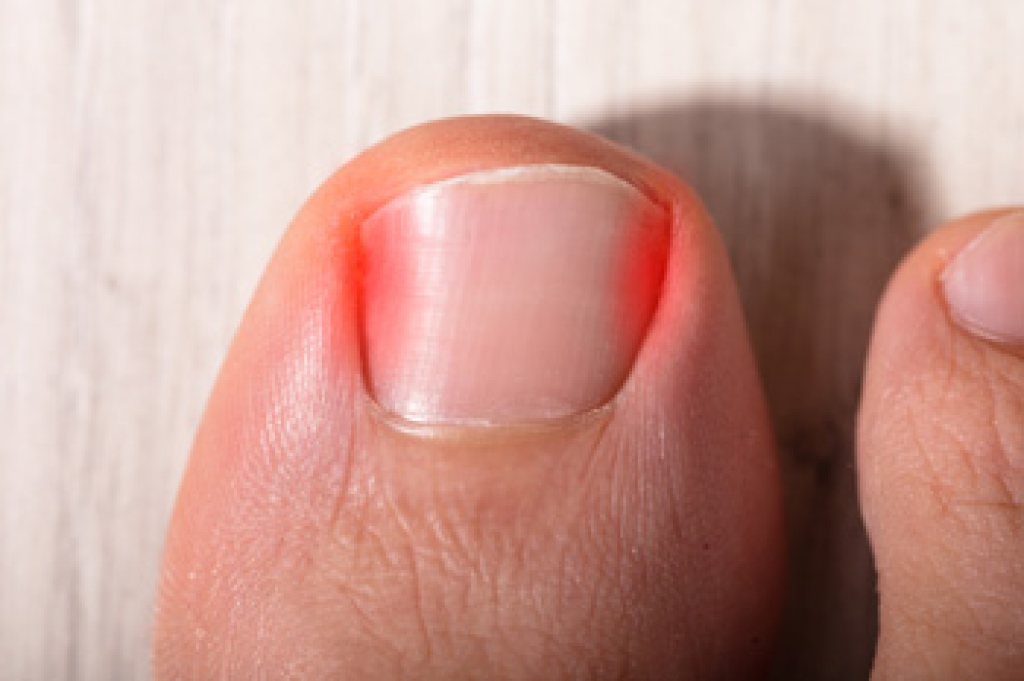
Ingrown toenails occur when the edge of the nail grows into the surrounding skin, causing pain, redness, swelling, and sometimes infection. This condition is common among teenagers and those who are overweight, as tight shoes or excess pressure can aggravate the toenails. In addition to discomfort, you may notice pus or drainage if an infection sets in.  A podiatrist can help by assessing the severity of the ingrown toenail and providing treatment options. For mild cases, they may suggest soaking the foot, proper nail trimming techniques, or padding to reduce pressure. If the condition persists or becomes infected, a podiatrist may need to remove part of the nail, or, in more serious cases, perform a permanent nail removal procedure. They may also recommend wearing properly fitting shoes to prevent recurrence. If you are struggling with an ingrown toenail, it is suggested that you prompty schedule an appointment with a podiatrist who can offer effective treatment remedies. 

Ingrown toenails may initially present themselves as a minor discomfort, but they may progress into an infection in the skin without proper treatment. For more information about ingrown toenails, contact Dr. Yeon A. Shim of Roselle Podiatry Group. Our doctor can provide the care you need to keep you pain-free and on your feet.

Ingrown Toenails

Ingrown toenails are caused when the corner or side of a toenail grows into the soft flesh surrounding it. They often result in redness, swelling, pain, and in some cases, infection. This condition typically affects the big toe and may recur if it is not treated properly.

Causes

  • Improper toenail trimming
  • Genetics
  • Improper shoe fitting
  • Injury from pedicures or nail picking
  • Abnormal gait
  • Poor hygiene

You are more likely to develop an ingrown toenail if you are obese, have diabetes, arthritis, or have any fungal infection in your nails. Additionally, people who have foot or toe deformities are at a higher risk of developing an ingrown toenail.

Symptoms

Some symptoms of ingrown toenails are redness, swelling, and pain. In rare cases, there may be a yellowish drainage coming from the nail.

Treatment

Ignoring an ingrown toenail can have serious complications. Infections of the nail border can progress to a deeper soft-tissue infection, which can then turn into a bone infection. You should always speak with your podiatrist if you suspect you have an ingrown toenail, especially if you have diabetes or poor circulation.

If you have any questions, please feel free to contact our office located in Roselle, NJ . We offer the newest diagnostic and treatment technologies for all your foot care needs.
Read more about Ingrown Toenails
scroll to top