Blog

Reasons for Reconstructive Foot Surgery

Foot reconstruction is a type of surgery that is performed to correct the anatomy of the foot and restore proper function. Someone might need reconstructive foot surgery following a major injury to the foot that affects the foot’s soft tissue or bones. Vascular diseases, which can interfere with circulation in the lower limbs, may require surgical intervention. Other issues which can cause deformities include metabolic diseases, such as diabetes and gout, that alter the blood and nerve supply of the foot, and tumors. Finally, birth defects such as clubfoot would also need to be corrected via reconstructive surgery. For more information on reconstructive foot surgery, please consult with a podiatrist.

Foot surgery is sometimes necessary to treat a foot ailment. To learn more, contact Dr. Yeon A. Shim of Roselle Podiatry Group. Our doctor will assist you with all of your foot and ankle needs.

When Is Surgery Necessary?

Foot and ankle surgery is generally reserved for cases in which less invasive, conservative procedures have failed to alleviate the problem. Some of the cases in which surgery may be necessary include:

  • Removing foot deformities like bunions and bone spurs
  • Severe arthritis that has caused bone issues
  • Cosmetic reconstruction

What Types of Surgery Are There?

The type of surgery you receive will depend on the nature of the problem you have. Some of the possible surgeries include:

  • Bunionectomy for painful bunions
  • Surgical fusion for realignment of bones
  • Neuropathy decompression surgery to treat nerve damage

Benefits of Surgery

Although surgery is usually a last resort, it can provide more complete pain relief compared to non-surgical methods and may allow you to finally resume full activity.

Surgical techniques have also become increasingly sophisticated. Techniques like endoscopic surgery allow for smaller incisions and faster recovery times.

If you have any questions, please feel free to contact our office located in Roselle, NJ . We offer the newest diagnostic and treatment technologies for all your foot care needs.

Read more about Foot and Ankle Surgery

What Can I Do About My Sweaty Feet?

Plantar hyperhidrosis is a medical condition that causes excessively sweaty feet. All of this extra sweat is not only embarrassing, but can also lead to health complications. For example, it may increase your risk of injury due to your feet slipping and sliding in your shoes, or increase your risk of skin infections because of the constant moisture breaking down the skin on your feet. Fortunately, there are several treatments for plantar hyperhidrosis. A podiatrist may prescribe antiperspirants, which block the overactive sweat ducts. Botox injections into the feet, which can temporarily disable sweat glands, are also an effective treatment option. Iontophoresis, in which the feet are submerged in water with an electric current running through it, has been shown to reduce sweating as well. To learn more about plantar hyperhidrosis and to find the right treatment for you, please consult with a podiatrist.

If you are suffering from hyperhidrosis contact Dr. Yeon A. Shim of Roselle Podiatry Group. Our doctor can provide the care you need to attend to all of your foot and ankle needs.

Hyperhidrosis of the Feet

Hyperhidrosis is a rare disorder that can cause people to have excessive sweating of their feet. This can usually occur all on its own without rigorous activity involved. People who suffer from hyperhidrosis may also experience sweaty palms.

Although it is said that sweating is a healthy process meant to cool down the body temperature and to maintain a proper internal temperature, hyperhidrosis may prove to be a huge hindrance on a person’s everyday life.

Plantar hyperhidrosis is considered to be the main form of hyperhidrosis. Secondary hyperhidrosis can refer to sweating that occurs in areas other than the feet or hands and armpits. Often this may be a sign of it being related to another medical condition such as menopause, hyperthyroidism and even Parkinson’s disease.

In order to alleviate this condition, it is important to see your doctor so that they may prescribe the necessary medications so that you can begin to live a normal life again. If this is left untreated, it is said that it will persist throughout an individual’s life.

A last resort approach would be surgery, but it is best to speak with your doctor to find out what may be the best treatment for you.

If you have any questions, please feel free to contact our office located in Roselle, NJ . We offer the newest diagnostic and treatment technologies for all your foot care needs.

Read more about Hyperhidrosis of the Feet

Sources of Ankle Pain

A common cause of ankle pain is a sprained ankle. This can cause limited mobility, and it is generally uncomfortable as the healing process occurs. Research has indicated that scar tissue can be a source of ankle pain, and this may originate from past ankle surgeries or injuries. Pain in the ankle that is intermittent can indicate a ligament tear, and may be accompanied by swelling. The ankle may be broken if a fall has occurred, and wearing a cast or walking boot may be required as it heals. If you are experiencing any type of ankle pain, it is strongly suggested that you consult with a podiatrist who can properly diagnose and treat any type of ankle pain.

Ankle pain can have many different causes and the pain may potentially be serious. If you have ankle pain, consult with Dr. Yeon A. Shim from Roselle Podiatry Group. Our doctor will assess your condition and provide you with quality foot and ankle treatment.

Ankle pain is any condition that causes pain in the ankle. Due to the fact that the ankle consists of tendons, muscles, bones, and ligaments, ankle pain can come from a number of different conditions.

Causes

The most common causes of ankle pain include:

  • Types of arthritis (rheumatoid, osteoarthritis, and gout)
  • Ankle sprains
  • Broken ankles
  • Achilles tendinitis
  • Achilles tendon rupture
  • Stress fractures
  • Tarsal tunnel syndrome
  • Plantar fasciitis

Symptoms

Symptoms of ankle injury vary based upon the condition. Pain may include general pain and discomfort, swelling, aching, redness, bruising, burning or stabbing sensations, and/or loss of sensation.

Diagnosis

Due to the wide variety of potential causes of ankle pain, podiatrists will utilize a number of different methods to properly diagnose ankle pain. This can include asking for personal and family medical histories and of any recent injuries. Further diagnosis may include sensation tests, a physical examination, and potentially x-rays or other imaging tests.

Treatment

Just as the range of causes varies widely, so do treatments. Some more common treatments are rest, ice packs, keeping pressure off the foot, orthotics and braces, medication for inflammation and pain, and surgery.

If you have any questions please feel free to contact our office located in Roselle, NJ . We offer the newest diagnostic tools and technology to treat your foot and ankle needs.

Read more about Ankle Pain

Do Your Child's Feet Hurt?

Have your child's feet been examined lately? Healthy feet are happy feet. If your child is complaining of foot pain, it may be a sign of underlying problems.

Rheumatoid Arthritis Is Associated With Many Foot Conditions

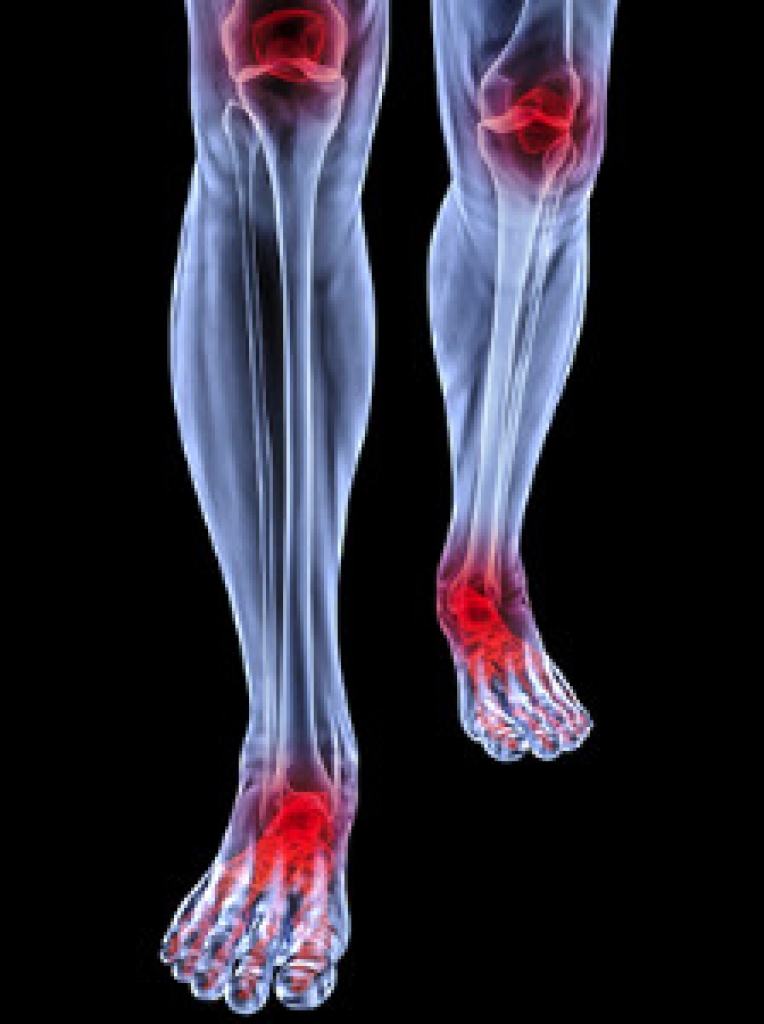
Rheumatoid arthritis is an autoimmune condition that causes inflammation in and damage to the joints. This condition tends to begin in the smaller joints of the hands and feet. Because of this, rheumatoid arthritis is often associated with a variety of foot conditions. Some of these include heel pain, bunions, hammertoes, flat feet, corns, and calluses. If you have rheumatoid arthritis and experience problems with your feet, it is recommended that you consult with a podiatrist. Receiving treatment can help reduce inflammation, relieve pain, and maintain mobility.

Because RA affects more than just your joints, including the joints in your feet and ankles, it is important to seek early diagnosis from your podiatrist if you feel like the pain in your feet might be caused by RA. For more information, contact Dr. Yeon A. Shim of Roselle Podiatry Group. Our doctor will assist you with all of your podiatric concerns.

What Is Rheumatoid Arthritis?

Rheumatoid Arthritis (RA) is an autoimmune disorder in which the body’s own immune system attacks the membranes surrounding the joints. Inflammation of the lining and eventually the destruction of the joint’s cartilage and bone occur, causing severe pain and immobility.

Rheumatoid Arthritis of the Feet

Although RA usually attacks multiple bones and joints throughout the entire body, almost 90 percent of cases result in pain in the foot or ankle area.

Symptoms

  • Swelling and pain in the feet
  • Stiffness in the feet
  • Pain on the ball or sole of feet
  • Joint shift and deformation

Diagnosis

Quick diagnosis of RA in the feet is important so that the podiatrist can treat the area effectively. Your doctor will ask you about your medical history, occupation, and lifestyle to determine the origin of the condition. Rheumatoid Factor tests help to determine if someone is affected by the disease.

If you have any questions, please feel free to contact our office located in Roselle, NJ . We offer the newest diagnostic and treatment technologies for all your foot care needs.

Read more about Rheumatoid Arthritis in the Feet
scroll to top