
Plantar warts are small growths that develop on parts of the feet that bear weight. They're typically found on the bottom of the foot. Don't live with plantar warts, and call us today!
Plantar warts are small growths that develop on parts of the feet that bear weight. They're typically found on the bottom of the foot. Don't live with plantar warts, and call us today!
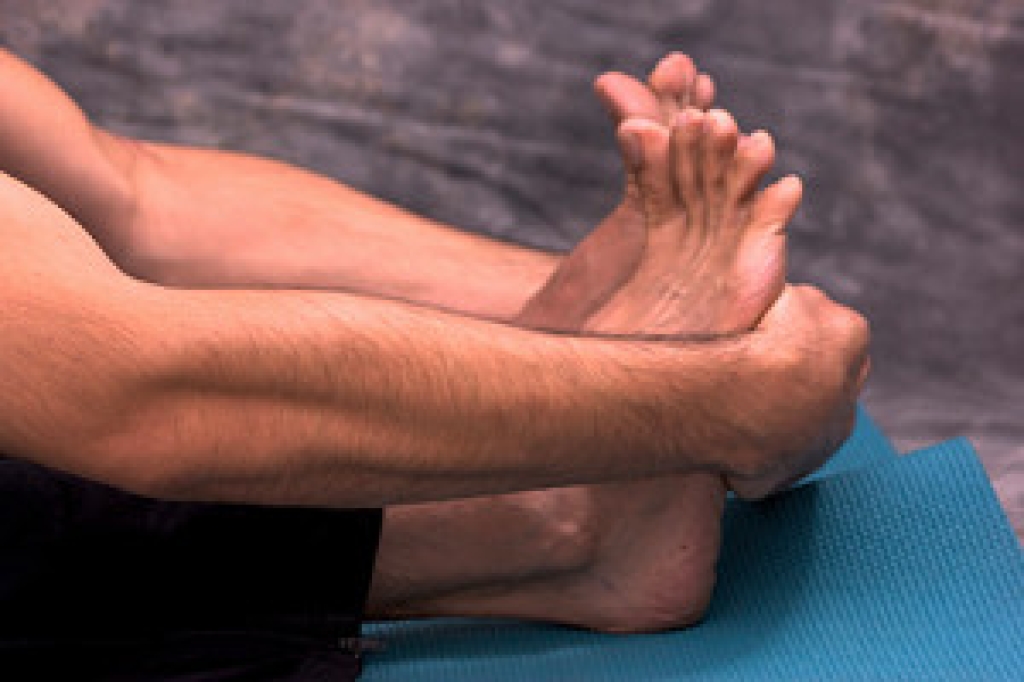 When the soles of the feet are stretched, it may contribute to an overall positive feeling in the body. The feet are considered to be the foundation of the body, and chronic foot pain may affect the way you walk. There are simple ways to stretch the arches, toes, and soles, and it is beneficial to practice these stretches as frequently as possible. An effective stretch begins with starting on your hands and knees, and gradually sitting back on your heels, while keeping the toes tucked. To stretch the toes and ankles, sit on the floor and cross one leg over the other. Grasp one foot, and gently pull the toes apart, while moving the ankle in circles. The arch can be stretched by rolling the foot on a tennis ball or frozen water bottle. The latter technique may feel good after a long day of standing on your feet. If you would like additional information about how to stretch your feet, please consult with a podiatrist.
Why Stretching Is Important for Your Feet
Stretching the feet is a great way to prevent injuries. If you have any concerns with your feet consult with Dr. Yeon A. Shim from Roselle Podiatry Group. Our doctor will assess your condition and provide you with quality foot and ankle treatment.
Stretching the Feet
Stretching the muscles in the foot is an important part in any physical activity. Feet that are tight can lead to less flexibility and make you more prone to injury. One of the most common forms of foot pain, plantar fasciitis, can be stretched out to help ease the pain. Stretching can not only ease pain from plantar fasciitis but also prevent it as well. However, it is important to see a podiatrist first to determine if stretching is right for you. Podiatrists can also recommend other ways to stretch your feet. Once you know whether stretching is right for you, here are some excellent stretches you can do.
It is best to go easy when first stretching your foot and work your way up. If your foot starts hurting, stop exercising to ice and rest the foot. It is advised that you then see a podiatrist for help.
If you have any questions please contact our office located in Roselle, NJ . We offer the newest diagnostic and treatment technologies for all your foot and ankle needs.
A hammertoe will occur when there is a bending of one 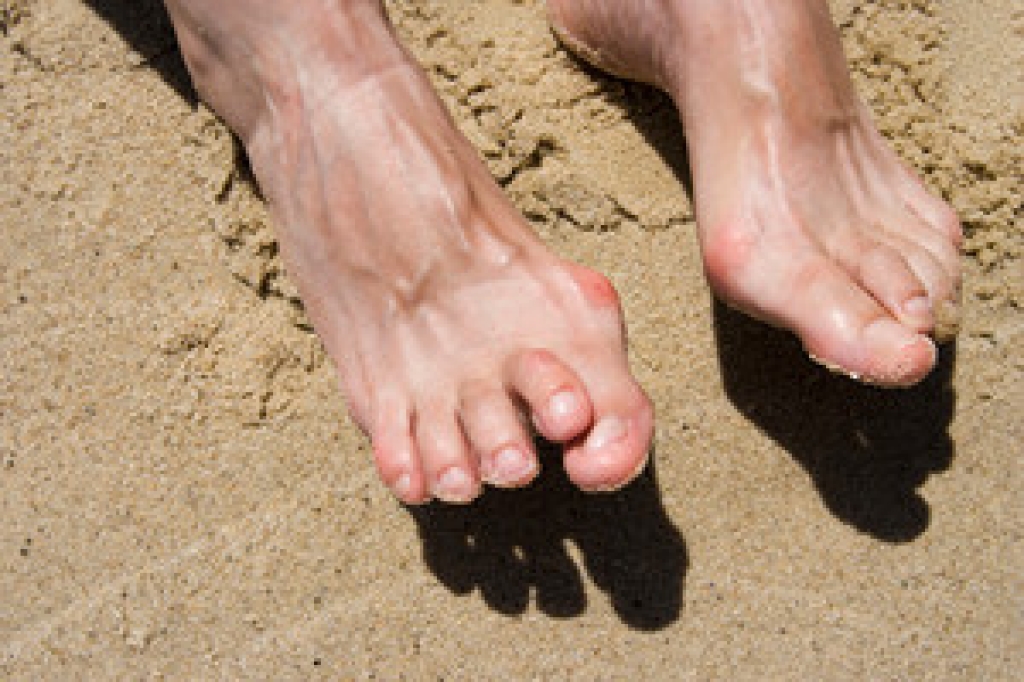 or both joints of the second, third, fourth or fifth toes. This bending can put pressure on the toe when wearing shoes, which in turn will cause problems to develop. The most common cause of hammertoe is an imbalance of a muscle or tendon. This is what causes the toe to bend. Some symptoms of hammertoe to look out for are pain or irritation of the affected toe when wearing shoes, corns and calluses on the toe, inflammation, open sores and contracture of the toe. There are a variety of different measures used to treat hammertoe. You can use a pad prescribed by the podiatrist that protects corns and calluses on the feet from irritation. Another option is to change shoewear. Any shoes that are too short, have pointed toes, or shoes with high heels can force the toe against the front of the shoe. Instead, look for shoes that have a comfortable feel that give the toes enough room. Orthotic devices are also found to be helpful. A final treatment would be medications that are anti-inflammatory such as ibuprofen, which are recommended to reduce any pain and inflammation. In a small amount of cases if the hammertoe has become painful and rigid, then surgery may be required to treat it. If you feel that you exhibit any of the signs or symptoms of hammertoe, it is recommended that you see a podiatrist as soon as you can.
Hammertoe
Hammertoes can be a painful condition to live with. For more information, contact Dr. Yeon A. Shim from Roselle Podiatry Group. Our doctor will answer any of your foot- and ankle-related questions.
Hammertoe is a foot deformity that affects the joints of the second, third, fourth, or fifth toes of your feet. It is a painful foot condition in which these toes curl and arch up, which can often lead to pain when wearing footwear.
Symptoms
Causes
Genetics – People who are genetically predisposed to hammertoe are often more susceptible
Arthritis – Because arthritis affects the joints in your toes, further deformities stemming from arthritis can occur
Trauma – Direct trauma to the toes could potentially lead to hammertoe
Ill-fitting shoes – Undue pressure on the front of the toes from ill-fitting shoes can potentially lead to the development of hammertoe
Treatment
Orthotics – Custom made inserts can be used to help relieve pressure placed on the toes and therefore relieve some of the pain associated with it
Medications – Oral medications such as anti-inflammatories or NSAIDs could be used to treat the pain and inflammation hammertoes causes. Injections of corticosteroids are also sometimes used
Surgery – In more severe cases where the hammertoes have become more rigid, foot surgery is a potential option
If you have any questions, please feel free to contact our office located in Roselle, NJ . We offer the newest diagnostic and treatment technologies for all your foot care needs.
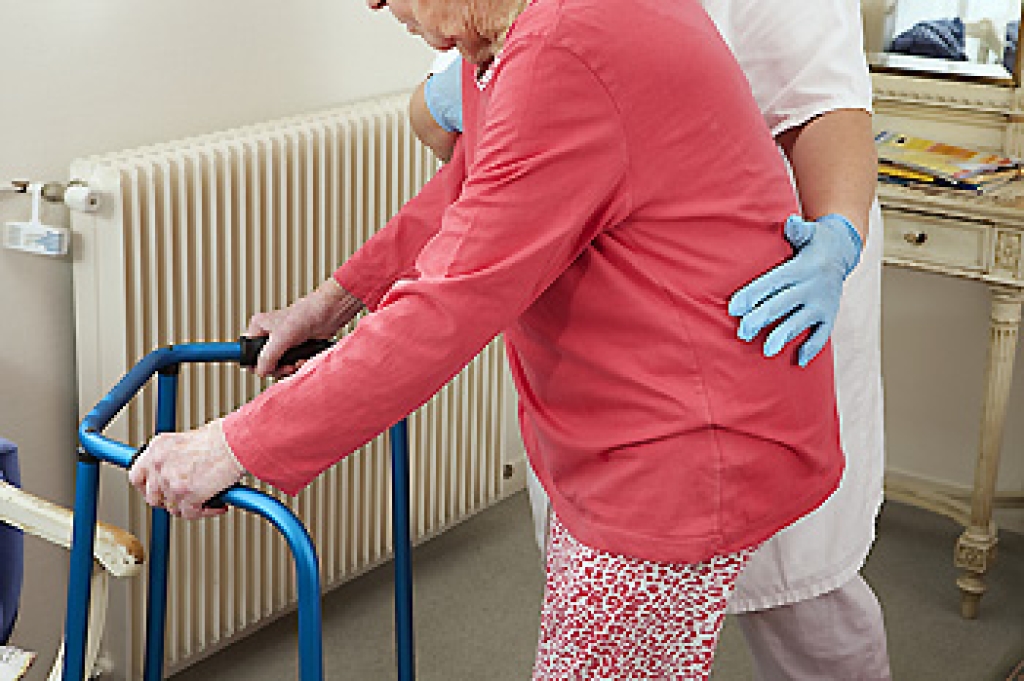 Research has indicated that falling is a common occurrence among seniors in the United States. Many elderly people may avoid participating in certain activities as a result of a fear of falling. There are measures that can be implemented which may reduce the risk of falling. These can include removing any clutter from the main living areas in the home, improving lighting conditions, and removing any loose carpeting. Additionally, it is generally beneficial to install grab bars in the shower and toilet area, as this can be helpful in preventing falling. It is important to wear shoes that fit correctly to aid in preventing unnecessary tripping. Many elderly people can reduce the risk of falling when walkers are used and slowing down is beneficial while performing daily activities. If you would like additional information about how to prevent falling, it is suggested to speak with a podiatrist.
Preventing falls among the elderly is very important. If you are older and have fallen or fear that you are prone to falling, consult with Dr. Yeon A. Shim from Roselle Podiatry Group. Our doctor will assess your condition and provide you with quality advice and care.
Every 11 seconds, an elderly American is being treated in an emergency room for a fall related injury. Falls are the leading cause of head and hip injuries for those 65 and older. Due to decreases in strength, balance, senses, and lack of awareness, elderly persons are very susceptible to falling. Thankfully, there are a number of things older persons can do to prevent falls.
How to Prevent Falls
Some effective methods that older persons can do to prevent falls include:
Falling can be a traumatic and embarrassing experience for elderly persons; this can make them less willing to leave the house, and less willing to talk to someone about their fears of falling. Doing such things, however, will increase the likelihood of tripping or losing one’s balance. Knowing the causes of falling and how to prevent them is the best way to mitigate the risk of serious injury.
If you have any questions, please feel free to contact our office located in Roselle, NJ . We offer the newest diagnostic and treatment technologies for all your foot care needs.
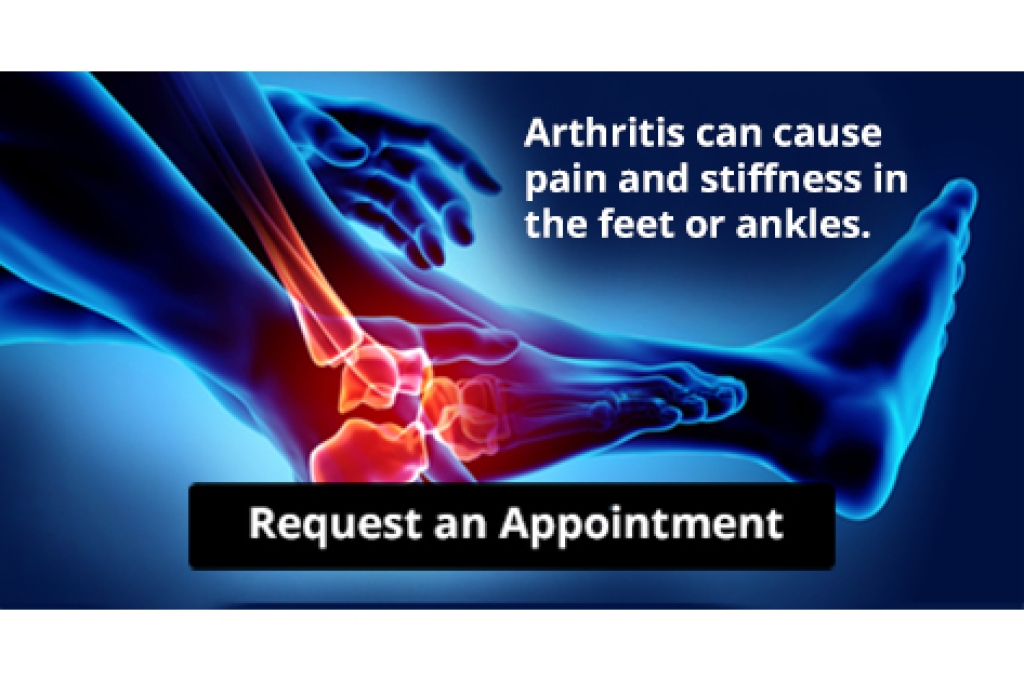
If you are suffering from tenderness, pain, or stiffness in the joints of your feet or ankles, call us to schedule an appointment.

