
Gout is a painful, inflammatory form of arthritis. Those affected will typically feel an intense stiffness in the joints of their feet, particularly in the big toe. Schedule a visit to learn about how gout can be managed and treated.
Gout is a painful, inflammatory form of arthritis. Those affected will typically feel an intense stiffness in the joints of their feet, particularly in the big toe. Schedule a visit to learn about how gout can be managed and treated.
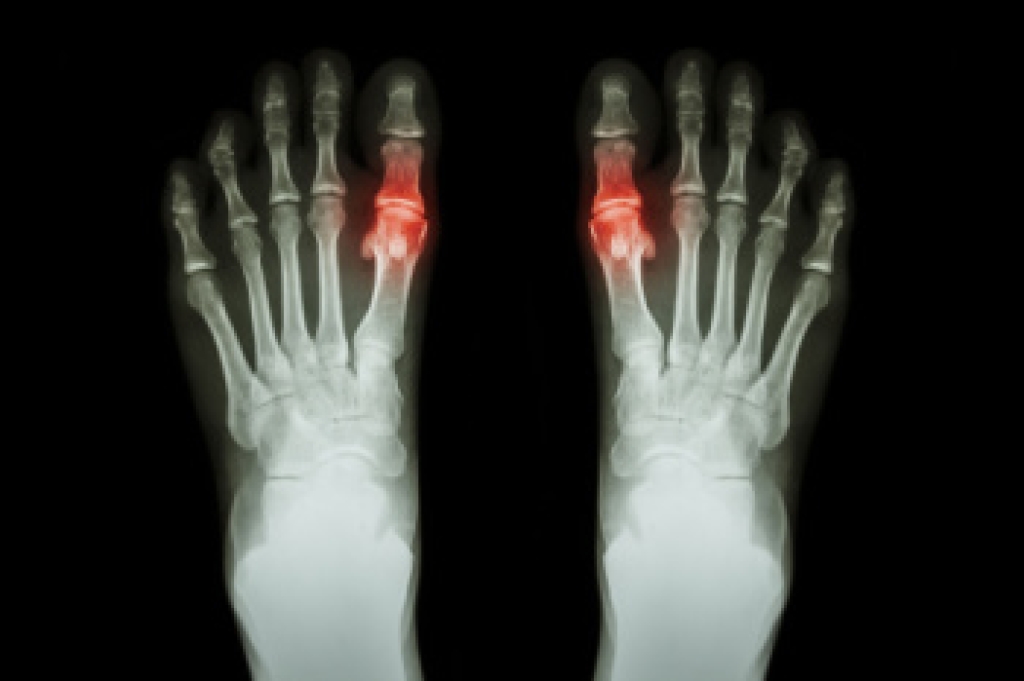
Gout, a form of arthritis caused by uric acid crystal deposits in joints, has several risk factors. Dietary choices high in purines, found in red meat, seafood, and alcohol, contribute to increased uric acid production. Obesity and certain medical conditions like hypertension and diabetes also raise the risk. Age and genetics play roles, with men over 40 and individuals with a family history being more susceptible. Prevention involves dietary adjustments, such as limiting purine-rich foods and alcohol consumption. Maintaining a healthy weight through a balanced diet and regular exercise reduces uric acid levels. Staying hydrated supports kidney function in removing uric acid from the body. Medications may be prescribed by a podiatrist to manage uric acid levels in high-risk individuals. If you have gout, it is strongly suggested that you are under the care of a podiatrist who can help you to manage this condition.
Gout is a painful condition that can be treated. If you are seeking treatment, contact Dr. Yeon A. Shim from Roselle Podiatry Group. Our doctor will treat your foot and ankle needs.
What Is Gout?
Gout is a form of arthritis that is characterized by sudden, severe attacks of pain, redness, and tenderness in the joints. The condition usually affects the joint at the base of the big toe. A gout attack can occur at any random time, such as the middle of the night while you are asleep.
Symptoms
Risk Factors
Prior to visiting your podiatrist to receive treatment for gout, there are a few things you should do beforehand. If you have gout you should write down your symptoms--including when they started and how often you experience them, important medical information you may have, and any questions you may have. Writing down these three things will help your podiatrist in assessing your specific situation so that he or she may provide the best route of treatment for you.
If you have any questions, please feel free to contact our office located in Roselle, NJ . We offer the newest diagnostic and treatment technologies for all your foot care needs.

Ankle pain in runners can be a common and debilitating issue, often stemming from overuse or improper technique. The ankle is composed of three main bones, which are the tibia, the fibula, and the talus. The tibia and fibula form the lower part of the leg and create the ankle joint by connecting to the talus, which sits above the heel bone. This structure allows for the necessary movement and stability needed during running. An ankle sprain occurs when the ligaments surrounding the ankle joint are stretched or torn, usually due to an awkward landing or sudden twist. Symptoms can include swelling, bruising, pain, and difficulty bearing weight on the affected foot. Ankle pain can hinder daily activities. If you enjoy running and have a foot or ankle injury, it is suggested that you consult a podiatrist who can offer effective treatment solutions, and help you with prevention tips.
Sports related foot and ankle injuries require proper treatment before players can go back to their regular routines. For more information, contact Dr. Yeon A. Shim of Roselle Podiatry Group. Our doctor can provide the care you need to keep you pain-free and on your feet.
Sports Related Foot and Ankle Injuries
Foot and ankle injuries are a common occurrence when it comes to athletes of any sport. While many athletes dismiss the initial aches and pains, the truth is that ignoring potential foot and ankle injuries can lead to serious problems. As athletes continue to place pressure and strain the area further, a mild injury can turn into something as serious as a rupture and may lead to a permanent disability. There are many factors that contribute to sports related foot and ankle injuries, which include failure to warm up properly, not providing support or wearing bad footwear. Common injuries and conditions athletes face, including:
Sports related injuries are commonly treated using the RICE method. This includes rest, applying ice to the injured area, compression and elevating the ankle. More serious sprains and injuries may require surgery, which could include arthroscopic and reconstructive surgery. Rehabilitation and therapy may also be required in order to get any recovering athlete to become fully functional again. Any unusual aches and pains an athlete sustains must be evaluated by a licensed, reputable medical professional.
If you have any questions please contact our office located in Roselle, NJ . We offer the newest diagnostic and treatment technologies for all your foot and ankle needs.
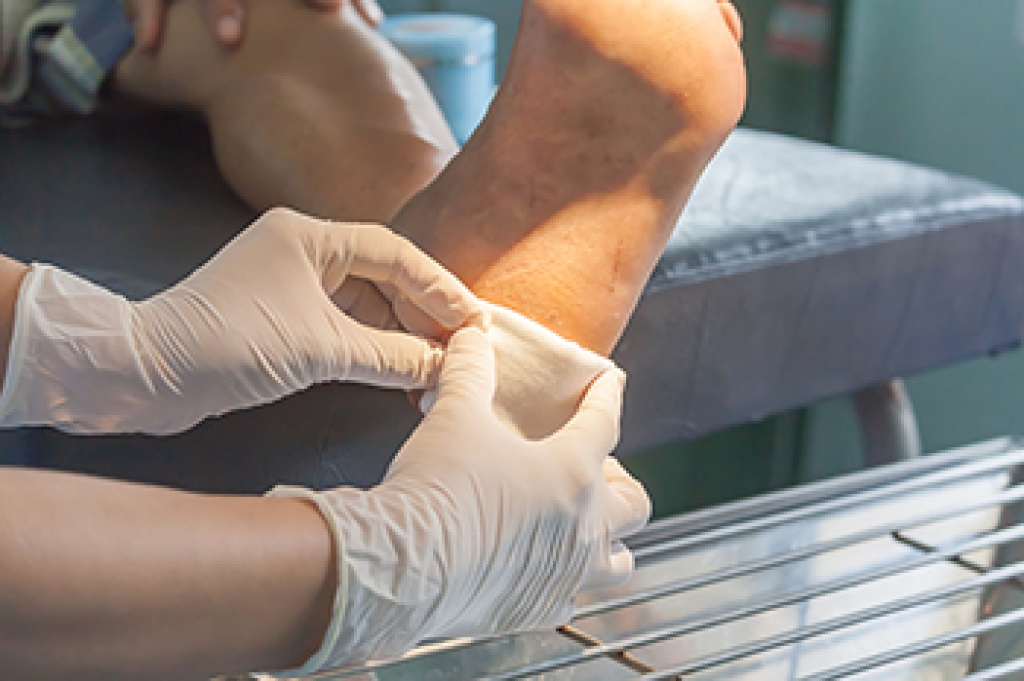
Infected foot wounds often arise from cuts, scrapes, or punctures that become contaminated with bacteria. Common causes include stepping on a sharp object, improper wound care, and existing medical conditions like diabetes that impair healing. Symptoms of an infected foot wound can vary but typically include increased pain, redness, and swelling around the wound site. The area may feel warm to the touch, and pus or other drainage may be present. More severe infections can lead to fever, chills, and swollen lymph nodes. It is essential to recognize these signs early and seek medical attention promptly to prevent the infection from spreading. Proper wound care, including cleaning, applying antiseptics, and covering with sterile dressings, plays a critical role in combating infections and promoting healing. If you have a wound on your foot, it is strongly suggested that you are under the care of a podiatrist who can effectively treat various types of foot wounds.
Wound care is an important part in dealing with diabetes. If you have diabetes and a foot wound or would like more information about wound care for diabetics, consult with Dr. Yeon A. Shim from Roselle Podiatry Group. Our doctor will assess your condition and provide you with quality foot and ankle treatment.
What Is Wound Care?
Wound care is the practice of taking proper care of a wound. This can range from the smallest to the largest of wounds. While everyone can benefit from proper wound care, it is much more important for diabetics. Diabetics often suffer from poor blood circulation which causes wounds to heal much slower than they would in a non-diabetic.
What Is the Importance of Wound Care?
While it may not seem apparent with small ulcers on the foot, for diabetics, any size ulcer can become infected. Diabetics often also suffer from neuropathy, or nerve loss. This means they might not even feel when they have an ulcer on their foot. If the wound becomes severely infected, amputation may be necessary. Therefore, it is of the upmost importance to properly care for any and all foot wounds.
How to Care for Wounds
The best way to care for foot wounds is to prevent them. For diabetics, this means daily inspections of the feet for any signs of abnormalities or ulcers. It is also recommended to see a podiatrist several times a year for a foot inspection. If you do have an ulcer, run the wound under water to clear dirt from the wound; then apply antibiotic ointment to the wound and cover with a bandage. Bandages should be changed daily and keeping pressure off the wound is smart. It is advised to see a podiatrist, who can keep an eye on it.
If you have any questions please contact our office located in Roselle, NJ . We offer the newest diagnostic and treatment technologies for all your foot and ankle needs.

Have you noticed a bony protrusion on the side of your big toe? If so, you may have developed the foot condition known as a bunion. Don't let bunions interfere with your daily activities.

