Blog

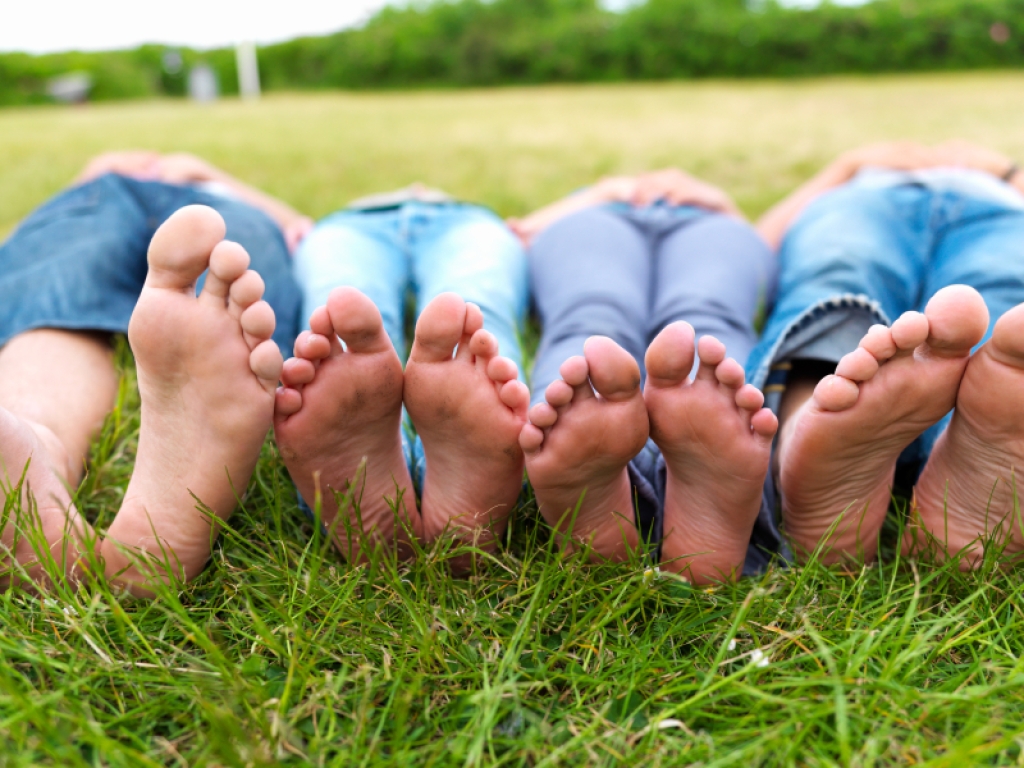
Key Things About Children’s Foot Health

The most essential aspect of children's foot health is ensuring proper growth and development. As children grow, their feet are vulnerable to various deformities and conditions due to the flexibility of the bones and the rapid rate of growth. Proper footwear, timely detection of abnormalities, and addressing any concerns early on are paramount. Wearing ill-fitting shoes, neglecting foot-related symptoms, or overlooking structural abnormalities can lead to long-term issues affecting their gait, posture, and overall musculoskeletal health. As your child grows, it is suggested that you schedule regular checkups with a podiatrist as their feet are the foundation of their overall health, mobility, and well-being as they mature.

Making sure that your children maintain good foot health is very important as they grow. If you have any questions, contact Dr. Yeon A. Shim of Roselle Podiatry Group. Our doctor can provide the care you need to keep you pain-free and on your feet.

Keeping Children's Feet Healthy

Having healthy feet during childhood can help prevent medical problems later in life, namely in the back and legs. As children grow, their feet require different types of care. Here are some things to consider...

Although babies do not walk yet, it is still very important to take care of their feet.

Avoid putting tight shoes or socks on his or her feet.

Allow the baby to stretch and kick his or her feet to feel comfortable.

As a toddler, kids are now on the move and begin to develop differently. At this age, toddlers are getting a feel for walking, so don’t be alarmed if your toddler is unsteady or ‘walks funny’. 

As your child gets older, it is important to teach them how to take care of their feet.

Show them proper hygiene to prevent infections such as fungus.

Be watchful for any pain or injury.

Have all injuries checked by a doctor as soon as possible.

Comfortable, protective shoes should always be worn, especially at play.

If you have any questions, please feel free to contact our office located in Roselle, NJ . We offer the newest diagnostic and treatment technologies for all your foot care needs.

Read more about What to Do to Keep Your Child’s Feet Healthy

Foot Care Tips for Diabetics

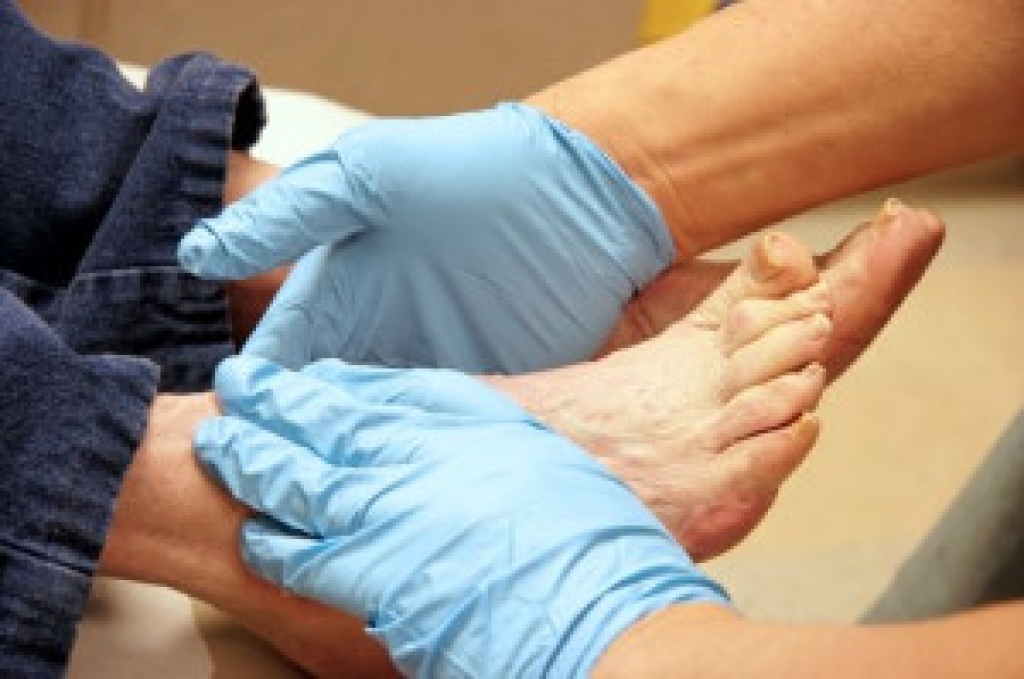
Diabetics should make it a habit to thoroughly inspect their feet daily. Pay close attention to the gaps between your toes, the soles of your feet, and your toenails. If you notice any wounds, sores, or abnormalities, consult a podiatrist promptly. Choosing well-fitting shoes and socks is vital. Ill-fitting footwear can lead to discomfort and potentially dangerous issues, especially for those with diabetic neuropathy, which causes reduced sensation in the feet. People with neuropathy may not feel the pain of a foot sore, leading to wound neglect and infection. Regularly wash your feet with warm water to keep them clean and free from dirt and pathogens. Dry them thoroughly and apply a mild moisturizer to the soles and the tops of your feet, excluding the gaps between your toes. Avoid going barefoot, even at home. Wear shoes outdoors and opt for socks when indoors to protect your feet from injury. Incorporate daily physical activity, such as walking, to boost blood circulation to your legs and feet and help to prevent diabetic neuropathy. Trim your toenails or trim them with extreme caution to avoid injuries, ingrown nails, or skin chipping. Neglected wounds can escalate to gangrene, a severe condition that may necessitate amputation. It is suggested that you make a podiatrist a part of your medical team to regularly monitor your feet' health.

Diabetic foot care is important in preventing foot ailments such as ulcers. If you are suffering from diabetes or have any other concerns about your feet, contact Dr. Yeon A. Shim from Roselle Podiatry Group. Our doctor can provide the care you need to keep you pain-free and on your feet.

Diabetic Foot Care

Diabetes affects millions of people every year. The condition can damage blood vessels in many parts of the body, especially the feet. Because of this, taking care of your feet is essential if you have diabetes, and having a podiatrist help monitor your foot health is highly recommended.

The Importance of Caring for Your Feet

  • Routinely inspect your feet for bruises or sores.
  • Wear socks that fit your feet comfortably.
  • Wear comfortable shoes that provide adequate support.

Patients with diabetes should have their doctor monitor their blood levels, as blood sugar levels play such a huge role in diabetic care. Monitoring these levels on a regular basis is highly advised.

It is always best to inform your healthcare professional of any concerns you may have regarding your feet, especially for diabetic patients. Early treatment and routine foot examinations are keys to maintaining proper health, especially because severe complications can arise if proper treatment is not applied.

If you have any questions, please feel free to contact our office located in Roselle, NJ . We offer the newest diagnostic and treatment technologies for all your foot care needs.

Read more about How to Care for Diabetic Foot

Common Basketball Injuries

With the physical demands of basketball, players are constantly at risk of injuries. Among these, ankle injuries are the most common for basketball players. Others basketball-related injuries include sprains, fractures, impingement, and Achilles tendon problems. Basketball demands repetitive jumping, rapid changes in motion, and explosive movements, all of which make a player prone to musculoskeletal injuries. Ankle injuries alone account for nearly a quarter of all basketball-related injuries. Sprained ankles occur when the ligaments that support the ankle are stretched or torn, often due to sudden changes in direction or landing improperly from a jump. Fractured ankles happen when the bones in the ankle, such as the tibia, fibula, or talus, break. They are often a result of high-impact collisions or awkward landings. Ankle impingement occurs when soft tissues, such as tendons or ligaments, become compressed within the ankle joint. This can lead to pain and a limited range of motion. The Achilles tendon, which connects the calf muscles to the heel bone, can be especially vulnerable in basketball. Overuse, sudden acceleration, or deceleration can lead to such injuries as tendonitis or ruptures. If you or your child regularly plays basketball and ankle problems have developed, it is suggested that you make an appointment with a podiatrist. 

Sports related foot and ankle injuries require proper treatment before players can go back to their regular routines. For more information, contact Dr. Yeon A. Shim of Roselle Podiatry Group. Our doctor can provide the care you need to keep you pain-free and on your feet.

Sports Related Foot and Ankle Injuries

Foot and ankle injuries are a common occurrence when it comes to athletes of any sport. While many athletes dismiss the initial aches and pains, the truth is that ignoring potential foot and ankle injuries can lead to serious problems. As athletes continue to place pressure and strain the area further, a mild injury can turn into something as serious as a rupture and may lead to a permanent disability. There are many factors that contribute to sports related foot and ankle injuries, which include failure to warm up properly, not providing support or wearing bad footwear. Common injuries and conditions athletes face, including:

  • Plantar Fasciitis
  • Achilles Tendinitis
  • Achilles Tendon Rupture
  • Ankle Sprains

Sports related injuries are commonly treated using the RICE method. This includes rest, applying ice to the injured area, compression and elevating the ankle. More serious sprains and injuries may require surgery, which could include arthroscopic and reconstructive surgery. Rehabilitation and therapy may also be required in order to get any recovering athlete to become fully functional again. Any unusual aches and pains an athlete sustains must be evaluated by a licensed, reputable medical professional.

If you have any questions please contact our office located in Roselle, NJ . We offer the newest diagnostic and treatment technologies for all your foot and ankle needs.

Read more about Sports Related Foot and Ankle Injuries

Do Your Child's Feet Hurt?

Have your child's feet been examined lately? Healthy feet are happy feet. If your child is complaining of foot pain, it may be a sign of underlying problems.

Treatment for Cracked Heels

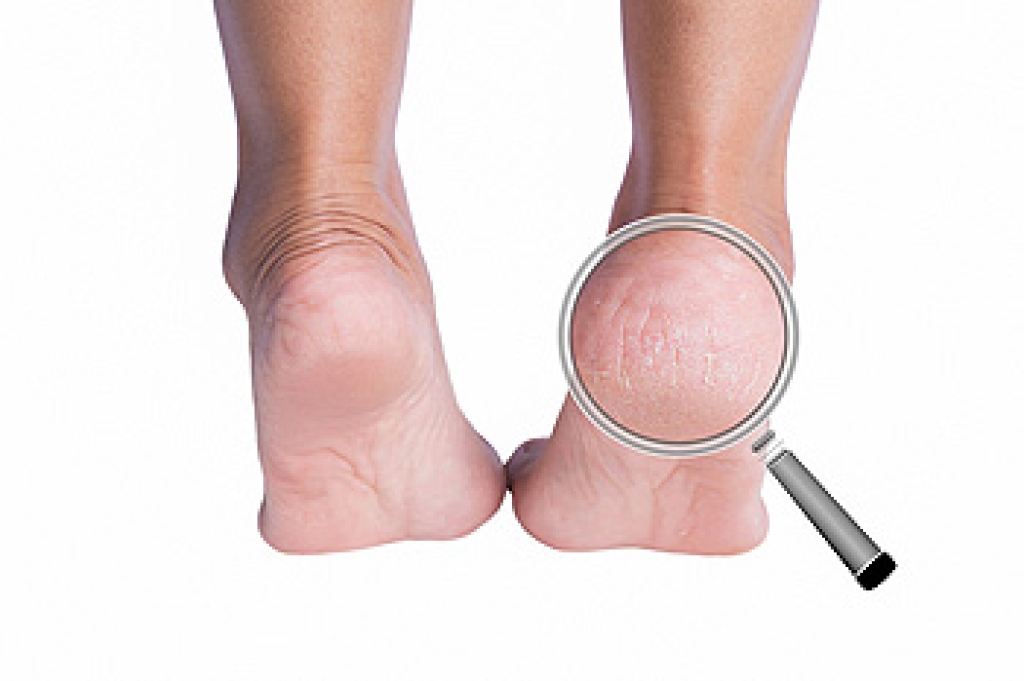
Cracked heels are a common foot condition characterized by the splitting of dry, thick skin on the heels. When only the outer layer of skin is affected, it may not be painful but can be uncomfortable. In more severe cases, the cracks can extend into the healthy skin, causing pain, bleeding, and infection risk. Several factors contribute to cracked heels, including prolonged standing, wearing unsupportive footwear, and biomechanical issues. Additionally, taking hot showers, increase in weight, and medical conditions such as diabetes may contribute to developing cracked heels. They are often more prevalent in the summer due to wearing open-back shoes and warm weather. Symptoms of cracked heels often include discomfort, pain while standing, itchiness, and dry, white skin on the heels. Treatment involves removing the dry skin, addressing underlying problems or infections, and preventing recurrence. Prevention strategies include regular callus removal, daily moisturizing, and wearing appropriate footwear. If you are suffering from cracked heels and they are not responding to everyday foot care, it is suggested that you consult a podiatrist for a specialized treatment plan.

Cracked heels are unsightly and can cause further damage to your shoes and feet. If you have any concerns, contact Dr. Yeon A. Shim from Roselle Podiatry Group. Our doctor can provide the care you need to keep you pain-free and on your feet.

Cracked Heels

Cracked heels appear unappealing and can make it harder for you walk around in sandals. Aside from looking unpleasant, cracked heels can also tear stockings, socks, and wear out your shoes. There are several methods to help restore a cracked heel and prevent further damage.

How Do You Get Them?

Dry skin is the number one culprit in creating cracked heels. Many athletes, walkers, joggers, and even swimmers suffer from cracked heels. Age and skin oil production play a role to getting cracked heels as well.

Promote Healing

Over the counter medicines can help, especially for those that need instant relief or who suffer from chronic dry feet.

Wear Socks – Wearing socks with medicated creams helps lock in moisture.

Moisturizers – Applying both day and night will help alleviate dryness which causes cracking.

Pumice Stones – These exfoliate and remove dead skin, which allows for smoother moisturizer application and better absorption into the skin. 

Change in Diet

Eating healthy with a well-balanced diet will give the skin a fresh and radiant look. Your body responds to the kinds of food you ingest. Omega-3 fatty acids and zinc supplements can also revitalize skin tissue.

Most importantly, seek professional help if unsure how to proceed in treating cracked heels. A podiatrist will help you with any questions or information needed. 

If you have any questions, please feel free to contact our office located in Roselle, NJ . We offer the newest diagnostic and treatment technologies for all your foot care needs.
Read more about Solutions for Cracked Heels
scroll to top