Blog

Teenagers and Sever's Disease

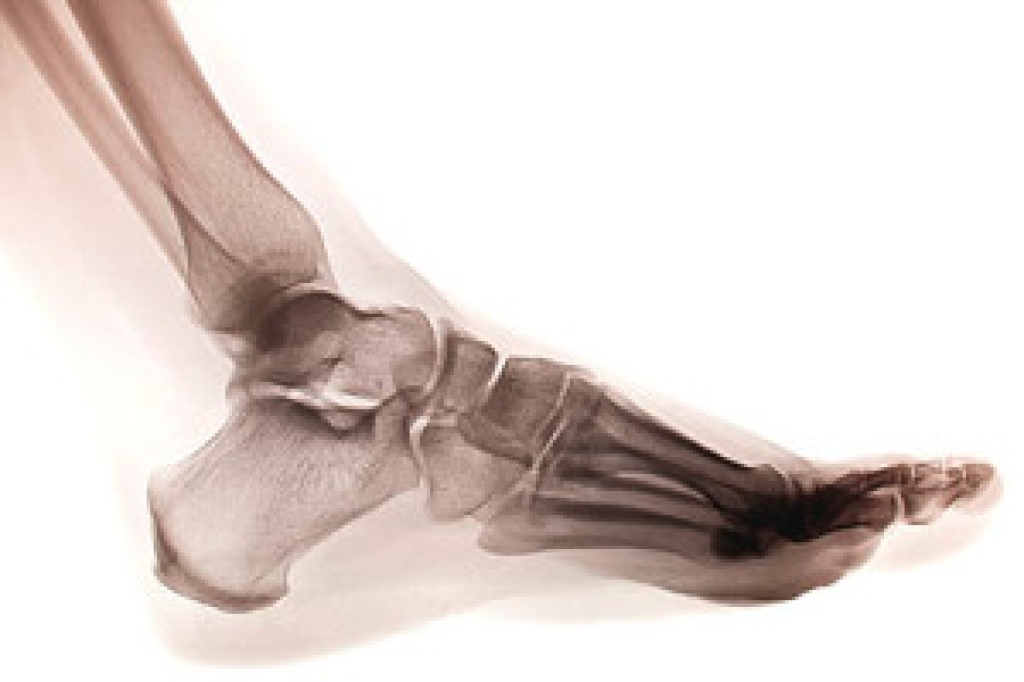
The medical condition that is referred to as Calcaneal Apophysitis is commonly known as Sever's disease. This disease occurs when the growth plate in the heel becomes swollen, and typically affects teenagers who participate in sporting activities. As growing occurs, muscles and tendons can put strain and pressure on the heel, possibly causing swelling and tenderness. An initial step in beginning treatment of this condition is to look out for high arches or flat feet that may be present. This may affect the way walking is done, and can be important to know so proper treatment techniques can begin. Mild relief may be found when gentle exercises are frequently performed that can promote mobility. Additionally, it may be beneficial to wear orthotics, as this may aid in the treatment of Sever's disease. If your child is suffering from this condition, it is strongly advised that you consult with a podiatrist who can properly diagnosis and treat this condition.

Sever's disease often occurs in children and teens. If your child is experiencing foot or ankle pain, see Dr. Yeon A. Shim from Roselle Podiatry Group. Our doctor can treat your child’s foot and ankle needs.

Sever’s Disease

Sever’s disease is also known as calcaneal apophysitis, which is a medical condition that causes heel pain I none or both feet. The disease is known to affect children between the ages of 8 and 14.

Sever’s disease occurs when part of the child’s heel known as the growth plate (calcaneal epiphysis) is attached to the Achilles tendon. This area can suffer injury when the muscles and tendons of the growing foot do not keep pace with bone growth. Therefore, the constant pain which one experiences at the back of the heel will make the child unable to put any weight on the heel. The child is then forced to walk on their toes.

Symptoms

Acute pain – Pain associated with Sever’s disease is usually felt in the heel when the child engages in physical activity such as walking, jumping and or running.

Highly active – Children who are very active are among the most susceptible in experiencing Sever’s disease, because of the stress and tension placed on their feet.

If you have any questions, please feel free to contact our office located in Roselle, NJ . We offer the newest diagnostic and treatment technologies for all your foot care needs.
Read more about Sever's Disease

Possible Causes of Poor Circulation

Research has indicated that if you have poor circulation in your feet, it may be indicative of other medical conditions. These may include diabetes, heart conditions, and obesity. It is defined as restricted blood flow to the lower extremities, and there are often noticeable symptoms that are associated with this condition. These can consist of numbness, tingling, and muscle cramps, in addition to pain and discomfort. Nerve damage can possibly be caused by poor circulation, in addition to varicose veins and blood clots. Patients may find relief when specific exercises are performed, and compression stockings are worn that are designed for painful, swollen legs. If you feel you have symptoms of this condition, it is advised that you consult with a podiatrist to learn about the best treatment options for you.

Poor circulation is a serious condition and needs immediate medical attention. If you have any concerns with poor circulation in your feet contact Dr. Yeon A. Shim of Roselle Podiatry Group. Our doctor will treat your foot and ankle needs.

Poor Circulation in the Feet

Poor blood circulation in the feet and legs is can be caused by peripheral artery disease (PAD), which is the result of a buildup of plaque in the arteries.

Plaque buildup or atherosclerosis results from excess calcium and cholesterol in the bloodstream. This can restrict the amount of blood which can flow through the arteries. Poor blood circulation in the feet and legs are sometimes caused by inflammation in the blood vessels, known as vasculitis.

Causes

Lack of oxygen and oxygen from poor blood circulation restricts muscle growth and development. It can also cause:

  • Muscle pain, stiffness, or weakness 
  • Numbness or cramping in the legs
  • Skin discoloration
  • Slower nail & hair growth
  • Erectile dysfunction

Those who have diabetes or smoke are at greatest risk for poor circulation, as are those who are over 50. If you have poor circulation in the feet and legs it may be caused by PAD and is important to make changes to your lifestyle in order to reduce risk of getting a heart attack or stroke. Exercise and maintaining a healthy lifestyle will dramatically improve conditions.

As always, see a podiatrist as he or she will assist in finding a regimen that suits you. A podiatrist can also prescribe you any needed medication. 

If you have any questions, please feel free to contact our office located in Roselle, NJ . We offer the newest diagnostic and treatment technologies for all your foot care needs.
Read more about Causes Symptoms and Treatment for Poor Circulation in the Feet

It's Time for Beautiful Feet

You don't need an excuse to have beautiful nails. Step outside without worrying about the appearance of your feet.

Different Types of Arthritis in the Feet

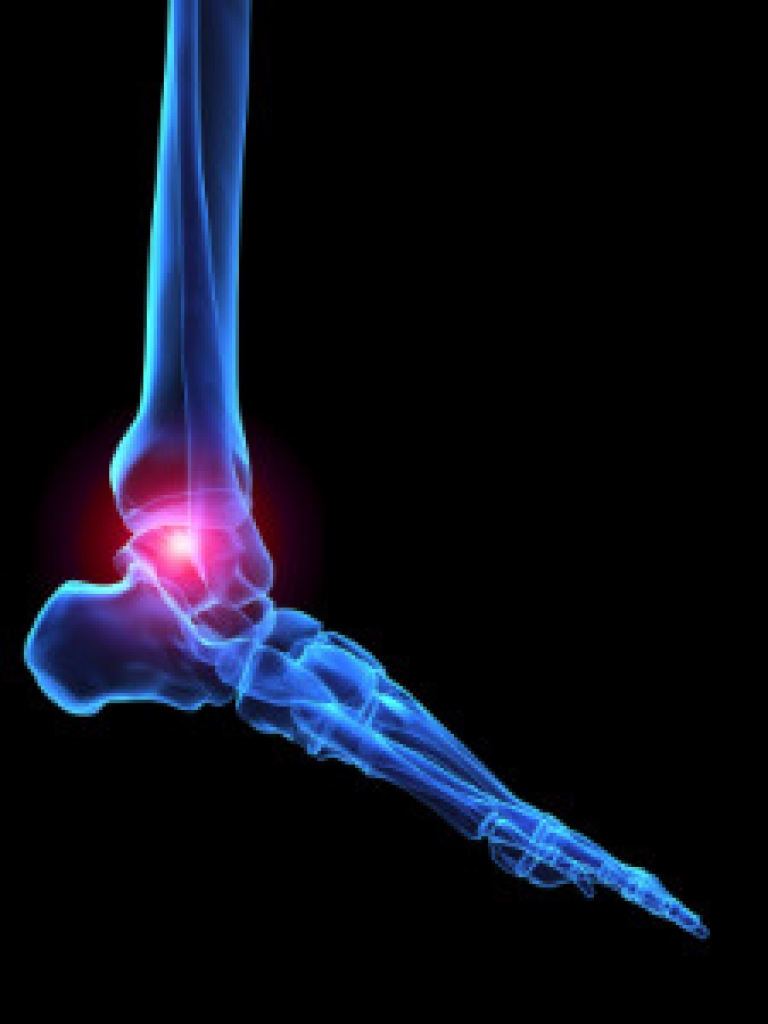
If arthritis is present in the feet, it may change the way an individual walks. This condition affects the joints in the feet, and it may be difficult to walk on specific surfaces. There are a variety of reasons why this ailment may occur. These can consist of injuries that have occurred to the foot, existing structural problems, or genetic factors. One of the most common forms of arthritis in the feet is known as osteoarthritis, and this typically affects older people. Additional types of arthritis can include gout and rheumatoid arthritis. The symptoms that are often associated with this condition can consist of limited mobility in the joints, severe pain and discomfort, and the affected area of the foot may feel warm and appear red. Moderate relief may be felt when the proper shoes are worn. These can include choosing shoes that have ample room for the toes to move freely in, and it is beneficial to wear shoes that have an enclosed heel. This can help to provide maximum support and stability. If you are afflicted with arthritic feet, it is strongly suggested that you seek the advice of a podiatrist who can guide you toward proper treatment options.

Arthritis can be a difficult condition to live with. If you are seeking treatment, contact Dr. Yeon A. Shim from Roselle Podiatry Group. Our doctor can provide the care you need to keep you pain-free and on your feet.

Arthritic Foot Care  

Arthritis is a term that is commonly used to describe joint pain.  The condition itself can occur to anyone of any age, race, or gender, and there are over 100 types of it.  Nevertheless, arthritis is more commonly found in women compared to men, and it is also more prevalent in those who are overweight. The causes of arthritis vary depending on which type of arthritis you have. Osteoarthritis for example, is often caused by injury, while rheumatoid arthritis is caused by a misdirected immune system.

Symptoms

  • Swelling
  • Pain
  • Stiffness
  • Decreased Range of Motion

Arthritic symptoms range in severity, and they may come and go. Some symptoms stay the same for several years but could potentially get worse with time. Severe cases of arthritis can prevent its sufferers from performing daily activities and make walking difficult.

Risk Factors

  • Occupation – Occupations requiring repetitive knee movements have been linked to osteoarthritis
  • Obesity – Excess weight can contribute to osteoarthritis development
  • Infection – Microbial agents can infect the joints and trigger arthritis
  • Joint Injuries – Damage to joints may lead to osteoarthritis
  • Age – Risk increases with age
  • Gender –Most types are more common in women
  • Genetics – Arthritis can be hereditary

If you suspect your arthritis is affecting your feet, it is crucial that you see a podiatrist immediately. Your doctor will be able to address your specific case and help you decide which treatment method is best for you.

If you have any questions please feel free to contact our office located in Roselle, NJ . We offer the newest diagnostic tools and technology to treat your foot and ankle needs.

Read more about How to Care for Your Arthritic Foot

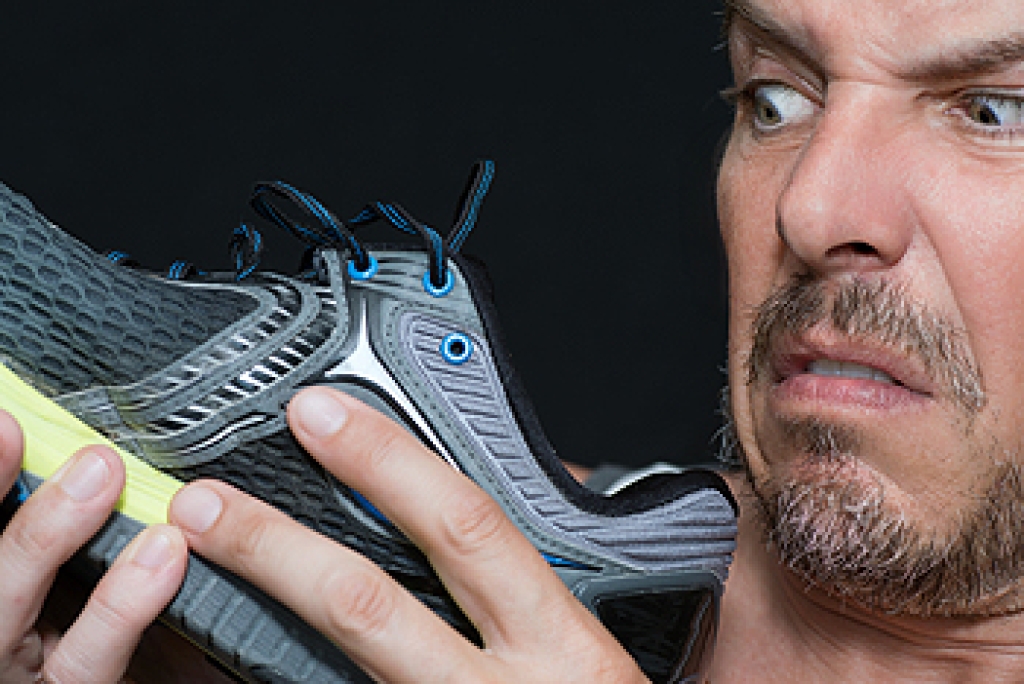
Feet That Excessively Sweat

The medical term that is known as plantar hyperhidrosis is more commonly known as feet that sweat excessively. Patients who have this condition sweat without any exertion, and it may soak through their socks and shoes. Research has indicated it may be caused by overactive sweat glands, and can worsen under stressful situations. Relief may be found if specific medications are taken, and anxiety may be controlled by psychotherapy techniques. If you suffer from this ailment, it is important that you wear shoes and socks that are made of breathable materials, in addition to airing the feet out as frequently as possible. Please consult with a podiatrist if you are afflicted with plantar hyperhidrosis, so you can learn about possible treatment options.

If you are suffering from hyperhidrosis contact Dr. Yeon A. Shim of Roselle Podiatry Group. Our doctor can provide the care you need to attend to all of your foot and ankle needs.

Hyperhidrosis of the Feet

Hyperhidrosis is a rare disorder that can cause people to have excessive sweating of their feet. This can usually occur all on its own without rigorous activity involved. People who suffer from hyperhidrosis may also experience sweaty palms.

Although it is said that sweating is a healthy process meant to cool down the body temperature and to maintain a proper internal temperature, hyperhidrosis may prove to be a huge hindrance on a person’s everyday life.

Plantar hyperhidrosis is considered to be the main form of hyperhidrosis. Secondary hyperhidrosis can refer to sweating that occurs in areas other than the feet or hands and armpits. Often this may be a sign of it being related to another medical condition such as menopause, hyperthyroidism and even Parkinson’s disease.

In order to alleviate this condition, it is important to see your doctor so that they may prescribe the necessary medications so that you can begin to live a normal life again. If this is left untreated, it is said that it will persist throughout an individual’s life.

A last resort approach would be surgery, but it is best to speak with your doctor to find out what may be the best treatment for you.

If you have any questions, please feel free to contact our office located in Roselle, NJ . We offer the newest diagnostic and treatment technologies for all your foot care needs.
Read more about Hyperhidrosis of the Feet
scroll to top