Blog

Preventing Foot Pain When Running

If you enjoy running, keeping your feet healthy will ensure that you can keep running and do so pain-free. Maintaining the strength of all the muscles in the foot is important in preventing pain while running. Do some simple exercises regularly to help build strong feet, which in turn will keep the foot and ankle in better alignment and reduce the risk of injury leading to foot pain. Wear comfortable shoes that fit well and that have proper support. Running shoes should be replaced regularly. Rotate running shoes so that the same areas of the feet, ankles, and legs are not repeatedly stressed. Do not try to do too much, too fast. Listen to your body and slowly build up speed and distance. Have rest days. Practicing good foot health will not guarantee freedom from running injuries but may help prevent them and make healing easier. If you feel pain while running, it is important to visit a podiatrist and get an expert’s diagnosis of the discomfort and advice on how to properly treat the problem.

Sports related foot and ankle injuries require proper treatment before players can go back to their regular routines. For more information, contact Dr. Yeon A. Shim of Roselle Podiatry Group. Our doctor can provide the care you need to keep you pain-free and on your feet.

Sports Related Foot and Ankle Injuries

Foot and ankle injuries are a common occurrence when it comes to athletes of any sport. While many athletes dismiss the initial aches and pains, the truth is that ignoring potential foot and ankle injuries can lead to serious problems. As athletes continue to place pressure and strain the area further, a mild injury can turn into something as serious as a rupture and may lead to a permanent disability. There are many factors that contribute to sports related foot and ankle injuries, which include failure to warm up properly, not providing support or wearing bad footwear. Common injuries and conditions athletes face, including:

  • Plantar Fasciitis
  • Achilles Tendinitis
  • Achilles Tendon Rupture
  • Ankle Sprains

Sports related injuries are commonly treated using the RICE method. This includes rest, applying ice to the injured area, compression and elevating the ankle. More serious sprains and injuries may require surgery, which could include arthroscopic and reconstructive surgery. Rehabilitation and therapy may also be required in order to get any recovering athlete to become fully functional again. Any unusual aches and pains an athlete sustains must be evaluated by a licensed, reputable medical professional.

If you have any questions please contact our office located in Roselle, NJ . We offer the newest diagnostic and treatment technologies for all your foot and ankle needs.

Read more about Sports Related Foot and Ankle Injuries

It's Time for Beautiful Feet

You don't need an excuse to have beautiful nails. Step outside without worrying about the appearance of your feet.

Pointing and Flexing the Feet

There are specific foot stretches which may help to loosen tight calf muscles, relieve arch cramps, and lessen heel pain. Little or no stretching may result in restricted mobility, and the risk of ripping, tearing, or straining a muscle may increase. Pointing and flexing the feet will successfully stretch the soles of the feet and strengthen the calves. It is important to note that while flexing the foot, it is beneficial to lead with the heel which can help to stretch the calf muscles. Additionally, while pointing the feet, it is more effective when the top of the arch is lengthened and pulled away from the body. When the feet are frequently stretched, chronic foot pain problems may be diminished, and the risk of getting foot and ankle injuries may be reduced. If you would like to know more about how to correctly stretch the feet, please speak with a podiatrist. 

Why Stretching Is Important for Your Feet

Stretching the feet is a great way to prevent injuries. If you have any concerns with your feet consult with Dr. Yeon A. Shim from Roselle Podiatry Group. Our doctor will assess your condition and provide you with quality foot and ankle treatment.

Stretching the Feet

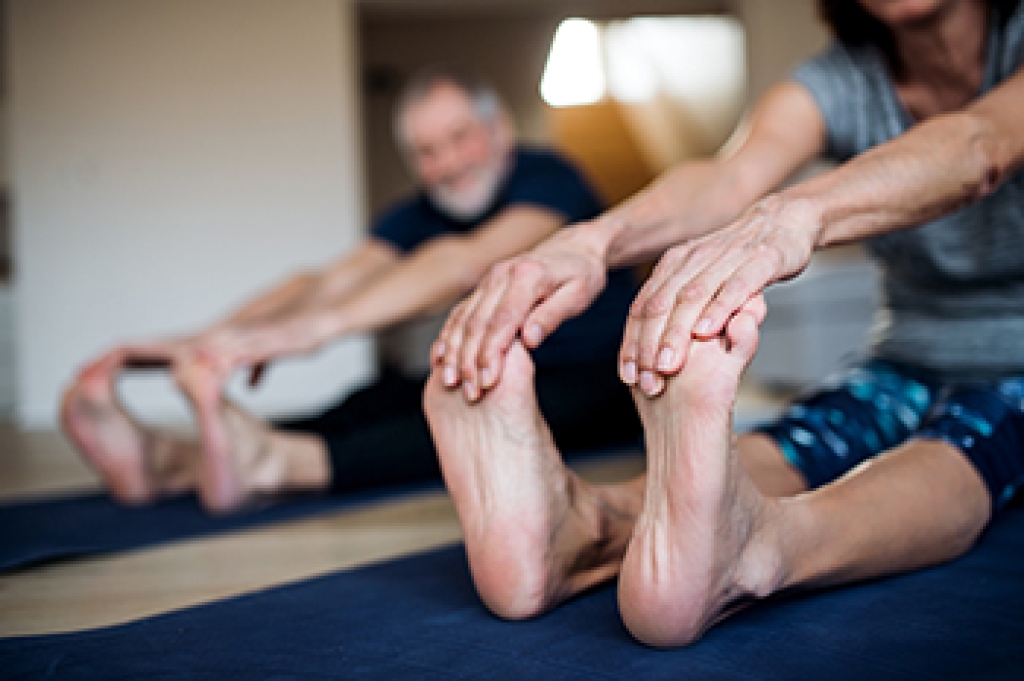
Stretching the muscles in the foot is an important part in any physical activity. Feet that are tight can lead to less flexibility and make you more prone to injury. One of the most common forms of foot pain, plantar fasciitis, can be stretched out to help ease the pain. Stretching can not only ease pain from plantar fasciitis but also prevent it as well. However, it is important to see a podiatrist first to determine if stretching is right for you. Podiatrists can also recommend other ways to stretch your feet. Once you know whether stretching is right for you, here are some excellent stretches you can do.

  • Using a foam roller or any cylindrical object (a water bottle or soda can will do), roll the object under your foot back and forth. You should also exert pressure on the object. Be sure to do this to both feet for a minute. Do this exercise three times each.
  • Similar to the previous exercise, take a ball, such as a tennis ball, and roll it under your foot while seated and exert pressure on it.
  • Grab a resistance band or towel and take a seat. If you are using a towel, fold it length wise. Next put either one between the ball of your foot and heel and pull with both hands on each side towards you. Hold this for 15 seconds and then switch feet. Do this three times for each foot.
  • Finally hold your big toe while crossing one leg over the other. Pull the toe towards you and hold for 15 seconds. Once again do this three times per foot.

It is best to go easy when first stretching your foot and work your way up. If your foot starts hurting, stop exercising to ice and rest the foot. It is advised that you then see a podiatrist for help.

If you have any questions please contact our office located in Roselle, NJ . We offer the newest diagnostic and treatment technologies for all your foot and ankle needs.
Read more about How to Stretch Your Feet

Children Can Experience Heel Pain Too

It may be difficult for you to know if your child is having heel pain, because it isn’t often associated with children. However, certain conditions that cause heel pain can afflict the young, even if they don’t know how to properly communicate their distress. Sever’s disease, for instance, is a form of heel pain that stems from irritation to the growth plate in the heels of growing children. Children can also develop plantar fasciitis from overuse of the heel or by wearing shoes that don’t fit. This condition is a painful inflammation of the plantar fascia tissue where it connects to the heel on the sole of the feet. Active children can also develop tiny stress fractures of the heel bone which can occur gradually over time and be quite painful. There are certain clues your child’s condition may provide, if you know what to look for. If your child limps or changes the way they walk or run, cuts back on physical activities, complains that their feet or heels feel odd or stiff, or that something is stuck in their shoe, they may have a painful heel condition. It is suggested to make an appointment for your child with a podiatrist to have your child’s condition diagnosed and treated properly. 

Making sure that your children maintain good foot health is very important as they grow. If you have any questions, contact Dr. Yeon A. Shim of Roselle Podiatry Group. Our doctor can provide the care you need to keep you pain-free and on your feet.

Keeping Children's Feet Healthy

Having healthy feet during childhood can help prevent medical problems later in life, namely in the back and legs. As children grow, their feet require different types of care. Here are some things to consider...

Although babies do not walk yet, it is still very important to take care of their feet.

Avoid putting tight shoes or socks on his or her feet.

Allow the baby to stretch and kick his or her feet to feel comfortable.

As a toddler, kids are now on the move and begin to develop differently. At this age, toddlers are getting a feel for walking, so don’t be alarmed if your toddler is unsteady or ‘walks funny’. 

As your child gets older, it is important to teach them how to take care of their feet.

Show them proper hygiene to prevent infections such as fungus.

Be watchful for any pain or injury.

Have all injuries checked by a doctor as soon as possible.

Comfortable, protective shoes should always be worn, especially at play.

If you have any questions, please feel free to contact our office located in Roselle, NJ . We offer the newest diagnostic and treatment technologies for all your foot care needs.

Read more about What to Do to Keep Your Child’s Feet Healthy

Can Stretches Help Hammertoe?

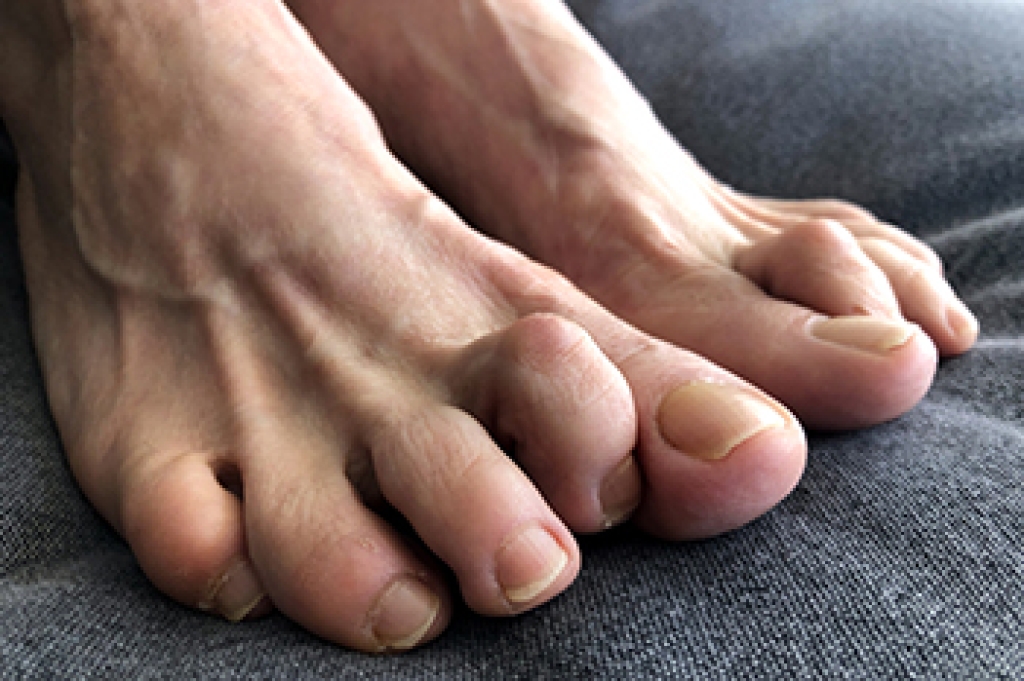
The foot condition that is known as hammertoe is considered to be a physical deformity. It can develop as a result of wearing shoes that are too narrow or it may form due to genetic reasons. It is defined as the second toe bending at the middle joint, causing it to face downward. The toe may shift toward the other toes, which may force them to bend or overlap. Research has indicated this deformity is caused by shortened muscles that are inside the toes, and this can prompt limited extending. There are stretches that can help to relieve the discomfort from hammertoe and this can be instrumental in regaining structure and movement. Additionally, it is beneficial to wear shoes that have adequate room for the toes to move freely in. In severe cases, surgery may be necessary for permanent straightening. If you have developed a hammertoe, it is suggested that you confer with a podiatrist who can choose the best treatment option for you.

Hammertoes can be a painful condition to live with. For more information, contact Dr. Yeon A. Shim of Roselle Podiatry Group. Our doctor will answer any of your foot- and ankle-related questions.

Hammertoe

Hammertoe is a foot deformity that occurs due to an imbalance in the muscles, tendons, or ligaments that normally hold the toe straight. It can be caused by the type of shoes you wear, your foot structure, trauma, and certain disease processes.

Symptoms

  • Painful and/or difficult toe movement
  • Swelling
  • Joint stiffness
  • Calluses/Corns
  • Physical deformity

Risk Factors

  • Age – The risk of hammertoe increases with age
  • Sex – Women are more likely to have hammertoe compared to men
  • Toe Length – You are more likely to develop hammertoe if your second toe is longer than your big toe
  • Certain Diseases – Arthritis and diabetes may make you more likely to develop hammertoe

Treatment

If you have hammertoe, you should change into a more comfortable shoe that provides enough room for your toes. Exercises such as picking up marbles may strengthen and stretch your toe muscles. Nevertheless, it is important to seek assistance from a podiatrist in order to determine the severity of your hammertoe and see which treatment option will work best for you.

If you have any questions, please feel free to contact our office located in Roselle, NJ . We offer the newest diagnostic and treatment technologies for all your foot care needs.

Read more about Hammertoe
scroll to top