Blog

Ankle Sprains and Anatomy

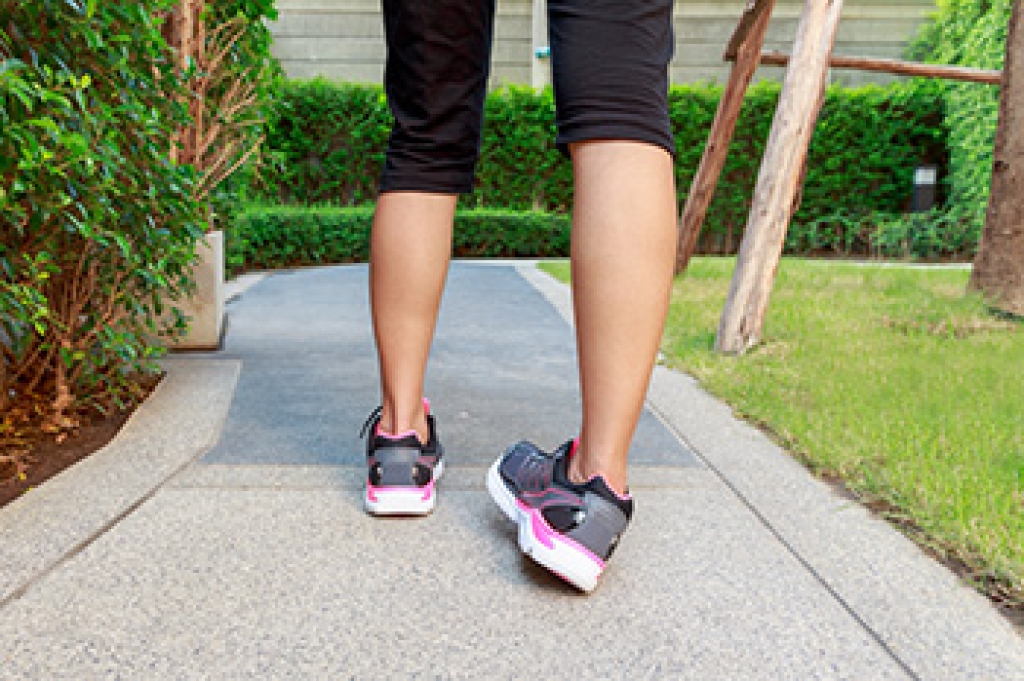
An ankle sprain occurs when the ligaments surrounding the ankle joint are overstretched or torn, resulting in pain and swelling. The ankle is made up of three bones which are the tibia, fibula, and talus, and held together by ligaments that provide stability. The most common ligaments involved in an ankle sprain are the anterior talofibular ligament and the calcaneofibular ligament. These ligaments help stabilize the ankle during movement. An ankle sprain typically happens when the foot twists or rolls in an unnatural direction, often during activities like running, jumping, or sports. Causes can include walking or running on uneven surfaces, sudden changes in direction, or wearing improper footwear. Symptoms include pain, swelling, bruising, and difficulty moving the foot or bearing weight. If you have sprained your ankle, it is suggested that you promptly schedule an appointment with a podiatrist who can provide an accurate diagnosis and effective treatment.

Although ankle sprains are common, they aren’t always minor injuries. If you need your ankle injury looked at, contact Dr. Yeon A. Shim from Roselle Podiatry Group. Our doctor can provide the care you need to keep you pain-free and on your feet.

How Does an Ankle Sprain Occur?

Ankle sprains are the result of a tear in the ligaments within the ankle. These injuries may happen when you make a rapid shifting movement while your foot is planted. A less common way to sprain your ankle is when your ankle rolls inward while your foot turns outward.

What Are the Symptoms?

  • Pain at the sight of the tear
  • Bruising/Swelling
  • Ankle area is tender to touch
  • In severe cases, may hear/feel something tear
  • Skin discoloration

Preventing a Sprain

  • Wearing appropriate shoes for the occasion
  • Stretching before exercises and sports
  • Knowing your limits

Treatment of a Sprain

In many cases, the RICE method (Rest, Ice, Compression, and Elevate) is used to treat ankle sprains. However, you should see a podiatrist to see which treatment option would work best with your injury. In severe cases, surgery may be required.

It is important to ask your doctor about rehab options after you receive treatment for your injury. Stretching, strength training, and balance exercises may help the ankle heal while also preventing further injury.

If you have any questions, please feel free to contact our office located in Roselle, NJ . We offer the newest diagnostic and treatment technologies for all your foot care needs.

Read more about Three Grades of Ankle Sprains

Saving Limbs With Diabetic Foot Care

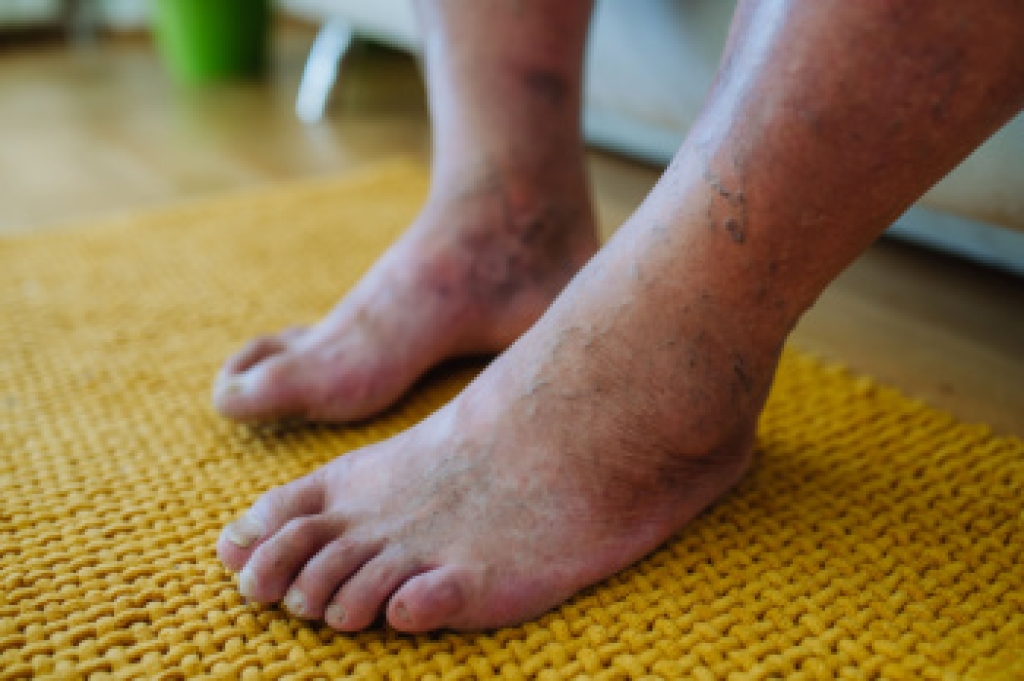
Poor diabetic foot care can lead to serious complications, including infections, ulcers, and even amputations. Individuals with diabetes often experience reduced blood flow and nerve damage, which can mask injuries and make it difficult to detect problems early. When wounds are left untreated, they can quickly become infected, leading to more severe health issues. Proper diabetic foot care is essential in preventing these complications and can significantly reduce the risk of limb loss. Regularly inspecting the feet for cuts, blisters, or changes in color, along with maintaining good hygiene and wearing appropriate footwear, can help identify potential problems early. If you have diabetes, it is strongly suggested that you are under the care of a podiatrist who can help you to manage this serious condition.

Diabetic foot care is important in preventing foot ailments such as ulcers. If you are suffering from diabetes or have any other concerns about your feet, contact Dr. Yeon A. Shim from Roselle Podiatry Group. Our doctor can provide the care you need to keep you pain-free and on your feet.

Diabetic Foot Care

Diabetes affects millions of people every year. The condition can damage blood vessels in many parts of the body, especially the feet. Because of this, taking care of your feet is essential if you have diabetes, and having a podiatrist help monitor your foot health is highly recommended.

The Importance of Caring for Your Feet

  • Routinely inspect your feet for bruises or sores.
  • Wear socks that fit your feet comfortably.
  • Wear comfortable shoes that provide adequate support.

Patients with diabetes should have their doctor monitor their blood levels, as blood sugar levels play such a huge role in diabetic care. Monitoring these levels on a regular basis is highly advised.

It is always best to inform your healthcare professional of any concerns you may have regarding your feet, especially for diabetic patients. Early treatment and routine foot examinations are keys to maintaining proper health, especially because severe complications can arise if proper treatment is not applied.

If you have any questions, please feel free to contact our office located in Roselle, NJ . We offer the newest diagnostic and treatment technologies for all your foot care needs.
Read more about Diabetic Foot Care

Heel Pain Can Be Treated!

Do you suffer from heel pain when you get up in the morning? If so, you should seek professional help and have a proper diagnosis performed. Heel pain can be caused by several different foot-related conditions.

Types and Foot Dynamics of Flat Feet

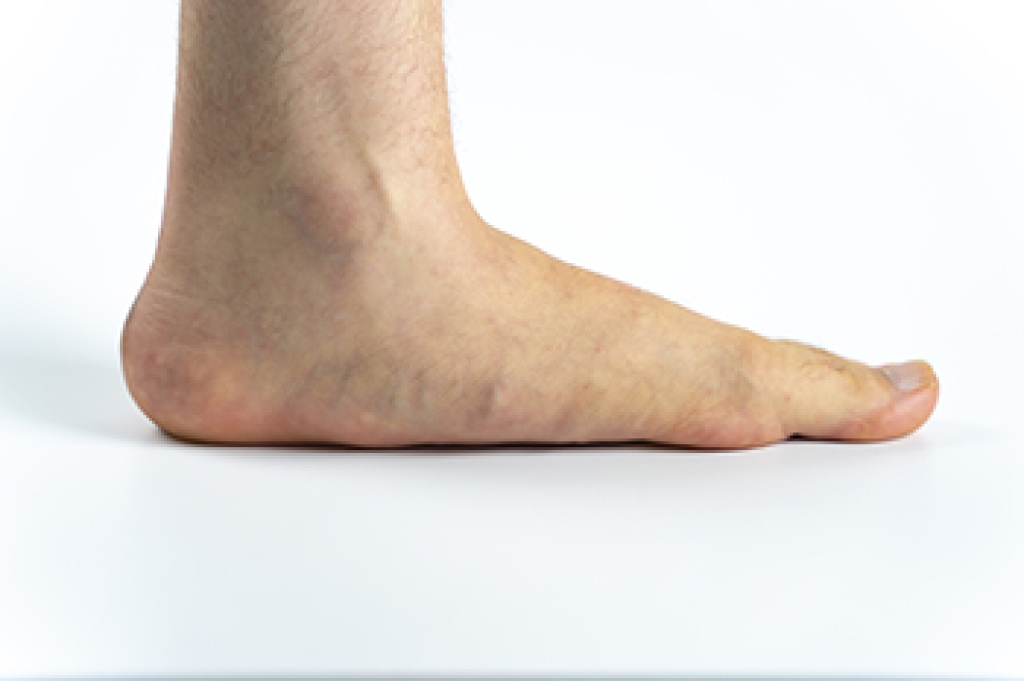
Pes planus, commonly known as flat feet, is the absence of a normal arch in the foot, causing the entire sole to make contact with the ground. This condition affects foot dynamics by altering the distribution of weight and pressure during movement, which can lead to pain and discomfort in the feet, ankles, and even knees. There are two main types of pes planus, known as flexible and fixed. Flexible flat feet allow for some arch formation when not bearing weight, while fixed flat feet maintain a flat appearance regardless of weight bearing. Individuals with pes planus may experience altered gait patterns, increasing the risk of overuse injuries. If your flat feet are causing you discomfort, it is suggested that you consult a podiatrist who can help you to manage this condition.

Flatfoot is a condition many people suffer from. If you have flat feet, contact Dr. Yeon A. Shim from Roselle Podiatry Group. Our doctor will treat your foot and ankle needs.

What Are Flat Feet?

Flatfoot is a condition in which the arch of the foot is depressed and the sole of the foot is almost completely in contact with the ground. About 20-30% of the population generally has flat feet because their arches never formed during growth.

Conditions & Problems:

Having flat feet makes it difficult to run or walk because of the stress placed on the ankles.

Alignment – The general alignment of your legs can be disrupted, because the ankles move inward which can cause major discomfort.

Knees – If you have complications with your knees, flat feet can be a contributor to arthritis in that area.  

Symptoms

  • Pain around the heel or arch area
  • Trouble standing on the tip toe
  • Swelling around the inside of the ankle
  • Flat look to one or both feet
  • Having your shoes feel uneven when worn

Treatment

If you are experiencing pain and stress on the foot you may weaken the posterior tibial tendon, which runs around the inside of the ankle. 

If you have any questions, please feel free to contact our office located in Roselle, NJ . We offer the newest diagnostic and treatment technologies for all your foot care needs.

Read more about Flatfoot

Choosing Effective Shoes for Hospital Workers

Nurses, doctors, and other healthcare workers spend long hours on their feet, which makes finding proper footwear essential for both safety and comfort. Footwear for hospital workers should provide adequate support, cushioning, and shock absorption to reduce stress on the feet, legs, and joints. Features like non-slip soles, breathability, and lightweight materials can help minimize foot pain and reduce the risk of slips, blisters, and foot fatigue. It is also important to choose shoes with proper arch support, which can help prevent plantar fasciitis as well as improve posture. A well-fitted shoe that allows for some foot swelling during long shifts is key to avoiding corns and calluses. A podiatrist can help assess your specific foot type and recommend shoes that best meet your needs, reducing the likelihood of developing foot problems. If you have foot problems related to your job in healthcare, it is suggested that you schedule an appointment with a podiatrist for an exam and treatment.

While working on the feet, it is important to take the proper care of them. For more information about working on your feet, contact Dr. Yeon A. Shim from Roselle Podiatry Group. Our doctor will treat your foot and ankle needs.

Working on Your Feet

Standing on your feet for long periods of time can cause stress and pain in your feet. Your whole body may experience change in terms of posture, back pain, bunions, callouses and or plantar warts. There are ways to avoid these conditions with proper foot care, smart choices and correct posture.

Positive Changes

Negative heeled shoe – Choosing this shoe type places the heel slightly lower than the ball of the foot. These are great for overall foot health. Find shoes that fit you correctly.

Go barefoot – Our feet were not designed to be enclosed for all hours of the day. Try to periodically expose your feet to air.

Eliminate Pain

Foot Exercises – Performing simple exercises, incorporating yoga and doing stretches are beneficial. This will allow increased blood flow to the area and muscles of the foot.

Achilles tendon – Stretching the foot out flat on the floor will relax the calf muscles and tendon. These exercises can be performed almost anywhere. Make sure you add these exercises to your daily regimen. 

With a little bit of this information and knowing more about foot health, you will notice changes. Foot stretches and proper footwear will help with pain and prevent further issues.

If you have any questions please contact our office located in Roselle, NJ . We offer the newest diagnostic and treatment technologies for all your foot and ankle needs.

Read more about How to Handle a Long Work Day on Your Feet
scroll to top