Blog

What are Achilles Tendon Injuries?

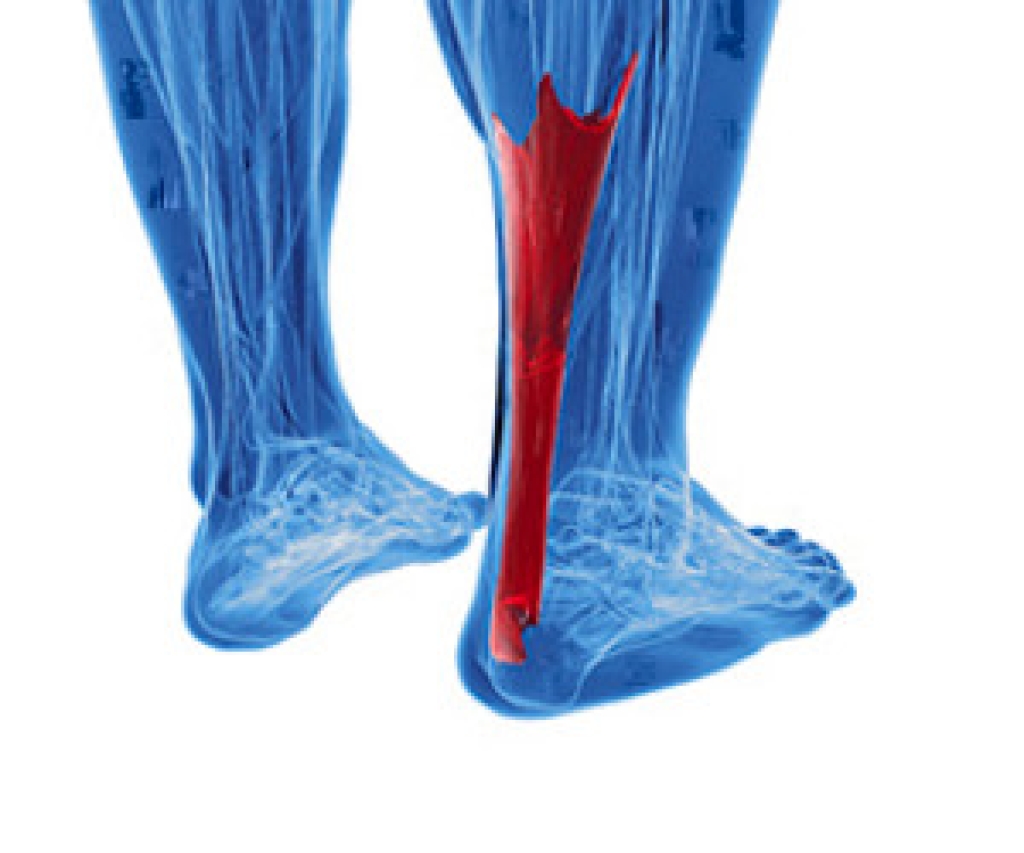
The Achilles tendon is a fibrous band of tissue that links the muscles from your calf to your heel. The flexibility of the tendon is key for jumping, running, and walking. The Achilles bears a lot of stress and pressure during everyday activities, as well as during athletic and recreational play. If it becomes inflamed, swollen or irritated, it is called tendonitis. The most common risk factors for Achilles tendon injuries are starting a new sport, an increased amount or intensity of an activity, bone spurs on the heels, tight calf muscles when starting an activity, and wearing improper shoes when exercising. Common symptoms of Achilles tendon injuries include the following: pain that gets worse while being active, a stiff/sore Achilles tendon when first getting up in the morning, thickening of the tendon, and difficulty in flexing the affected foot. Some treatment options are rest, physical therapy, specific exercises to strengthen the calf muscles, and anti-inflammatory drugs for pain relief such as ibuprofen or naproxen. An Achilles tendon injury may be prevented by stretching before exercising and by wearing the correct shoes. It may be suggested to cease exercise on uneven surfaces and stop activities that cause pain. If you have an Achilles injury or if you would like to take precautions to prevent an Achilles injury, please consult with your local podiatrist.


Achilles tendon injuries need immediate attention to avoid future complications. If you have any concerns, contact Dr. Yeon A. Shim of Roselle Podiatry Group. Our doctor can provide the care you need to keep you pain-free and on your feet.

What Is the Achilles Tendon?

The Achilles tendon is a tendon that connects the lower leg muscles and calf to the heel of the foot. It is the strongest tendon in the human body and is essential for making movement possible. Because this tendon is such an integral part of the body, any injuries to it can create immense difficulties and should immediately be presented to a doctor.

What Are the Symptoms of an Achilles Tendon Injury?

There are various types of injuries that can affect the Achilles tendon. The two most common injuries are Achilles tendinitis and ruptures of the tendon.

Achilles Tendinitis Symptoms

  • Inflammation
  • Dull to severe pain
  • Increased blood flow to the tendon
  • Thickening of the tendon

Rupture Symptoms

  • Extreme pain and swelling in the foot
  • Total immobility

Treatment and Prevention

Achilles tendon injuries are diagnosed by a thorough physical evaluation, which can include an MRI. Treatment involves rest, physical therapy, and in some cases, surgery. However, various preventative measures can be taken to avoid these injuries, such as:

  • Thorough stretching of the tendon before and after exercise
  • Strengthening exercises like calf raises, squats, leg curls, leg extensions, leg raises, lunges, and leg presses

If you have any questions please feel free to contact our office located in Roselle, NJ . We offer the newest diagnostic tools and technology to treat your foot and ankle needs.

Read more about What are Achilles Tendon Injuries

Why Live with Pain and Numbness in Your Feet?

Suffering from this type of pain? You may have the foot condition known as Morton's neuroma. Morton's neuroma may develop as a result of ill-fitting footwear and existing foot deformities. We can help.

Being Overweight Can Hurt Your Feet

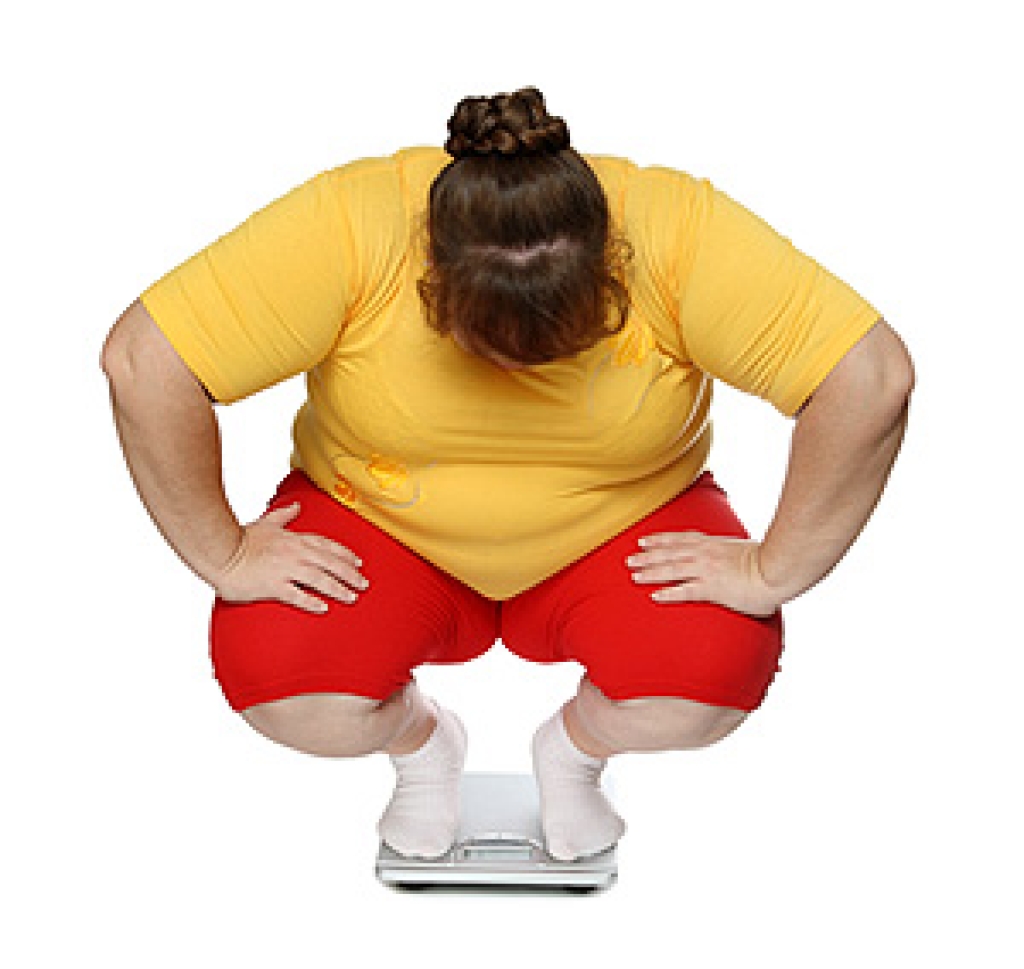
Since your feet feel the pressure of most of your body weight, being overweight can cause a variety of foot problems. Extra weight tends to bring the knees together, putting stress on the insides of the feet and arches. There are also several specific conditions that are known to be affiliated with additional weight. Gout causes severe pain in the big toe. It begins with an accumulation of uric acid in the body, which is more common for overweight individuals. You are also more likely to develop diabetes, which reduces blood flow to the feet. When you accumulate too much plaque in the arteries, you could develop peripheral arterial disease, which reduces blood flow to the feet as well. Losing weight is a practical way to avoid foot and ankle complications. If you feel that your weight may be affecting your feet, it is recommended that you consult with a podiatrist.

The more you weigh, the harder your feet must work to support your body. If you’re an obese individual and are concerned about your feet, contact Dr. Yeon A. Shim from Roselle Podiatry Group. Our doctor can provide the care you need to keep you pain-free and on your feet.

Obesity and Your Feet

People who are overweight are putting more pressure on their ankles, knees, and hips as well as their feet. This unfortunately can lead to variety of different issues.

Problems & Complications Stemming from Obesity

  • When the body is overweight, it tries to compensate by changing the way that it moves. An obese person may lean forward and put extra weight on the wrong part of the foot. This puts unnecessary stress on the feet.
  • Obese people are also more likely to develop type II diabetes which is a condition that causes a lot of foot problems. People with diabetes often don’t feel the cuts and sores that they may have on their feet, which can lead to more complicated and severe issues.
  • Plantar fasciitis is another foot condition that can be caused by obesity. Plantar fasciitis is an inflammation of the tissue along the bottom of the foot, which causes pain and stiffness while walking and climbing stairs.

If you have any questions please contact our office located in Roselle, NJ . We offer the newest diagnostic and treatment technologies for all your foot and ankle needs.

Read more about Obesity and the Feet

Possible Treatment of Athlete’s Foot

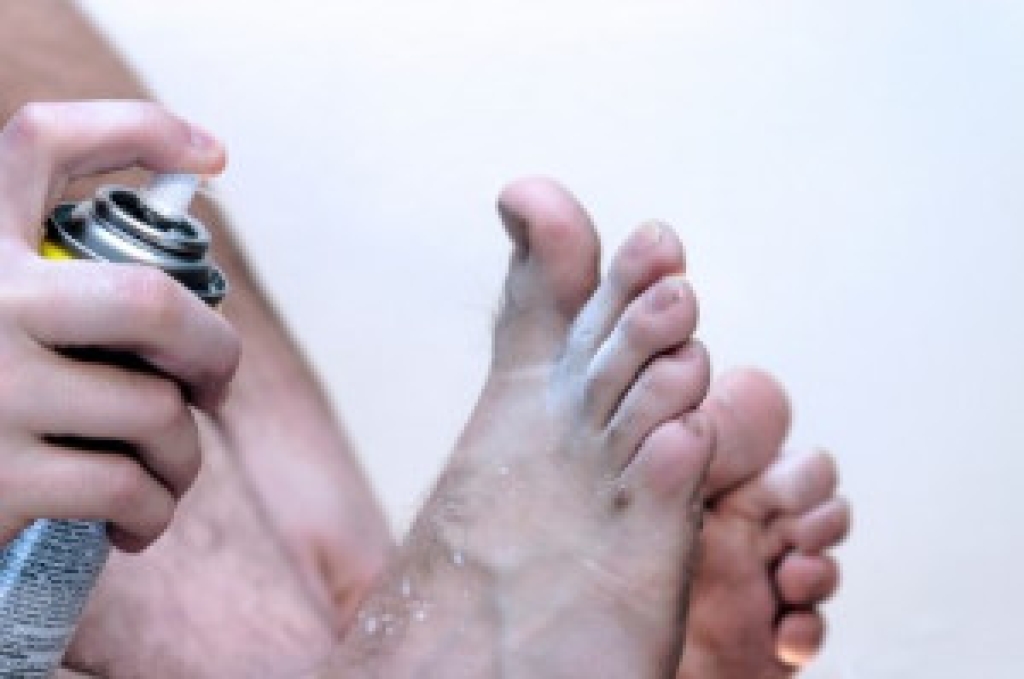
The uncomfortable condition that is known as athlete’s foot can also be referred to as ringworm of the foot. This contagious ailment is caused by a fungus that typically thrives in warm and moist environments. These can include pools and surrounding areas, shower room floors and locker rooms. The symptoms that generally accompany athlete’s foot often include an itchy and burning sensation between the toes, in addition to skin that is red and flaky on the bottom of the feet. Many patients can use an anti-fungal powder or spray that is applied to the affected areas on the feet, and this may provide moderate relief. For more severe cases, it is suggested to consult with a podiatrist who can prescribe medication that may be effective in treating athlete’s foot.

Athlete’s Foot

Athlete’s foot is often an uncomfortable condition to experience. Thankfully, podiatrists specialize in treating athlete’s foot and offer the best treatment options. If you have any questions about athlete’s foot, consult with Dr. Yeon A. Shim from Roselle Podiatry Group. Our doctor will assess your condition and provide you with quality treatment.

What Is Athlete’s Foot?

Tinea pedis, more commonly known as athlete’s foot, is a non-serious and common fungal infection of the foot. Athlete’s foot is contagious and can be contracted by touching someone who has it or infected surfaces. The most common places contaminated by it are public showers, locker rooms, and swimming pools. Once contracted, it grows on feet that are left inside moist, dark, and warm shoes and socks.

Prevention

The most effective ways to prevent athlete’s foot include:

  • Thoroughly washing and drying feet
  • Avoid going barefoot in locker rooms and public showers
  • Using shower shoes in public showers
  • Wearing socks that allow the feet to breathe
  • Changing socks and shoes frequently if you sweat a lot

Symptoms

Athlete’s foot initially occurs as a rash between the toes. However, if left undiagnosed, it can spread to the sides and bottom of the feet, toenails, and if touched by hand, the hands themselves. Symptoms include:

  • Redness
  • Burning
  • Itching
  • Scaly and peeling skin

Diagnosis and Treatment

Diagnosis is quick and easy. Skin samples will be taken and either viewed under a microscope or sent to a lab for testing. Sometimes, a podiatrist can diagnose it based on simply looking at it. Once confirmed, treatment options include oral and topical antifungal medications.

If you have any questions, please feel free to contact our office located in Roselle, NJ . We offer the newest diagnostic and treatment technologies for all your foot care needs.

Read more about Athlete’s Foot

Possible Causes of Cuboid Syndrome

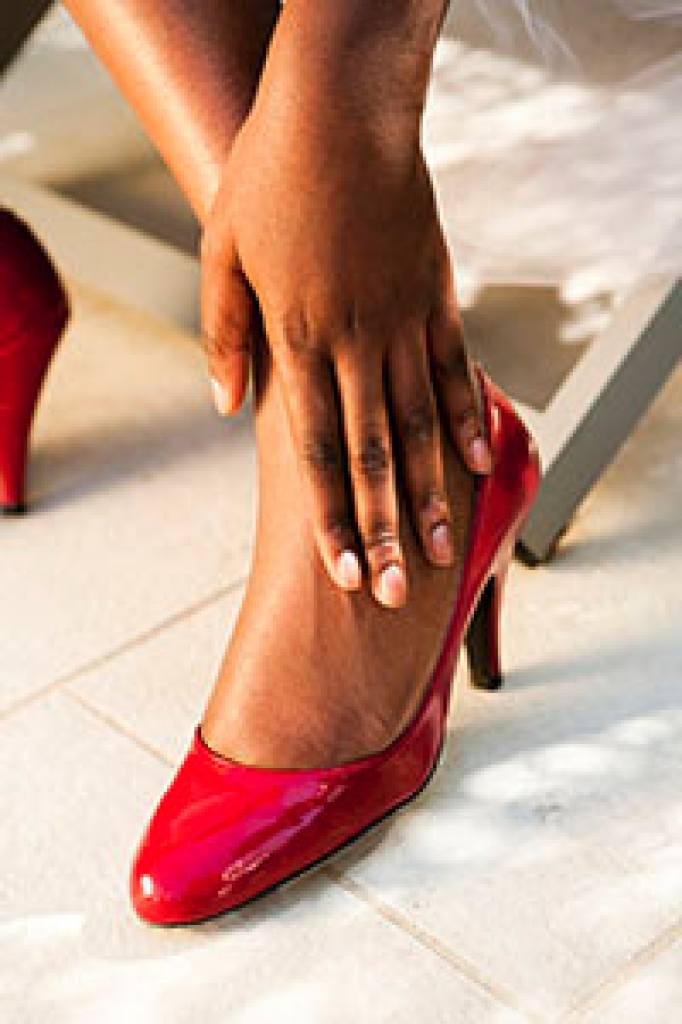
There are ligaments that surround the cuboid bone, and if an injury should occur that affects this part of the foot, a condition that is known as cuboid syndrome may develop. You may notice pain and discomfort on the side of your foot, and it can worsen as weight is put on it. Some patients can lose the ability to move the foot, and the toes may appear swollen and weak. The most common causes of this type of injury can include twisting your ankle during a fall, or participating in sporting activities which can cause ankle pain. Additionally, this ailment can develop from wearing shoes that do not fit correctly, being overweight, or not stretching the feet before exercising. Mild relief can be found when the affected foot is elevated, and it may be beneficial to wrap the ankle with an elastic bandage that provides support. If you have pain on the side of your foot, it is suggested that you speak to a podiatrist who can properly treat this condition.

Cuboid syndrome, also known as cuboid subluxation, occurs when the joints and ligaments near the cuboid bone in the foot become torn. If you have cuboid syndrome, consult with Dr. Yeon A. Shim from Roselle Podiatry Group. Our doctor will assess your condition and provide you with quality foot and ankle treatment.

Cuboid syndrome is a common cause of lateral foot pain, which is pain on the outside of the foot. The condition may happen suddenly due to an ankle sprain, or it may develop slowly overtime from repetitive tension through the bone and surrounding structures.

Causes

The most common causes of cuboid syndrome include:

  • Injury – The most common cause of this ailment is an ankle sprain.
  • Repetitive Strain – Tension placed through the peroneus longus muscle from repetitive activities such as jumping and running may cause excessive traction on the bone causing it to sublux.
  • Altered Foot Biomechanics – Most people suffering from cuboid subluxation have flat feet.

Symptoms

A common symptom of cuboid syndrome is pain along the outside of the foot which can be felt in the ankle and toes. This pain may create walking difficulties and may cause those with the condition to walk with a limp.

Diagnosis

Diagnosis of cuboid syndrome is often difficult, and it is often misdiagnosed. X-rays, MRIs and CT scans often fail to properly show the cuboid subluxation. Although there isn’t a specific test used to diagnose cuboid syndrome, your podiatrist will usually check if pain is felt while pressing firmly on the cuboid bone of your foot.

Treatment

Just as the range of causes varies widely, so do treatments. Some more common treatments are ice therapy, rest, exercise, taping, and orthotics.

If you have any questions, please feel free to contact our office located in Roselle, NJ . We offer the newest diagnostic and treatment technologies for all your foot care needs.

Read more about All About Cuboid Syndrome
scroll to top