Blog

Common Symptoms of Sesamoiditis

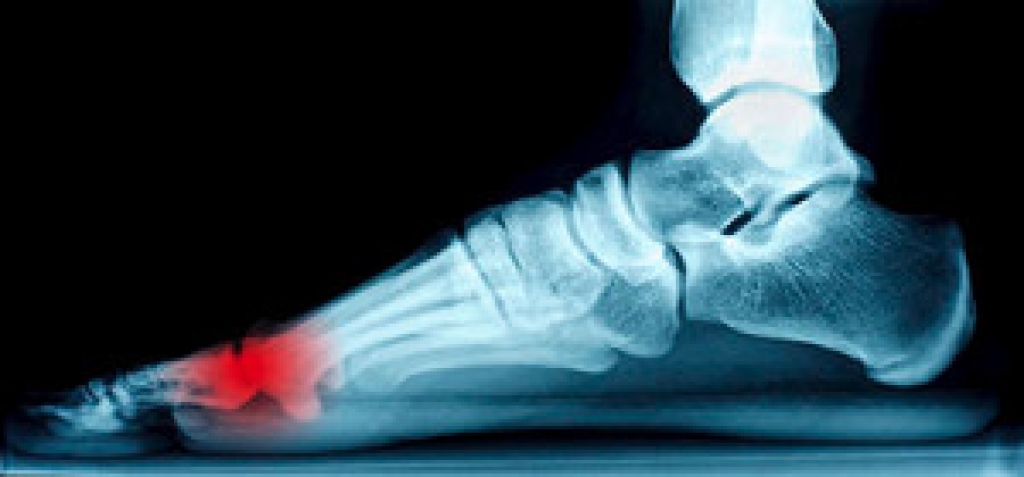
If you experience pain under the ball of your foot, you may have a condition that is referred to as sesamoiditis. There are small bones that exist within the sole of the foot, and a possible injury can cause inflammation to the tendons that connect the big toe to these bones. If this should happen, common symptoms may include pain being present while walking and running, in addition to experiencing difficulty standing on tiptoes. The skin typically does not show any signs of being swollen or red because the injured bones and tendons are deep within the foot. It generally stems from beginning any new activity that may involve running and jumping, typically indicative of a new sport. If you feel you are suffering from this ailment, it’s suggested that resting the foot by reducing the activity will be beneficial in promoting healing. Please consider a consultation with a podiatrist for more information about sesamoiditis.

Sesamoiditis is an unpleasant foot condition characterized by pain in the balls of the feet. If you think you’re struggling with sesamoiditis, contact Dr. Yeon A. Shim of Roselle Podiatry Group. Our doctor will treat your condition thoroughly and effectively.

Sesamoiditis

Sesamoiditis is a condition of the foot that affects the ball of the foot. It is more common in younger people than it is in older people. It can also occur with people who have begun a new exercise program, since their bodies are adjusting to the new physical regimen. Pain may also be caused by the inflammation of tendons surrounding the bones. It is important to seek treatment in its early stages because if you ignore the pain, this condition can lead to more serious problems such as severe irritation and bone fractures.

Causes of Sesamoiditis

  • Sudden increase in activity
  • Increase in physically strenuous movement without a proper warm up or build up
  • Foot structure: those who have smaller, bonier feet or those with a high arch may be more susceptible

Treatment for sesamoiditis is non-invasive and simple. Doctors may recommend a strict rest period where the patient forgoes most physical activity. This will help give the patient time to heal their feet through limited activity. For serious cases, it is best to speak with your doctor to determine a treatment option that will help your specific needs.

If you have any questions, please feel free to contact our office located in Roselle, NJ . We offer the newest diagnostic and treatment technologies for all your foot care needs.
Read more about Sesamoiditis

Wounds That Don't Heal Need to Be Checked

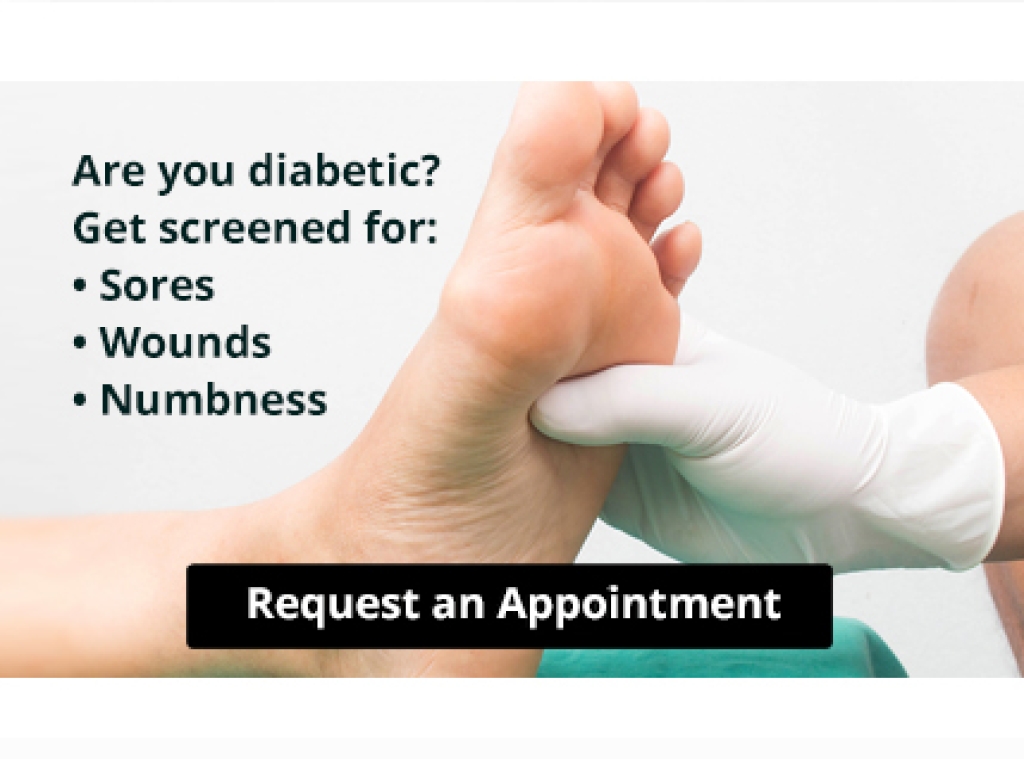
Your feet are covered most of the day. If you're diabetic, periodic screening is important for good health. Numbness is often a sign of diabetic foot and can mask a sore or wound.

Common Foot Ailments Resulting From Obesity

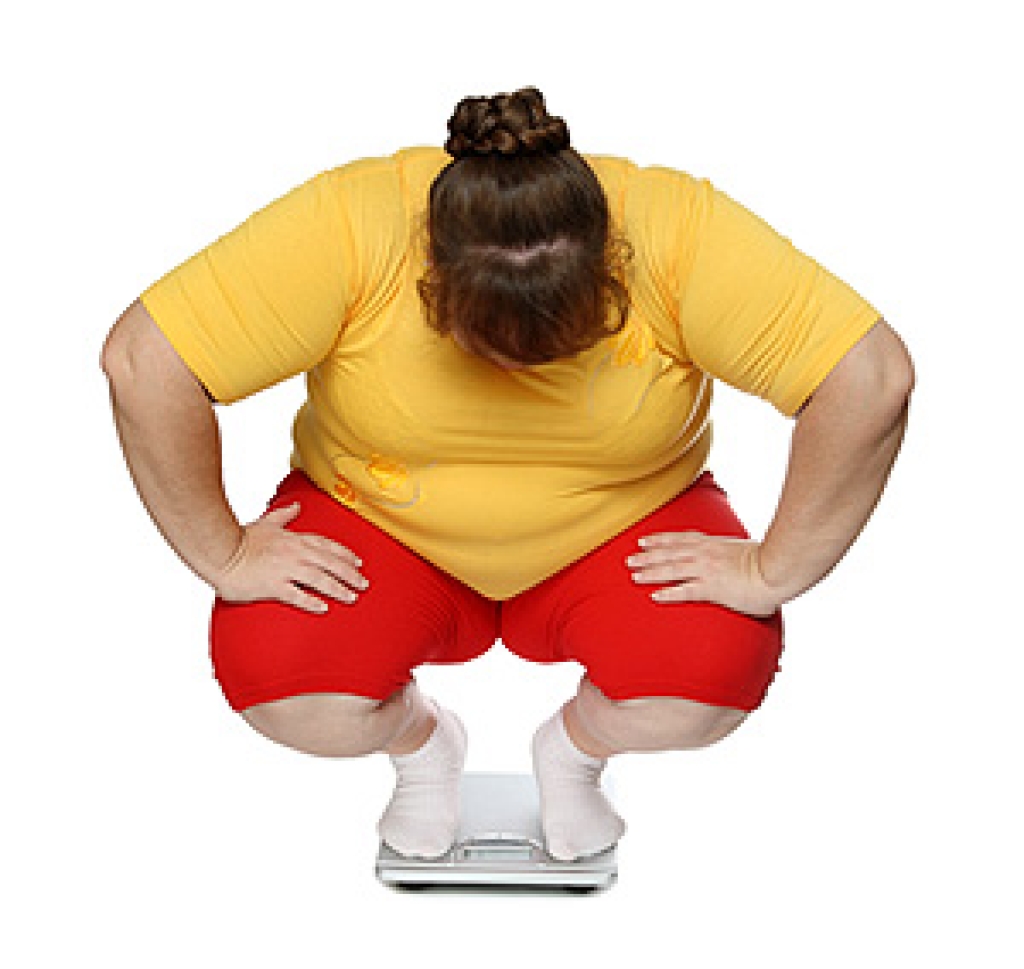
There can be several foot problems that may occur because of obesity. Some of these may include arthritis, skin issues, and general foot pain as a result of the weight the feet must endure. Excessive weight gain may cause a lack of mobility, potentially affecting the ability to perform proper exercises. Occasionally the feet may change sizes, which can affect the width and the arch of the foot. General foot pain may be experienced as the feet strain under body weight. Gout, a type of arthritis, is a common ailment that many obese people suffer from. It is an excess of uric acid that forms crystals in the joints, and in many cases, it may cause inflammation and severe pain. Please consider a consultation with a podiatrist for information about how obesity can be controlled to improve the condition of your feet.

Obesity has become very problematic at this point in time and can have extremely negative effects on the feet. If you’re an obese individual and are concerned about your feet, contact Dr. Yeon A. Shim from Roselle Podiatry Group. Our doctor can provide the care you need to keep you pain-free and on your feet.

Obesity and Your Feet

Since your feet are what support your entire weight when standing, any additional weight can result in pain and swelling. Being overweight is one of the main contributors to foot complications.

Problems & Complications

Extra Weight – Even putting on just a few extra pounds could create serious complications for your feet. As your weight increases, your balance and body will shift, creating new stresses on your feet. This uneven weight distribution can cause pain, even while doing the simplest tasks, such as walking.

Diabetes – People who are overweight are at serious risk of developing type-2 diabetes, which has a drastic impact on the health of your feet. As you get older, your diabetes might worsen, which could lead to loss of feeling in your feet, sores, and bruises. You could also become more prone to various infections.

Plantar fasciitis – Pressure and stress that is placed on muscles, joints, and tendons can trigger plantar fasciitis, which is an inflammation of tissue that forms along the bottom of the foot. 

If you have any questions, please feel free to contact our office located in Roselle, NJ . We offer the newest diagnostic and treatment technologies for all your foot care needs.
Read more about How Obesity Affects Your Feet

Pregnancy and Cracked Heels

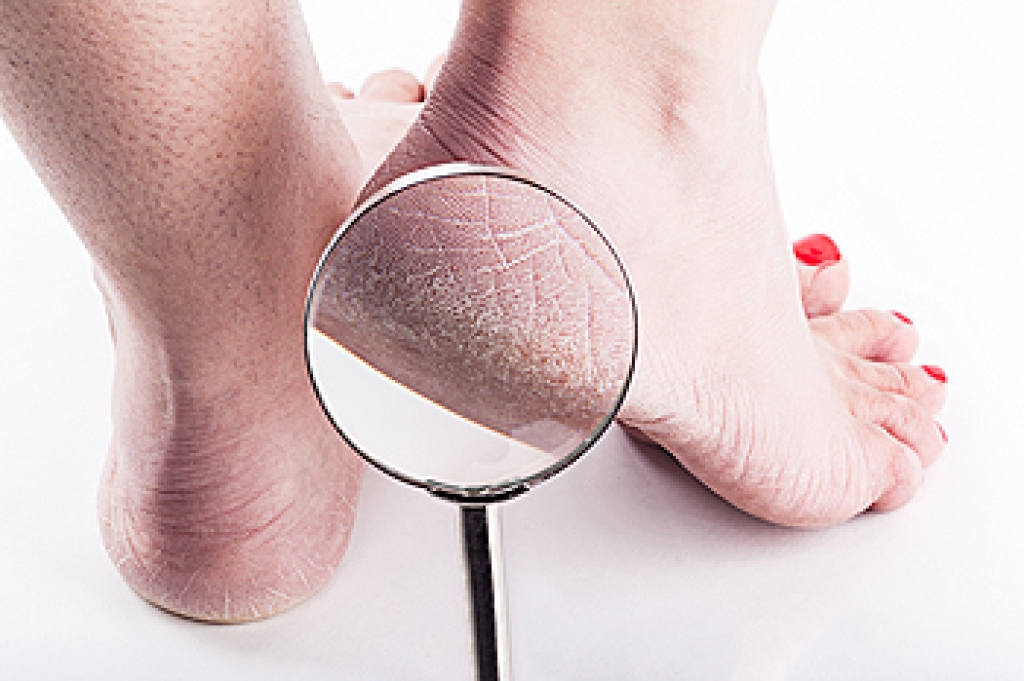
Pregnancy can be an incredible experience, but there may be occasional foot issues that many women encounter. Cracked heels is a common ailment, most often due to the additional weight the feet must endure. The skin on the heels starts to split, possible due to a deficiency in vitamin A, zinc, and fish oil. Wearing shoes that have adequate cushioning and support will help the feet to feel better and it’s helpful to avoid going barefoot, which can cause the fissures, or cracks to worsen. If you encounter this ailment, there are several treatment options available. The heels will feel better if a moisturizer is applied after soaking the feet in warm, soapy water. Additionally, having your feet massaged with a warm essential oil may be beneficial.

Cracked heels are unsightly and can cause further damage to your shoes and feet. If you have any concerns, contact Dr. Yeon A. Shim from Roselle Podiatry Group. Our doctor can provide the care you need to keep you pain-free and on your feet.

Cracked Heels

Cracked heels appear unappealing and can make it harder for you walk around in sandals. Aside from looking unpleasant, cracked heels can also tear stockings, socks, and wear out your shoes. There are several methods to help restore a cracked heel and prevent further damage.

How Do You Get Them?

Dry skin is the number one culprit in creating cracked heels. Many athletes, walkers, joggers, and even swimmers suffer from cracked heels. Age and skin oil production play a role to getting cracked heels as well.

Promote Healing

Over the counter medicines can help, especially for those that need instant relief or who suffer from chronic dry feet.

Wear Socks – Wearing socks with medicated creams helps lock in moisture.

Moisturizers – Applying both day and night will help alleviate dryness which causes cracking.

Pumice Stones – These exfoliate and remove dead skin, which allows for smoother moisturizer application and better absorption into the skin. 

Change in Diet

Eating healthy with a well-balanced diet will give the skin a fresh and radiant look. Your body responds to the kinds of food you ingest. Omega-3 fatty acids and zinc supplements can also revitalize skin tissue.

Most importantly, seek professional help if unsure how to proceed in treating cracked heels. A podiatrist will help you with any questions or information needed. 

If you have any questions, please feel free to contact our office located in Roselle, NJ . We offer the newest diagnostic and treatment technologies for all your foot care needs.
Read more about Solutions for Cracked Heels

Causes of Hammertoe

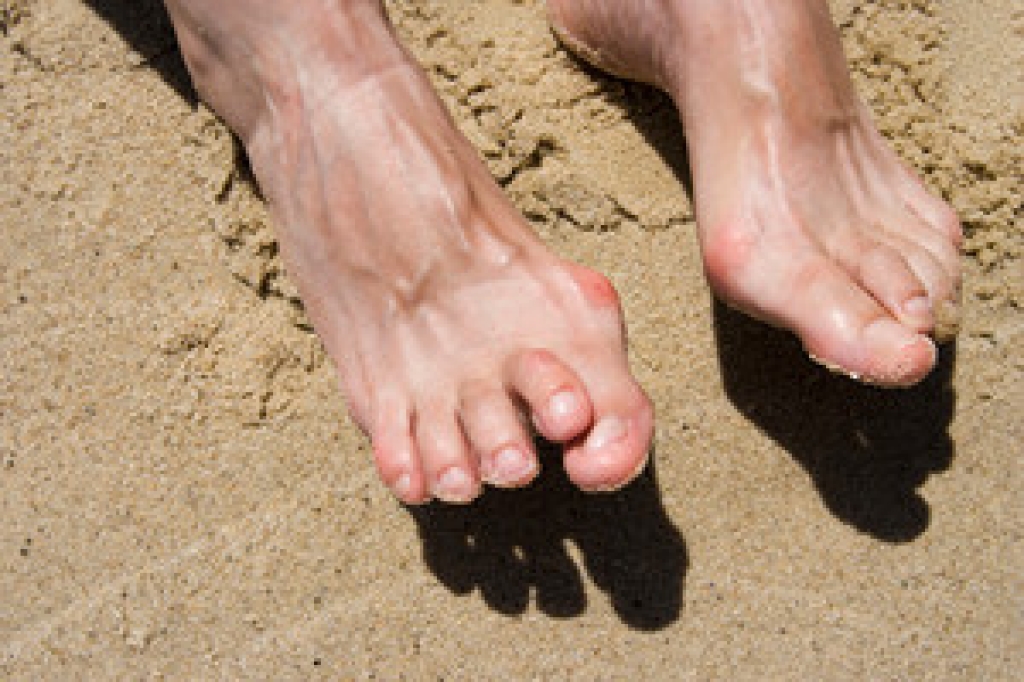
Hammertoe is a foot condition which affects the toes, causing the joints to become deformed. Choosing to wear shoes that fit tightly is often the cause of this condition, resulting in the toes bending into a forced, abnormal position. The shoes will rub on the toe which causes friction, and corns and calluses will most likely develop. Additionally, medical conditions that presently exist, such as diabetes and arthritis, may contribute to the development of hammertoes. There are treatment options available, including splints to realign the toe and orthotics specifically designed to accommodate the affected toe. A consultation with a podiatrist is advised to learn about choosing proper footwear and advice on how to treat hammertoe.

Hammertoe

Hammertoes can be a painful condition to live with. For more information, contact Dr. Yeon A. Shim from Roselle Podiatry Group. Our doctor will answer any of your foot- and ankle-related questions.

Hammertoe is a foot deformity that affects the joints of the second, third, fourth, or fifth toes of your feet. It is a painful foot condition in which these toes curl and arch up, which can often lead to pain when wearing footwear.

Symptoms

  • Pain in the affected toes
  • Development of corns or calluses due to friction
  • Inflammation
  • Redness
  • Contracture of the toes

Causes

Genetics – People who are genetically predisposed to hammertoe are often more susceptible

Arthritis – Because arthritis affects the joints in your toes, further deformities stemming from arthritis can occur

Trauma – Direct trauma to the toes could potentially lead to hammertoe

Ill-fitting shoes – Undue pressure on the front of the toes from ill-fitting shoes can potentially lead to the development of hammertoe

Treatment

Orthotics – Custom made inserts can be used to help relieve pressure placed on the toes and therefore relieve some of the pain associated with it

Medications – Oral medications such as anti-inflammatories or NSAIDs could be used to treat the pain and inflammation hammertoes causes. Injections of corticosteroids are also sometimes used

Surgery – In more severe cases where the hammertoes have become more rigid, foot surgery is a potential option

If you have any questions, please feel free to contact our office located in Roselle, NJ . We offer the newest diagnostic and treatment technologies for all your foot care needs.

Read more about What Are Hammertoes?
scroll to top