Blog

Foot Pain Can Originate from Injuries or Medical Conditions

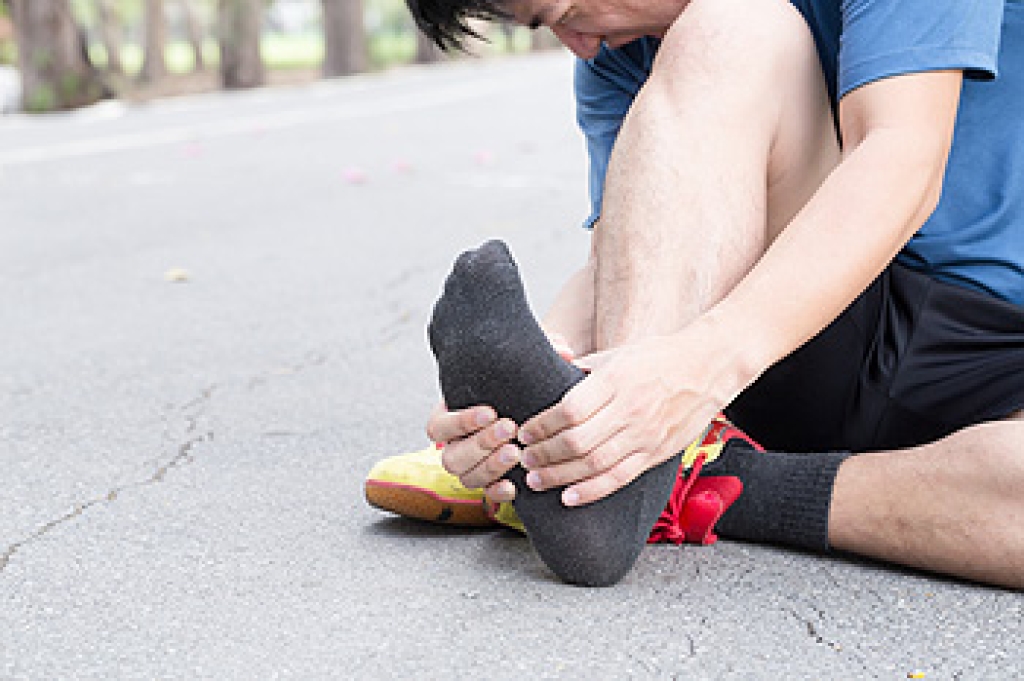
Research has shown there are over 26 bones and several ligaments and tendons that are in each foot. If an injury is experienced in any portion of the foot or if a medical ailment develops, foot pain or difficulty in walking may be indicative of a serious foot condition. A source of uncomfortable foot pain may originate from a condition that is referred to as plantar fasciitis, and this will typically affect the heel of the foot. If you engage in running or jumping activities for extended periods of time, you may develop metatarsalgia. If you have this type of foot pain, you may notice discomfort in the middle of the foot. Additionally, foot pain that comes from tarsal tunnel syndrome will affect the nerves of the foot. If you have any type of foot pain, it is advised to seek the counsel of a podiatrist that can determine the cause of the pain and recommend proper treatment options.

Foot Pain

Foot pain can be extremely painful and debilitating. If you have a foot pain, consult with Dr. Yeon A. Shim from Roselle Podiatry Group. Our doctor will assess your condition and provide you with quality foot and ankle treatment.

Causes

Foot pain is a very broad condition that could be caused by one or more ailments. The most common include:

  • Bunions
  • Hammertoes
  • Plantar Fasciitis
  • Bone Spurs
  • Corns
  • Tarsal Tunnel Syndrome
  • Ingrown Toenails
  • Arthritis (such as Gout, Rheumatoid, and Osteoarthritis)
  • Flat Feet
  • Injury (from stress fractures, broken toe, foot, ankle, Achilles tendon ruptures, and sprains)
  • And more

Diagnosis

To figure out the cause of foot pain, podiatrists utilize several different methods. This can range from simple visual inspections and sensation tests to X-rays and MRI scans. Prior medical history, family medical history, and any recent physical traumatic events will all be taken into consideration for a proper diagnosis.

Treatment

Treatment depends upon the cause of the foot pain. Whether it is resting, staying off the foot, or having surgery; podiatrists have a number of treatment options available for foot pain.

If you have any questions, please feel free to contact our office located in Roselle, NJ . We offer the newest diagnostic and treatment technologies for all your foot care needs.
Read more about Foot Pain

What Causes an Ingrown Toenail?

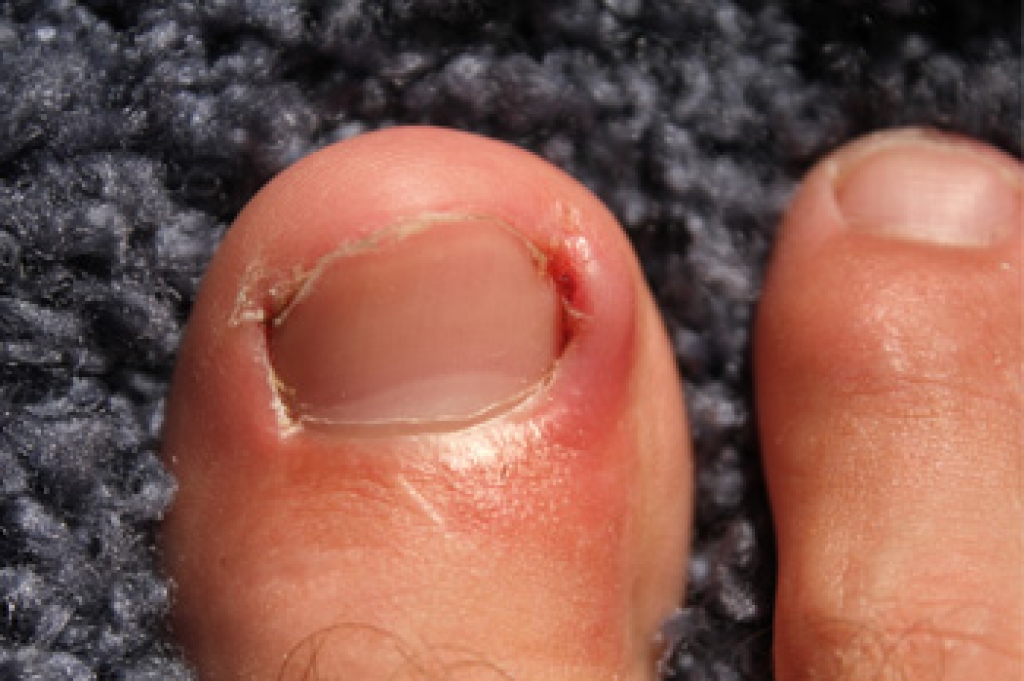
A red, tender, and swollen area will appear on the side of the big toe if you are experiencing an ingrown toenail. This uncomfortable condition is typically a result of wearing shoes that fit too tightly, enduring an injury to the toe, or trimming the toenails incorrectly. In more severe cases, there may be an excess of fluid that builds up surrounding the affected area, or the toe could bleed or have pus draining from it. Ingrown toenails develop when the nail grows into the skin on the side of the toe, and pain generally accompanies this ailment. It is suggested to seek treatment as quickly as possible, and this may prevent infection. There are several ways to prevent ingrown toenails from developing, including wearing shoes that fit properly, wearing clean socks, and washing the feet daily. Research has shown that a common treatment method is referred to as a partial nail avulsion, and this involves removing a portion of the infected toenail. If you feel you have developed an ingrown toenail, it is advised to counsel with a podiatrist, so the best treatment option can be determined.

Ingrown toenails may initially present themselves as a minor discomfort, but they may progress into an infection in the skin without proper treatment. For more information about ingrown toenails, contact Dr. Yeon A. Shim of Roselle Podiatry Group. Our doctor can provide the care you need to keep you pain-free and on your feet.

Ingrown Toenails

Ingrown toenails are caused when the corner or side of a toenail grows into the soft flesh surrounding it. They often result in redness, swelling, pain, and in some cases, infection. This condition typically affects the big toe and may recur if it is not treated properly.

Causes

  • Improper toenail trimming
  • Genetics
  • Improper shoe fitting
  • Injury from pedicures or nail picking
  • Abnormal gait
  • Poor hygiene

You are more likely to develop an ingrown toenail if you are obese, have diabetes, arthritis, or have any fungal infection in your nails. Additionally, people who have foot or toe deformities are at a higher risk of developing an ingrown toenail.

Symptoms

Some symptoms of ingrown toenails are redness, swelling, and pain. In rare cases, there may be a yellowish drainage coming from the nail.

Treatment

Ignoring an ingrown toenail can have serious complications. Infections of the nail border can progress to a deeper soft-tissue infection, which can then turn into a bone infection. You should always speak with your podiatrist if you suspect you have an ingrown toenail, especially if you have diabetes or poor circulation.

If you have any questions, please feel free to contact our office located in Roselle, NJ . We offer the newest diagnostic and treatment technologies for all your foot care needs.
Read more about Ingrown Toenail Care

The Importance of Choosing the Best Surface to Run on

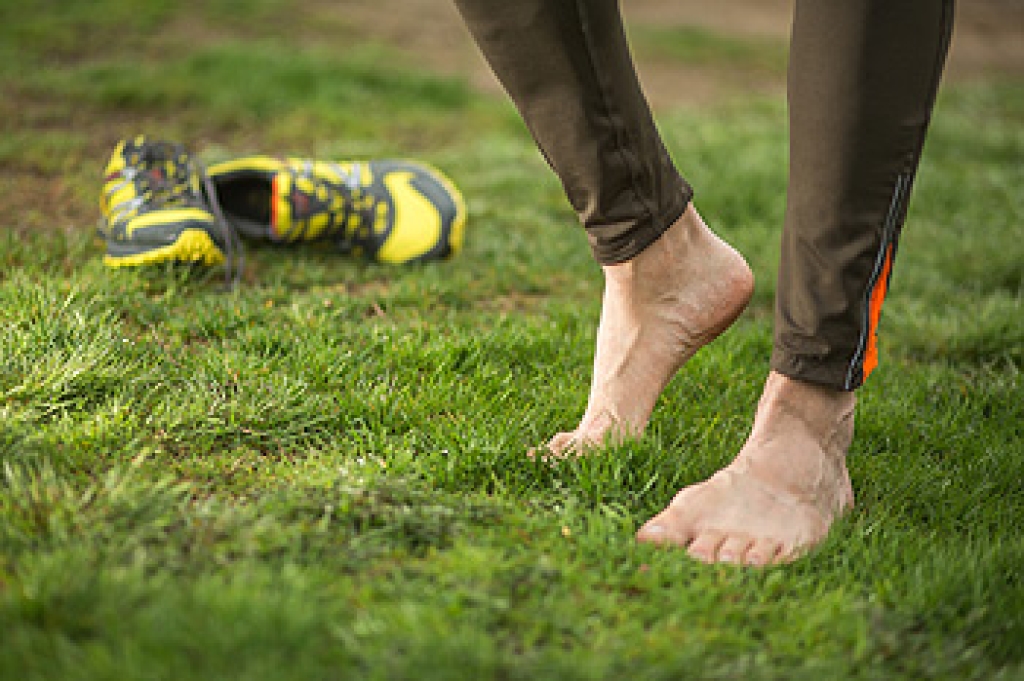
Many runners realize the pain and disappointment that is experienced if an injury should occur, which may inhibit the joy and ease of this sport or hobby. Research has shown that most injuries happen when the runner trains too intensely. Additionally, proper stretching techniques and warm-ups are beneficial to perform before each run, and this will loosen the muscles in the feet to ensure safe running. It’s important to wear the correct shoes that have adequate cushioning for this sport, and it may be necessary to replace them approximately every four-hundred miles. There are surfaces that are easier to run on, and these may include dirt trails or grass, which may better absorb the shock than if running on concrete. If you enjoy running frequently, it’s suggested to speak with a podiatrist for advice on how to prevent injuries caused by running.

All runners should take extra precaution when trying to avoid injury. If you have any concerns about your feet, contact Dr. Yeon A. Shim of Roselle Podiatry Group. Our doctor will treat your foot and ankle needs.

How to Prevent Running Injuries

There are a lot of mistakes a runner can make prior to a workout that can induce injury. A lot of athletes tend to overstretch before running, instead of saving those workouts for a post-run routine. Deep lunges and hand-to-toe hamstring pulls should be performed after a workout instead of during a warmup. Another common mistake is jumping into an intense routine before your body is physically prepared for it. You should try to ease your way into long-distance running instead of forcing yourself to rush into it.

More Tips for Preventing Injury

  • Incorporate Strength Training into Workouts - This will help improve the body’s overall athleticism
  • Improve and Maintain Your Flexibility – Stretching everyday will help improve overall performance
  • “Warm Up” Before Running and “Cool Down” Afterward – A warm up of 5-10 minutes helps get rid of lactic acid in the muscles and prevents delayed muscle soreness
  • Cross-Training is Crucial
  • Wear Proper Running Shoes
  • Have a Formal Gait Analysis – Poor biomechanics can easily cause injury

If you have any questions, please feel free to contact our office located in Roselle, NJ . We offer the newest diagnostic and treatment technologies for all your foot care needs.

Read more about Preventing Running Injuries

Possible Causes of Poor Circulation

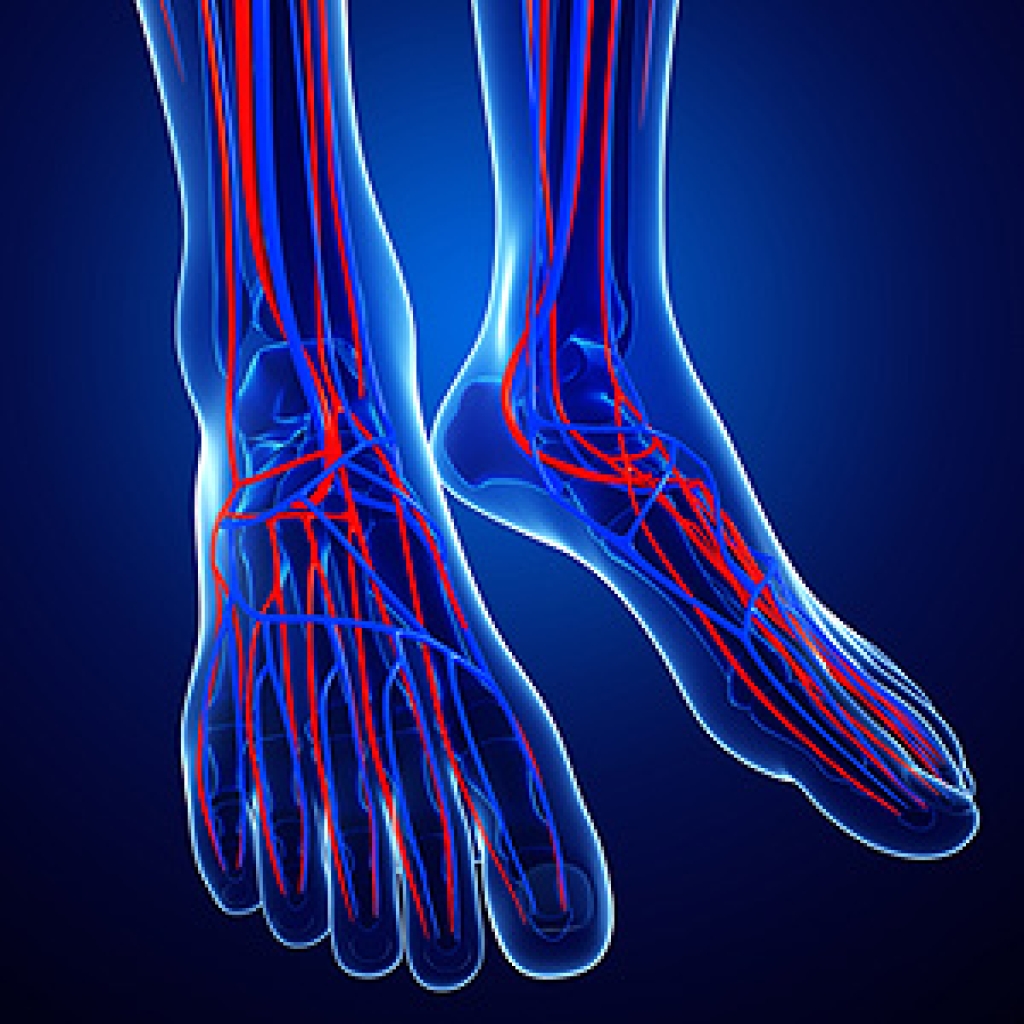
For people who have poor circulation, experiencing “pins and needles” and tingling are common sensations. It is not considered to be a disease, and research has shown it may be indicative of serious illnesses including heart conditions, or PAD, which is known as peripheral artery disease. When the blood circulates properly throughout the body, oxygen and essential nutrients flow easily to the organs. Poor circulation hinders the ability for this to occur. There are several symptoms that are associated with this condition, including cold feet, cramps in the muscles, lack of energy, or throbbing. History has shown that poor health habits may contribute to the onset of this ailment. These may include smoking, eating poorly, or being sedentary for long periods at a time. If you feel you have poor circulation, it’s suggested to speak with a podiatrist for possible treatment options. These may include wearing compression socks, taking prescription medicine, or surgery.

Poor circulation is a serious condition and needs immediate medical attention. If you have any concerns with poor circulation in your feet contact Dr. Yeon A. Shim of Roselle Podiatry Group. Our doctor will treat your foot and ankle needs.

Poor Circulation in the Feet

Poor blood circulation in the feet and legs is can be caused by peripheral artery disease (PAD), which is the result of a buildup of plaque in the arteries.

Plaque buildup or atherosclerosis results from excess calcium and cholesterol in the bloodstream. This can restrict the amount of blood which can flow through the arteries. Poor blood circulation in the feet and legs are sometimes caused by inflammation in the blood vessels, known as vasculitis.

Causes

Lack of oxygen and oxygen from poor blood circulation restricts muscle growth and development. It can also cause:

  • Muscle pain, stiffness, or weakness 
  • Numbness or cramping in the legs
  • Skin discoloration
  • Slower nail & hair growth
  • Erectile dysfunction

Those who have diabetes or smoke are at greatest risk for poor circulation, as are those who are over 50. If you have poor circulation in the feet and legs it may be caused by PAD and is important to make changes to your lifestyle in order to reduce risk of getting a heart attack or stroke. Exercise and maintaining a healthy lifestyle will dramatically improve conditions.

As always, see a podiatrist as he or she will assist in finding a regimen that suits you. A podiatrist can also prescribe you any needed medication. 

If you have any questions, please feel free to contact our office located in Roselle, NJ . We offer the newest diagnostic and treatment technologies for all your foot care needs.

Read more about Causes Symptoms and Treatment for Poor Circulation in the Feet
scroll to top