Blog

Common Foot and Ankle Injuries in Football

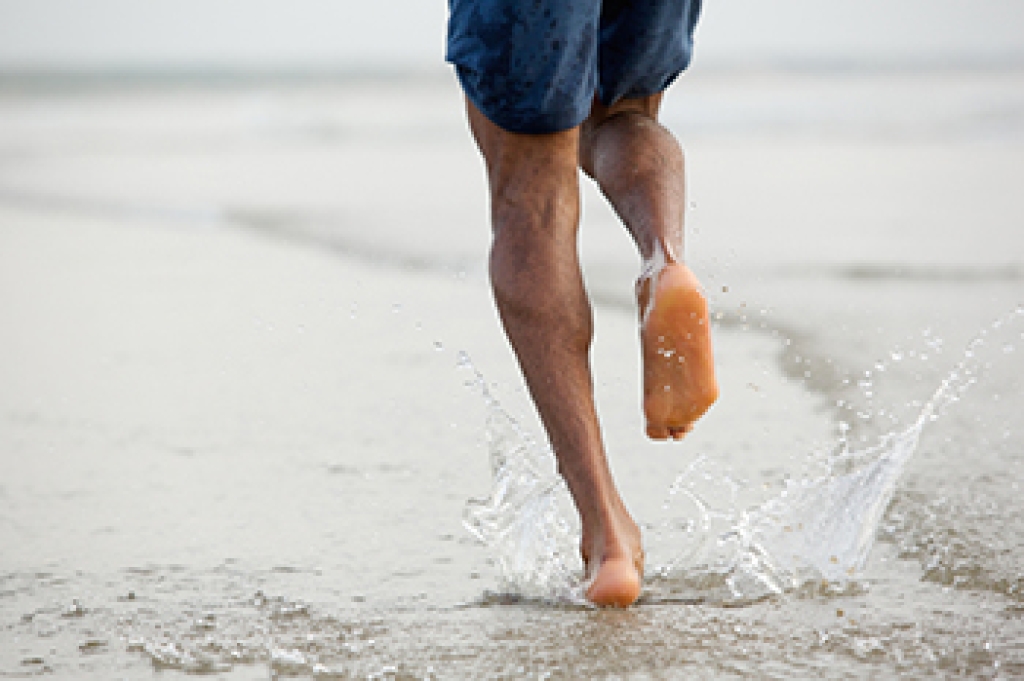
Football players run a high risk for developing a variety of injuries, and some of those injuries involve the foot or ankle. One common injury is an Achilles tendon rupture. The Achilles tendon is the longest and strongest tendon in the body, and it helps players push off their feet, jump, and accelerate. Overuse or excessive force can result in a tear or rupture. Treatment generally requires surgery and about 9 months to heal, but with new technology some players have returned to play just 6 months after surgery. High ankle sprains occur often, and they are the result of a tear to the ligaments that connect the tibia and fibula. Recovery can take as long as 6 to 8 weeks. A complex career-threatening injury is known as a Lisfranc injury. This occurs when there is a sprain or break of the metatarsal bones in the mid foot. Even a minor sprain in the mid foot that doesn't require surgery can still take 6-8 weeks to heal. Lastly, when a player hyperextends their big toe, it is known as turf toe. This is caused by the ligaments under the joint of the big toe being ruptured or sprained. It is highly suggested that anyone who is suffering with a foot or ankle injury seek the care of a podiatrist. 

Ankle and foot injuries are common among athletes and in many sports. They can be caused by several problems and may be potentially serious. If you are feeling pain or think you were injured in a sporting event or when exercising, consult with Dr. Yeon A. Shim from Roselle Podiatry Group. Our doctor will assess your condition and provide you with quality foot and ankle treatment.

Common Injuries

The most common injuries that occur in sporting activities include:

  • Achilles Tendonitis
  • Achilles Tendon Rupture
  • Ankle Sprains
  • Broken Foot
  • Plantar Fasciitis
  • Stress Fractures
  • Turf Toe

Symptoms

Symptoms vary depending upon the injury and in some cases, there may be no symptoms at all. However, in most cases, some form of symptom is experienced. Pain, aching, burning, bruising, tenderness, tightness or stiffness, sensation loss, difficulty moving, and swelling are the most common symptoms.

Treatment

Just as symptoms vary depending upon the injury, so do treatment options. A common treatment method is known as the RICE method. This method involves rest, applying ice, compression and elevating the afflicted foot or ankle. If the injury appears to be more serious, surgery might be required, such as arthroscopic or reconstructive surgery. Lastly, rehabilitation or therapy might be needed to gain full functionality in the afflicted area. Any discomfort experienced by an athlete must be evaluated by a licensed, reputable medical professional.  

If you have any questions please contact our office located in Roselle, NJ . We offer the newest diagnostic and treatment technologies for all your foot and ankle needs.
Read more about Sports Related Foot And Ankle Injuries

Understanding Cuboid Syndrome

Cuboid syndrome is a partial dislocation of the bones in the middle of the foot. While cuboid syndrome is typically the result of overuse or injury, pronated feet (feet that turn inward when walking), training on uneven surfaces, poorly fitted shoes, and climbing stairs can all be contributing factors as well . A common sign of cuboid syndrome is pain on the outside of the foot near the little toe. Pain may also be felt in the middle of the foot, or at the base of the fourth and fifth toes. Since the pain is sometimes difficult to pinpoint, cuboid syndrome is often confused with a stress fracture. Other symptoms can include difficulty walking, swelling, pain that becomes worse with weight-bearing, and increased pain when lifting the heel and pushing off the toe. If you are experiencing any pain in the foot it is highly recommended to consult with a podiatrist for a proper diagnosis and treatment.

Cuboid syndrome, also known as cuboid subluxation, occurs when the joints and ligaments near the cuboid bone in the foot become torn. If you have cuboid syndrome, consult with Dr. Yeon A. Shim from Roselle Podiatry Group. Our doctor will assess your condition and provide you with quality foot and ankle treatment.

Cuboid syndrome is a common cause of lateral foot pain, which is pain on the outside of the foot. The condition may happen suddenly due to an ankle sprain, or it may develop slowly overtime from repetitive tension through the bone and surrounding structures.

Causes

The most common causes of cuboid syndrome include:

  • Injury – The most common cause of this ailment is an ankle sprain.
  • Repetitive Strain – Tension placed through the peroneus longus muscle from repetitive activities such as jumping and running may cause excessive traction on the bone causing it to sublux.
  • Altered Foot Biomechanics – Most people suffering from cuboid subluxation have flat feet.

Symptoms

A common symptom of cuboid syndrome is pain along the outside of the foot which can be felt in the ankle and toes. This pain may create walking difficulties and may cause those with the condition to walk with a limp.

Diagnosis

Diagnosis of cuboid syndrome is often difficult, and it is often misdiagnosed. X-rays, MRIs and CT scans often fail to properly show the cuboid subluxation. Although there isn’t a specific test used to diagnose cuboid syndrome, your podiatrist will usually check if pain is felt while pressing firmly on the cuboid bone of your foot.

Treatment

Just as the range of causes varies widely, so do treatments. Some more common treatments are ice therapy, rest, exercise, taping, and orthotics.

If you have any questions, please feel free to contact our office located in Roselle, NJ . We offer the newest diagnostic and treatment technologies for all your foot care needs.

Read more about Cuboid Syndrome

Why Live with Pain and Numbness in Your Feet?

Suffering from this type of pain? You may have the foot condition known as Morton's neuroma. Morton's neuroma may develop as a result of ill-fitting footwear and existing foot deformities. We can help.

Toenail Fungus Treatments

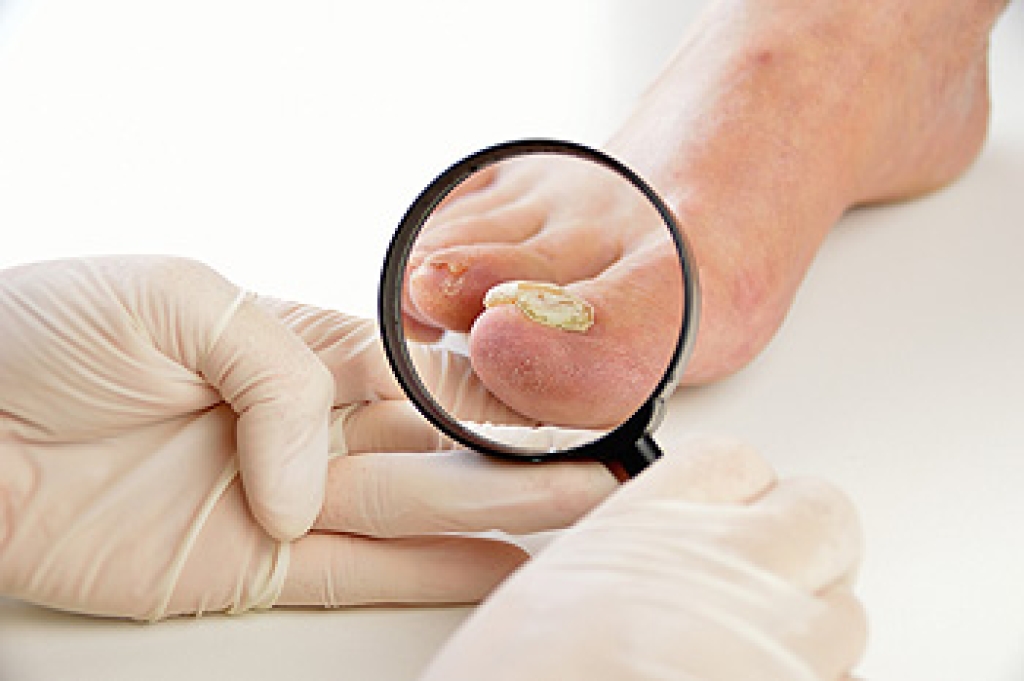
A fungal infection of the toenails can be unsightly. Infected toenails may have white or yellow patches of discoloration, be chalky, or have a crumbly texture. In more severe infections, the toenails may thicken and become deformed and discolored. There are several treatments available for toenail fungus. A podiatrist may prescribe oral antifungal medications, which have to be taken for several months to get full results. Topical treatments, such as medicated nail polishes, are applied directly to the affected nails and can also help treat toenail fungus. Sometimes, both treatments can be used simultaneously. For more information about treatment for toenail fungus, please consult with a podiatrist. 

If left untreated, toenail fungus may spread to other toenails, skin, or even fingernails. If you suspect you have toenail fungus it is important to seek treatment right away. For more information about treatment, contact Dr. Yeon A. Shim of Roselle Podiatry Group. Our doctor can provide the care you need to keep you pain-free and on your feet.

Symptoms

  • Warped or oddly shaped nails
  • Yellowish nails
  • Loose/separated nail
  • Buildup of bits and pieces of nail fragments under the nail
  • Brittle, broken, thickened nail

Treatment

If self-care strategies and over-the-counter medications does not help your fungus, your podiatrist may give you a prescription drug instead. Even if you find relief from your toenail fungus symptoms, you may experience a repeat infection in the future.

Prevention

In order to prevent getting toenail fungus in the future, you should always make sure to wash your feet with soap and water. After washing, it is important to dry your feet thoroughly especially in between the toes. When trimming your toenails, be sure to trim straight across instead of in a rounded shape. It is crucial not to cover up discolored nails with nail polish because that will prevent your nail from being able to “breathe”.

In some cases, surgical procedure may be needed to remove the toenail fungus. Consult with your podiatrist about the best treatment options for your case of toenail fungus.  

If you have any questions please contact our office located in Roselle, NJ . We offer the newest diagnostic and treatment technologies for all your foot and ankle needs.

Read more about Toenail Fungus

Scans to Detect Peripheral Artery Disease

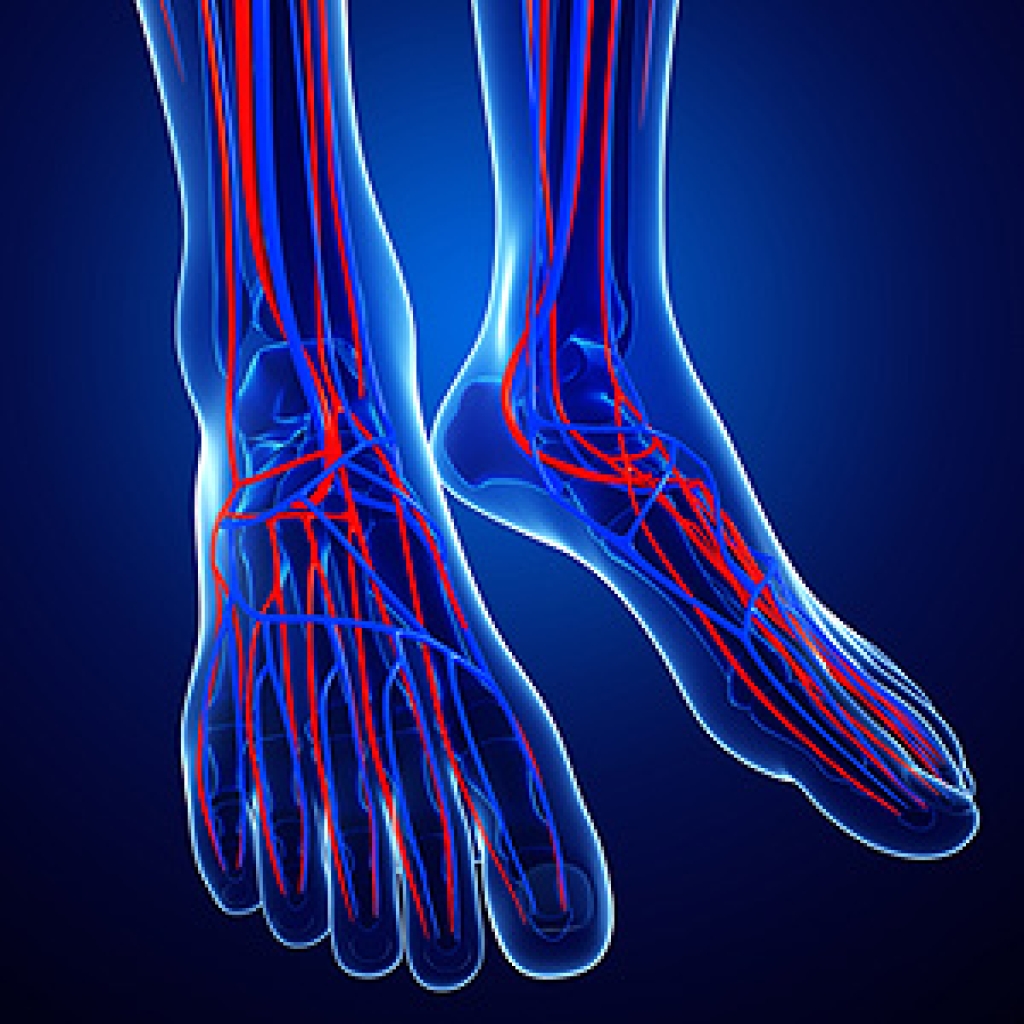
Computed tomography angiography (CTA) and magnetic resonance angiography (MRA) are two kinds of noninvasive imaging studies that can be used to visualize the blood flow in different areas of your body, including your lower limbs. A podiatrist may request that you undergo one of these imaging studies if they suspect that you might have peripheral artery disease, a condition that causes poor circulation to the lower limbs. Both of these tests require the patient to lie down on a motorized bed that moves through a scanner, which takes images of your lower legs. CTAs require the injection of an intravenous contrasting agent and the use of radiation in order to see your blood flow, while an MRA may or may not require the use of a contrasting agent, but does not use radiation. For more information about these and other tests to assess blood flow in the lower limbs, please speak with a podiatrist.

Vascular testing plays an important part in diagnosing disease like peripheral artery disease. If you have symptoms of peripheral artery disease, or diabetes, consult with Dr. Yeon A. Shim from Roselle Podiatry Group. Our doctor will assess your condition and provide you with quality foot and ankle treatment.

What Is Vascular Testing?

Vascular testing checks for how well blood circulation is in the veins and arteries. This is most often done to determine and treat a patient for peripheral artery disease (PAD), stroke, and aneurysms. Podiatrists utilize vascular testing when a patient has symptoms of PAD or if they believe they might. If a patient has diabetes, a podiatrist may determine a vascular test to be prudent to check for poor blood circulation.

How Is it Conducted?

Most forms of vascular testing are non-invasive. Podiatrists will first conduct a visual inspection for any wounds, discoloration, and any abnormal signs prior to a vascular test.

 The most common tests include:

  • Ankle-Brachial Index (ABI) examination
  • Doppler examination
  • Pedal pulses

These tests are safe, painless, and easy to do. Once finished, the podiatrist can then provide a diagnosis and the best course for treatment.

If you have any questions please contact our office located in Roselle, NJ . We offer the newest diagnostic and treatment technologies for all your foot and ankle needs.

Read more about Vascular Testing in Podiatry
scroll to top