Blog

Types of Ankle Fractures

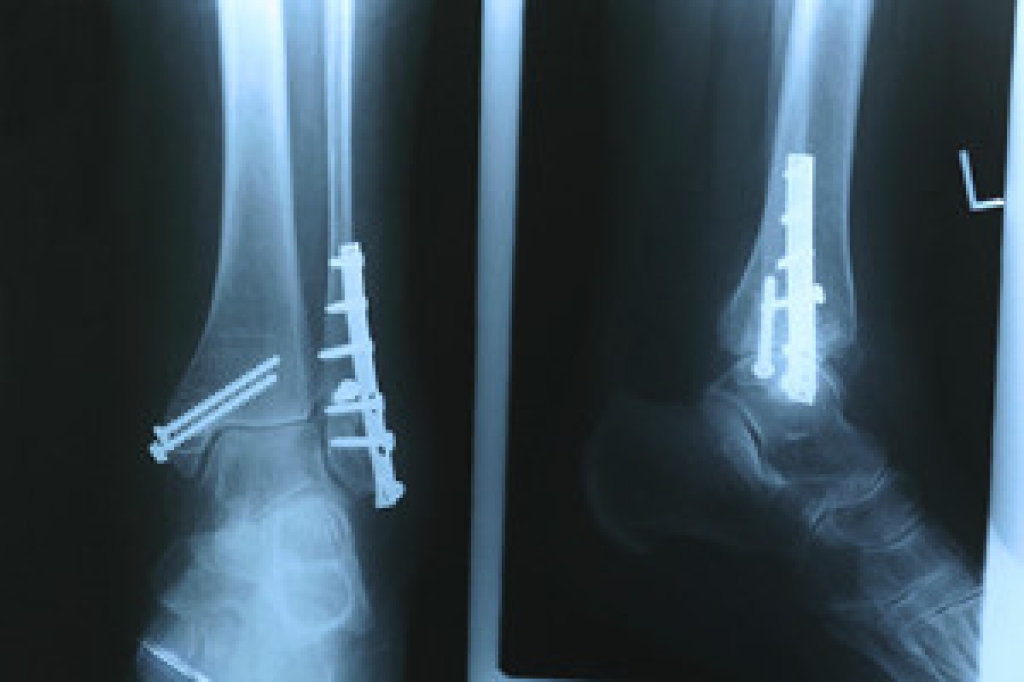
Foot and ankle trauma is a prevalent issue, especially ankle injuries, which can significantly affect mobility. Among the common types of ankle fractures are isolated fibular fractures and Danis-Weber fractures, classified into types A, B, and C. An isolated fibular fracture involves the fibula and is typically less severe. Danis-Weber type A fractures occur below the ligament complex, a group of ligaments that connect the tibia, or shinbone, and the fibula, the smaller bone next to the tibia, just above the ankle joint. A type B fracture is at the level of the ligament complex, and a type C  fracture is above the ligament complex, often accompanied by an injury in this area. Treatment for these fractures ranges from immobilization with a cast or brace for less severe cases to surgical intervention for more complex fractures. Potential complications can include chronic pain, instability, and post-traumatic arthritis, which can impede recovery and long-term function. Given the complexities and potential for complications, if you have an ankle fracture, it is suggested that you schedule an appointment with a podiatrist for an accurate diagnosis, effective treatment, and optimal recovery.

Broken ankles need immediate treatment. If you are seeking treatment, contact Dr. Yeon A. Shim from Roselle Podiatry Group. Our doctor can provide the care you need to keep you pain-free and on your feet. 

Broken Ankles
A broken ankle is experienced when a person fractures their tibia or fibula in the lower leg and ankle area. Both of these bones are attached at the bottom of the leg and combine to form what we know to be our ankle.

When a physician is referring to a break of the ankle, he or she is usually referring to a break in the area where the tibia and fibula are joined to create our ankle joint. Ankles are more prone to fractures because the ankle is an area that suffers a lot of pressure and stress. There are some obvious signs when a person experiences a fractured ankle, and the following symptoms may be present.

Symptoms of a Fractured Ankle

  • Excessive pain when the area is touched or when any pressure is placed on the ankle
  • Swelling around the area
  • Bruising of the area
  • Area appears to be deformed

If you suspect an ankle fracture, it is recommended to seek treatment as soon as possible. The sooner you have your podiatrist diagnose the fracture, the quicker you’ll be on the way towards recovery.

If you have any questions, please feel free to contact our office located in Roselle, NJ . We offer the newest diagnostic and treatment technologies for all your foot care needs.

Read more about All About Broken Ankle

Are You Suffering From Ingrown Toenails?

If left untreated, an ingrown toenail can lead to more serious concerns, such as an infection. Knowing proper nail care can help in the prevention of an ingrown toenail. Give us a call, and get treated!

Causes of Pain on the Bottom of the Foot

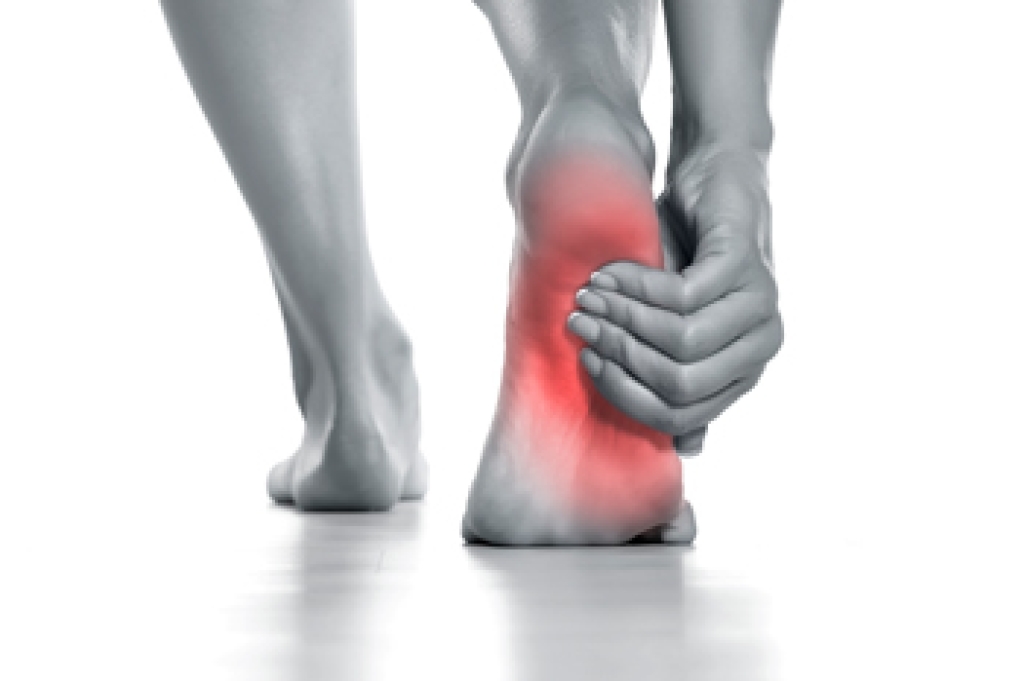
Pain on the bottom of the foot can arise from various conditions, impacting daily activities and overall well-being. Plantar fasciitis is characterized by inflammation of the plantar fascia, a thick band of tissue connecting the heel to the toes. This condition often results in stabbing pain near the heel, especially in the morning. Another cause is metatarsalgia, where the ball of the foot becomes inflamed, leading to pain and discomfort during walking or running. Neuromas, particularly Morton’s neuroma, involve nerve inflammation between the toes, causing sharp, burning pain. Flat feet or fallen arches can lead to overpronation, straining the foot muscles and ligaments. Overuse injuries from excessive physical activity, wearing improper footwear, and obesity also contribute to bottom of the foot pain. Conditions like arthritis or diabetic neuropathy can worsen discomfort. Identifying the specific cause of foot pain is vital for effective treatment and maintaining foot health, ensuring mobility and comfort. If you have pain in this part of your foot, it is strongly suggested that you consult a podiatrist who can determine the cause and offer appropriate treatment solutions.

Foot Pain

Foot pain can be extremely painful and debilitating. If you have a foot pain, consult with Dr. Yeon A. Shim from Roselle Podiatry Group. Our doctor will assess your condition and provide you with quality foot and ankle treatment.

Causes

Foot pain is a very broad condition that could be caused by one or more ailments. The most common include:

  • Bunions
  • Hammertoes
  • Plantar Fasciitis
  • Bone Spurs
  • Corns
  • Tarsal Tunnel Syndrome
  • Ingrown Toenails
  • Arthritis (such as Gout, Rheumatoid, and Osteoarthritis)
  • Flat Feet
  • Injury (from stress fractures, broken toe, foot, ankle, Achilles tendon ruptures, and sprains)
  • And more

Diagnosis

To figure out the cause of foot pain, podiatrists utilize several different methods. This can range from simple visual inspections and sensation tests to X-rays and MRI scans. Prior medical history, family medical history, and any recent physical traumatic events will all be taken into consideration for a proper diagnosis.

Treatment

Treatment depends upon the cause of the foot pain. Whether it is resting, staying off the foot, or having surgery; podiatrists have a number of treatment options available for foot pain.

If you have any questions, please feel free to contact our office located in Roselle, NJ . We offer the newest diagnostic and treatment technologies for all your foot care needs.

Read more about Foot Pain

Pain From Heel Fat Pad Atrophy

If you find it difficult to walk or stand for long periods of time due to persistent heel pain, it could be caused by heel fat pad syndrome, also known as fat pad atrophy. This condition results from changes in the elasticity and thickness of the heel fat pad over time, often due to wear and tear on the fatty tissues and muscle fibers. Fat pad atrophy in the heels mimics symptoms of plantar fasciitis but has its own distinct causes and symptoms. Risk factors include overuse, wearing improper footwear, gait imbalances, and certain medical conditions like diabetes or arthritis. Symptoms typically include deep, bruise-like pain in the middle of the heel, increased by weight-bearing activities or walking on hard surfaces. A podiatrist can conduct a thorough evaluation to determine the cause and severity of the condition. Relief options may involve activity modification, custom insoles, and home exercise programs aimed at improving foot biomechanics and muscle control. If you have heel pain, it is suggested that you schedule an appointment with a podiatrist for guidance on correct treatment methods.

Many people suffer from bouts of heel pain. For more information, contact Dr. Yeon A. Shim of Roselle Podiatry Group. Our doctor can provide the care you need to keep you pain-free and on your feet.

Causes of Heel Pain

Heel pain is often associated with plantar fasciitis. The plantar fascia is a band of tissues that extends along the bottom of the foot. A rip or tear in this ligament can cause inflammation of the tissue.

Achilles tendonitis is another cause of heel pain. Inflammation of the Achilles tendon will cause pain from fractures and muscle tearing. Lack of flexibility is also another symptom.

Heel spurs are another cause of pain. When the tissues of the plantar fascia undergo a great deal of stress, it can lead to ligament separation from the heel bone, causing heel spurs.

Why Might Heel Pain Occur?

  • Wearing ill-fitting shoes                
  • Wearing non-supportive shoes
  • Weight change           
  • Excessive running

Treatments

Heel pain should be treated as soon as possible for immediate results. Keeping your feet in a stress-free environment will help. If you suffer from Achilles tendonitis or plantar fasciitis, applying ice will reduce the swelling. Stretching before an exercise like running will help the muscles. Using all these tips will help make heel pain a condition of the past.

If you have any questions, please feel free to contact our office located in Roselle, NJ . We offer the newest diagnostic and treatment technologies for all your foot care needs.
Read more about Heel Pain

Safeguarding Diabetic Limbs

Preventing amputation of diabetic limbs is essential in preserving mobility and enhancing the quality of life for individuals with diabetes. Regular foot care plays a pivotal role in this endeavor. Daily inspection of the feet for cuts, blisters, or ulcers, along with proper hygiene and moisturization, helps detect issues early and prevent complications. Choosing appropriate footwear that fits well and provides adequate support reduces the risk of pressure points and injuries. Managing blood sugar levels through diet, exercise, and medication adherence is critical in preventing nerve damage and promoting wound healing. Seeking prompt medical attention for any foot problems, no matter how minor, is essential to prevent them from escalating into more serious issues. Regular check-ups with podiatrists allow for comprehensive monitoring of foot health and early intervention if problems arise. If you have diabetes, it is strongly suggested that you are under the care of a podiatrist who can discuss important measures for limb protection.

Diabetic Limb Salvage

Diabetic limb salvage can be an effective way in preventing the need for limb amputation. If you have a foot ulcer and diabetes, consult with Dr. Yeon A. Shim from Roselle Podiatry Group. Our doctor will assess your condition and provide you with quality foot and ankle treatment.

What Is Diabetic Limb Salvage?

Diabetic limb salvage is the attempt of saving a limb, such as the foot, that has an infected ulcer, from amputation. Podiatrists also try to make sure that there is enough function in the foot after the salvage that it is still usable. Those with diabetes experience poor blood circulation, which prevents proper healing of an ulcer. If the ulcer is left uncheck, it could become infected, which could result in the need for amputation.

Diabetes is the number one cause of non-traumatic amputations in the United States. Amputation has been found to lead to higher mortality rates. This translates into higher healthcare costs, and a reduced quality of life and mobility for amputees. Podiatrists have attempted to increase the prevalence of limb salvage in an attempt to solve these issues.

Diagnosis and Treatment

Limb salvage teams have grown in recent years that utilize a number of different treatments to save the infected limb. This includes podiatrists that specialize in wound care, rehabilitation, orthotics, and surgery. Through a combination of these methods, limb salvage has been found to be an effective treatment for infected limbs, and as an alternative to amputation. Podiatrists will first evaluate the potential for limb salvage and determine if the limb can be saved or must be amputated. 

If you have any questions, please feel free to contact our office located in Roselle, NJ . We offer the newest diagnostic and treatment technologies for all your foot care needs.

Read more about Diabetic Limb Salvage
scroll to top