Blog

Do Feet Ever Stop Growing?

Feet play an undervalued but critical role in our lives. Feet support the body and help with stability and balance. They also make it possible to walk, run, climb, and stand. Children’s feet grow rapidly. Usually, feet stop growing around age 20 or 21, but it is dependent on when puberty begins. The earlier one starts puberty, the earlier the feet should stop growing. Genetics is a factor as well. While adults might feel their feet are continuing to grow in later life, it is usually related to age-related changes, such as weight gain, loose ligaments, or deformities like bunions or hammertoes as opposed to actual bone growth. If you are a senior, experts recommend buying shoes a half-size larger to accommodate normal foot changes. Should you have pain or other problems with your feet or ankles as you age, consult with a podiatrist who has the knowledge and skills to help you. 

If you need your feet checked, contact Dr. Yeon A. Shim of Roselle Podiatry Group. Our doctor will attend to all of your foot and ankle needs and provide you with quality treatment.

Geriatrics and Podiatry
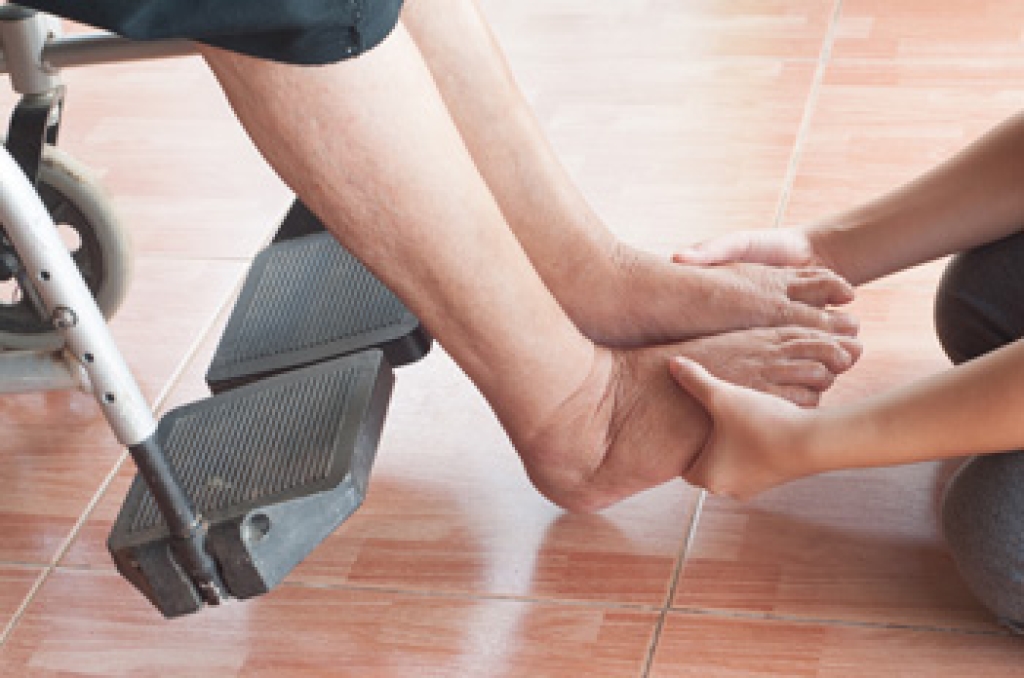
When people age, some common issues that may occur are bone density loss, dry skin, poor circulation, and rough brittle nails. These issues may also affect your foot health if the necessary steps are not taken to alleviate the problems.

It is important to take care of your feet because feet that are injured or diseased can affect your overall health. Having painful feet hinders your ability to do daily activities or may decrease your willingness to do the things that you need to do.

Visiting Your Geriatrician
As we age, health problems become more likely, so it is essential to visit your doctor for check-ups to ensure that you are doing the best you can to take care of your health. It is recommended to check your feet frequently for any possible cuts, bruises, swelling, corns or any other irregularities. 

Taking Care of Elderly Feet
Cracked or dry feet can be treated by applying moisturizer often. It is also important not to wear old socks because the older the sock is, the higher the possibility there will be that there is bacteria there. Wear fresh socks and make sure they fit properly.

Proper foot health means that you can have a more active lifestyle and you will not be bogged down by pain. Foot health also leads to good circulation, which is paramount for overall health.

If you have any questions, please feel free to contact our office located in Roselle, NJ . We offer the newest diagnostic and treatment technologies for all your foot care needs.
Read more about Geriatrics and Podiatry

Heel Pain Can Be Treated!

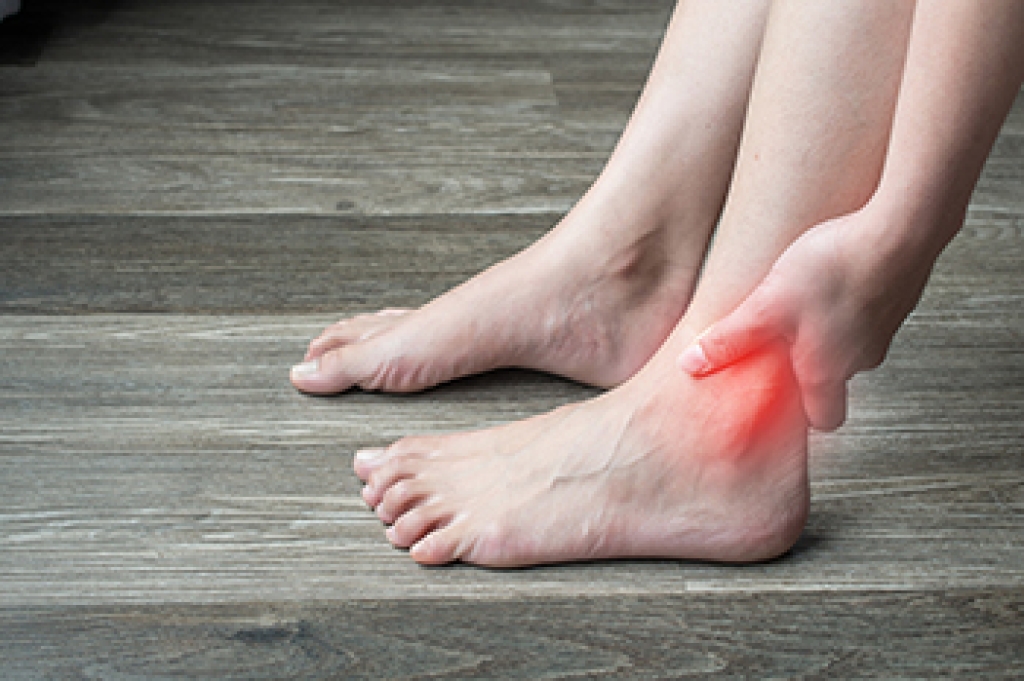
Do you suffer from heel pain when you get up in the morning? If so, you should seek professional help and have a proper diagnosis performed. Heel pain can be caused by several different foot-related conditions.

Facts About Sinus Tarsi Syndrome

The pain and tenderness that often results from an ankle sprain is known as sinus tarsi syndrome. This inflammation is likely caused by an injury to the sinus tarsi, a tunnel in the ankle that runs between the talus and calcaneus bones. It contains ligaments, blood vessels, and nerves. When compressed, the sinus tarsi tunnel can become inflamed and painful. The syndrome also can be the result of repetitive standing or walking. Another cause is over pronation of the feet, which can put pressure on the sinus tarsi. Pain is felt on the outside of the ankle, usually accompanied by a feeling of instability, especially when walking on an uneven surface. Diagnosing a sinus tarsi injury can be difficult because the symptoms mirror those of other conditions. If left untreated, a sinus tarsi injury can become chronic. It is a good idea to have your ankle examined by a podiatrist who may use an MRI to pinpoint the cause. For more information about treatment options, please consult a podiatrist. 

A plantar fibroma may disrupt your daily activities. If you have any concerns, contact Dr. Yeon A. Shim of Roselle Podiatry Group. Our doctor can provide the care you need to keep you pain-free and on your feet.

Plantar Fibroma

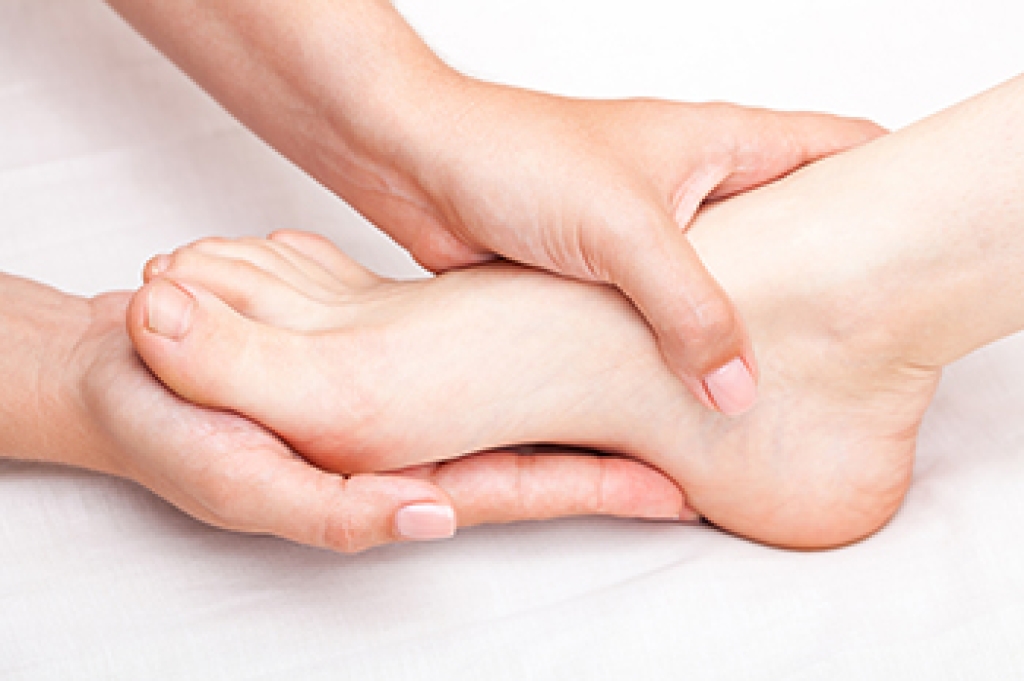
A plantar fibroma is a fibrous knot in the arch of the foot. It is embedded in the plantar fascia which is a band of tissue that extends from the heel to the toes along the bottom of the foot. There can be multiple plantar fibromas in the feet at the same time. There are no known causes for this condition. If you have a plantar fibroma, there will be a bump in the arch of your foot that cannot be missed. Any associated pain is most often due to a shoe rubbing against the nodule. Non-surgical options, such as steroid injections, physical therapy, and orthotics should be tried first. Surgery is a last resort and is the only thing that will remove a plantar fibroma entirely. Consult with a podiatrist for a proper diagnosis and to determine the treatment regimen that is right for you.

What Causes a Plantar Fibroma?

While there are no specific causes identified, a plantar fibroma can possibly come from genetic predisposition or the formation of scar tissue that forms from healing the tears in the plantar fascia.

What Are the Symptoms of a Plantar Fibroma?

There will be a noticeable lump in the arch of the foot that may or may not cause pain. If pain is felt, it is typically because a shoe is rubbing up against the lump or when walking or standing barefoot.

Treatment and Prevention

A plantar fibroma will not disappear without treatment, but it can get smaller and be a non-issue. If pain persists, a podiatrist examines the foot and when the arch of the foot is pressed, pain can be felt down to the toes. An MRI or biopsy might be performed to help diagnose or evaluate the plantar fibroma. The following non-surgical options are generally enough to reduce the size and pain of these nodules:

  • Steroid injections
  • Orthotics
  • Physical therapy to help apply anti-inflammatory creams on the bump 

Surgery is considered if the mass increases in size and the patient continues to feel pain after non-surgical methods are tried.

If you have any questions, please feel free to contact our office located in Roselle, NJ . We offer the newest diagnostic and treatment technologies for all your foot care needs.
Read more about Plantar Fibroma

Definition of Podiatry

There are many different kinds of doctors practicing across the country that specialize in one particular area of the human body. Such specialization facilitates the development of expertise and mastery in the specific kinds of afflictions that are particular to that area of the body. Podiatrists, for example, specialize in the human foot. Therefore, they have developed an expertise in the kinds of conditions that primarily impact the feet. Conditions such as plantar fasciitis, heel spurs, cuboid syndrome, athlete’s foot, and so many other foot afflictions are commonplace to podiatrists. Podiatrists, or DPMs, can not only identify these foot afflictions, but they can, more importantly, treat these conditions in patients. Therefore, the next time that you find yourself experiencing some kind of foot affliction, consult a podiatrist and schedule an appointment. This foot specialist will be able to use their expertise to help you solve your problem. 


If you are experiencing pain in the feet or ankles, don’t join the stubborn majority refusing treatment. Feel free to contact Dr. Yeon A. Shim from Roselle Podiatry Group. Our doctor can provide the care you need to keep you pain-free and on your feet.

What Is a Podiatrist?

Someone would seek the care of a podiatrist if they have suffered a foot injury or have common foot ailments such as heal spurs, bunions, arch problems, deformities, ingrown toenails, corns, foot and ankle problems, etc.

Podiatric Treatment

A podiatrist will treat the problematic areas of the feet, ankle or lower leg by prescribing the following:

  • Physical therapy
  • Drugs
  • Orthotic inserts or soles
  • Surgery on lower extremity fractures

A common podiatric procedure a podiatrist will use is a scanner or force plate which will allow the podiatrist to know the designs of orthotics. Patients are then told to follow a series of tasks to complete the treatment. The computer will scan the foot a see which areas show weight distribution and pressure points. The podiatrist will read the analysis and then determine which treatment plans are available.

If you have any questions, please feel free to contact our office located in Roselle, NJ . We offer the newest diagnostic and treatment technologies for all your foot care needs.
Read more about What is a Podiatrist?

High Heels and Pregnancy

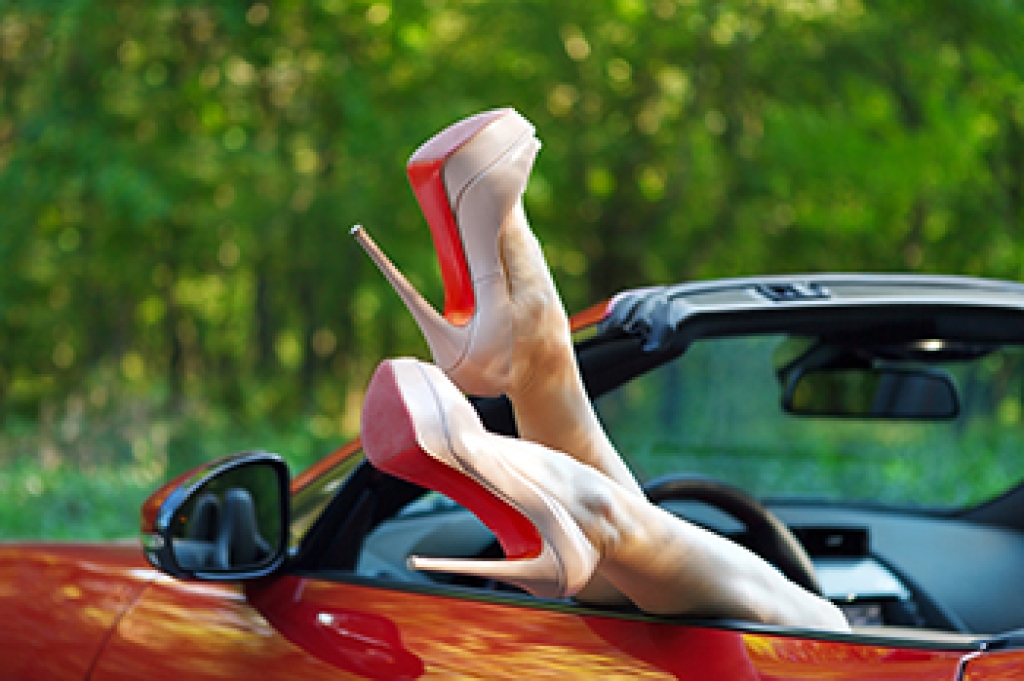
Wearing high heels can be significantly damaging to the feet for many different well-established reasons. For example, wearing high heeled shoes can put an excess amount of pressure on the toes. If a woman wears high heels while she is pregnant, there is a whole other host of problems that can occur. When a woman becomes pregnant, she experiences a variety of changes to the feet that can alter the balance of her weight. Additionally, if a woman wears high heels while she is pregnant, it can further exacerbate any swelling in the feet that might already be occurring because of the pregnancy. Wearing shoes with heels that are high can also reduce a pregnant woman’s stability, which might lead to falls that would be potentially very dangerous for both the woman and her growing baby. For more information about high heels during pregnancy, contact a podiatrist today.

High heels have a history of causing foot and ankle problems. If you have any concerns about your feet or ankles, contact Dr. Yeon A. Shim from Roselle Podiatry Group. Our doctor can provide the care you need to keep you pain-free and on your feet.

Effects of High Heels on the Feet

High heels are popular shoes among women because of their many styles and societal appeal.  Despite this, high heels can still cause many health problems if worn too frequently.

Which Parts of My Body Will Be Affected by High Heels?

  • Ankle Joints
  • Achilles Tendon – May shorten and stiffen with prolonged wear
  • Balls of the Feet
  • Knees – Heels cause the knees to bend constantly, creating stress on them
  • Back – They decrease the spine’s ability to absorb shock, which may lead to back pain.  The vertebrae of the lower back may compress.

What Kinds of Foot Problems Can Develop from Wearing High Heels?

  • Corns
  • Calluses
  • Hammertoe
  • Bunions
  • Morton’s Neuroma
  • Plantar Fasciitis

How Can I Still Wear High Heels and Maintain Foot Health?

If you want to wear high heeled shoes, make sure that you are not wearing them every day, as this will help prevent long term physical problems.  Try wearing thicker heels as opposed to stilettos to distribute weight more evenly across the feet.  Always make sure you are wearing the proper shoes for the right occasion, such as sneakers for exercising.  If you walk to work, try carrying your heels with you and changing into them once you arrive at work.  Adding inserts to your heels can help cushion your feet and absorb shock. Full foot inserts or metatarsal pads are available. 

If you have any questions, please feel free to contact our office located in Roselle, NJ . We offer the newest diagnostic and treatment technologies for all your foot care needs.

Read more about Effect of High Heels on the Feet
scroll to top