Blog

Signs of Ingrown Toenails in Babies

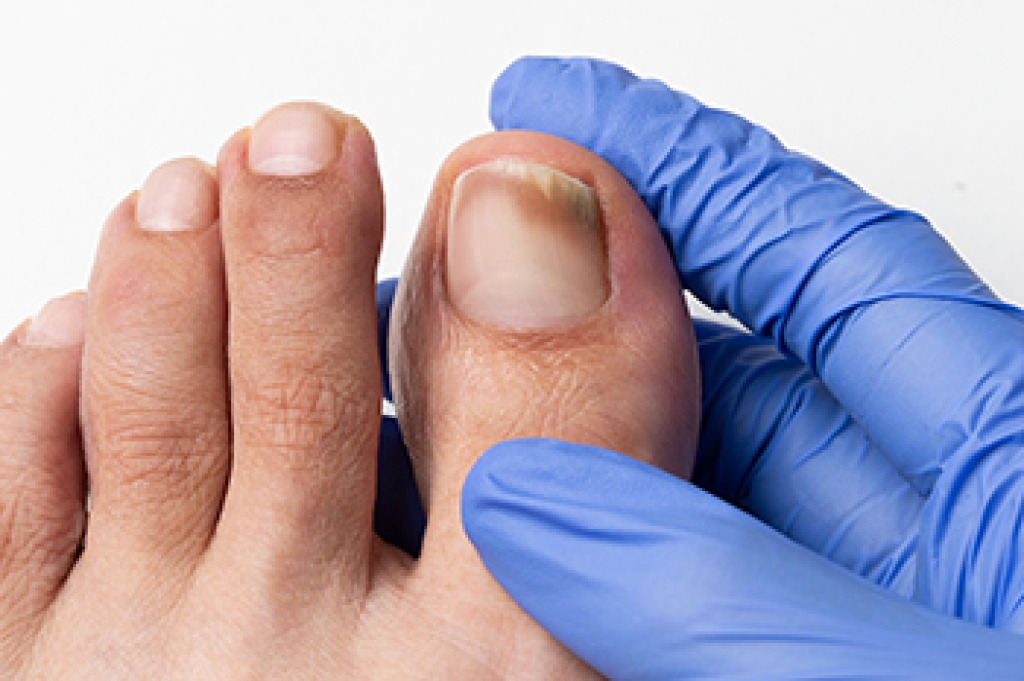
Parents are sometimes surprised to notice that a baby's toenail appears to be growing into the surrounding skin. In many cases, the nail is simply soft and naturally curved, making it look ingrown without causing a problem. A true ingrown toenail develops when the edge of the nail presses into the skin and causes irritation. This condition occurs most often on the big toe. Babies, toddlers, and young children can all develop an ingrown toenail. Causes include nails that curve inward, trimming the corners too short, and pressure from shoes that are too tight. Symptoms include redness, swelling, tenderness, and pain when the toe is touched. If the area becomes infected, drainage or pus can appear, and the skin can become increasingly swollen and sore.

A podiatrist can determine whether a child's toenail is truly ingrown or simply has a normal curve. This examination is important because treatment depends on the condition of the nail and the surrounding skin. A podiatrist can gently remove the portion of the nail causing irritation while protecting the healthy tissue. When infections are present, prompt treatment helps reduce discomfort and lowers the risk of the infection spreading. Children with recurring ingrown toenails can also be evaluated to determine whether the shape of the nail or another foot problem is contributing to repeated episodes.

Parents can help reduce the chance of ingrown toenails by trimming nails straight across instead of rounding the corners. Shoes should fit properly and leave enough room for growing toes. Regularly checking a child's feet also helps identify early signs of redness or swelling before the condition becomes more painful. Babies and young children cannot always explain where they hurt, so changes in walking, fussiness, or avoiding pressure on one foot deserve attention. If your child has symptoms of an ingrown toenail, it is suggested that you schedule an appointment with a podiatrist for a diagnosis and appropriate treatment.

Ingrown toenails may initially present themselves as a minor discomfort, but they may progress into an infection in the skin without proper treatment. For more information about ingrown toenails, contact Dr. Yeon A. Shim of Roselle Podiatry Group. Our doctor can provide the care you need to keep you pain-free and on your feet.

Ingrown Toenails

Ingrown toenails are caused when the corner or side of a toenail grows into the soft flesh surrounding it. They often result in redness, swelling, pain, and in some cases, infection. This condition typically affects the big toe and may recur if it is not treated properly.

Causes

  • Improper toenail trimming
  • Genetics
  • Improper shoe fitting
  • Injury from pedicures or nail picking
  • Abnormal gait
  • Poor hygiene

You are more likely to develop an ingrown toenail if you are obese, have diabetes, arthritis, or have any fungal infection in your nails. Additionally, people who have foot or toe deformities are at a higher risk of developing an ingrown toenail.

Symptoms

Some symptoms of ingrown toenails are redness, swelling, and pain. In rare cases, there may be a yellowish drainage coming from the nail.

Treatment

Ignoring an ingrown toenail can have serious complications. Infections of the nail border can progress to a deeper soft-tissue infection, which can then turn into a bone infection. You should always speak with your podiatrist if you suspect you have an ingrown toenail, especially if you have diabetes or poor circulation.

If you have any questions, please feel free to contact our office located in Roselle, NJ . We offer the newest diagnostic and treatment technologies for all your foot care needs.

Read more about Ingrown Toenails

What You Should Know About Foot Fractures

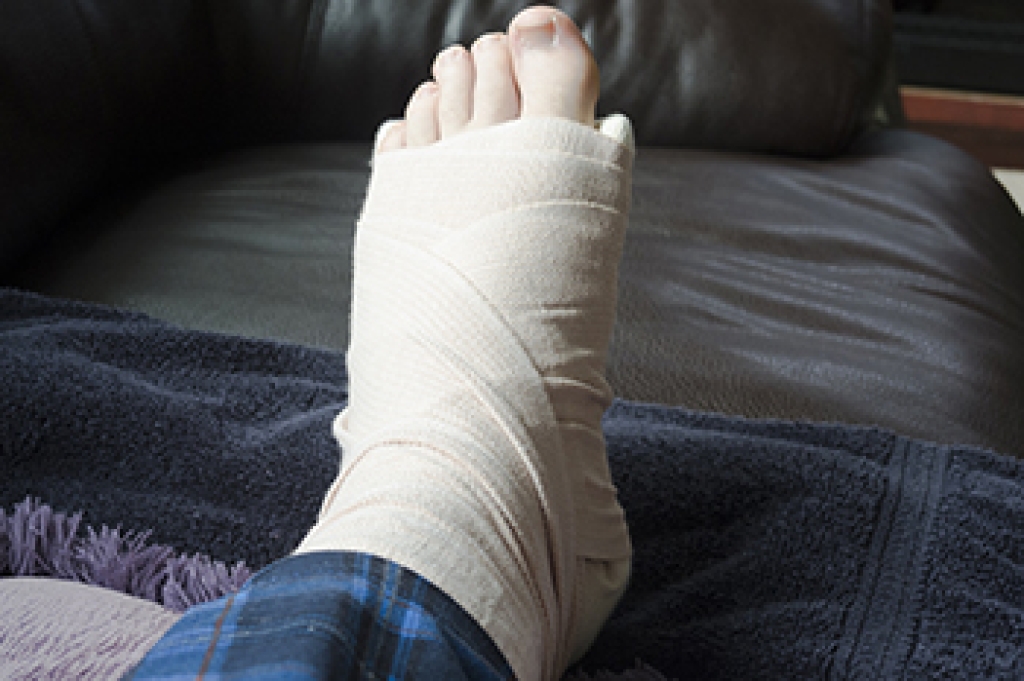
Broken bones in the feet can interfere with standing, walking, and other daily activities. The foot contains 26 bones that work together to provide support and movement. A fracture is the medical term for a broken bone. Fractures range from small cracks to complete breaks. Some occur after a sudden injury, while others develop from repeated stress placed on the foot. A broken foot bone can result from a fall, a sports-related injury, or a heavy object landing on the foot. Certain fractures occur when repeated impact places more pressure on a bone than it can handle. These are called stress fractures. Because foot bones absorb your body weight with every step, even a small fracture can cause significant pain and limit mobility.

Symptoms of a broken foot bone vary depending on the location and severity of the injury. Pain is usually the most noticeable sign. Swelling, bruising, and tenderness are also common. Some people have difficulty putting weight on the affected foot. Others notice pain while walking or standing. In some cases, the foot appears misshapen or develops noticeable swelling around the injured area. Ignoring these symptoms can lead to additional problems. Continued pressure on a fractured bone can affect healing and increase discomfort. Prompt evaluation helps determine the extent of the injury and the most appropriate treatment plan.

A podiatrist plays an important role in diagnosing and treating broken foot bones. Diagnosis includes a physical examination and imaging studies, such as X-rays. Treatment depends on the type of fracture and its location. Care includes immobilization with a cast, boot, or other protective device. More severe fractures sometimes require surgery to restore proper bone alignment. A podiatrist also monitors healing and helps reduce the risk of long-term complications. Early treatment can improve comfort and support a safer return to normal activities. If you have fractured your foot,  it is suggested that you schedule an appointment with a podiatrist for an accurate diagnosis and appropriate treatment.

A broken foot requires immediate medical attention and treatment. If you need your feet checked, contact Dr. Yeon A. Shim from Roselle Podiatry Group. Our doctor can provide the care you need to keep you pain-free and on your feet.

Broken Foot Causes, Symptoms, and Treatment

A broken foot is caused by one of the bones in the foot typically breaking when bended, crushed, or stretched beyond its natural capabilities. Usually the location of the fracture indicates how the break occurred, whether it was through an object, fall, or any other type of injury. 

Common Symptoms of Broken Feet:

  • Bruising
  • Pain
  • Redness
  • Swelling
  • Blue in color
  • Numbness
  • Cold
  • Misshapen
  • Cuts
  • Deformities

Those that suspect they have a broken foot shoot seek urgent medical attention where a medical professional could diagnose the severity.

Treatment for broken bones varies depending on the cause, severity and location. Some will require the use of splints, casts or crutches while others could even involve surgery to repair the broken bones. Personal care includes the use of ice and keeping the foot stabilized and elevated.

If you have any questions, please feel free to contact our office located in Roselle, NJ . We offer the newest diagnostic and treatment technologies for all your foot care needs.

Read more about Causes, Symptoms, and Treatment for a Broken Foot

Causes and Everyday Triggers of Heel Pain

Heel pain is a common foot condition that affects people of all ages and activity levels. It refers to discomfort or inflammation at the bottom or back of the heel, often interfering with walking, standing, and daily function. One of the most recognized causes is plantar fasciitis, but heel pain may also result from nerve-related conditions such as neuroma, overuse injuries, or structural imbalances. This condition can develop gradually or appear suddenly, depending on the underlying cause. Early recognition is important because untreated heel pain may worsen and lead to chronic mobility issues.

Symptoms of heel pain vary, but often include sharp or stabbing pain with the first steps in the morning, aching after long periods of standing, or tenderness when pressure is applied to the heel. Some individuals notice swelling or warmth, while others feel a burning sensation if a nerve is involved. Pain may improve with movement but return after rest. These patterns are key indicators that help identify the source of discomfort and guide proper treatment.


Several risk factors increase the likelihood of developing heel pain. Obesity places added stress on the heel with each step, which can strain the plantar fascia and surrounding structures. Wearing bad-fitting shoes, especially those lacking arch support or cushioning, contributes to poor foot alignment and repetitive stress. Heel injuries from sports or accidents can also lead to long-term pain if not properly treated. Physically active individuals, particularly runners and those in high-impact sports, are at greater risk due to repetitive strain. Middle-aged adults are more prone to it as natural tissue elasticity declines. Pregnancy is another contributing factor due to weight gain and hormonal changes that affect ligament flexibility.


Understanding the causes of heel pain allows individuals to take proactive steps, such as selecting supportive footwear, managing weight, and modifying activity levels. Early intervention can prevent complications and restore comfort. If you have heel pain, it is strongly suggested that you consult a podiatrist for an accurate diagnosis and appropriate treatment.

Many people suffer from bouts of heel pain. For more information, contact Dr. Yeon A. Shim of Roselle Podiatry Group. Our doctor can provide the care you need to keep you pain-free and on your feet.

Causes of Heel Pain

Heel pain is often associated with plantar fasciitis. The plantar fascia is a band of tissues that extends along the bottom of the foot. A rip or tear in this ligament can cause inflammation of the tissue.

Achilles tendonitis is another cause of heel pain. Inflammation of the Achilles tendon will cause pain from fractures and muscle tearing. Lack of flexibility is also another symptom.

Heel spurs are another cause of pain. When the tissues of the plantar fascia undergo a great deal of stress, it can lead to ligament separation from the heel bone, causing heel spurs.

Why Might Heel Pain Occur?

  • Wearing ill-fitting shoes                
  • Wearing non-supportive shoes
  • Weight change           
  • Excessive running

Treatments

Heel pain should be treated as soon as possible for immediate results. Keeping your feet in a stress-free environment will help. If you suffer from Achilles tendonitis or plantar fasciitis, applying ice will reduce the swelling. Stretching before an exercise like running will help the muscles. Using all these tips will help make heel pain a condition of the past.

If you have any questions, please feel free to contact our office located in Roselle, NJ . We offer the newest diagnostic and treatment technologies for all your foot care needs.

Read more about Heel Pain
scroll to top